The luxury watch market trends defining 2026 read materially different from where the market sat at the start of the decade. The post-2022 secondary-market correction took most of the speculative heat out of the headline references. Daytonas no longer trade at the eye-watering multiples of retail they were touching in early 2022.
- The 2026 luxury watch market has stabilised after the post-2022 reset, with Rolex, Patek, and AP secondary pricing finding firmer ground than many feared.
- Tudor, Cartier, and Vacheron Constantin have led the relative-strength tables, picking up collector attention as the obvious Holy Trinity references plateaued.
- Independent makers including F.P. Journe, MB&F, and De Bethune continue to widen their collector base, with waitlist depth approaching mainstream Swiss levels.
- We see neo-vintage references from the late 1990s and early 2000s as the most interesting structural opportunity, with collector education still catching up.
- Female collector visibility has grown across every brand, with ladies' reference design and complication choice reflecting the shift in dealer floor strategy.
- Pre-owned authorised programmes from Rolex, Audemars Piguet, and Vacheron have professionalised the secondary trade and squeezed grey-market premiums.
- Who is this for?
- Active collectors, dealers planning inventory strategy for the year, and investors tracking watch market trajectories alongside other asset classes.
- What is happening?
- A structured read of the trends defining the luxury watch market in 2026, from Holy Trinity stabilisation through independent maker depth and pre-owned professionalisation.
- When did this emerge?
- The trends have crystallised across the last twelve to eighteen months, building on the post-2022 reset and the subsequent base-building period.
- Where is this happening?
- Geneva, New York, Hong Kong, and Dubai remain the central trading hubs, with online platforms supplying day-to-day liquidity at every tier.
- Why does it matter?
- Reading the market correctly informs buying decisions across the cycle, and 2026 looks like a year that rewards selective patience over broad accumulation.
What's emerged is a more rational market with the trinity brands (Rolex, Patek Philippe, Audemars Piguet) still anchoring collector attention but with a more measured cadence to the secondary numbers. Phillips, Christie's and Sotheby's have been reporting their strongest Geneva and New York sales in three years through 2025 and into 2026.
The underlying conditions read more sustainable than they did at the 2022 peak. The total luxury watch market sits at roughly $49. 8 billion globally for 2026, with Western Europe leading on share.
Pre-owned sales reached $22 billion in 2021, the most recent comprehensive figure.
The trinity and what's driving the 2026 conversation
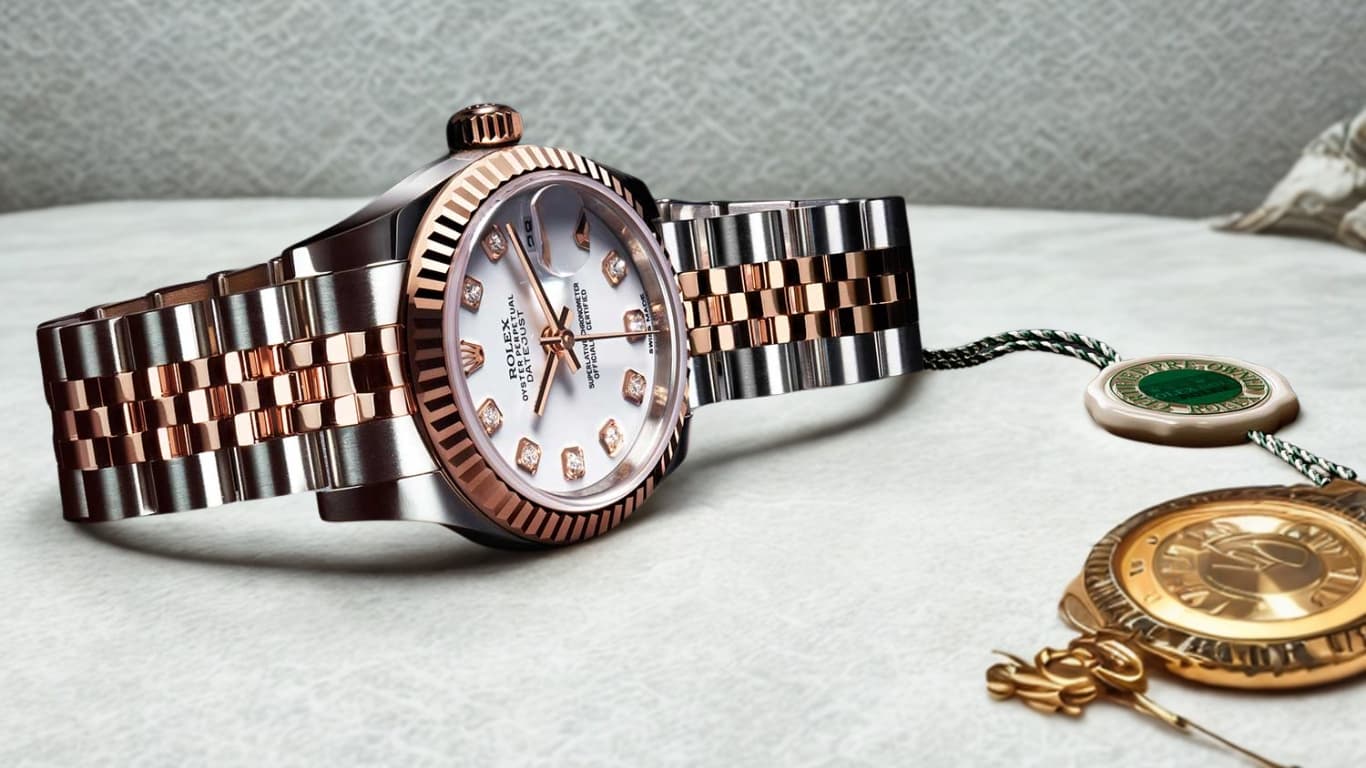
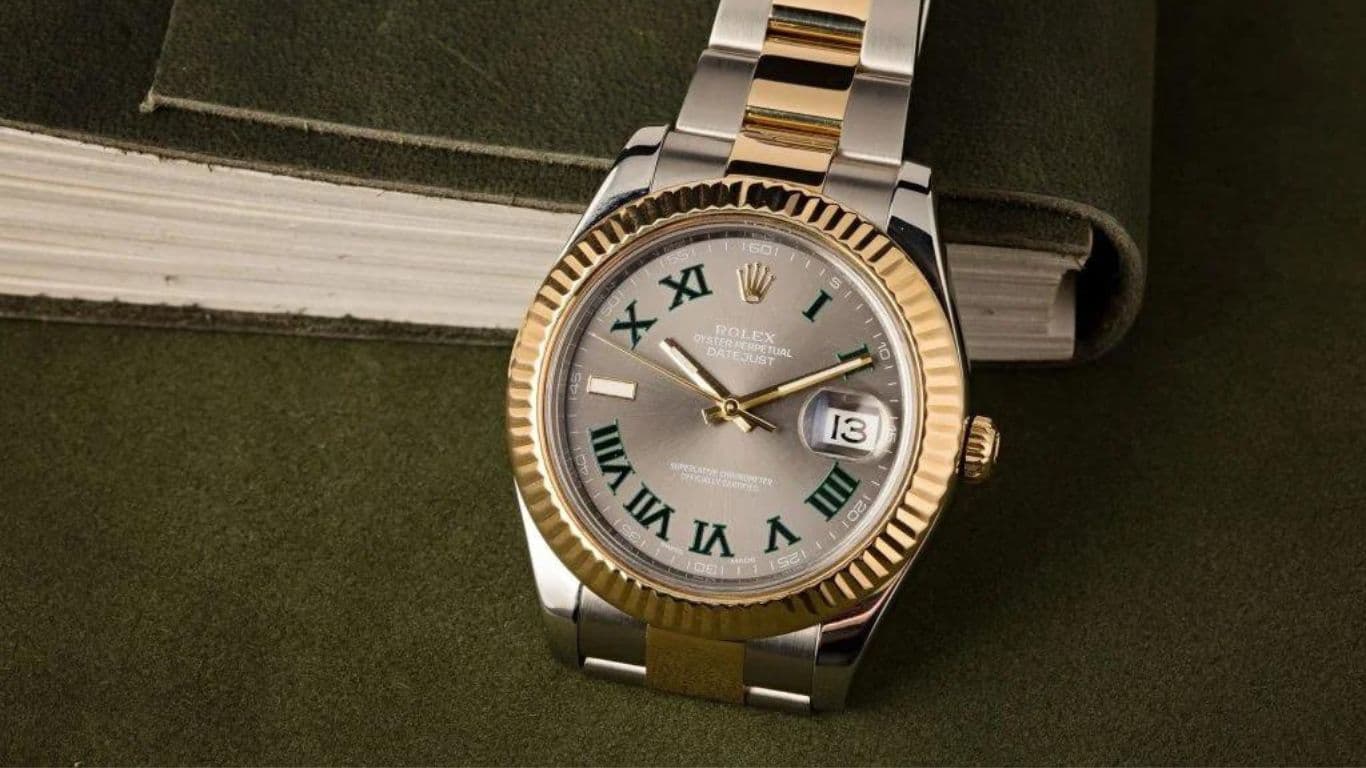
Rolex, Patek Philippe and Audemars Piguet remain the three brands the secondary market structures itself around. Rolex sits at the centre of trading volume. Submariner, GMT-Master II, Daytona and Datejust references make up the bulk of pre-owned watch transactions globally.
Patek occupies the prestige tier. The discontinued Nautilus 5711 (now trading between roughly €100,000 and €130,000 against an original €30,000 retail) is the headline example of how production-cap discipline plays out at the top of the market. AP's Royal Oak, particularly the discontinued steel "Jumbo" reference 16202, anchors the contemporary sport-luxury conversation.
The broadening collector base beyond the trinity
What's interesting in 2025 and 2026 is the steady broadening of collector attention beyond the trinity. Vacheron Constantin's Overseas line is increasingly read as the third-tier sport-luxury reference. Lange & Söhne's classical references are drawing serious attention from collectors moving up from independent watchmaking.
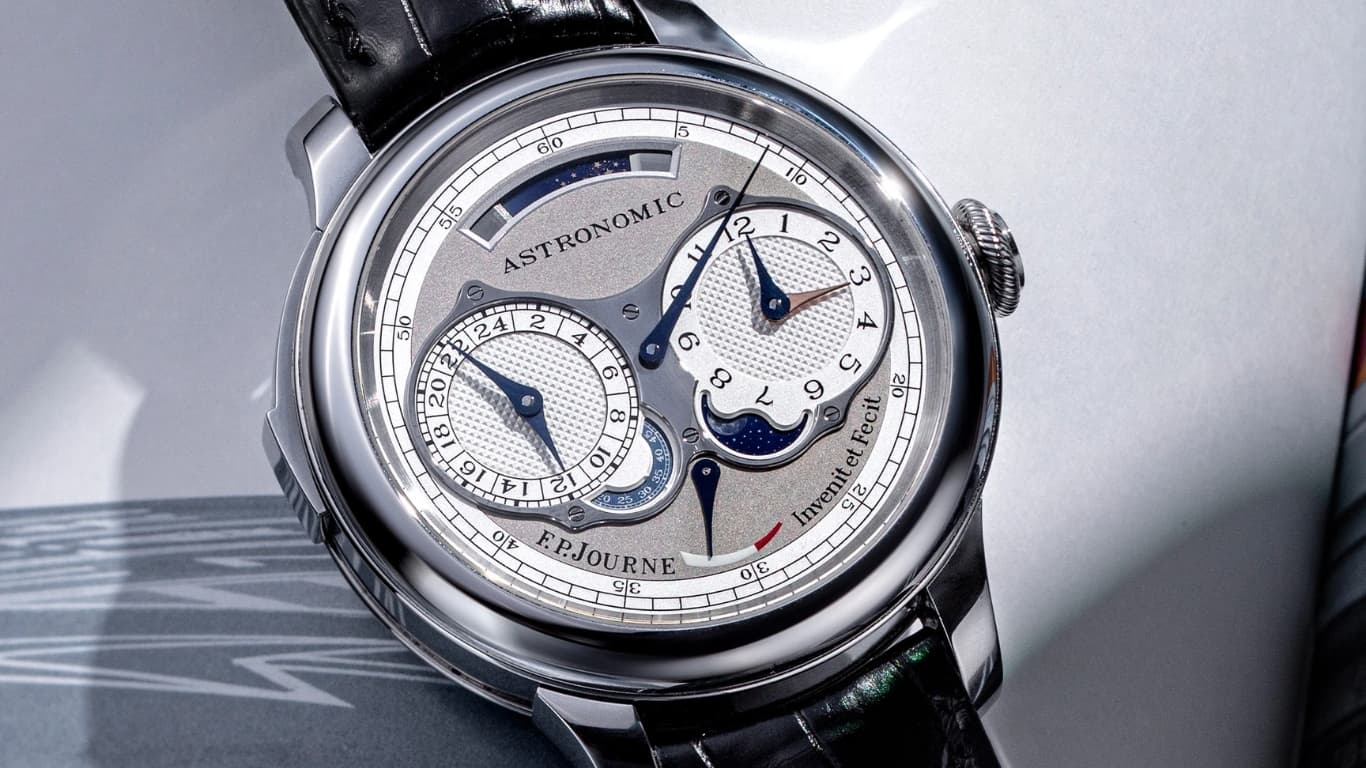
F.P. Journe's annual production of fewer than 1,000 watches keeps the secondary market for the Chronomètre Bleu and Souveraine references tight. Hodinkee, GQ and Robb Report have all been giving these names more page space than they did three years ago.
The pre-owned market and the certification programmes
Analysts at Bain and Deloitte both project the pre-owned segment to capture roughly 60 percent share of the broader market by 2030 as the secondary infrastructure (Chrono24, WatchCharts, the brand-backed certified pre-owned programmes) deepens further. Bucherer's launch of its Certified Pre-Owned programme in 2019 was the moment the certified-pre-owned segment moved from a specialist niche into a mainstream collector channel.
Two-year warranty, full authentication, trade-in option: the structure is now the template most major brands have adopted in some form. Watches of Switzerland's Certified Pre-Owned operation, Watchfinder (now Bucherer-owned), and the Hodinkee Shop's curated pre-owned selection all operate at the credible end of the certified-pre-owned spectrum.
Why younger collectors are driving share
Younger collectors are driving meaningful share of the pre-owned market growth. Deloitte's 2024 luxury survey reported a 39 percent year-on-year increase in expressed interest in pre-owned watches.
The Collector and Investor demographic (44 percent of buyers, 58 percent of market value per the same survey) trades primarily through the certified-pre-owned and major auction channels rather than at boutique retail. Chrono24, WatchBox and Watchfinder are the three platforms most active in serving the broader pre-owned market online.
Authentication, blockchain and brand-led provenance infrastructure
The brands have moved increasingly into formal authentication and provenance infrastructure. Vacheron Constantin's Hour Club platform, Breitling's blockchain-backed certification, and several other brand-level programmes use distributed ledger technology to record manufacture, ownership and service history in tamper-proof form.
Richard Mille, MB&F and F.P. Journe have launched dedicated pre-owned certification programmes. Patek Philippe and Audemars Piguet operate archive-extract services that document a piece's date of manufacture and original delivery.
The practical effect for collectors is a market with substantially more verifiable provenance infrastructure than existed a decade ago. The credible specialist dealers (A Collected Man, Subdial, Material Good, Govberg, Watchfinder, Hodinkee Shop) have built their own authentication infrastructure on top of the brand-level programmes.
Where the auction houses sit
The major auction houses (Phillips, Christie's, Sotheby's, Antiquorum) handle the upper-end vintage market with full pre-sale authentication and detailed condition reporting. Lots come pre-vetted, condition reports are detailed, and estimates remain reliable indicators of likely clearing prices.
Buyer's premium adds 25 to 28 percent to the hammer price, which is the cost of the authentication discipline and the documented chain of provenance the auction house provides. For collectors handling vintage Patek, Rolex sport references or rare independent pieces, the auction-house route remains the cleanest acquisition path.
What serious collectors actually look for in 2026
Three patterns are visible across the most considered modern collections. Discontinuation discipline matters more than ever.
The references the brands pull from production on a defined schedule (the Patek 5711, the AP Royal Oak 16202, the Rolex Daytona 116500LN) all consolidated their place at the top of the secondary market once the production window closed. Box-and-papers documentation remains a 10 to 30 percent value differential at the upper end. Service history through the brand's own service network is the practical baseline for any reference where future provenance will matter.
The widening of the collector category
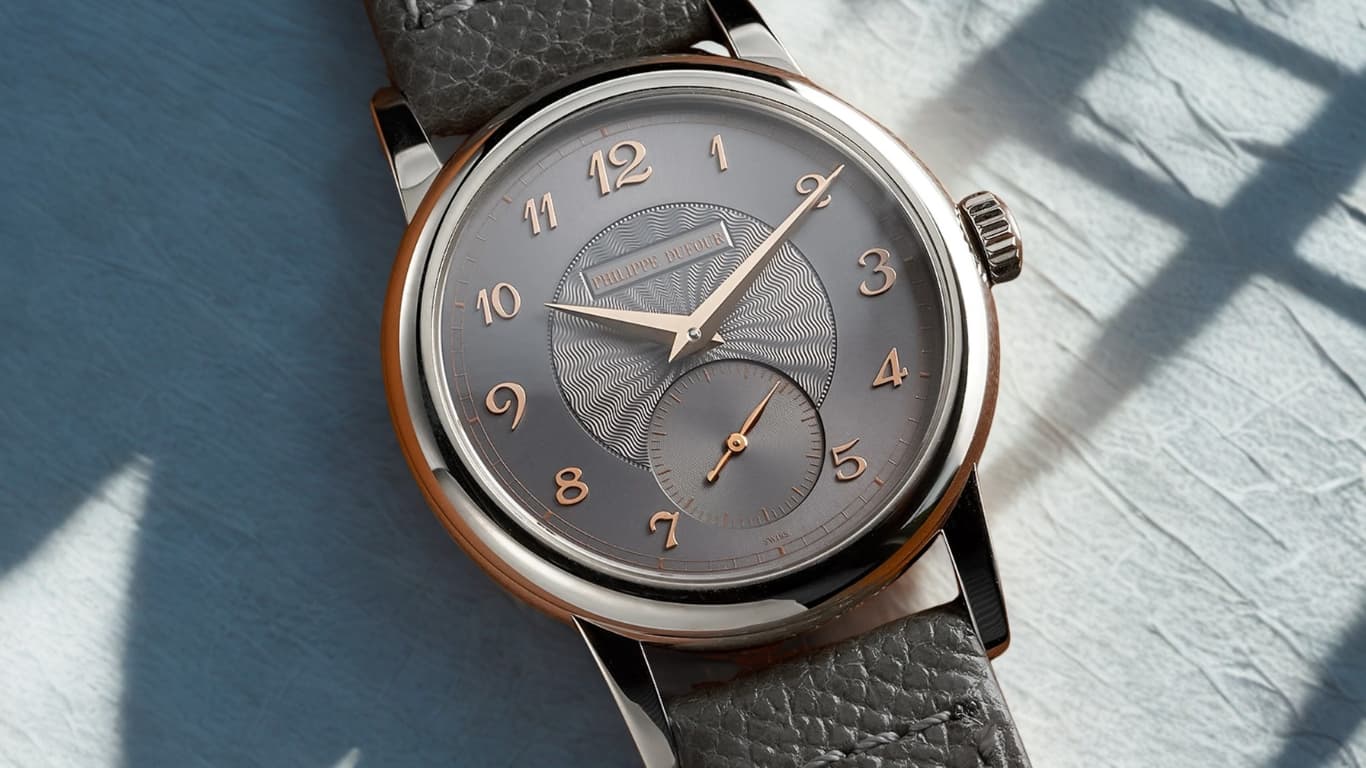
The broader collector category is widening too. Independent watchmaking (F.P. Journe, Roger Smith, Philippe Dufour, Voutilainen, MB&F, De Bethune) is reading less as a specialist enthusiasm and more as a credible parallel to the trinity for collectors who want to step outside the more commercially structured brands.
Vintage Patek complications continue to anchor the upper end of the auction market. Vintage Rolex sport references remain the deepest-trading vintage segment. Each segment has its own depth, its own discipline and its own working channels.
Where the discipline shows up across collections
The collectors who navigate 2026 well share a small number of habits that the past four years have reinforced. They specialise rather than spreading thinly. They build relationships with two or three specialist dealers and one or two auction-house specialists over years.
They request brand-archive extracts on high-value vintage pieces from the brands that provide them. They treat box-and-papers, original components and credible service history as load-bearing decisions rather than nice-to-haves.
They read the secondary market through Chrono24 and WatchCharts price discovery rather than through boutique sticker prices. They buy slowly. The most considered collections tend to be built around five to ten significant pieces acquired over years, not thirty pieces acquired in eighteen months.
Further reading
What this means for collectors next
The longer story is that the post-correction watch market has rewarded patience and discipline more reliably than enthusiasm. So far, on the evidence of how the auction houses, the brands and the credible specialist dealers are operating, those conditions look likely to hold through the rest of the decade.
For collectors building through 2026 and beyond, the working playbook remains consistent: trinity references where the budget allows, considered independent watchmaking where the appetite runs that direction, and the certified-pre-owned channels for the working middle of the catalogue. The market has matured, and the rewards now flow toward the collectors who treat it as such.
We last reviewed this analysis in May 2026.


Stefanos Moschopoulos
Stefanos Moschopoulos founded The Luxury Playbook in Athens and has spent the better part of a decade following the auction calendar, the en primeur releases, and the watchmakers, gallerists, and shipyards the magazine covers. He writes the field guides and listicles that anchor the Connoisseur section — pieces built on Phillips and Christie's results, Liv-ex movements, and conversations with collectors he has met across Geneva, Bordeaux, Basel, and Monaco. His own collecting habits sit closer to watches and wine than art, and it shows in the level of detail in the magazine's coverage of those categories. Under his direction, The Luxury Playbook now publishes long-form field guides, market-defining year-end listicles, and the Voices interview series with the founders behind the houses and the brands.