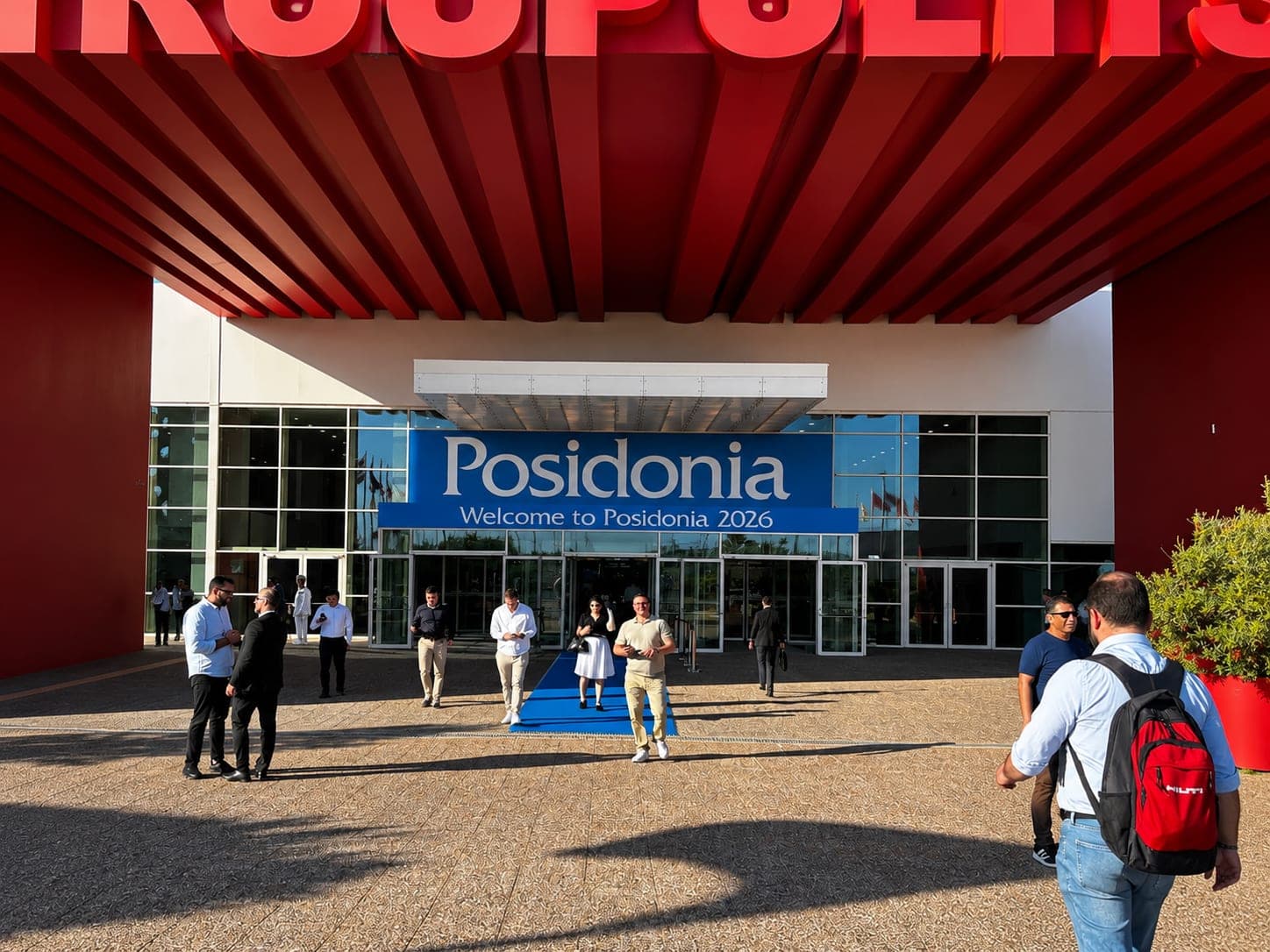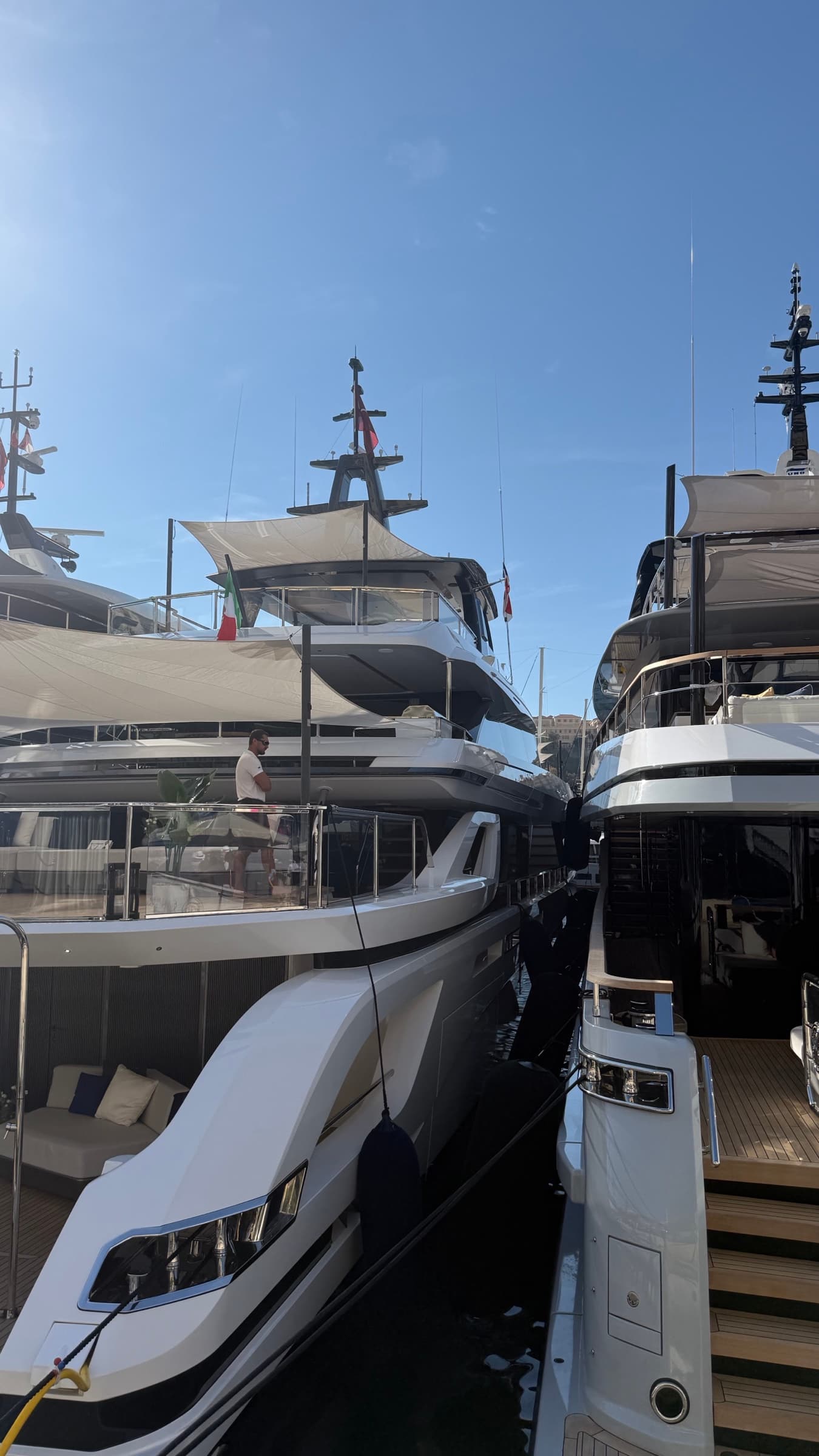
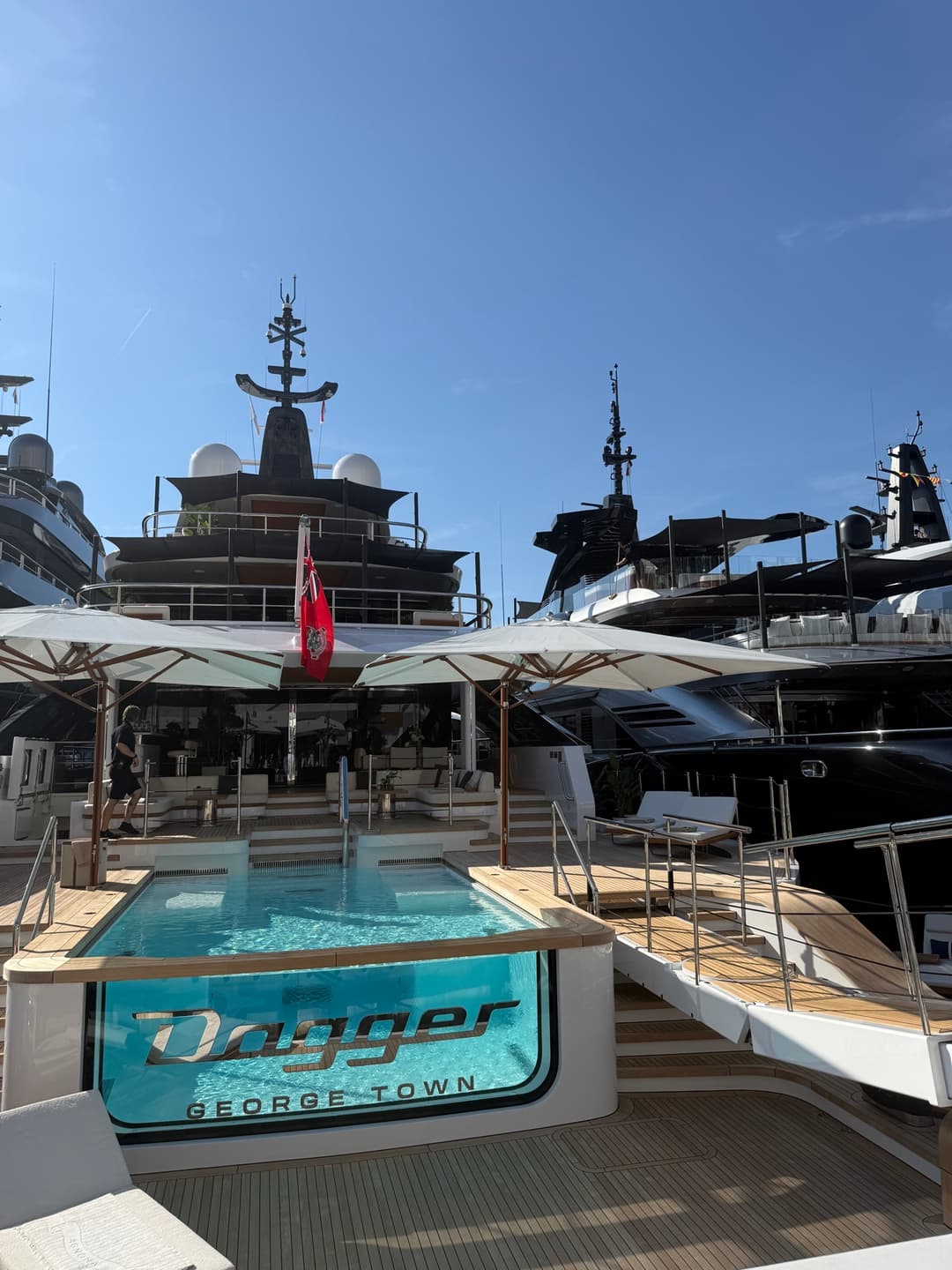
At the Monaco Yacht Show, it is easy to look at the yachts and assume the story is about design, engineering and very large sums of money. Those are certainly part of it. Yet the questions that interested me most were less visible: who is behind an asset, how decisions are made and whether the claims surrounding it can withstand scrutiny. I work in governance and risk, so perhaps I was always going to find the paperwork as interesting as the polished decks.

Key Takeaways & The 5Ws
- A superyacht can connect owners, companies, brokers, managers, lenders, crew and advisers across several jurisdictions.
- Clear ownership information, an understood source of funds and a durable decision trail make trust more resilient.
- Sanctions and reputational exposure require continuing oversight because circumstances and ownership structures can change.
- Environmental claims become credible when the scope, assumptions, evidence and responsible decision maker are clearly identified.
- The strongest expression of luxury may be the governance that makes extraordinary complexity appear effortless.
- Who is this for?
- Yacht owners, family offices, brokers, managers and advisers responsible for valuable maritime assets.
- What is it?
- A bulletin on the governance, ownership, sanctions and sustainability questions visible behind the spectacle of the Monaco Yacht Show.
- When does it matter most?
- At acquisition, financing and operation, and whenever ownership, restrictions or corporate circumstances change.
- Where does it apply?
- Across international yacht ownership structures and every jurisdiction touched by the asset, its financing, management and use.
- Why consider it?
- Because an exceptional asset can still create legal, financial and reputational problems when responsibility is assumed rather than assigned.
Table of Contents
- Governance Behind the Polished Decks
- Ownership Sanctions and Continuing Oversight
- Sustainability Claims Need Evidence
- Where the Show's Substance Lives
Governance Behind the Polished Decks
A yacht can involve an owner, a company, a broker, a manager, lenders, crew and advisers operating across several jurisdictions. Each may see only one part of the picture. That makes trust essential, but trust works best when it is backed by clear ownership information, an understood source of funds and a decision trail that survives changes in personnel or location. A beautiful asset can still create an ugly problem when responsibility is assumed rather than assigned.
Ownership Sanctions and Continuing Oversight
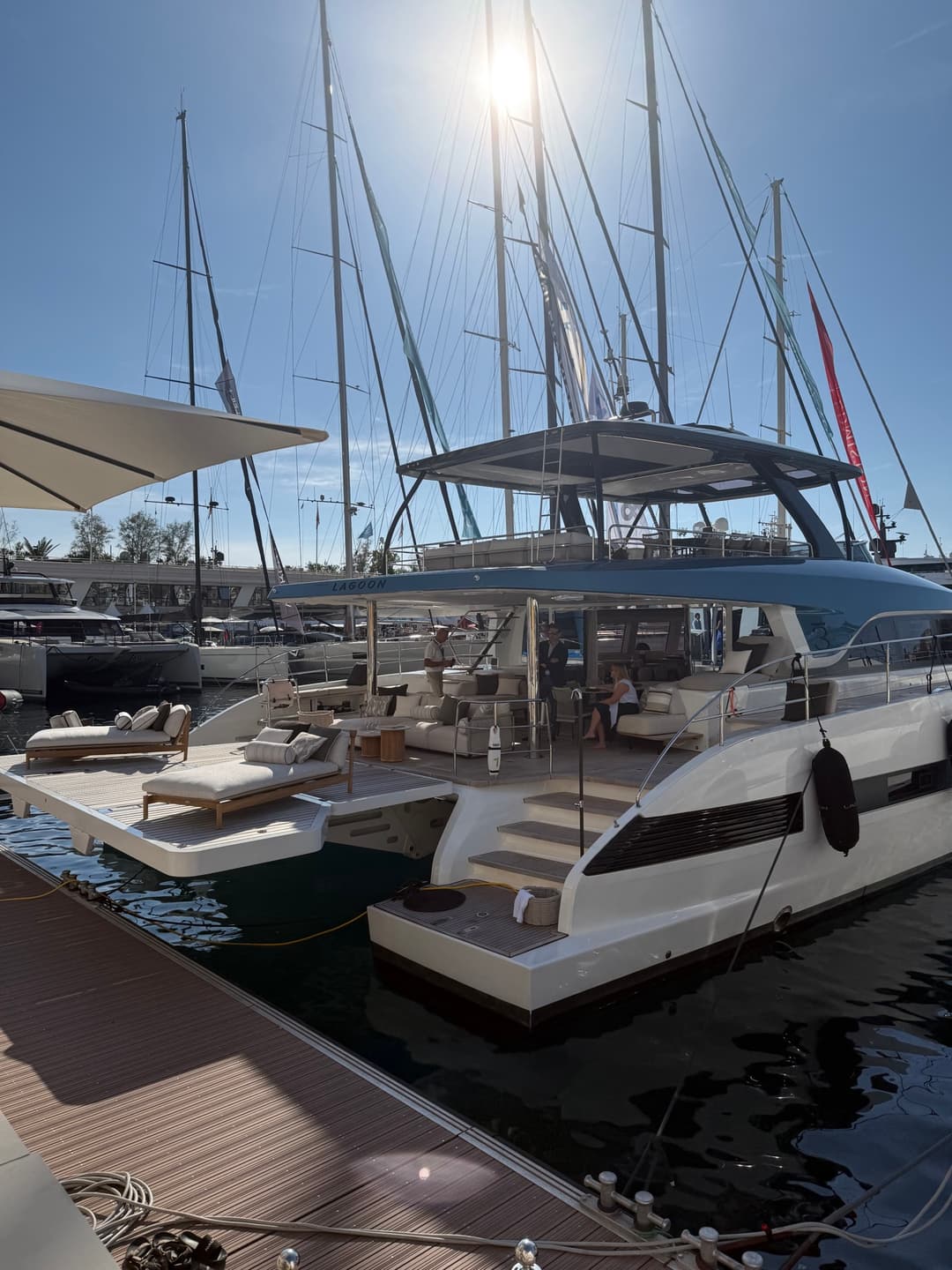
In an international market, those questions extend beyond the point of sale. Ownership structures, sanctions exposure and reputational risks can cross borders as readily as the yachts themselves. Circumstances change: a person may become subject to restrictions, a corporate structure may change, or information that once seemed sufficient may need revisiting. The practical question is not simply whether checks were completed once, but who notices when the underlying facts change and who has authority to act.
Sustainability Claims Need Evidence
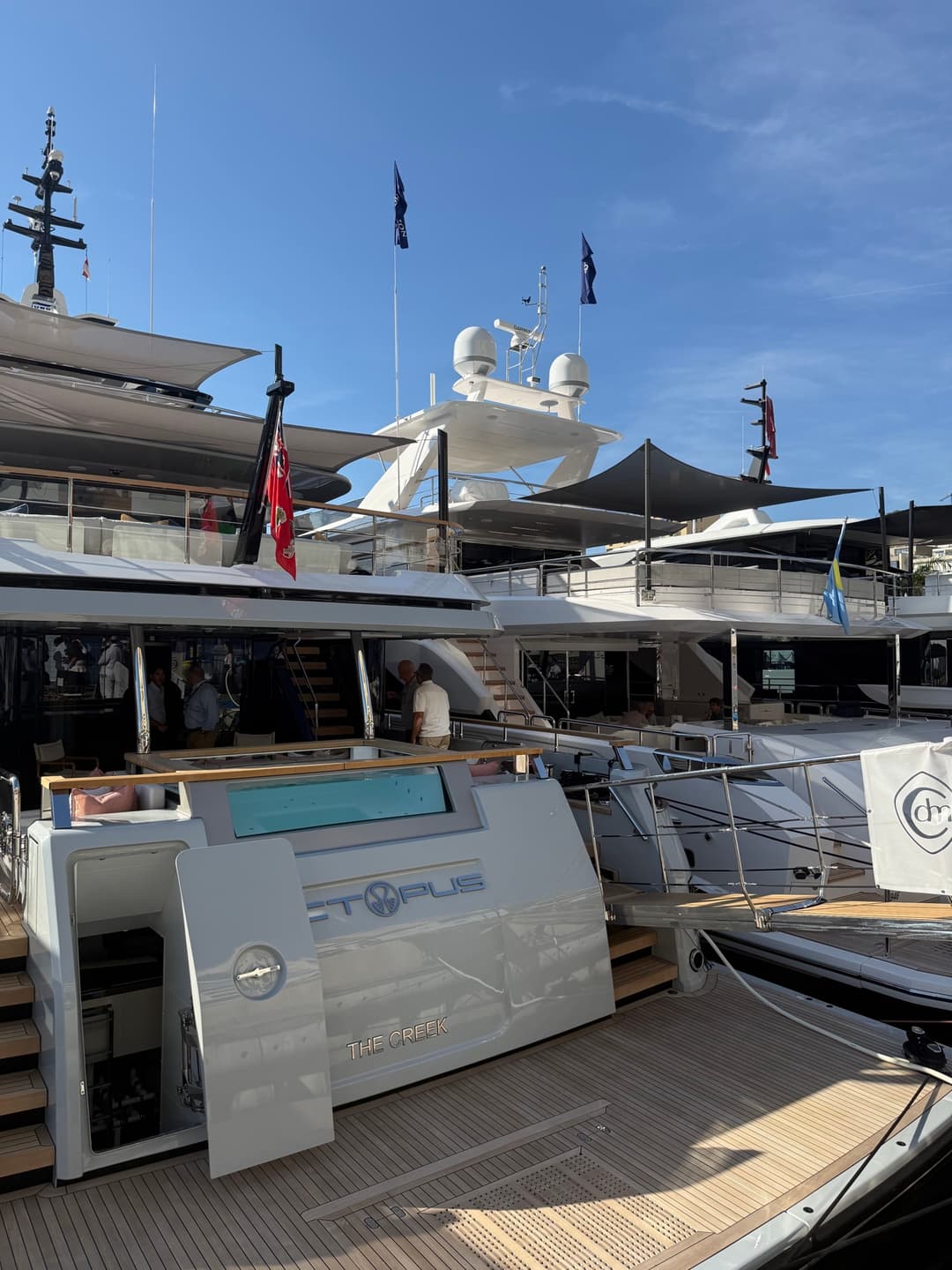
Sustainability was also hard to miss. It is encouraging to see emissions, materials and innovation discussed so prominently, but the language invites useful follow up questions. What exactly is being measured? Does a figure cover construction, operation or the full life of the yacht? How are fuel use, refits and eventual disposal treated? If a claim depends on a particular operating pattern, that assumption should be visible. Good governance gives an ambitious environmental claim a method, evidence and an owner. Without those, even a well intentioned message risks getting ahead of the facts.
Where the Show's Substance Lives
None of this means the industry should stop celebrating design or progress. It means that the more ambitious the promise, the more valuable it is to explain how it is delivered. I found the most interesting conversations at the show were with people willing to speak candidly about changing expectations and the questions clients now ask. The spectacle brings people together. The substance of those conversations is what stays with me.
Luxury often depends on making complexity look effortless. From a governance perspective, the real achievement is knowing exactly what sits behind that apparent ease and being able to answer for it when somebody asks.
Photographs by Mitzi Danielson-Kaslik for The Luxury Playbook.
Last reviewed September 2026. This article provides general editorial analysis and does not constitute legal, financial or sanctions advice.

Mitzi Danielson-Kaslik
Mitzi Danielson-Kaslik is a governance, risk, and compliance consultant specialising in financial crime, operational resilience, and organisational risk culture. She is the recipient of an Outstanding Achievement Award in AML and currently serves as Chair of the IoD Isle of Man Emerging Leaders group. Her work focuses particularly on the intersection between governance, human behaviour, and decision-making under pressure, with a strong interest in how modern institutions manage ambiguity, scrutiny, and trust. Alongside her consultancy work, Mitzi writes and speaks on private wealth, leadership, systems thinking, and the invisible operational structures that underpin high-performing organisations. Her writing combines regulatory and governance insight with a broader perspective on credibility, resilience, and institutional behaviour in increasingly transparent environments.