


What Monaco Yacht Show Reveals About Governance and Risk
A Monaco Yacht Show bulletin examining yacht ownership, sanctions exposure, sustainability claims and the governance behind effortless luxury.

Provenance Is a Compliance Document Now
Mitzi Danielson Kaslik explains why provenance, ownership records and transaction documentation now protect collectors, family offices and valuable assets.
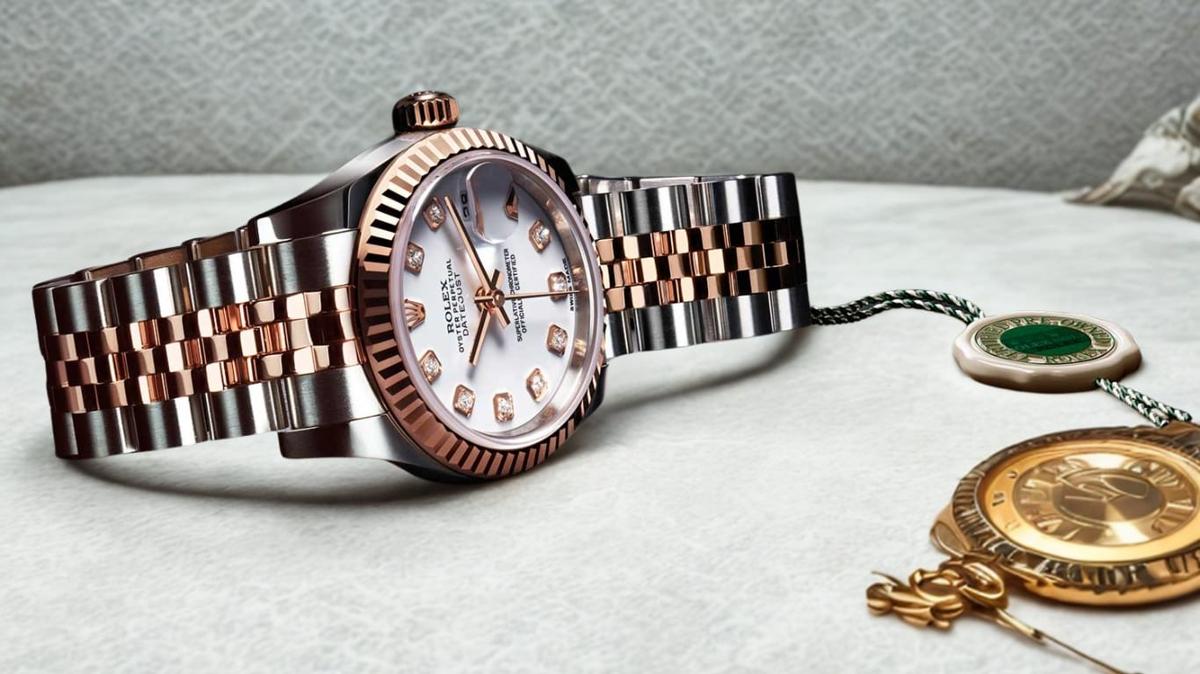
Compliance Comes to the Secondary Watch Market
Collectors were verifying dials, papers and provenance long before regulators arrived. Compliance simply asks them to extend the same discipline to the transaction.

Whose Yacht Is It Really? Ownership, Flags and Sanctions
Registered in one jurisdiction, owned by a company in another, held in a trust elsewhere. Why the simplest question about a superyacht has become the hardest to answer.

Why Your Wealth Manager's Data Matters More Than Their AI
Private wealth is talking about artificial intelligence. Almost nobody is asking how reliable the client information feeding those systems actually is.

Dirty Money and the Prime Property Myth
Luxury property has never really been about bricks and mortar. It has always been about wealth, security and legacy, and increasingly about who owns it, why, and whether the money behind it can withstand scrutiny.
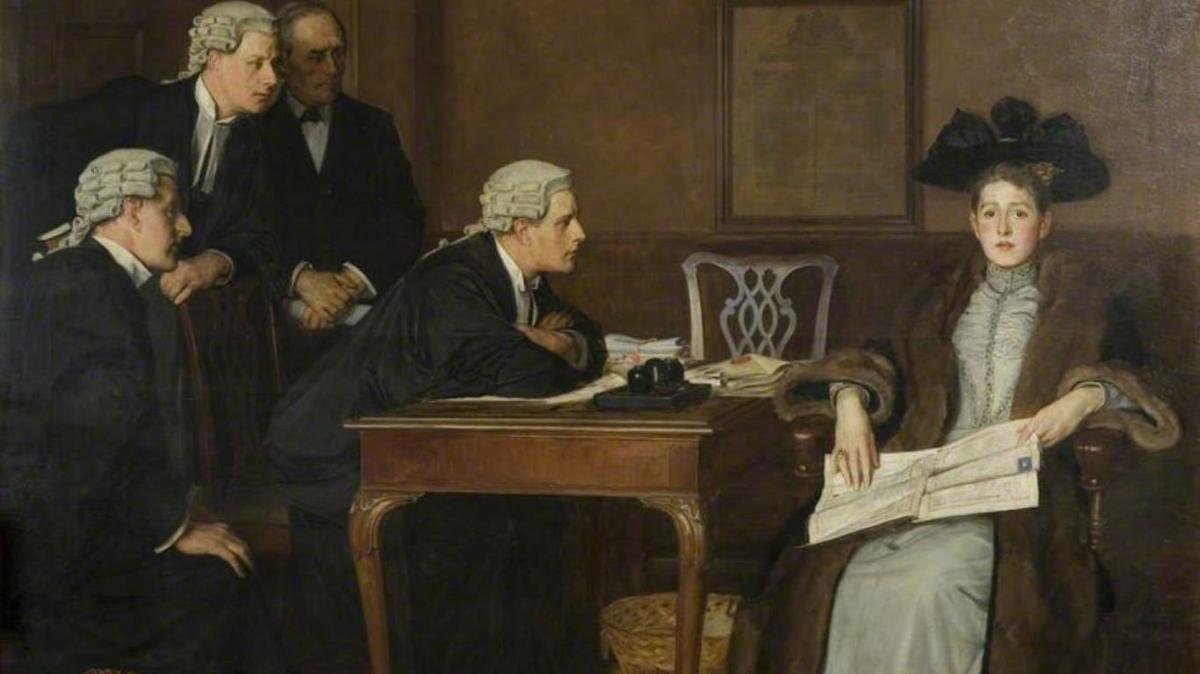
Why the Art Market Is Compliance's Last Blind Spot
The art world has always obsessed over where a painting has been, yet asked far fewer questions about the money used to buy it. As regulators close that gap, compliance is emerging not as the enemy of collecting but as its quiet protector.

What Separates Independent Family Offices From the Consensus
Why genuinely independent judgement is the rarest asset in a family office, and how strong governance protects it from advisory capture and consensus.

The Luxury Industry's Least Discussed Asset
Modern luxury increasingly revolves around managing pressure. Trust, judgement and emotional intelligence are the industry's least discussed asset and its most valuable.

Why Private Wealth Has Never Been Less Private
Privacy in private wealth no longer means what it did twenty years ago. The most resilient structures are those built to withstand scrutiny, not avoid it.