
Spend enough time around serious collectors and you begin to notice something interesting. Very few conversations start with the question, “Do you like it?” They usually begin somewhere else: “Where did it come from?”
Whether the discussion concerns a Picasso, a Patek Philippe, a classic Ferrari or a centuries old bottle of Bordeaux, experienced collectors want to understand the journey before they admire the object itself. They ask who owned it, where it has been, how it changed over time and whether that story can be evidenced.
Long before the language of compliance became commonplace, collectors understood that confidence rarely comes from the object alone. It comes from understanding the story surrounding it. Today, that story increasingly includes not only the asset's ownership history but the integrity of the transaction through which it moves.

Key Takeaways
- Traditional provenance records where an asset came from and how ownership passed from one holder to the next.
- Modern transaction files may also need to establish the buyer, beneficial owner, source of funds, sanctions position and purpose of the acquisition.
- Provenance and compliance are not identical, but both reduce uncertainty and help future owners understand why an asset and its ownership history can be trusted.
- Family offices should preserve object records and transaction records together rather than allowing knowledge to remain with one adviser or family member.
- Strong documentation supports succession, insurance, lending, museum loans and a more orderly future sale.
- Governance does not remove the romance of collecting. It protects the story that gives an exceptional object meaning.
- Who: Collectors, family offices, trustees and advisers responsible for art, watches, cars, wine, property, yachts and other valuable assets.
- What: A modern approach that joins traditional provenance research with ownership and transaction documentation.
- When: At acquisition, throughout ownership and before any transfer, loan, insurance claim, donation or sale.
- Where: Across private collections and the professional networks that administer valuable portable and alternative assets.
- Why: Because an asset with a credible history is easier to trust, protect, transfer and explain to the next generation.
Table of Contents
- Provenance Began as Ownership History
- From Object History to Transaction Confidence
- Why the Art Market Attracts Scrutiny
- What Family Offices Should Preserve
- The Archive Is Part of the Asset
- Governance Does Not Remove Romance
- A Practical Provenance File
Provenance Began as Ownership History
Long before beneficial ownership registers, enhanced due diligence or source of wealth entered everyday vocabulary, collectors were already asking many of the same questions. They simply used different language.
The Getty Research Institute defines provenance as the ownership and collecting history of an object from its creation to the present. That history can include owners, dealers, agents, public sales, methods of acquisition, periods when the object disappeared from view and evidence of legal title.
Provenance reduced uncertainty, strengthened confidence and separated exceptional assets from merely expensive ones. A masterpiece with a documented ownership history has always inspired greater confidence than one accompanied by little more than an interesting story. The market understood something regulators would later formalise: confidence carries value, and documentation helps create confidence.
This principle now reaches far beyond art. Service records can transform the credibility of a watch. Build records and title history matter to a classic car. Storage history can determine whether a case of wine is commercially meaningful. Flag, ownership and maintenance records can define the risk surrounding a yacht.
From Object History to Transaction Confidence
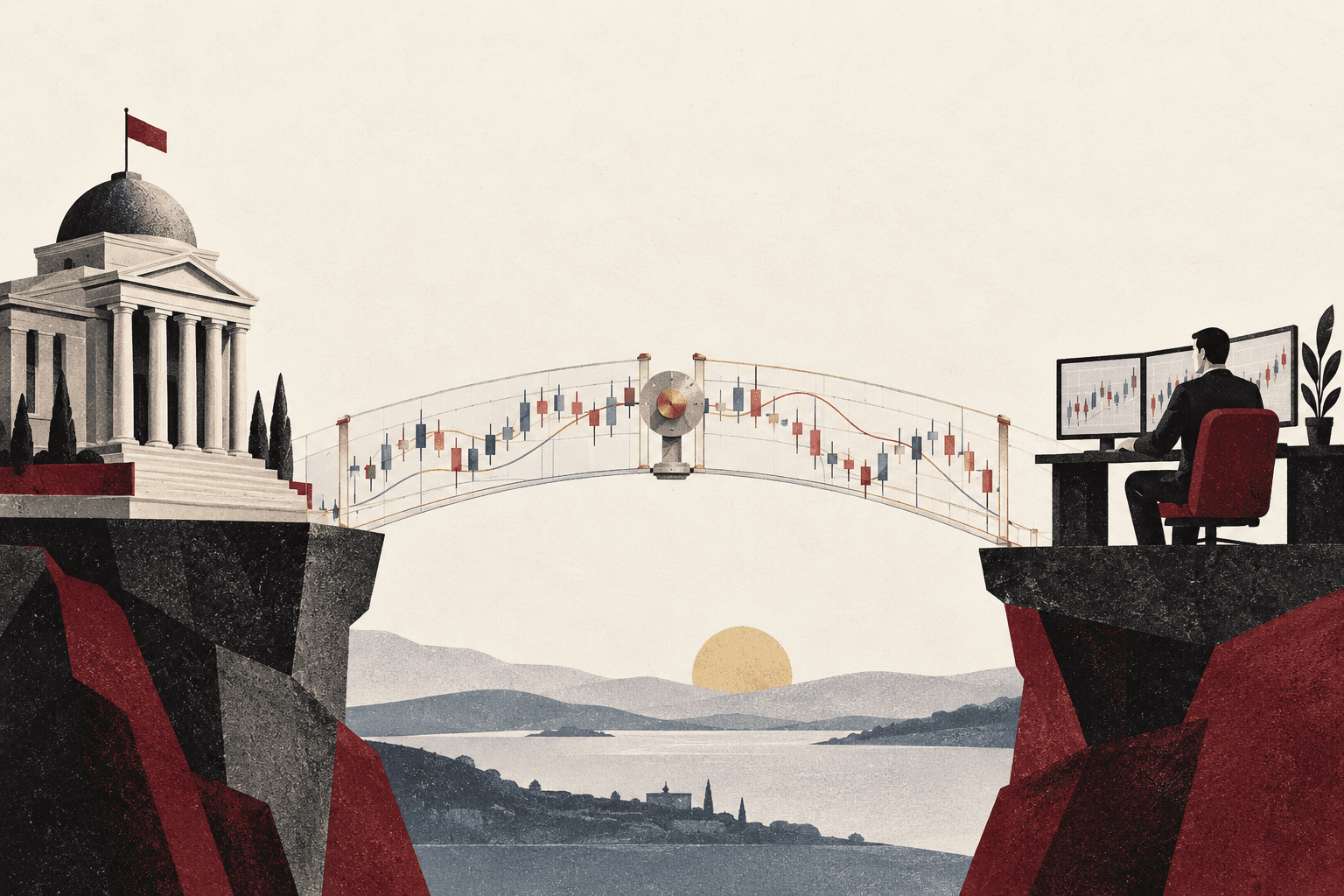
Traditionally, provenance documented an asset's history. Today, the conversation extends further. Provenance is no longer only a record of where an asset has been. It is increasingly part of the evidence explaining why the asset and the transaction surrounding it can be trusted.
That does not mean provenance and compliance are the same discipline. Provenance is concerned primarily with the object's origin and ownership history. Compliance examines the parties, money, structures and risks involved in a transaction. The two records now meet more often because an incomplete ownership story can make it harder to understand who is selling, who ultimately benefits and whether the transfer makes sense.
Questions surrounding beneficial ownership, source of wealth, source of funds, sanctions and governance have therefore become part of the wider story surrounding many significant assets. Rather than replacing traditional provenance, modern governance broadens the file.
This is the same shift explored in our analysis of why the art market became compliance's last blind spot. The scrutiny that has long applied to banks is moving closer to galleries, dealers, auction houses and the advisers who sit between private clients and valuable assets.
Why the Art Market Attracts Scrutiny
Art is portable, internationally traded and capable of storing substantial value in a single object. Transactions can involve intermediaries, private companies, trusts and parties who value discretion. Those features serve many legitimate purposes, but they can also make the true buyer, seller or source of funds difficult to identify.
In 2023, the Financial Action Task Force published a detailed examination of money laundering and terrorist financing risks in art and antiquities. It emphasised that most participants have no connection to illicit activity while documenting vulnerabilities created by privacy, intermediaries and gaps in risk awareness.
Requirements vary by jurisdiction. In the United Kingdom, businesses trading or intermediating qualifying art transactions must register for money laundering supervision when the transaction or linked transactions meet the applicable threshold. Customer due diligence can include identifying the customer and beneficial owner and understanding the source and origin of funds.
Sanctions add another layer. The United Kingdom's sanctions guidance for high value dealers and art market participants addresses due diligence, ownership and control, reporting and licensing. For an international collector, this means the transaction file can matter long after the excitement of acquisition has passed.
What Family Offices Should Preserve
For family offices, this evolution reflects stewardship rather than regulation alone. Their role has never been limited to preserving assets. It includes preserving confidence in those assets.
Whether advising on collections of art, watches, property, yachts or other alternative investments, the objective remains consistent: every significant decision should be capable of being understood, evidenced and explained years into the future.
This matters because knowledge is often more fragile than the object. One family member knows why a work was acquired. One adviser remembers the intermediary. One assistant holds the invoice. One storage provider has the condition report. When those people leave, the asset remains but its institutional memory begins to disappear.
A family office that thinks independently rather than following consensus should apply the same discipline to records. Documentation should survive changes in personnel, advisers, trustees and generations.
The Archive Is Part of the Asset
The documentation surrounding an asset can become almost as valuable as the object itself. It supports authentication, insurance, lending, museum loans, succession planning, philanthropy and any eventual sale. More importantly, it helps prevent the next generation from inheriting an asset it cannot explain.
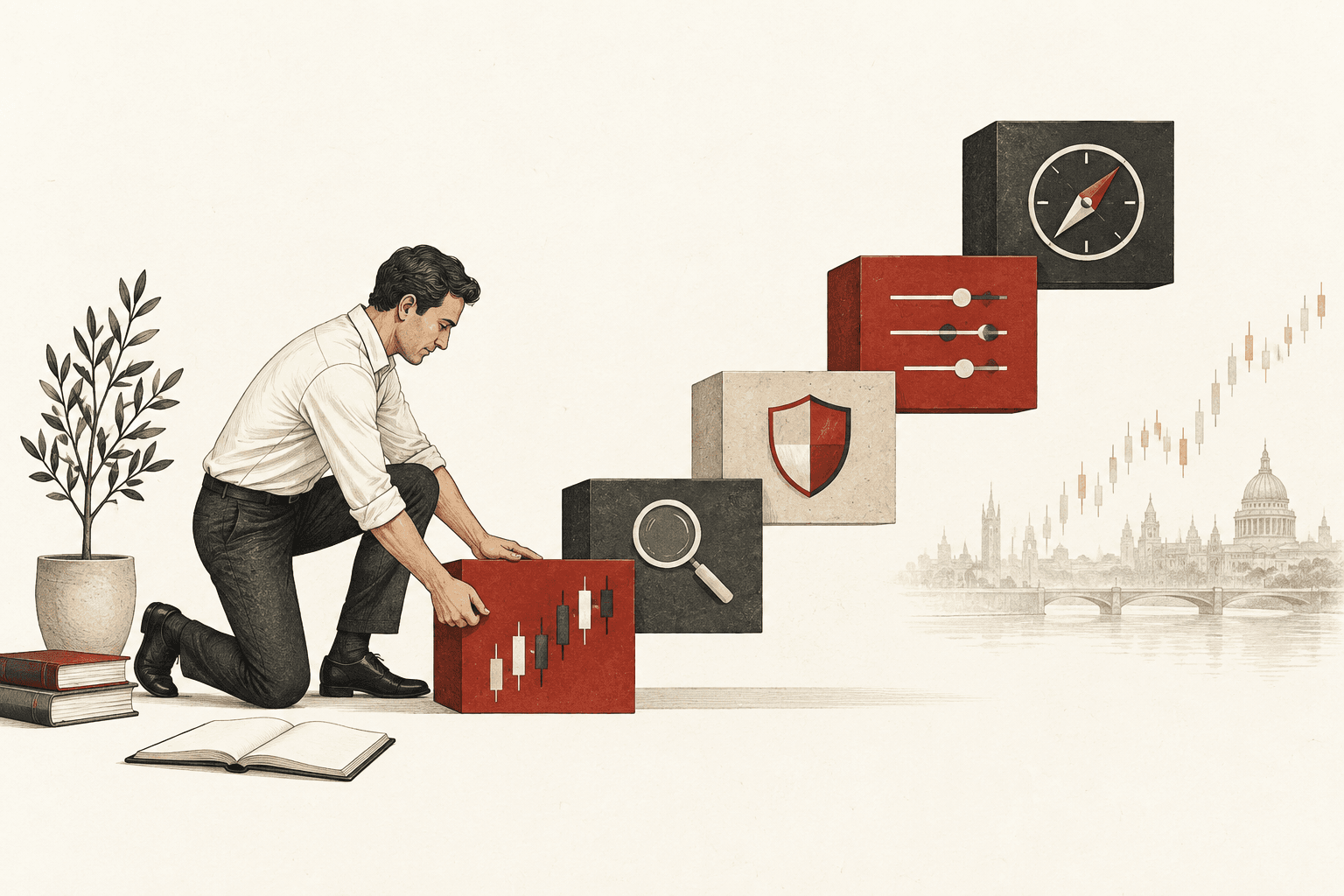
The strongest archive brings together two narratives. The first concerns the object: maker, date, authenticity, prior owners, exhibitions, publications, restoration, service and condition. The second concerns the transaction: seller, buyer, beneficial owner, advisers, contracts, payment trail, tax and customs records, sanctions checks and the approvals that supported the decision.
Not every asset requires every document, and privacy law limits how personal information should be retained and shared. The correct file is proportionate to the asset, jurisdiction, transaction and risk. What matters is that the family can locate the evidence when it is needed.
Governance Does Not Remove Romance
One of the greatest misconceptions I encounter is that governance diminishes the romance of collecting. I have never believed that.
Serious collectors have always valued original papers, auction catalogues, restoration records, service histories and carefully maintained archives because they understand that documentation strengthens confidence. Compliance asks us to apply similar thinking beyond the object itself. The question is no longer only whether an asset is authentic. It is whether its ownership journey and acquisition can be understood with equal confidence.
Perhaps that is why I have never viewed provenance and governance as opposing ideas. One emerged from auction houses, collectors and historians. The other developed through regulators, financial institutions and professional advisers. Yet both are trying to answer closely related questions. Can this story be trusted? Can it be evidenced? Will it remain intelligible when the people involved today are no longer present?
The rise of governance across collecting is already visible in the secondary watch market, where questions about ownership, servicing, payment and authenticity increasingly travel together.
A Practical Provenance File
A useful file begins at acquisition rather than years later. It should preserve the purchase agreement and invoice, payment evidence, identity of the contracting parties, known beneficial ownership information, authenticity material, export or import documents, condition reports, insurance valuations, photographs and correspondence that explains unusual features of the transaction.
During ownership, the file should be updated with restoration, servicing, storage, loans, exhibitions, transport, damage and changes in legal ownership. When an asset moves into a trust, company or succession structure, the record should explain both the transfer and the authority behind it.
Access must be controlled. A family does not protect privacy by losing records, nor does it create sound governance by allowing every adviser to see everything. The archive should have defined custodians, secure storage, appropriate retention periods and a clear process for access when due diligence is required.
Exceptional assets have always been accompanied by exceptional stories. Increasingly, those stories are expected to be supported by equally exceptional documentation. The greatest luxury in private wealth is not simply owning extraordinary assets. It is ensuring that decades from now their story remains every bit as credible as the objects themselves.
Last reviewed September 2026. This article is general analysis and does not constitute legal, regulatory, tax or investment advice. Requirements vary by jurisdiction and transaction.

Mitzi Danielson-Kaslik
Mitzi Danielson-Kaslik is a governance, risk, and compliance consultant specialising in financial crime, operational resilience, and organisational risk culture. She is the recipient of an Outstanding Achievement Award in AML and currently serves as Chair of the IoD Isle of Man Emerging Leaders group. Her work focuses particularly on the intersection between governance, human behaviour, and decision-making under pressure, with a strong interest in how modern institutions manage ambiguity, scrutiny, and trust. Alongside her consultancy work, Mitzi writes and speaks on private wealth, leadership, systems thinking, and the invisible operational structures that underpin high-performing organisations. Her writing combines regulatory and governance insight with a broader perspective on credibility, resilience, and institutional behaviour in increasingly transparent environments.