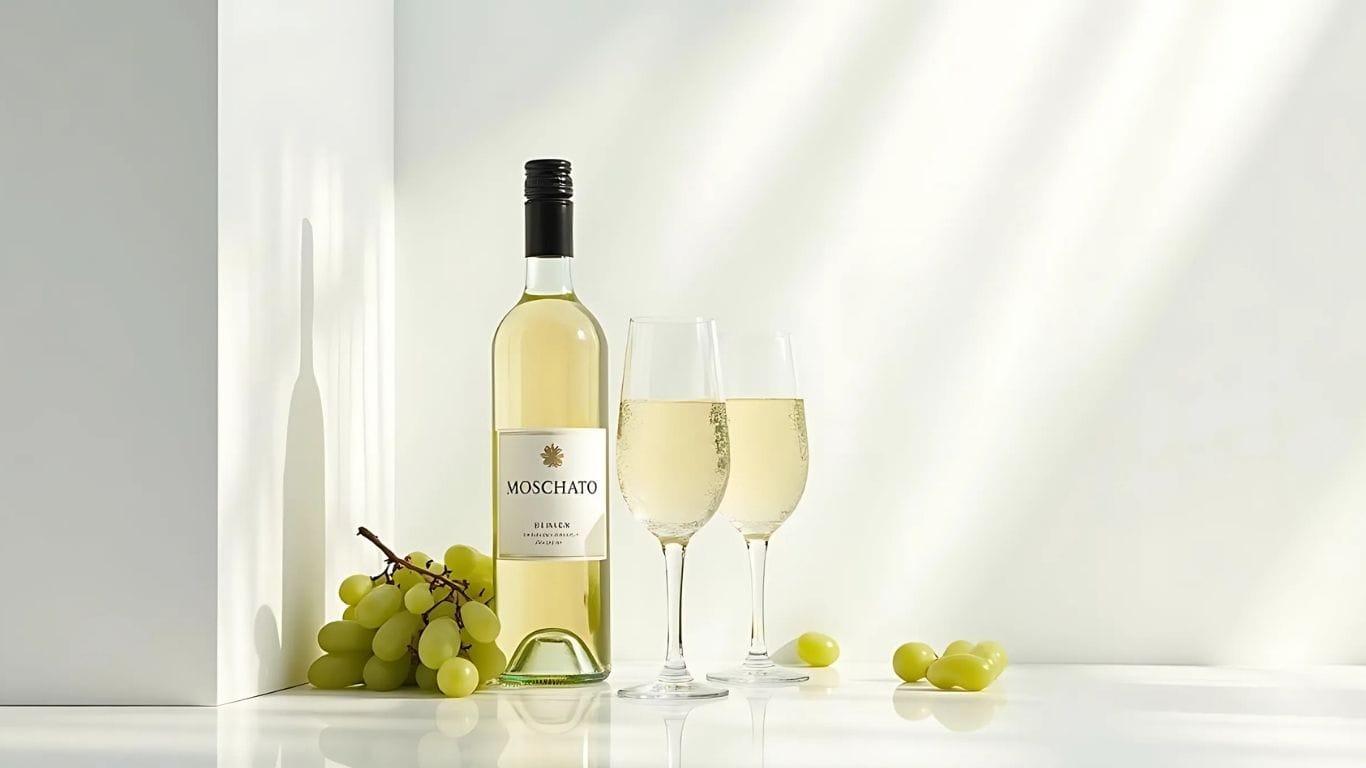
Moschato (Moscato, Muscat, Muscat à Petits Grains, Muscat of Alexandria, depending on regional naming and biotype) is one of the oldest grape families in cultivated viticulture, with growing depth in serious international collecting.
- Moschato is the Greek name for the broader Muscat family, one of the oldest grape families in cultivated viticulture with two millennia of Mediterranean tradition.
- The apex Greek expressions, particularly the Vinsanto-style Moschato of Samos, anchor the small but credible Greek collectible category.
- Italian Moscato d'Asti and French Muscat de Beaumes-de-Venise sit alongside the Greek tradition as the broader international Muscat collecting categories.
- The collecting case for Moschato is structurally narrower than for canonical international varieties, with specialist depth rewarding committed buyers.
- Patras Mavrodaphne-tradition wines made from Moschato grapes have built modest international collector interest at the apex producer tier.
- For collectors Moschato represents selective regional depth rather than a spine cellar position, with the case resting on the Greek and broader Mediterranean tradition.
- Who is this for?
- Cellar builders interested in Mediterranean depth, and Greek-wine collectors evaluating the structural Moschato apex tier alongside the broader category.
- What is happening?
- We work through Moschato as a serious collecting category, with the Greek, Italian, and French expressions that anchor the broader Muscat family.
- When did this emerge?
- The piece reads the contemporary post-2020 market, with the modern Greek wine renaissance and the broader international Muscat collecting landscape as live context.
- Where is this happening?
- Samos, Patras, and broader Greece for the Moschato tradition, plus Asti in Piedmont and Beaumes-de-Venise in the Rhone for the broader Muscat family.
- Why does it matter?
- Moschato adds Mediterranean and Greek cultural depth that the canon cannot provide, and understanding it correctly matters for collectors building selective regional breadth.
The Greek expressions, particularly the Vinsanto-style Moschato of Samos and the apex Patras Mavrodaphne-tradition wines made from Moschato, have built a small but credible collecting category alongside the more widely known Italian Moscato d'Asti and French Muscat de Beaumes-de-Venise.
The collecting case for Moschato is structurally narrower than for the canonical international varieties. The category rewards specialist depth and rewards collectors who track the Greek and broader Mediterranean Muscat tradition seriously.
This is our editor's field guide to Moschato as a serious collecting category.
What Moschato actually is
Moschato is the Greek name for the broader Muscat family, which includes Muscat à Petits Grains (also called Muscat Blanc), Muscat of Alexandria, and a number of regional biotypes. The Muscat family is one of the oldest cultivated grape families in viticulture, with documented presence in Mediterranean wine traditions across more than two millennia.
The grape produces characteristically aromatic wines with floral and citrus character. The wines can be made dry, off-dry, sweet, fortified, or sparkling depending on the regional tradition and the producer's choices.
The structural collecting interest concentrates in the sweet and fortified expressions, where the grape's aromatic concentration and natural sugar levels support meaningful long-term ageing.
Moschato of Samos: the canonical Greek reference
Samos, the Aegean island, anchors the Greek Moschato collecting category. The wines are produced by the cooperative-led EOSS (Union of Samos Winegrowing Cooperatives), with the Nectar (a passito-style sweet wine) and the Anthemis (a fortified Vin Doux Naturel) sitting at the apex of the production lineup.
The Nectar specifically has built credible long-term ageing performance. Bottles from the 1970s and 1980s released through the EOSS library programme have shown structurally impressive complexity at 40-plus years. The wines are made from Muscat Blanc à Petits Grains grown on terraced hillside vineyards at elevations up to 800 metres.
Decanter and Vinous have both covered Samos in their broader Greek wine features over the past decade. The category's secondary-market activity remains narrow compared with the canonical sweet wine categories.
Patras and the Mavrodaphne tradition
The Patras wine region in the Peloponnese produces a small but credible collecting category around Mavrodaphne (a red grape) and Muscat (the white grape, made into the Muscat de Patras DOC). The named producers include Achaia Clauss and Cavino, with newer entrants like Tetramythos building credible critical attention.
The Mavrodaphne tradition uses fortification and oxidative ageing in a style comparable to Port and Madeira. The Muscat de Patras tradition produces sweet fortified wines from Muscat Blanc à Petits Grains grown on hillside vineyards at moderate elevations.
The category is structurally underdeveloped in international collecting cellars relative to its long-term ageing potential.
Italian Moscato d'Asti and the apex Asti tradition
Moscato d'Asti, the Piedmontese sparkling sweet wine made from Muscat à Petits Grains, is the most widely consumed Muscat expression internationally. The wines are typically made for early consumption rather than long-term cellaring, and the category does not enter serious collecting cellars at any meaningful scale.
The apex still and passito-style expressions from named Piedmontese producers (Bera, Saracco, Marenco) offer more structural collecting interest, though the category remains narrow.
The Sicilian Moscato di Pantelleria tradition, made from Muscat of Alexandria (locally called Zibibbo) on the island of Pantelleria, produces structurally interesting sweet wines that have earned credible critical attention from Decanter and Wine Spectator over the past two decades.
French Muscat traditions: Beaumes-de-Venise and Rivesaltes
The Rhône's Muscat de Beaumes-de-Venise tradition produces Vin Doux Naturel wines from Muscat à Petits Grains. Producers including Domaine de Durban, Domaine des Bernardins, and Château Pesquié anchor the category, and the wines age credibly across 20 to 30 years in great vintages.
The Roussillon's Muscat de Rivesaltes and Muscat de Saint-Jean-de-Minervois traditions produce comparable sweet fortified wines, with named producers including Domaine Cazes, Mas Amiel, and Domaine de la Rectorie carrying credible critical attention.
The Languedoc-Roussillon Muscat tradition is the structural French equivalent of the Greek Moschato of Samos, and the collecting categories share many structural variables.
What makes Moschato durable as a cellar holding
Three structural variables drive Moschato's ageing capacity in the apex expressions. First, natural sugar concentration. The grape can develop sugar levels (in passito drying or late-harvest contexts) that support long-term bottle development.
Second, oxidative or fortified ageing tradition. The wines that age longest in the Muscat family typically combine high sugar with deliberate exposure to oxidation during pre-bottling élevage, which builds the structural complexity that drives the long-term character.
Third, terroir-specific concentration. The Samos hillside vineyards, the Pantelleria volcanic soils, and the Beaumes-de-Venise limestone-and-clay sites all produce structurally concentrated fruit that supports the ageing curve.
Where Moschato sits in serious collecting cellars
The honest answer is that Moschato enters serious collecting cellars as a specialist category. Few international cellars allocate meaningfully to Moschato beyond a handful of Samos Nectar bottles or Beaumes-de-Venise releases.
The collecting case is real for collectors who enjoy the sweet wine category and who value the long-term ageing performance the apex Muscat expressions deliver. The collecting case is narrower than for Yquem and the Sauternes tradition, which deliver comparable ageing across a wider production base with deeper critical attention.
Our coverage of white wines that hold their value over decades sets useful comparative frame.
Critical pedigree and secondary-market depth
Moschato carries credible but narrower critical attention than the canonical sweet wine categories. Decanter, Vinous, and Jancis Robinson have all covered the named producers in regional features. The Wine Advocate's coverage of the Greek and broader Mediterranean Muscat traditions runs less deep than for the canonical French and German sweet wine categories.
The secondary-market activity is correspondingly thinner. Samos library releases occasionally clear meaningful prices through specialist Greek and broader European auction houses, but the volumes and frequency do not approach the structural depth of Sauternes, Tokaji, or German Auslese trockenbeerenauslese.
For collectors with specialist interest, the entry economics are favourable.
The emerging-regions dimension
The Moschato category illustrates the broader pattern our coverage of emerging wine regions worth a collector's attention describes. Categories that operate outside the canonical international collecting framework can offer structural value to collectors willing to do the research.
Our coverage of rare wine grapes drawing quiet collector attention sets useful additional context on where Moschato sits in the broader rare-grape collecting picture.
The category rewards specialist depth rather than broad allocation.
How to build Moschato depth
For collectors interested in Moschato as a serious collecting category, the practical entry route runs through four channels. First, Samos through the EOSS library programme and through specialist Greek wine merchants. Second, Beaumes-de-Venise through named-merchant access to Domaine de Durban and Domaine des Bernardins.
Third, Pantelleria through the apex producers (Donnafugata's Ben Ryé is the canonical reference). Fourth, the broader Languedoc-Roussillon Muscat tradition through Domaine Cazes and Mas Amiel.
The Italian Moscato d'Asti category enters as an early-drinking complement rather than a collecting anchor.
What this means for collectors
Moschato is a serious collecting category for specialist collectors and a complement category for broader international cellars. The structural variables that drive the apex expressions (natural sugar concentration, oxidative or fortified ageing, terroir specificity) support the category's long-term cellaring case.
The collector building a serious cellar in 2026 should treat Moschato as a specialist category that rewards research and patience rather than a structural anchor of the broader white-wine collecting picture.
What we'll watch next
Three signals will tell us how the Moschato collecting category evolves. First, whether the Greek wine category as a whole earns deeper critical attention from the Wine Advocate or Vinous. Second, whether Pantelleria's Muscat tradition earns broader collector recognition.
Third, whether the structural ageing performance of apex Muscat expressions builds the secondary-market depth comparable to other established sweet wine categories.
The category will not look identical in ten years. The collectors who start tracking now will be the ones positioned to recognize the structural moves when they happen.
We last reviewed this analysis in May 2026.