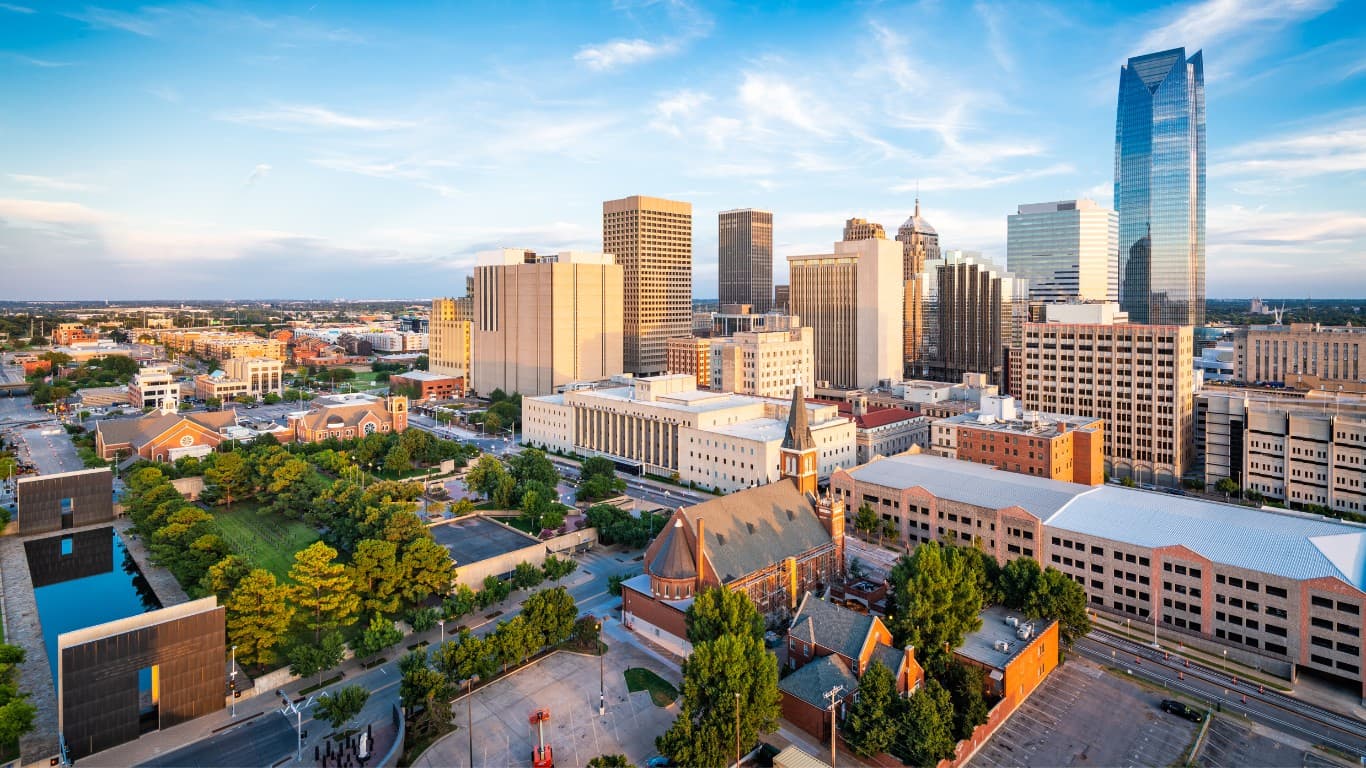
The Oklahoma City real estate market in 2026 is pulling in serious attention from buyers, long-term holders and developers. The metro delivers a blend of affordability, economic diversification and steady population growth that makes it a genuine standout across the broader US property cycle. Home prices sit well below national averages, and rental clearances continue to outperform what we see in most other urban markets.
Unlike the coastal markets that have absorbed the heaviest rate-driven volatility, Oklahoma City has not gone through the same swings in home values. The market has shown remarkable consistency over the last 12 months. The metro also benefits from a diversified job base spanning energy, aerospace, healthcare, logistics and tech, which keeps drawing skilled workers year after year per the Federal Reserve Bank of Kansas City's regional outlook.
The Oklahoma City real estate market today
As of Q1 2026, the Oklahoma City real estate market is holding steady, bolstered by affordability, population growth and a balanced regional economy. Home prices have kept climbing at a sustainable pace, supported by local buyers, inbound migration from Texas and California, and relatively low barriers to entry compared to other metros. If you are looking for a real estate market built for long-term holding, Oklahoma City is worth your attention.
The median listing price in Oklahoma City currently stands at $235,000, a 2. 3 percent year-on-year increase. The median sold price sits at approximately $229,000, meaning transactions are generally aligning with asking values.
That limited gap tells you this is a well-balanced market where neither buyers nor sellers hold dominant negotiating power.

Inventory stays stable, with 4,621 active listings and 1,975 new listings entering the market at the end of Q1 2026. Homes are selling at a healthy pace, averaging 35 days on the market. About 27.
2 percent of homes are selling above listing price, which gives you a clear read on competition in desirable neighborhoods.
The median price per square foot across Oklahoma City sits at $147, offering real affordability relative to national averages. That figure does shift by location: Nichols Hills and Edmond command higher premiums; Del City and Midwest City stay attractive to first-time buyers and long-term holders looking for strong entry points.
- Median home prices up 2.3 percent YoY
- Balanced inventory with stable listing volume
- Homes selling in approximately 35 days on average
- 27 percent of homes selling above list price
- Narrow gap between asking and sold prices
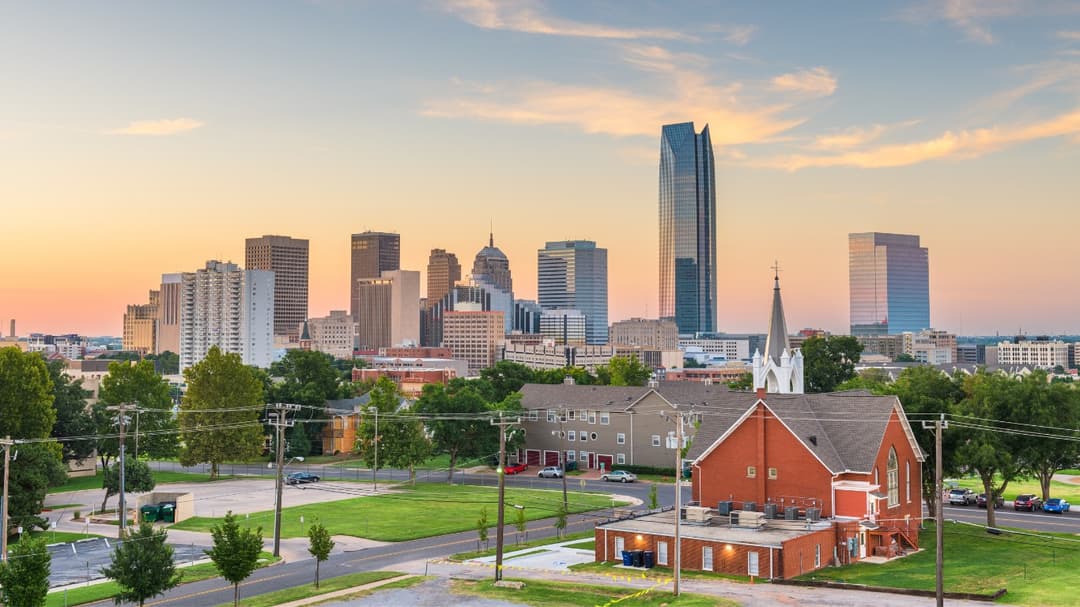
Oklahoma City neighborhoods defining 2026
Nichols Hills
Nichols Hills sits at the top of the city's prestige ladder, known for upscale homes, landscaped boulevards and proximity to luxury retail and golf clubs. The median home price here is approximately $1. 05 million, up 4.
8 percent year on year. Properties attract both high-net-worth individuals and family offices, with homes often receiving multiple offers and spending fewer than 25 days on the market.
Edmond
Edmond offers a suburban setting with highly rated public schools and family-friendly amenities. The median home price runs around $390,000, up 3. 7 percent year on year.
Homes in Edmond typically sell within 30 to 35 days, with inventory staying competitive thanks to strong buyer demand for gated communities and newer developments.
Downtown Oklahoma City
Downtown is in the middle of a rapid transformation, with new developments, condos and a growing entertainment district reshaping the area. The median home price sits around $325,000, up 2. 9 percent year on year.
Demand stays stable and properties sell within 40 days on average.
The Village
Known for its mid-century homes and walkable streets, The Village has gained real traction. The median price runs approximately $235,000, up 2. 6 percent from the previous year.
Properties move fast, often within 25 to 30 days, with minimal discounting from list prices.
Moore
Moore is a high-demand suburb with growing population inflows and strong school ratings. The median home price sits around $260,000, reflecting a 3. 1 percent year-on-year increase.
Moore benefits from steady new construction and solid resale activity, with average days on market at 32.
The Oklahoma City rental market
The Oklahoma City rental market in 2026 ranks among the most affordable and accessible of any major US metropolitan area. Strong population growth and housing affordability pressures are fuelling steady gains in rental demand. As of Q1 2026, average rent prices break down as follows:
- Studio apartments: approximately $840 per month
- One-bedroom apartments: around $960 per month
- Two-bedroom apartments: about $1,190 per month
- Three-bedroom apartments: approximately $1,520 per month

That works out to an average rent increase of 2.6 percent year on year, reflecting stable but growing pressure in the rental sector. Rental affordability stays a powerful draw for new residents arriving from pricier markets like Dallas and Denver.
Rent by Oklahoma City neighborhood
- Downtown Oklahoma City: one-bedrooms average $1,350 per month
- Midtown: one-bedrooms around $1,200 per month
- Edmond: two-bedrooms typically $1,400 per month
- The Village: one-bedrooms average $1,050 per month
- Norman: studios near the University of Oklahoma rent for about $900 per month
Vacancy rates
The current rental vacancy rate in Oklahoma City sits at approximately 5. 2 percent, down slightly from 5. 7 percent the year before.
That decline points to an increasingly competitive rental environment. Limited construction in the affordable segment has pushed this trend along, as has the rise in home prices that is preventing many renters from making the jump to ownership.
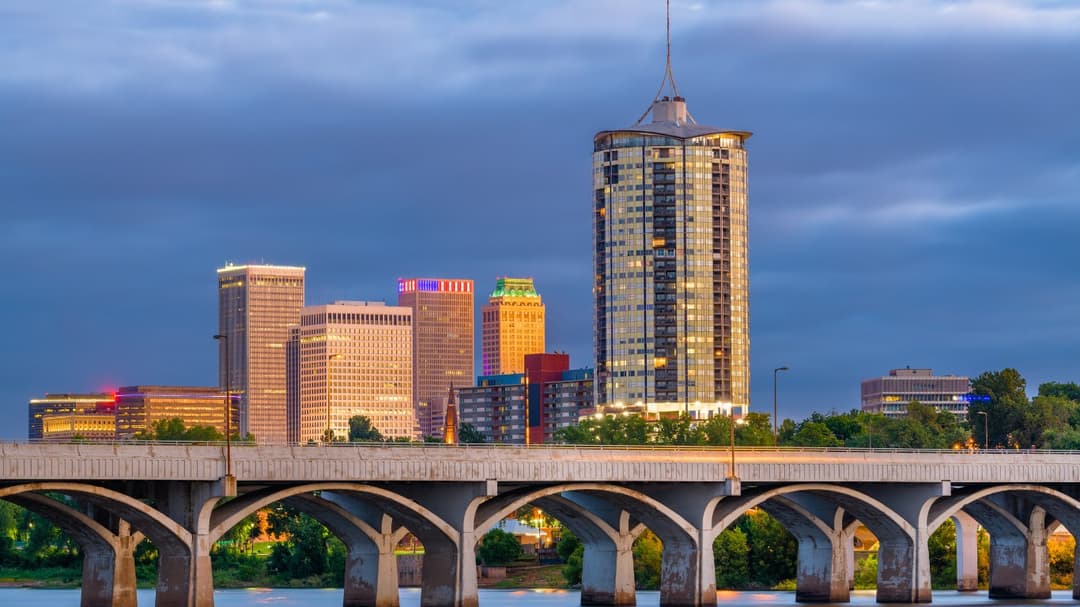
What is shaping the Oklahoma City housing market in 2026
- Mortgage rates: rates continue to range between 6.6 and 7.1 percent, affecting affordability and reducing qualified buyers. Existing homeowners are also reluctant to list and trade onto higher rates, tightening supply.
- Inventory constraints: as of Q1 2026, Oklahoma City recorded approximately 2,560 active listings in the entry-level tier. New construction has focused heavily on mid- to high-end developments.
- Inbound migration: Oklahoma City continues to attract residents from California, Colorado and Texas due to affordability and a growing employment base.
- Limited new housing: developers face rising material costs, labour shortages and zoning delays. Most new projects are concentrated in suburban fringe areas.
- Rental market spillover: strong rental demand is influencing purchase behaviour, although the cost barrier remains high for many first-time buyers.
- Job market growth: low unemployment around 3.2 percent and consistent job creation in aerospace, energy and logistics support healthy demand.
- Long-term holder participation: institutional and local buyers remain active in suburban areas like Yukon and Moore, attracted by favourable cap rates.
Oklahoma City housing market forecast for 2026
Looking at 2026, the Oklahoma City housing market is expected to stay relatively stable, with modest price growth and continued demand driven by affordability, migration patterns and employment expansion. Home prices are projected to rise by 2. 5 to 3.
5 percent over the next 12 months. With the current median home price at approximately $235,000, that growth would push average values to between $246,250 and $248,750 by early 2027.
Inventory levels are expected to stay tight, especially for homes priced below $300,000. Rental demand will likely stay elevated, with average rents expected to grow by 2. 8 to 3.
2 percent year on year. Redfin's housing market tracker has highlighted similar rental supply constraints playing out in comparable mid-tier markets. Submarkets like The Village, Midwest City and Capitol Hill are projected to attract the most attention.
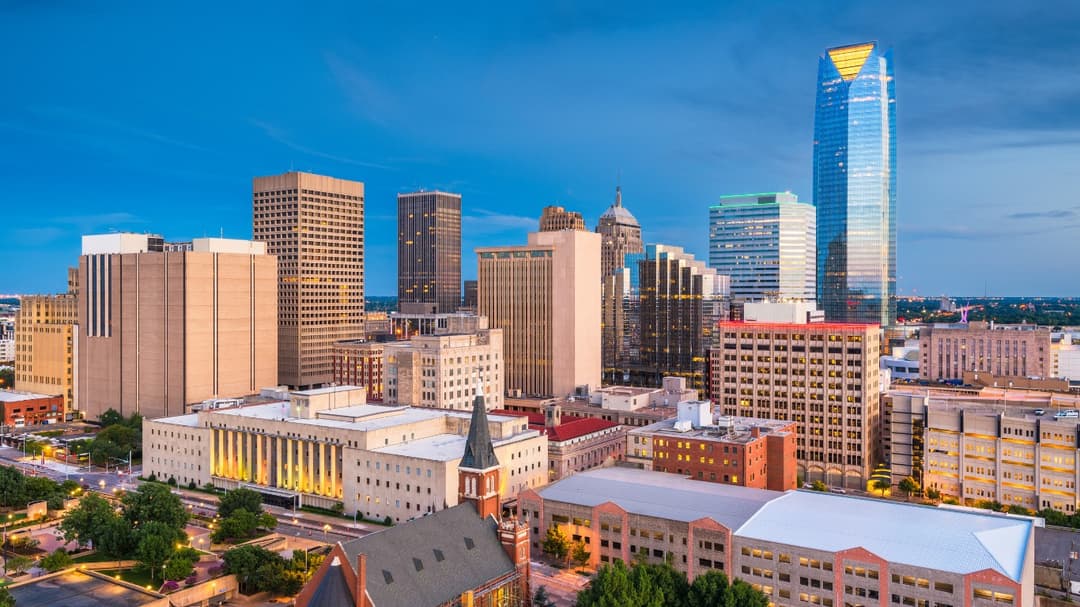
Is it worth buying property in Oklahoma City?
Yes. Purchasing property in Oklahoma City in 2026 makes strategic sense for both homebuyers and long-term holders. The market delivers a favourable combination of affordability, stable returns and long-term growth potential that is hard to find elsewhere right now.
Affordability is the core strength. The median home price in Oklahoma City sits at around $250,000, well below national and regional averages. To understand how to protect the value of what you buy, it pays to do your homework before committing.
Home prices are projected to rise by 3 to 4 percent in 2026, supported by limited inventory and sustained migration. Mansion Global has consistently flagged mid-tier US markets like Oklahoma City as among the most attractive for value-focused buyers in this rate environment.
Rental demand stays strong, with vacancy rates averaging below 5. 2 percent. Low property taxes and reasonable maintenance costs add further strength.
If you are comparing this against other markets, the Memphis housing market offers an interesting point of comparison for similar affordability-driven dynamics. The Financial Times has noted that secondary US markets with diversified economies are increasingly drawing capital away from overheated coastal cities.
What this means for buyers
For buyers seeking an affordable entry point with long-term appreciation and income stability, Oklahoma City stands out as one of the most balanced and resilient housing markets heading into the back half of 2026. The diversified employment base, the favourable property-tax environment and the steady migration story all point in the same direction. We last reviewed this analysis in May 2026.
Frequently asked
Are Oklahoma City home prices expected to rise in 2026?
Yes, prices are projected to increase by 3 to 4 percent over the next year, driven by inbound migration from Texas and California, limited inventory and steady population growth.
Is Oklahoma City a good market for long-term real estate holders?
The metro offers strong rental clearances, affordable acquisition prices, low taxes and a landlord-friendly legal environment, making it attractive for long-term holders.
What are the best neighborhoods to buy property in Oklahoma City?
Top neighborhoods include Nichols Hills, The Village, Mesta Park and Edmond, which are seeing strong appreciation, good rental activity and ongoing development.
Are property taxes high in Oklahoma City?
No, Oklahoma has relatively low property tax rates compared to national averages, helping improve overall affordability and long-term holding returns.
Is it better to buy or rent in Oklahoma City right now?
Buying remains favourable for those looking to build equity and benefit from appreciation. Renting is still viable, but with rising rents, ownership can provide better long-term value.


Savvas Agathangelou
Savvas Agathangelou co-founded The Luxury Playbook and has spent years reporting from the prime postcodes the magazine covers — Mayfair, Knightsbridge, the Athens Riviera, Dubai's Palm crescents, and the southern Mediterranean coastlines where the world's wealthy keep coming back. His background is in international hospitality, and that frame shapes how he writes about property: the developer's choices, the architect's signature, the agency's bench of named brokers, the building's service standard once the buyer moves in. He files developer spotlights, agency profiles, and the seasonal "Properties That Defined" listicles, and he hosts the magazine's founder-and-leadership interviews on the Voices side.