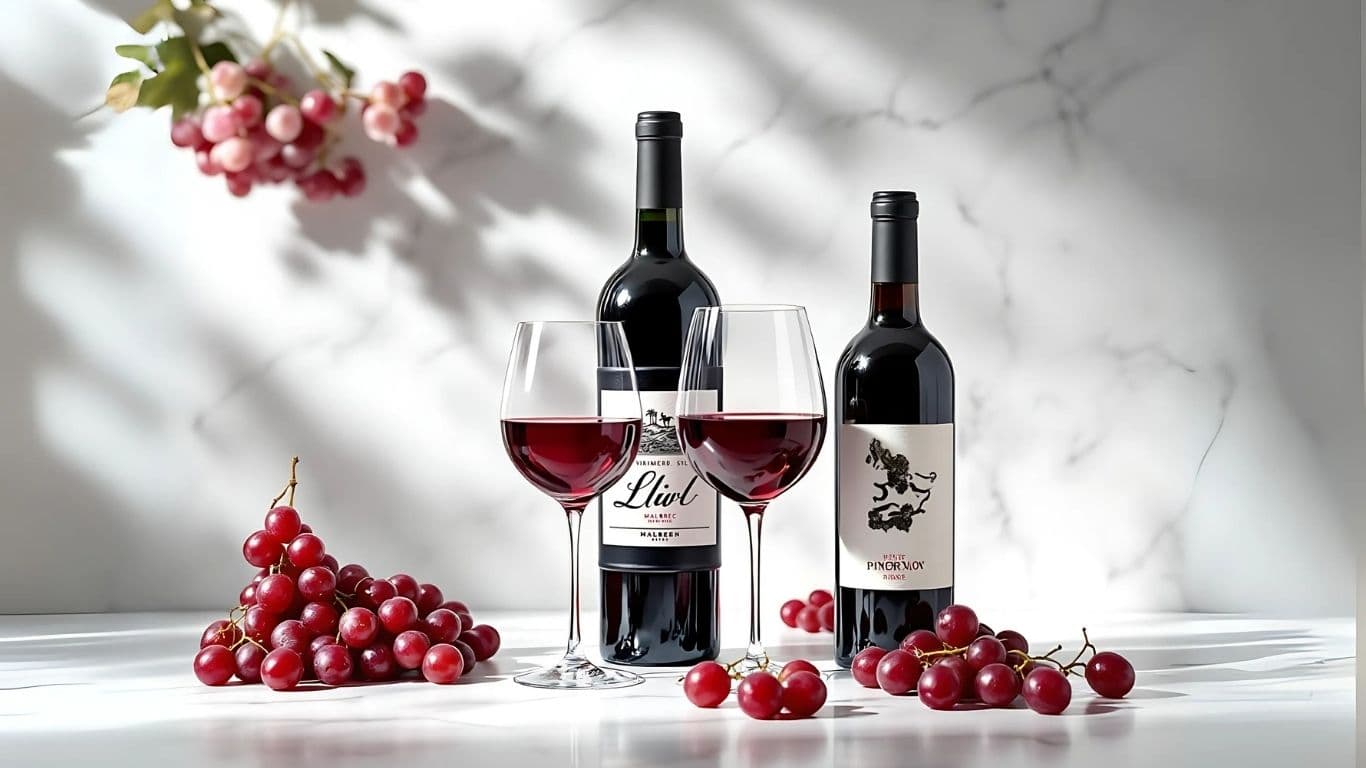
When it comes to red wine, both Pinot Noir and Malbec bring something genuinely compelling to the table. Unique profiles, rich histories, and real investment upside.

Each has earned a devoted following, and their respective markets have grown considerably over the years. That growth is not slowing down.

Pinot Noir carries an aura of elegance and complexity, rooted in centuries of tradition in regions like Burgundy. Malbec goes in a different direction entirely, offering bold flavors and accessible pricing, with a powerful footprint in Argentina and fast-growing emerging markets.

If you are serious about wine investing, understanding the nuances between these two varietals is what separates a smart allocation from a missed opportunity in 2026.

This guide takes you deep into the differences between Pinot Noir and Malbec, covering their regions, grape characteristics, pricing, and historical ROI so you have everything you need to make a sharp decision.

Whether you are a seasoned collector or an investor looking to diversify beyond traditional assets, what follows gives you the actionable insight to figure out which varietal genuinely fits your goals. You can also explore OENO Group’s wine investment approach for a broader sense of how professionals structure these plays.

Pinot Noir vs Malbec: Regions & Terroir

Where a grape grows shapes everything about the wine it becomes. For Pinot Noir and Malbec, the regions and terroir behind each bottle are fundamental to understanding what you are actually buying.

Both varieties thrive in very different climates, and those conditions produce wines with strikingly different profiles.

Getting a grip on where these grapes are cultivated gives you a sharper read on wine quality, growing conditions, and the real potential for ROI.

Pinot Noir: Regions & Terroir

Pinot Noir is one of the most difficult grapes on the planet to grow. It demands very specific conditions to hit its potential, favouring cooler climates where it can build complexity without tipping into excessive ripeness or heavy tannins.

The most celebrated home for Pinot Noir is Burgundy, France, where the grape has been cultivated for centuries and where the finest bottles in the world are still produced today.

Burgundy’s soils, a combination of clay-limestone and kimmeridgian marl, paired with a cool continental climate, create near-perfect conditions for this delicate variety to express itself fully.

Beyond Burgundy, other regions worth knowing for Pinot Noir include the following standouts.

  • Oregon (particularly the Willamette Valley), which has gained a reputation for producing high-quality Pinot Noir with similar characteristics to those of Burgundy, including red fruit notes and earthy undertones.

  • California, where regions like Sonoma Coast and Russian River Valley have become synonymous with producing Pinot Noir that is fruit-forward but still retains the elegance of its French counterparts.

  • New Zealand, especially in Central Otago and Marlborough, which is quickly becoming known for its vibrant and fresh Pinot Noir, often with a distinct herbal character.

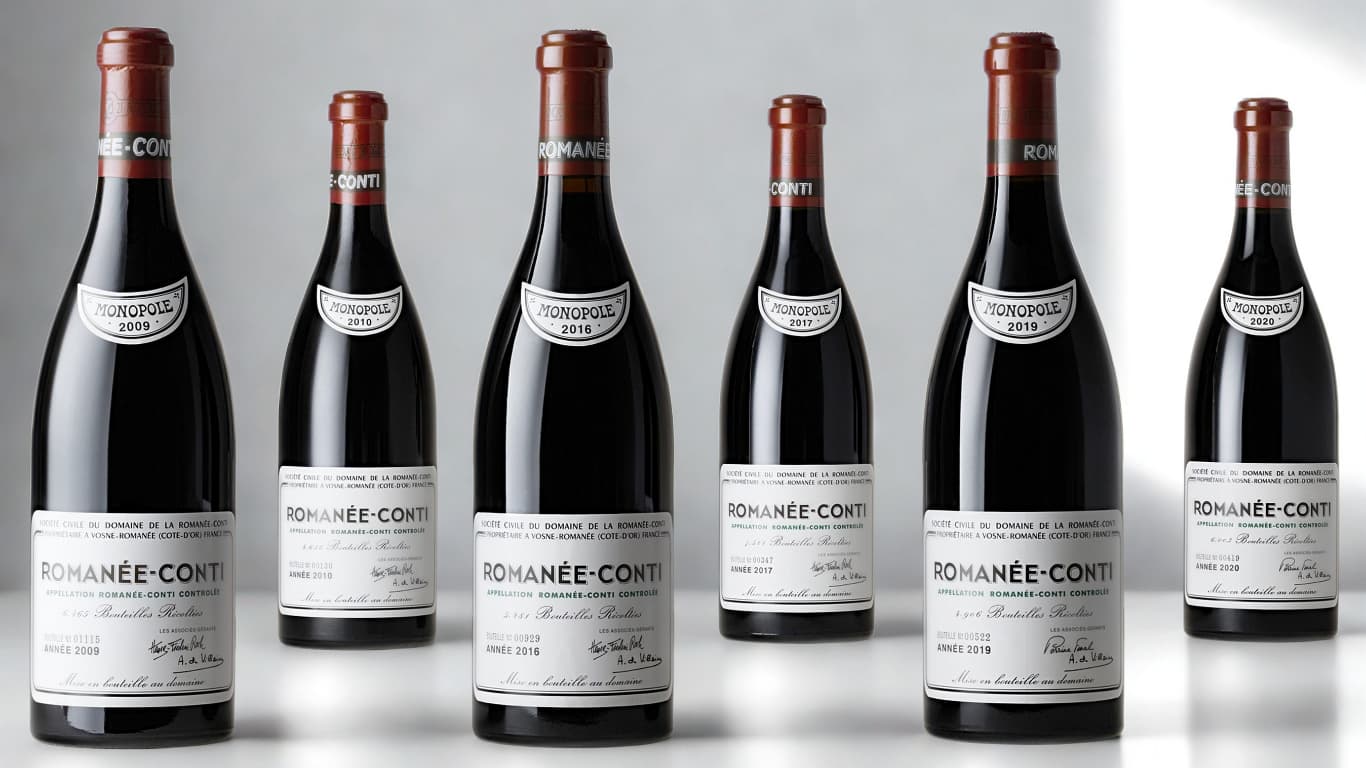
These regions, with Burgundy firmly at the top, set the global standard for Pinot Noir production. That standard drives demand and keeps prices moving upward, especially for wines from elite producers like Domaine de la Romanée-Conti and Domaine Leflaive. For a deeper look at how the regional hierarchy works, the Burgundy classification system is essential reading.

Malbec: Regions & Terroir

Malbec takes a completely different path. It thrives in warmer climates, where the grape can ripen fully and develop its signature boldness. Argentina is where Malbec found its true home, and the country has made the grape its flagship varietal.

The Mendoza region has become globally respected, with its high-altitude terroir sitting around 3,000 feet above sea level. Cooler nights and warmer days at that elevation preserve the wine’s acidity while amplifying those deep, rich flavors Malbec is famous for.

Beyond Argentina, Malbec is also cultivated in other notable regions worth tracking.

  • France, where it originally comes from, though the grape is less common today in Bordeaux and the Loire Valley, where it was once a mainstay.

  • Chile, where Malbec is gaining recognition, particularly in regions like Colchagua Valley and Maipo Valley, which have cooler climates that contribute to a fresher, more structured version of the varietal.

Argentina’s Malbec has seen explosive growth in both production volume and global popularity. Sunny days, cool nights, and ideal high-altitude conditions give the wine a distinctive balance of fruitiness and structure that consumers worldwide keep reaching for. Bloomberg’s fine wine coverage has tracked this category’s rise with increasing attention.

Pinot Noir’s deep ties to legendary regions like Burgundy lock in its value retention and often push it higher, particularly for top-tier estates where rare vintages command serious premiums.

Malbec, on the other hand, has positioned itself as the smart play for investors who want quality at an accessible entry point, with genuine room for long-term appreciation.

As demand keeps climbing, especially across emerging markets around the world, Malbec offers real ROI potential, as the data below makes clear.


Pinot Noir Vs Malbec Market Growth By Region (2025


Pinot Noir vs Malbec: Grape Characteristics

The grape itself tells you a lot about what you can expect from the wine in the glass and on the auction block. The distinct characteristics of Pinot Noir and Malbec shape their profiles, their adaptability in the vineyard, and ultimately their appeal to buyers.

If you want to evaluate ROI based on quality, scarcity, and consumer demand, understanding what makes these grapes tick is the right place to start.

Pinot Noir Grape Characteristics

Pinot Noir is one of the oldest grape varieties known to winemakers, and also one of the most genetically unstable. That instability is part of what makes it so difficult to master.

Its thin skin and tight clusters leave it exposed to rot, frost, and disease, demanding meticulous attention throughout the growing season. But that same delicacy is precisely what gives Pinot Noir its elegance and layered complexity.

  • Skin Thickness: Thin-skinned, contributing to its lighter color and lower tannin levels compared to most red wines.

  • Acidity: High acidity, which lends itself to a bright, refreshing profile and excellent aging potential.

  • Yield: Lower yields due to its sensitivity to environmental conditions, which increases scarcity and value, particularly for Burgundy Pinot Noir.

  • Ideal Climate: Cool to moderate climates where it can ripen slowly, preserving its signature flavors of red fruits like cherry, raspberry, and cranberry, often complemented by earthy or floral notes.

Think of Pinot Noir’s finicky nature as a built-in quality filter. Its high production costs and association with prestigious regions like Burgundy only deepen its allure for serious collectors.

Malbec Grape Characteristics

Malbec is a different story entirely. It is a robust grape with thicker skins and a natural resilience to many of the problems that make Pinot Noir so challenging.

That toughness makes it easier and far less expensive to grow, especially in the sun-drenched, high-altitude vineyards of Argentina.

  • Skin Thickness: Thick-skinned, resulting in dark, inky-colored wines with higher tannin levels.

  • Acidity: Medium acidity, balanced by bold, fruit-forward flavors.

  • Yield: Typically higher yields compared to Pinot Noir, making it a more cost-effective grape to cultivate while still delivering quality.

  • Ideal Climate: Thrives in warm, sunny climates, with high-altitude vineyards like those in Mendoza producing complex wines with balanced acidity and rich flavors of blackberry, plum, and cocoa.

Malbec’s adaptability and lower production costs give wineries the freedom to produce bold, accessible wines at scale without sacrificing character.

Its rich, distinctive profile draws a wide audience, and that broad appeal feeds its growing popularity and steady market performance.

Pinot Noir’s scarcity, driven by its low yields and demanding nature, keeps collector demand consistently high. Top-quality bottles from renowned Burgundy producers regularly fetch thousands of dollars each, with annual ROIs often exceeding 15 to 20% for rare vintages.

Malbec’s ease of production and accessible price point make it an ideal starting point for investors entering the wine market. Individual bottles may not reach Pinot Noir’s price ceiling, but Malbec opens the door to emerging markets and mass consumer appeal, with annual ROIs averaging 8 to 12% for premium Mendoza wines.

pinot noir vs malbec

Pinot Noir vs Malbec: Taste & Alcohol

The taste profiles and alcohol levels of Pinot Noir and Malbec reveal a lot about who buys them and why. And for investors, that translates directly into how consumer demand shapes each market.

Knowing these differences helps you read market trends more clearly and figure out which varietal speaks to the buyers you want to follow.

Pinot Noir: Taste & Alcohol

Pinot Noir is the wine people reach for when they want something elegant, delicate, and genuinely layered. Its lighter body and refined character have made it a firm favourite among collectors who prize sophistication over sheer power.

  • Flavor Profile: Pinot Noir is characterized by its red fruit flavors, including cherry, raspberry, and cranberry, often accompanied by floral and earthy undertones. With age, it develops secondary flavors such as truffle, forest floor, and dried herbs, adding to its allure.

  • Body: Light to medium-bodied, with soft tannins that provide a silky texture.

  • Acidity: High acidity balances its lighter structure, making it incredibly food-friendly and suitable for aging.

  • Alcohol Content: Typically ranges between 12.5% and 14%, depending on the region. Cooler climate Pinot Noir, such as that from Burgundy, tends to have lower alcohol levels, while warmer regions like California produce slightly higher-alcohol wines.

Pinot Noir’s nuanced flavors and moderate alcohol content appeal to a wide range of enthusiasts, especially those who value subtlety and complexity over boldness.

Its versatility across vintages and its well-documented aging potential are what keep it firmly in the sights of serious investors.

Malbec: Taste & Alcohol

Malbec goes the other direction. Bold, rich, and full-bodied, it delivers an intense, structured experience that resonates with drinkers who want to feel the wine.

  • Flavor Profile: Malbec is dominated by dark fruit flavors, such as blackberry, plum, and black cherry, often accompanied by hints of chocolate, coffee, and spice. High-altitude Malbecs from Mendoza may also exhibit floral notes, such as violet.

  • Body: Medium to full-bodied, with firm but approachable tannins.

  • Acidity: Moderate acidity, providing balance to its rich flavors and higher alcohol levels.

  • Alcohol Content: Generally ranges between 13.5% and 15%, with Argentine Malbecs often leaning toward the higher end due to the warm climate.

Its powerful flavor profile and higher alcohol content make it a natural companion for grilled meats and rich, hearty dishes. That pairing versatility has fuelled its rise in global markets and kept demand growing steadily.

Pinot Noir’s lighter, more refined profile makes it the go-to for collectors chasing high-end bottles, particularly from Burgundy. Its aging potential and association with fine dining push premium pricing upward, with exceptional ROI waiting for investors who get the timing right on rare vintages.

Malbec’s richness and approachability make it a natural fit for casual consumers and fast-growing markets. While it may not hit Pinot Noir’s price heights, its accessibility drives consistent demand and delivers reliable ROI for investors targeting the mid-tier segment.

pinot noir vs malbec 2025

Pinot Noir vs Malbec: Winemaking Methods

How a wine is made matters as much as where it comes from. The winemaking methods behind Pinot Noir and Malbec are shaped by the grapes themselves and the regions they come from.

Those production decisions directly influence the wine’s final profile, its quality ceiling, and what it can realistically command in the investment market. Understanding the production side gives you a more complete picture of each varietal’s return potential.

Pinot Noir Winemaking Methods

Crafting Pinot Noir is widely considered an art form. The grape’s sensitivity to everything from temperature to handling means winemakers spend enormous energy simply preserving the subtle, nuanced flavors that define the varietal.

  • Harvesting: Pinot Noir grapes are typically hand-harvested to prevent bruising, as the thin-skinned fruit is prone to damage. This careful approach adds to production costs but ensures high-quality wines.

  • Fermentation: Many producers opt for whole-cluster fermentation, where entire grape bunches, including stems, are used. This method enhances complexity and structure, adding earthy and spicy notes.

  • Aging: Pinot Noir is often aged in French oak barrels, which impart subtle flavors of vanilla, toast, and spice. High-quality Pinot Noir from Burgundy may age for 12-24 months in oak, further enhancing its elegance and depth.

  • Minimal Intervention: Winemakers often employ minimal intervention techniques to highlight the purity of the grape and its terroir, resulting in wines that are true expressions of their origin.

The labor-intensive production process, combined with notoriously low yields, is what drives Pinot Noir’s premium pricing.

For investors, that translates to a high-value asset with genuine scarcity backing it, especially for wines from regions like Burgundy.

Malbec Winemaking Methods

Malbec production is comparatively straightforward. The grape’s robustness and adaptability mean less can go wrong, and lower production costs allow winemakers to deliver bold, quality-driven wines at a competitive price.

  • Harvesting: Malbec grapes are often machine-harvested in larger vineyards, particularly in Argentina, where the climate allows for consistent ripening. Hand-harvesting is more common for premium Malbecs.

  • Fermentation: Malbec typically undergoes standard fermentation processes, with a focus on extracting its deep color and rich tannins. Some winemakers use techniques like cold soaking to enhance the wine’s fruit-forward characteristics.

  • Aging: Malbec is often aged in American oak barrels, which contribute bolder flavors of vanilla, coconut, and spice. High-quality Malbecs may age for 6-18 months, depending on the desired style.

  • Higher Yields: Malbec vines are capable of producing larger yields without sacrificing quality, making it a cost-effective varietal for wineries.

The result is a wine that is both approachable and consistent, appealing to a broad audience without requiring the same level of intensive intervention that Pinot Noir demands.

That combination of affordability and reliable quality is what has driven Malbec’s popularity surge, especially across emerging markets. Robb Report’s wine section has covered this shift in depth, noting how accessible premiums are reshaping collector behaviour.

Pinot Noir’s meticulous production and high associated costs are what create its exclusivity and justify its premium pricing. For investors who focus on prestigious producers like Domaine de la Romanée-Conti or Domaine Leroy, annual ROIs of 15 to 20% are well within reach.

Malbec’s more efficient production model keeps costs lower without sacrificing quality. For premium releases from Argentina’s top wineries, including Catena Zapata and Achaval Ferrer, investors can expect ROIs in the 8 to 12% range, with limited-edition bottles sitting at the high end of that window.

Pinot Noir vs Malbec: Appearance, Aromas, and Tasting Notes

The sensory experience of a wine, what it looks like in the glass, how it smells, and what it delivers on the palate, shapes consumer desire and, by extension, market value.

For Pinot Noir and Malbec, these sensory differences are dramatic enough to appeal to entirely different types of buyers, which matters when you are thinking about who will be bidding at auction.

Pinot Noir

Pinot Noir is celebrated for its delicate appearance and complex aromatic layers. Its pale ruby colour and translucency signal refinement before the glass even reaches your nose, and what follows in the aroma and palate rarely disappoints connoisseurs who seek subtlety.

  • Appearance: Pinot Noir typically has a light ruby color, reflecting its thin-skinned grapes and lower tannin levels. Over time, aged Pinot Noir develops a more brick-red hue, indicating its maturity and complexity.

  • Aromas: Pinot Noir is celebrated for its nuanced bouquet, which often includes red fruits like cherry, raspberry, and cranberry. Secondary aromas of earth, mushroom, and dried herbs develop with age, making it a wine that evolves beautifully over time.

  • Tasting Notes: On the palate, Pinot Noir is light to medium-bodied, with silky tannins and high acidity. Flavors of red fruits are complemented by earthy undertones and a touch of spice, creating a well-balanced and elegant wine.

That complexity, particularly in aged bottles from Burgundy, makes Pinot Noir highly collectible. Rare, well-cellared examples carry a sensory depth that keeps demand strong year after year.

And because Pinot Noir genuinely evolves in the bottle over time, seasoned investors know that patience tends to be rewarded.

Malbec

Malbec offers a striking contrast. Deep, inky purple in the glass, with bold aromas of dark fruit, chocolate, and spice, it makes an immediate impression. Its full-bodied palate caters to those who want intensity and richness from the very first sip.

  • Appearance: Malbec is known for its deep, inky purple color, a result of its thick skins and high levels of anthocyanins. This striking appearance is a hallmark of Malbec wines, particularly those from high-altitude regions in Argentina.

  • Aromas: Malbec delivers a vibrant aromatic profile, dominated by dark fruits such as blackberry, plum, and black cherry. Additional notes of violet, cocoa, and leather add depth and intrigue.

  • Tasting Notes: On the palate, Malbec is full-bodied, with firm tannins and moderate acidity. Its bold flavors of dark fruits are often enhanced by hints of chocolate, coffee, and spice, making it a rich and satisfying wine.

Malbec’s approachable profile and visual drama have built its global fanbase quickly, especially in markets where consumers favour bold, easy-drinking reds over restrained, cerebral styles.

Pinot Noir vs Malbec: Storage

Proper storage is not optional when you are treating wine as an investment. For both Pinot Noir and Malbec, how you store a bottle directly determines whether it gains value or loses it over time.

Each varietal has specific storage requirements tied to its structure, acidity, and tannin levels, all of which influence aging potential and what the bottle can ultimately command on the secondary market.

Pinot Noir Storage

Pinot Noir is a sensitive wine that rewards careful storage. Its high acidity and lower tannins make it vulnerable to temperature swings and humidity fluctuations, but those same qualities are also what give it remarkable aging potential, particularly from top Burgundy producers.

  • Optimal Storage Conditions: Pinot Noir should be stored at a consistent temperature of 50-55°F (10-13°C), with humidity levels around 65-75% to prevent cork drying.

  • Aging Potential: High-quality Pinot Noir from renowned producers can age gracefully for 10-20 years, with some exceptional Burgundy vintages lasting even longer. Over time, Pinot Noir develops complex secondary flavors of truffle, earth, and dried herbs, significantly increasing its value.

  • Vulnerability: Due to its lighter structure, Pinot Noir is more susceptible to spoilage if storage conditions are not ideal, making professional wine storage solutions a worthwhile investment.

Get the storage right, and the payoff can be substantial. Well-aged Pinot Noir in prime condition can fetch 10 to 20 times its original price on the secondary market, especially for rare vintages from elite estates.

Malbec

Malbec is more forgiving than Pinot Noir when it comes to storage, largely because its thicker skins and higher tannin content give it a natural resilience to minor fluctuations in cellar conditions.

That said, proper storage still makes a meaningful difference for unlocking Malbec’s full potential and protecting its value over the long term.

  • Optimal Storage Conditions: Malbec should be stored at similar temperatures of 50-55°F (10-13°C), with humidity levels maintained around 65-75%. Its darker color and tannin structure make it less vulnerable to minor temperature fluctuations compared to Pinot Noir.

  • Aging Potential: While Malbec is often enjoyed young, premium bottles from high-altitude vineyards in Mendoza can age for 8-15 years, developing layers of complexity with notes of leather, tobacco, and dried fruits.

  • Market Longevity: Malbec’s bold structure ensures that it remains appealing even after moderate aging, though it may not achieve the same level of secondary market premiums as well-aged Pinot Noir.

pinot noir vs malbec 2025 differences

Pinot Noir vs Malbec: Pricing

Price tells its own story when it comes to wine investment. For Pinot Noir and Malbec, their pricing reflects a combination of regional prestige, production complexity, and the raw pull of market demand.

As an investor, knowing where each varietal sits on the pricing spectrum, and understanding why, is critical before committing capital.

Pinot Noir

Pinot Noir sits among the most expensive wine varietals you can buy, especially when it comes from Burgundy. Land scarcity, strict appellation regulations, and the sheer difficulty of producing the wine all push costs upward.

The meticulous care required at every stage of Pinot Noir’s journey from vine to bottle is baked directly into its price.

  • Entry-Level Pricing: Affordable Pinot Noir from regions like Oregon or California starts at $25-50 per bottle.

  • Mid-Tier Pricing: Quality wines from Burgundy’s Côte de Beaune or New Zealand’s Central Otago are priced between $50-150 per bottle.

  • High-End Pricing: Premier Cru and Grand Cru wines from Burgundy, such as those from Domaine de la Romanée-Conti, regularly sell for $1,000-10,000 per bottle or more, with rare vintages fetching $50,000+ at auction.

The scarcity of top-tier Pinot Noir, combined with its proven aging potential, keeps collector demand consistently strong and supports its premium secondary market values.

Malbec

Malbec sits at the other end of the pricing spectrum, making it genuinely accessible for everyday consumers and investors just getting started. That accessibility is part of its appeal.

Large-scale production across Mendoza and other Argentine regions keeps pricing competitive without compromising on quality, which is a combination that draws buyers at every level.

  • Entry-Level Pricing: Basic Malbec wines can be found for as little as $10-15 per bottle, offering excellent value for casual consumers.

  • Mid-Tier Pricing: Premium Malbecs from high-altitude vineyards in Mendoza, such as Catena Zapata or Achaval Ferrer, are priced between $30-100 per bottle.

  • High-End Pricing: Iconic Malbecs, like Catena Zapata Adrianna Vineyard or limited-edition releases, can command prices of $150-300 per bottle. These wines are gaining recognition for their quality and investment potential.

Malbec’s accessibility and broad appeal are driving renewed interest in its premium tier as a serious investment category. The auction market reinforces this story. Pinot Noir from elite Burgundy estates like Domaine de la Romanée-Conti dominates fine wine auctions consistently, with individual bottles crossing the $50,000 mark at major sale houses.

Malbec, while far more accessible in price, has been gaining real traction in secondary markets, with top Mendoza wines showing meaningful appreciation over recent years.

Pinot noir vs malbec price trend in auctions

Pinot Noir vs Malbec: Historical ROI

Past performance gives you one of the clearest windows into where a wine investment might take you. The historical ROI data for both Pinot Noir and Malbec, shown in the graph below, makes a compelling case for both as assets in a diversified portfolio.

Pinot Noir Vs Malbec Historical ROI (2010-2025)

Looking at how each varietal has performed over time helps you build a smarter view of which one suits your financial goals heading into 2026.

Pinot Noir ROI

Pinot Noir has long held the status of a blue-chip investment within the wine world, particularly for Burgundy wines. Its scarcity, aging potential, and relentless collector demand have driven strong, consistent ROI across decades. You can compare how this stacks up against other white wine investments by looking at the Pinot Grigio vs Chardonnay investment breakdown.

  • Burgundy’s Performance: Over the last decade, Burgundy Pinot Noir has delivered an average annual ROI of 20-25%, with exceptional vintages fetching even higher returns. For example:

    • Domaine de la Romanée-Conti (DRC), one of the most prestigious producers, saw its 2005 vintage appreciate from $5,000 per bottle upon release to over $50,000 in 2024, representing a staggering 900% ROI over two decades.

    • The 2010 Domaine Leroy Musigny Grand Cru increased in value from $15,000 to over $100,000 in just 10 years, an annual growth rate of 25%.

  • California & Oregon Pinot Noir: While Burgundy dominates the market, high-quality Pinot Noir from regions like California and Oregon also delivers reliable ROI. Wines from Sonoma Coast and Willamette Valley appreciate at rates of 10-15% annually, particularly for limited-production wines.

Malbec ROI

Malbec has not yet reached Pinot Noir’s long-term ROI benchmarks, but it has shown impressive growth in recent years, particularly at the premium end of the Argentine market.

As global demand for Malbec keeps expanding, its investment case is getting harder to ignore.

  • Top Mendoza Malbecs: High-end Malbecs, such as those from Catena Zapata’s Adrianna Vineyard, have appreciated at rates of 8-12% annually. For instance:

    • The 2015 Catena Zapata Adrianna Vineyard Malbec initially retailed for around $100 and now sells for over $250 in secondary markets, delivering a 150% increase in under a decade.

    • Wines from Achaval Ferrer’s Finca Altamira series have shown steady annual growth of 10-12%, particularly for limited-production releases.

  • Broader Market Growth: Malbec’s global popularity has surged, with exports from Argentina increasing by 20% annually in key markets like the United States and Europe. This rising demand is driving the appreciation of premium Malbecs in both retail and auction settings.

Comparative ROI Analysis

Comparative ROI

Market Drivers for ROI

The limited production volumes and genuine scarcity of Burgundy Pinot Noir are the core drivers behind its high appreciation rates. Its unshakeable association with luxury and fine dining ensures a steady stream of affluent buyers, which keeps secondary market prices elevated and climbing.

Pinot Noir’s exclusivity and prestige make it a deeply sought-after target for both collectors and investors who think in decades rather than months.

Malbec operates from a different angle. It does not command the same premiums, but its accessibility and bold character have earned it a massive and growing global fanbase. Argentina’s wine industry keeps pushing quality upward, which is steadily elevating Malbec’s reputation.

The emphasis on high-altitude vineyard sources has been a particular catalyst, shifting Malbec’s perception from everyday table wine toward a genuinely collectible asset with real growth potential.

Future ROI Projections

Analysts project that Burgundy Pinot Noir will maintain its exceptional trajectory, delivering annual ROIs of 15 to 20% over the coming decade. Iconic producers like Domaine de la Romanée-Conti and Leroy are expected to lead that charge, as they have for years. The Financial Times’ wine investment reporting backs this outlook with consistent coverage of Burgundy’s upward price momentum.

New World Pinot Noirs, particularly from California and New Zealand, are also projected to grow at a steady 8 to 12% annually, driven by rising reputations and growing consumer recognition.

Meanwhile, global demand for premium Malbec is set to increase sharply, especially across North America and Asia, where consumer appetite for bold, high-quality reds has been expanding fast.

Top Mendoza producers are expected to see their wines appreciate by 10 to 15% annually, with limited-edition and high-altitude Malbecs sitting at the upper end of that range.

That growth positions Malbec as a compelling emerging opportunity that works alongside, rather than against, the more established Pinot Noir market. Together, both varietals offer distinct value for investors targeting different segments of the wine investment space.

Which Is Better for Investment: Pinot Noir vs Malbec?

The answer depends on what you are actually trying to achieve. Your financial goals, your appetite for risk, and how deeply you understand each market all play into the decision.

Both varietals bring real advantages to the table, and they do not have to compete with each other in a well-structured wine portfolio.

Pinot Noir, especially from Burgundy, is the gold standard for high-end wine investment. Its scarcity, complex production, and ironclad association with luxury keep demand from affluent buyers consistently strong.

That demand has produced extraordinary appreciation rates, particularly for rare vintages from elite producers. Domaine de la Romanée-Conti stands as the clearest example, with some bottles appreciating by over 900% across two decades.

If you are playing a long-term game and willing to invest in proper cellar conditions, Pinot Noir is a compelling bet.

pinot vs malbec roi transparent

Malbec is the emerging contender. It does not yet command Pinot Noir’s premiums, but its bold character and accessible price point have made it a global favourite with a rapidly expanding collector base.

Malbec’s steady rise in premium markets, particularly for limited-edition Mendoza vintages, has proven its reliability for investors who want a moderate entry point with room to grow. For a broader view of how wine investment firms approach this category, the best Merlot wines for investment offers useful comparison context.

High-end Malbecs like those from Catena Zapata’s Adrianna Vineyard have delivered annual ROIs of 8 to 12%, with upside potential growing as more collectors take notice. Forbes covers the fine wine investment market regularly, and Malbec’s premium tier has been getting more column inches with each passing year.

If exclusivity and high-value assets are your priority, Pinot Noir is the stronger call. If accessibility and steady compounding returns are more your speed, Malbec deserves serious consideration.

A balanced portfolio that holds both lets you leverage Pinot Noir’s prestige and Malbec’s emerging growth story at the same time. That kind of dual exposure is increasingly how sophisticated wine investors are structuring their collections.

Best Pinot Noir Collections to Invest In 2026

If Pinot Noir is where you want to focus, certain producers and vintages stand out clearly for their historical track record and forward-looking potential. The collections below are where serious investors are directing their attention.

  • Domaine de la Romanée-Conti (DRC): Known for exceptional scarcity and extraordinary appreciation, DRC’s wines are a must-have for serious investors. Rare vintages, like the 2010 Romanée-Conti, have delivered exponential growth.

  • Domaine Leroy: Another Burgundy powerhouse, Domaine Leroy’s Grand Cru offerings have consistently performed, with ROIs averaging 15-20% annually.

  • California Pinot Noir: Producers like Kosta Browne and Williams Selyem offer premium New World options that have gained significant market traction.

  • New Zealand Pinot Noir: Wines from Central Otago and Marlborough provide affordable yet high-quality alternatives with growth potential, particularly for limited-production labels.

Best Malbec Collections to Invest In 2026

For Malbec, the smart money is focused on top producers in Mendoza and the high-altitude vineyards that prioritise quality and limited availability. The recommendations below are where the strongest opportunities sit right now.

  • Catena Zapata Adrianna Vineyard: A benchmark for Argentine Malbec, Adrianna Vineyard’s limited-edition releases offer exceptional quality and steady appreciation.

  • Achaval Ferrer Finca Series: Known for their terroir-specific bottlings, the Finca Altamira and Finca Bella Vista wines have shown consistent ROIs of 10-12% annually.

  • Bodega Noemia: A boutique producer with highly acclaimed Malbecs, offering limited releases that are gaining recognition among collectors.

  • Chilean Malbecs: While not as prominent as Argentine offerings, premium Chilean Malbecs from Colchagua Valley are beginning to emerge as solid investment options.

FAQ


Is Pinot Noir more expensive than Malbec?

Yes, Pinot Noir is generally more expensive due to its delicate nature, low yields, and association with prestigious regions like Burgundy. Premium bottles can cost thousands of dollars, whereas high-end Malbecs typically range from $100 to $300.


Which wine ages better, Pinot Noir or Malbec?

Pinot Noir has a longer aging potential, with top-quality bottles aging for 10-20 years or more. Malbec, while bold and robust, usually peaks within 8-15 years, depending on the producer and vintage.


What is the average ROI for investing in Pinot Noir?

High-end Pinot Noir, particularly from Burgundy, offers annual ROIs of 15-20%, with rare vintages achieving significantly higher returns.


Can Malbec be a good alternative for new investors?

Absolutely. Malbec’s affordability, steady appreciation, and growing global demand make it an excellent choice for new investors seeking moderate entry points and reliable returns.

How Smart Investors Use Wine Auctions To Build Valuable Cellars
Fine Wine Investment Market Rebounds As Interest Rates Fall

Fine Wine Investment Market Rebounds As Interest Rates Fall

The fine wine investment market is experiencing a remarkable turnaround in 2026, driven by falling…
Is Now The Right Moment To Reinvest In Bordeaux Wine?

Is Now The Right Moment To Reinvest In Bordeaux Wine?

Fine wine markets rarely correct as sharply as Bordeaux did between 2022 and 2024, when…
Is China The Future Of Italian Sparkling Wine?
Is China The Future Of Sparkling Wine?

Is China The Future Of Sparkling Wine?

China imported over 500 million litres of wine in 2026, yet sparkling wine accounted for…