Fine wine investing has quietly become one of the smartest moves for those who want to diversify beyond stocks and bonds while holding something genuinely beautiful in their hands.

Among all the options on the table, red wine keeps proving itself. It performs consistently in secondary markets and commands real respect as a luxury commodity across the globe.

In 2026, demand for the top types of red wine is set to climb. Growing interest in fine wine as a serious asset class is pushing red wines to deliver exceptional average returns for those paying attention.

Annual Appreciation Rate Of Investment-Grade Red Wines (2025)

Here are the 12 best types of red wine to invest in right now, covering their unique characteristics, average bottle prices, and what kind of investment potential you can realistically expect.

Cabernet Sauvignon

Cabernet Sauvignon is one of the most recognized red wines on the planet, and that title is well earned. Its global appeal and exceptional aging potential make it a perennial favorite.

This varietal dominates wine auctions and serious investment portfolios. Bold flavors, structured tannins, and an incredible versatility in blending all work in its favor.

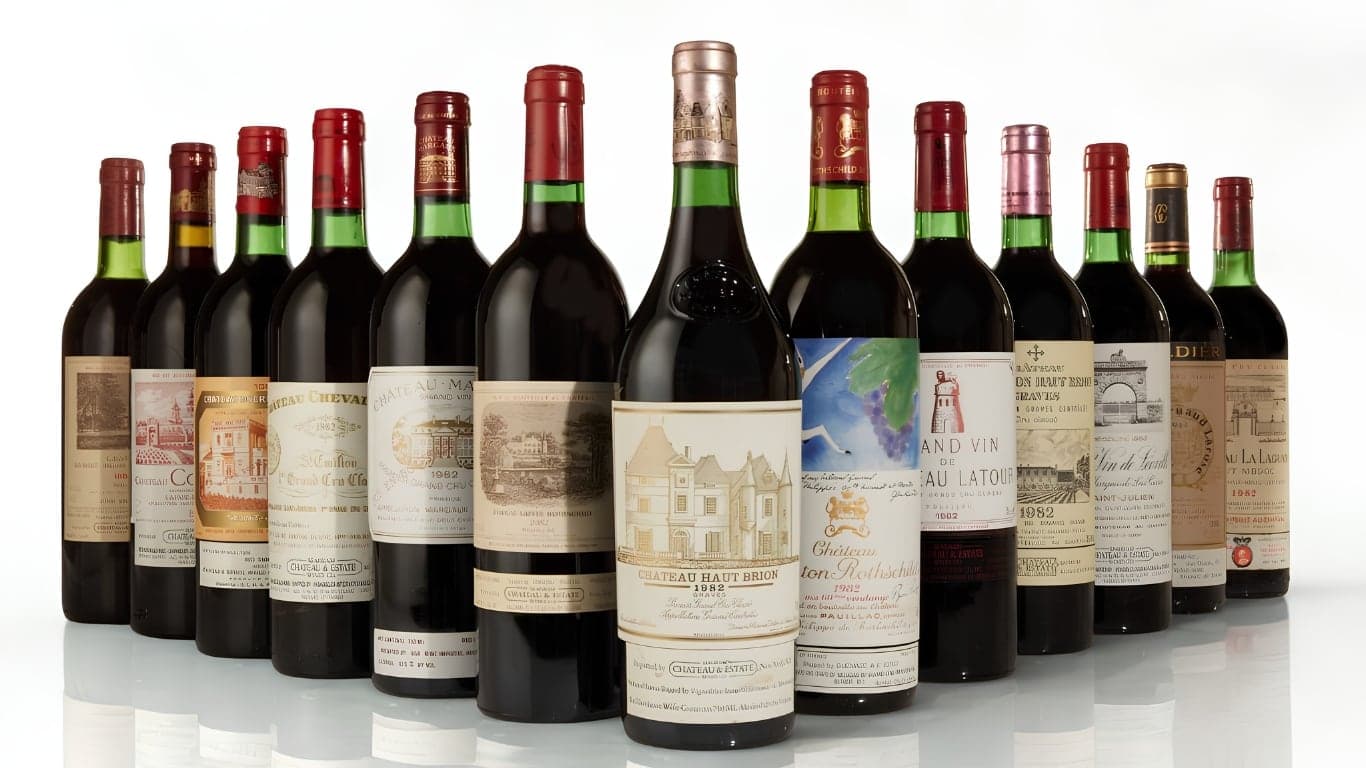
You’ll find world-class Cabernet Sauvignon coming out of Bordeaux in France, Napa Valley in the US, and Coonawarra in Australia. Its reputation as a cornerstone of fine wine investment is rock solid.

As a full-bodied red, Cabernet Sauvignon is prized for a flavor profile that evolves beautifully over decades, rewarding patient collectors in a way few other wines can.

Its ability to balance power and elegance, combined with a capacity to mature gracefully in the bottle, makes it a cornerstone of investment-grade collections worldwide.

Collectors gravitate toward this varietal not just for taste but for the consistent returns it delivers in secondary markets, year after year.

Expect dark fruit flavors front and center, primarily black currant, blackberry, and plum, often complemented by notes of cedar, vanilla, and tobacco.

The specific characteristics shift by region. Bordeaux leans toward earthier tones, while Napa Valley pushes ripe, concentrated fruit flavors that collectors in North America and Asia particularly love.

The high tannin structure and moderate to high acidity give Cabernet Sauvignon the backbone it needs to age well, often for 15 to 50 years or more depending on the vintage and producer.

What truly sets Cabernet Sauvignon apart is its ability to develop layers of complexity over time. That transformation is what investors are really paying for.

Young wines show vibrant fruit and firm tannins. Aged bottles evolve to reveal tertiary notes like leather, cigar box, and dried herbs. This transformation enhances the drinking experience, especially when served in the right Cabernet Sauvignon wine glass, and it boosts resale value in a very real way.

For investment-grade Cabernet Sauvignon, prices range widely based on producer, vintage, and region.

Entry-level premium bottles can start at $80 to $100, while high-end options like Château Lafite Rothschild or Screaming Eagle are valued at thousands of dollars per bottle. A few examples worth knowing about are below.

  • Château Margaux (Bordeaux): $600–$1,000+ per bottle.

  • Screaming Eagle (Napa Valley): $3,500–$7,000 for younger vintages, with older ones commanding even higher prices.

These prices reflect not just the wine’s intrinsic quality but also the prestige and scarcity of certain labels that keep demand high regardless of economic conditions.

Historical ROI

Cabernet Sauvignon has consistently delivered impressive returns for investors, especially those focused on renowned producers.

Bordeaux First Growths like Château Latour and Château Margaux have seen steady appreciation over the decades. Some standout examples are worth looking at closely.

  • The 2010 vintage of Château Margaux has appreciated by over 120% in value since its release, reflecting the growing demand for collectible Bordeaux wines.

  • Napa Valley’s Screaming Eagle, one of the most iconic American Cabernet Sauvignons, has demonstrated annual appreciation rates of 10–15%, particularly for limited-edition releases.

The strong ROI associated with Cabernet Sauvignon comes from its global appeal and the enduring reputation of the producers crafting it.

Why Invest in Cabernet Sauvignon?

Investing in Cabernet Sauvignon gives you a blend of stability, prestige, and growth potential that is hard to beat. Its widespread appeal ensures real liquidity in secondary markets, so you can sell when the timing suits you.

Its ability to age gracefully over decades also provides a secure long-term hold, with the added bonus of drinking enjoyment along the way if you choose.

The brand value attached to top-tier producers adds another layer of appeal. Names like Château Lafite Rothschild or Opus One carry enduring cachet among collectors that simply does not fade.

If you want heritage, taste, and financial return all in one place, Cabernet Sauvignon is a compelling pick in the world of fine wine investing.

best types of red wine
Image Source: Coravin


Merlot

Merlot, often described as the softer counterpart to Cabernet Sauvignon, has cemented its place as one of the most widely cultivated red wine grapes on earth.

Its approachable style, lush flavors, and smooth tannins make it highly versatile. Casual drinkers love it. Seasoned wine enthusiasts respect it. That broad appeal is exactly what you want in an investable asset.

From Right Bank Bordeaux blends to standalone expressions in California and Chile, Merlot offers real investment potential through its global demand and natural adaptability.

Merlot is especially compelling in Bordeaux, where it forms the backbone of some of the world’s most collectible wines.

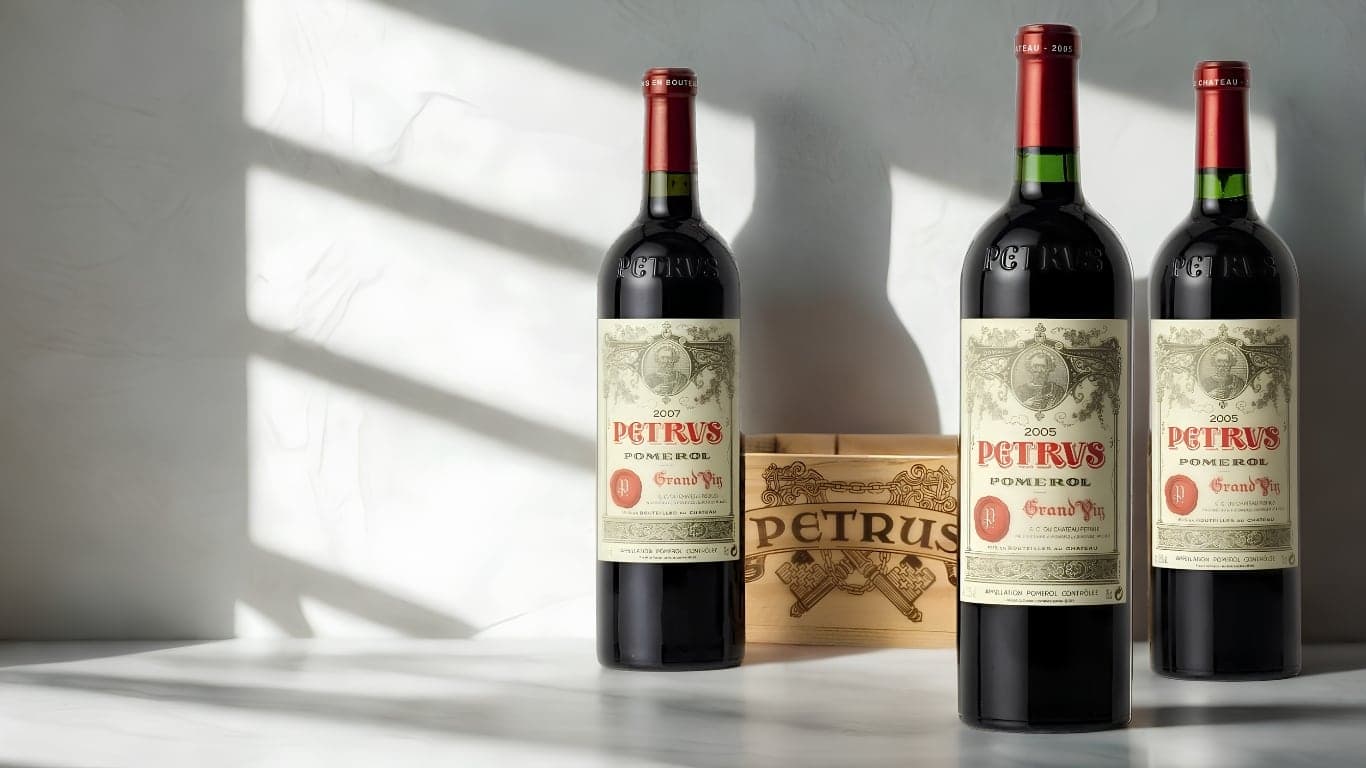
The legendary Château Pétrus, for example, is composed almost entirely of Merlot, and its bottles rank among the most sought-after and expensive wines anywhere in the world.

That association with iconic labels, combined with its ability to thrive across different terroirs, makes Merlot a genuinely compelling choice for investors.

Merlot is celebrated for its plush fruit flavors, including black cherry, plum, and raspberry, often layered with notes of chocolate, mocha, and herbal undertones that give it real depth.

Its medium tannins and lower acidity compared to Cabernet Sauvignon make it smoother and more approachable, even in its youth.

And while Merlot is enjoyable young, top-quality examples can age beautifully for 20 years or more, gaining complexity and depth that serious collectors genuinely prize.

Regional variations add to its appeal. In Right Bank Bordeaux, where Merlot dominates blends from Saint-Émilion and Pomerol, you get a refined, structured profile with earthy and mineral characteristics.

New World Merlot from California or Chile often exhibits a riper, fruit-forward style that attracts a broader audience and keeps demand strong across multiple markets.

The price of investment-grade Merlot varies depending on the producer and region. Entry-level premium bottles may cost $50 to $100, while top-tier labels like Château Pétrus command astronomical sums that reflect decades of prestige.

  • Château Pétrus (Pomerol): $3,000–$6,000+ per bottle for younger vintages, with older vintages fetching significantly higher prices.

  • Duckhorn Merlot (Napa Valley): $120–$200 per bottle, known for its consistent quality and collectible status.

  • Concha y Toro Don Melchor (Chile): $90–$150, a popular New World expression of Merlot.

Historical ROI

Merlot has shown strong returns, especially for Bordeaux blends and premium standalone wines. The numbers speak for themselves.

  • Château Pétrus vintages have consistently appreciated by 8–12% annually, driven by their scarcity and unparalleled reputation.

  • New World Merlot, such as Duckhorn’s Three Palms Vineyard Merlot, has become increasingly collectible, with secondary market prices rising steadily over the past decade.

Merlot’s ROI is driven by its dual appeal. It is accessible to a wide audience while simultaneously holding prestige among high-net-worth collectors who will always pay for the best.

Why Invest in Merlot?

Merlot’s versatility and widespread appeal make it a relatively low-risk entry into the wine investment market.

Its ability to thrive across different regions ensures a steady supply of high-quality wines, while its role in iconic blends like Right Bank Bordeaux adds a layer of exclusivity that keeps prices climbing.

For you as an investor, Merlot offers a balance between stability and growth, with both entry-level and high-end options delivering solid returns over time.

Whether as a standalone wine or part of a prestigious blend, Merlot’s track record for value retention and its broad appeal confirm its place among the best types of red wine to put your money into in 2026.

Merlot


Shiraz

Shiraz, known as Syrah in France, is a bold, full-bodied red that has earned serious acclaim, especially in Australia where it practically defines the category.

Rich flavors, powerful tannins, and exceptional aging potential make Shiraz a staple in fine wine investment. It is not just a great drinking wine. It is a proven performer.

Australian Shiraz, especially from Barossa Valley, commands attention for its high quality and consistent returns in secondary markets. Luxury asset collectors have taken notice in a big way.

Its French counterpart, Syrah, plays a critical role in Northern Rhône wines like Hermitage and Côte-Rôtie, both of which are highly collectible and deeply respected among serious buyers.

Shiraz is a favorite among investors because it offers affordability and long-term value growth in the same bottle. Its versatility in both blending and standalone expressions attracts a wide range of collectors.

Shiraz wines are celebrated for their intense flavors and aromatic complexity. Typical tasting notes include dark fruits like blackberry and plum, along with secondary flavors of pepper, chocolate, and smoked meat.

Depending on the region, Shiraz can range from fruit-forward and approachable to structured and elegant, making it suitable for both immediate enjoyment and extended cellaring.

French Syrah, by contrast, tends to be more restrained, with greater emphasis on minerality and savory elements. Both styles appeal to different segments of the market, ensuring widespread and sustained demand.

Shiraz offers investment opportunities across a range of price points. Premium Australian and French Shiraz wines are worth your attention at the top end.

  • Penfolds Grange (Australia): $600–$1,200 per bottle for recent vintages, with older vintages exceeding $2,000.

  • Henschke Hill of Grace (Australia): $700–$1,400, a highly collectible single-vineyard Shiraz.

  • E. Guigal La Landonne (Côte-Rôtie, France): $400–$800, a benchmark for Rhône Syrah.

  • Torbreck RunRig (Australia): $250–$450, often compared to Rhône’s finest wines.

These wines are renowned for their ability to age for decades, making them ideal for long-term investors who are comfortable sitting on quality assets.

Historical ROI

Shiraz has demonstrated strong returns, especially for iconic labels such as Penfolds Grange and Henschke Hill of Grace. Fine wine experts at Robb Report have consistently highlighted these producers as benchmark investments.

  • Penfolds Grange vintages have seen annual appreciation rates of 8–12%, with rare vintages achieving even higher gains at auction.

  • French Syrah from Hermitage and Côte-Rôtie has shown steady value growth, with top producers like Guigal experiencing increasing demand in global markets.

The combination of global recognition and limited production ensures that Shiraz stays a reliable investment choice for those who do their homework.

Why Invest in Shiraz?

Shiraz is an excellent addition to any investment portfolio, thanks to its consistent performance and global appeal. Its diverse styles cater to both New World and Old World collectors, ensuring a broad and active market.

Its aging potential and scarcity at the premium end create real opportunities for value appreciation over time, the kind of appreciation that makes wine investing so rewarding.

For investors looking to diversify their wine portfolio, Shiraz stands out as one of the best types of red wine to put your capital into in 2026.

Its proven track record of strong returns, combined with accessibility at various price points, makes it a compelling choice you should seriously consider.


Pinot Noir

Pinot Noir is often called the holy grail of red wines, prized for its elegance, complexity, and versatility. That reputation is not accidental.

Unlike bold reds like Shiraz or Cabernet Sauvignon, Pinot Noir is characterized by delicate flavors and a silky texture, making it a favorite among connoisseurs and collectors who know what they are looking for.

This varietal thrives in cooler climates and is most famously associated with Burgundy, France, where it reaches its absolute pinnacle of expression.

Demand for fine Pinot Noir, especially from Burgundy Grand Crus, has skyrocketed over the past decade. Supply has not kept pace, and that gap is exactly what creates investment opportunity.

Regions like California’s Sonoma Coast and New Zealand’s Central Otago have also gained recognition for producing exceptional Pinot Noir, making it a global favorite for both collectors and investors looking beyond France.

Pinot Noir is renowned for its subtle yet complex flavor profile, which includes notes of red fruits like cherry and raspberry, along with hints of earth, mushroom, and spice that evolve beautifully with age.

Its lighter body and silky tannins make it incredibly food-friendly, while its ability to develop tertiary flavors over time enhances aging potential and makes older bottles genuinely exciting to open.

Burgundy Pinot Noir, especially from producers like Domaine de la Romanée-Conti or Domaine Leroy, is revered for its terroir-driven characteristics that are essentially impossible to replicate anywhere else.

New World Pinot Noir from Oregon’s Willamette Valley or California’s Russian River Valley offers a riper, more fruit-forward expression, broadening its appeal and giving you more accessible entry points.

The price of Pinot Noir can vary enormously depending on the region and producer, with investment-grade bottles commanding serious premiums that reflect genuine scarcity.

  • Domaine de la Romanée-Conti (DRC), Burgundy: $20,000–$50,000+ per bottle, with certain vintages breaking auction records.

  • Domaine Leroy, Burgundy: $5,000–$12,000 per bottle for Grand Cru wines.

  • Kosta Browne, California: $150–$300, a standout in New World Pinot Noir.

  • Felton Road, New Zealand: $60–$150, offering excellent quality at an accessible price.

These prices reflect both the rarity of premium Pinot Noir and its global desirability among buyers who compete fiercely at auction.

Historical ROI

The ROI on Pinot Noir, especially from Burgundy, has been exceptional. Top producers consistently achieve record-breaking prices at auction, and the trend shows no sign of slowing.

  • Domaine de la Romanée-Conti vintages have appreciated at rates of 10–20% annually, with rare bottles commanding millions of dollars.

  • New World Pinot Noir, such as California’s Kosta Browne, has seen steady appreciation as collectors seek high-quality alternatives to Burgundy.

The high ROI for Pinot Noir is driven by its scarcity, prestige, and unmatched quality at the upper end of the wine world, where collectors will always pay for the best.

Why Invest in Pinot Noir?

Pinot Noir is an excellent investment for those seeking long-term value growth and genuine prestige in their collection.

Its association with Burgundy Grand Crus ensures continued demand, while emerging regions like California and New Zealand offer lower entry points for investors who want exposure without spending a fortune upfront.

Its limited production and extraordinary aging potential make it a rare and valuable asset that belongs in any serious wine portfolio.

For investors seeking the best types of red wine to put their money into in 2026, Pinot Noir is a clear and obvious choice.

Whether from Burgundy or the New World, its elegance and scarcity ensure it stays a centerpiece in fine wine collections for generations to come.

Pinot Noir
Image Source: Harry & David


Malbec

Malbec has risen to prominence as one of the most popular red wine varietals out there, known for its bold flavors, rich color, and smooth tannins that make it immediately likable.

While its origins lie in France’s Cahors region, Malbec found a new home in Argentina where it flourished into a global favorite that wine lovers on every continent now seek out.

The combination of affordability and increasing international demand makes Malbec an attractive option for investors seeking strong returns without the eye-watering price tags of Burgundy or Bordeaux.

Argentina, particularly the Mendoza region, is synonymous with world-class Malbec production.

High-altitude vineyards produce wines with intense fruit concentration and balanced acidity, ideal for both immediate enjoyment and long-term cellaring, which is exactly what you want when building a wine investment portfolio.

As Malbec’s recognition grows in international markets, its investment potential keeps expanding alongside it.

Malbec is known for its dark fruit flavors, including blackberry, plum, and black cherry, often complemented by notes of chocolate, vanilla, and smoky oak that add layers of appeal.

Its medium to full body and velvety texture make it appealing to a wide range of wine enthusiasts. Premium bottles also improve gracefully with 10 to 15 years of proper cellaring.

Argentinian Malbec showcases an elegant yet powerful expression, while French Malbec from Cahors offers a more rustic and earthy style that appeals to traditionalists with a taste for something different.

This versatility broadens Malbec’s market considerably, increasing its desirability among collectors and casual drinkers who approach wine from completely different angles.

Malbec offers exceptional value for its quality, with premium bottles priced competitively enough to attract investors who want to get started without enormous capital commitment.

  • Catena Zapata Malbec Argentino, Mendoza: $120–$200 per bottle, a flagship example of Argentinian Malbec.

  • Achaval Ferrer Finca Altamira, Mendoza: $100–$150, showcasing high-altitude terroir-driven elegance.

  • Clos Triguedina, Cahors, France: $50–$90, offering a more traditional French expression of Malbec.

  • Bodega Norton Reserva Malbec, Mendoza: $30–$60, a widely accessible yet age-worthy option.

These prices make Malbec an appealing entry-level investment, with real room for value appreciation over time as its global profile keeps rising.

Historical ROI

Malbec’s investment performance has been steadily improving as its global recognition expands. The trajectory is encouraging for anyone paying attention to alternative asset trends.

  • Argentinian producers like Catena Zapata and Achaval Ferrer have seen 10–15% annual appreciation for their top-tier wines in secondary markets.

  • French Cahors Malbec, while less expensive, has also experienced value growth, particularly for older vintages from reputable producers.

As Malbec’s popularity continues to expand, its ROI prospects look strong, especially for limited-edition releases and single-vineyard bottlings that collectors particularly prize.

Why Invest in Malbec?

Malbec’s growing demand, affordability, and versatility make it a smart investment for both seasoned collectors and newcomers to the wine market.

Its ability to thrive in diverse terroirs ensures a consistent supply of high-quality wines, while its impressive value-for-money ratio appeals to buyers across a wide spectrum.

For you as an investor, Malbec offers a genuine opportunity to enter the market at a lower price point while still enjoying the potential for significant returns as the varietal’s profile grows.

As one of the best types of red wine to invest in for 2026, Malbec’s rising star power ensures it will stay a top choice for those looking to build and diversify their wine portfolios intelligently. If you want to dig deeper into how platforms can help you build that portfolio, check out this guide to the best wine investment platforms available right now.


Grenache

Grenache, or Garnacha as it’s known in Spain, is one of the most widely planted red grape varieties in the world.

Despite its prevalence, Grenache often flies under the radar compared to heavyweights like Cabernet Sauvignon or Pinot Noir. That relative obscurity, frankly, is part of the opportunity.

But its versatility, complexity, and growing recognition make it an excellent choice for investors who like to get ahead of the curve before everyone else catches on.

Grenache plays a crucial role in some of the most sought-after wines, including Châteauneuf-du-Pape from France and Priorat from Spain, solidifying its place in serious fine wine portfolios.

Grenache thrives in warm climates and is celebrated for its ability to produce wines with rich fruit flavors, balanced acidity, and age-worthy structures that reward patient investors.

Whether as a single-varietal wine or a blend component, Grenache offers a wide range of expressions, ensuring strong appeal among collectors and casual drinkers alike.

Grenache is known for its juicy red fruit flavors, such as raspberry, cherry, and strawberry, often accompanied by notes of white pepper, cinnamon, and dried herbs that give it real character.

The wines tend to have a medium to full body, moderate tannins, and a higher alcohol content, contributing to their richness and warmth on the palate.

With time, Grenache develops tertiary aromas of leather, spice, and dried flowers, enhancing its complexity and investment appeal significantly.

The varietal is particularly prominent in Southern Rhône blends, where it is often paired with Syrah and Mourvèdre to create iconic wines like Châteauneuf-du-Pape. In Spain, Grenache shines in regions like Priorat and Rioja, producing bold, structured wines with excellent aging potential.

Grenache offers opportunities at various price points, with premium options from France and Spain standing out for their quality and investment potential.

  • Château Rayas Châteauneuf-du-Pape (France): $600–$1,200 per bottle, a benchmark for Grenache excellence.

  • Clos Mogador (Priorat, Spain): $100–$200, showcasing the power and elegance of Spanish Garnacha.

  • Domaine du Pégau Cuvée Réservée (Châteauneuf-du-Pape): $80–$150, a classic Rhône blend dominated by Grenache.

  • Alvaro Palacios L’Ermita (Priorat, Spain): $800–$1,500, a highly collectible and limited-production wine.

These prices highlight Grenache’s ability to deliver exceptional value at both mid-tier and high-end levels, giving you flexibility in how you build your position.

Historical ROI

Grenache’s role in some of the world’s most collectible wines has led to steady and consistent value appreciation that smart investors have been quietly profiting from.

  • Château Rayas vintages have seen annual appreciation rates of 10–12%, with rare bottles fetching record prices at auction.

  • Priorat wines like Alvaro Palacios L’Ermita consistently rank among the top-performing Spanish wines, with secondary market prices increasing by 8–15% annually.

Grenache’s ROI potential is further enhanced by its growing recognition among global collectors, especially for wines from prestigious appellations where production is tightly controlled.

Why Invest in Grenache?

Grenache offers a unique combination of accessibility and prestige, making it an attractive option for wine investors at multiple levels of experience.

Its versatility across regions and styles ensures broad market appeal, while its role in iconic wines like Châteauneuf-du-Pape and Priorat guarantees long-term desirability among serious collectors.

For investors seeking diversity in their wine portfolios, Grenache is a genuine hidden gem with meaningful upside potential that has not yet been fully priced in.

As one of the best types of red wine to invest in for 2026, Grenache’s increasing prominence and proven track record make it a compelling choice for both seasoned collectors and those just starting their fine wine investment journey.

Grenache
Image Source: Waterfront Estate


Tempranillo

Tempranillo, often described as the backbone of Spanish red wines, is a varietal deeply rooted in the country’s rich winemaking tradition.

Known for its versatility, age-worthiness, and complex flavor profile, Tempranillo has become a firm favorite among wine collectors and investors who appreciate what Spain’s vineyards have to offer.

It thrives in regions such as Rioja and Ribera del Duero, where it produces some of Spain’s most iconic and collectible wines that consistently perform well at auction.

What makes Tempranillo particularly appealing for investment is its capacity to improve with age, especially during extended time in oak barrels.

Many Tempranillo wines, especially those labeled Reserva or Gran Reserva, can mature for decades, enhancing their value and desirability in secondary markets where serious collectors are always hunting for great bottles.

Tempranillo wines are celebrated for their balanced profile, offering a harmonious combination of fruit, acidity, and tannins that work beautifully together.

Typical flavor notes include red cherry, plum, and dried fig, complemented by hints of leather, tobacco, and vanilla from oak aging that add layers of sophistication.

The wines exhibit a medium to full body and a silky texture, making them both approachable and complex, an unusual combination that collectors value highly.

In regions like Rioja, Tempranillo is often blended with smaller amounts of other varietals to add structure and nuance. In Ribera del Duero, it is commonly bottled as a single-varietal wine with a bold and concentrated style. This diversity in expression ensures broad appeal across different consumer preferences.

Tempranillo offers a wide range of price points, from everyday wines to premium collectibles that command serious attention in secondary markets.

  • Vega Sicilia Único (Ribera del Duero): $400–$1,000 per bottle, a benchmark for Spanish fine wine.

  • La Rioja Alta Gran Reserva 890 (Rioja): $150–$300, a classic Rioja Gran Reserva with significant aging potential.

  • Bodegas Muga Prado Enea Gran Reserva (Rioja): $80–$150, showcasing the elegance of long-aged Rioja wines.

  • Tinto Pesquera Reserva (Ribera del Duero): $50–$100, offering exceptional value for a high-quality Tempranillo.

These prices reflect Tempranillo’s versatility and real potential for value appreciation, especially for wines with extended aging from top-tier producers.

Historical ROI

Tempranillo’s performance in secondary markets has been consistently strong, especially for premium and vintage wines that collectors compete for.

  • Vega Sicilia Único vintages have appreciated by 8–15% annually, with older bottles commanding premium prices at auction.

  • Gran Reserva wines from Rioja, such as La Rioja Alta 890, have shown steady value growth, driven by their aging potential and limited production.

Tempranillo’s combination of tradition, quality, and aging potential makes it a reliable choice for long-term investment and one that Spain’s winemaking heritage backs up convincingly.

Why Invest in Tempranillo?

Investing in Tempranillo gives you direct access to Spain’s rich winemaking heritage while benefiting from the wine’s consistent market performance.

Its versatility across styles and regions, coupled with its ability to age gracefully, ensures sustained demand among collectors and enthusiasts who keep coming back for more.

Whether you’re focusing on iconic producers like Vega Sicilia or exploring high-quality Reserva and Gran Reserva wines, Tempranillo offers an attractive balance of affordability, quality, and ROI potential that suits a wide range of investment strategies.

For those looking to diversify their wine portfolio, Tempranillo stands out as one of the best types of red wine to invest in for 2026, offering both prestige and genuine profitability.

Sangiovese

Sangiovese, the signature grape of Italy’s Tuscany region, is the foundation of some of the world’s most iconic wines, including Chianti, Brunello di Montalcino, and Vino Nobile di Montepulciano.

Its deep ties to Italian winemaking traditions, combined with its aging potential and increasing global demand, make it an excellent choice for wine investors who want serious long-term assets.

Known for its versatility and ability to reflect terroir, Sangiovese can produce a wide range of styles, from youthful and vibrant to highly structured and age-worthy bottles that command premium prices.

This adaptability ensures that Sangiovese wines appeal to a broad audience, enhancing their value in both primary and secondary markets wherever fine wine is taken seriously.

Sangiovese is celebrated for its bright acidity and complex flavor profile, which includes notes of red cherry, plum, and dried herbs, often accompanied by subtle hints of tobacco, leather, and balsamic undertones.

The wines exhibit medium to high tannins, making them suitable for long-term aging, during which they develop deeper complexity and balance that serious collectors find irresistible.

In Tuscany, Sangiovese shines as a single varietal in Brunello di Montalcino or as the dominant grape in blends like Chianti Classico, often complemented by other varietals such as Cabernet Sauvignon or Merlot.

The diversity of styles and price points makes Sangiovese an appealing option for both novice and seasoned collectors who want flexibility in how they approach the Italian fine wine market.

Sangiovese wines offer a range of investment opportunities, from accessible blends to collectible fine wines that consistently attract attention at the world’s top auction houses.

  • Biondi-Santi Brunello di Montalcino (Tuscany): $200–$600 per bottle, known for its historical significance and aging potential.

  • Antinori Tignanello (Tuscany): $130–$250, a “Super Tuscan” blend that elevates Sangiovese with international varietals.

  • Fontodi Chianti Classico Gran Selezione (Tuscany): $80–$150, showcasing the pinnacle of Chianti winemaking.

  • Castello di Ama L’Apparita (Tuscany): $250–$500, a highly collectible single-vineyard wine.

These wines demonstrate Sangiovese’s ability to cater to diverse markets while maintaining strong investment potential across different price tiers.

Historical ROI

Sangiovese wines, especially those from prestigious producers, have shown consistent growth in value over time. The Financial Times has covered the remarkable appreciation of top Brunello di Montalcino producers as part of the broader fine wine investment story.

  • Brunello di Montalcino vintages from top producers like Biondi-Santi have appreciated at rates of 8–12% annually, with older bottles achieving even higher returns.

  • Super Tuscan blends such as Tignanello and Sassicaia (which includes Sangiovese in some vintages) have become highly sought-after, with secondary market prices increasing significantly in recent years.

The combination of limited production and global demand ensures that Sangiovese wines stay a strong contender for serious investment portfolios.

Why Invest in Sangiovese?

Sangiovese’s rich history, global reputation, and aging potential make it a standout choice for investors who want Italy’s finest in their collection.

The strong performance of premium Tuscan wines in auctions and secondary markets highlights their reliability as long-term assets that hold value through economic cycles.

The diversity of Sangiovese styles, from approachable Chianti to luxurious Brunello, provides opportunities at various price points, making it accessible to a wide range of investors regardless of where they are starting from.

As one of the best types of red wine to invest in for 2026, Sangiovese offers a perfect combination of tradition, quality, and financial growth, ensuring its place in any fine wine portfolio worth building.


Carménère

Once thought to be extinct, Carménère was rediscovered in Chile in the 1990s and has since become the country’s flagship red wine grape, a remarkable comeback story that adds to its collectible appeal.

Known for its bold flavors, distinctive character, and relatively low production, Carménère offers a unique investment opportunity for those seeking wines with both scarcity and strong growth potential.

Its deep roots in French Bordeaux heritage and its resurgence in South America make it a fascinating and genuinely exciting addition to any wine collection.

Carménère thrives in Chile’s warm climate and volcanic soils, especially in regions like the Colchagua Valley and Maipo Valley where the best examples originate.

Its rising popularity among wine enthusiasts and collectors is driving demand, especially for premium bottlings from top producers who understand how to coax the best from this grape.

Carménère is celebrated for its vibrant and herbaceous flavor profile, which often includes notes of blackberry, plum, and cherry, complemented by hints of bell pepper, tobacco, and dark chocolate.

The wines are typically medium to full-bodied, with moderate acidity and silky tannins, making them both approachable and complex in a way that keeps collectors coming back.

The grape’s distinctiveness lies in its earthy and savory qualities, which set it apart from more fruit-driven varietals and give it a personality all its own.

When aged in oak, Carménère develops additional layers of complexity, including smoky and spicy undertones that further enhance its appeal among serious buyers.

Carménère offers excellent value for investors, with premium bottles available at accessible price points that leave room for meaningful appreciation over time.

  • Viña Montes Purple Angel (Colchagua Valley, Chile): $70–$120 per bottle, a benchmark for high-end Carménère.

  • Casa Lapostolle Clos Apalta (Colchagua Valley, Chile): $120–$250, an iconic blend dominated by Carménère.

  • Concha y Toro Carmin de Peumo (Peumo, Chile): $80–$150, a single-vineyard expression showcasing Carménère’s elegance.

  • Santa Rita Medalla Real (Maipo Valley, Chile): $30–$60, offering exceptional quality at an entry-level price.

These prices make Carménère an appealing option for collectors seeking value-driven investments with long-term growth potential and a genuinely compelling origin story.

Historical ROI

Carménère’s market performance has been steadily improving as its global recognition grows. Notable examples show the kind of appreciation that gets investors excited.

  • Viña Montes Purple Angel has demonstrated consistent appreciation, with annual ROI rates of 8–10%, particularly for older vintages.

  • Casa Lapostolle Clos Apalta has established itself as a collectible wine, with prices for its best vintages increasing significantly in secondary markets.

As Carménère continues gaining popularity, especially in North America and Asia, its value is expected to rise further, making it a smart addition to any investment portfolio built for the long term.

Why Invest in Carménère?

Carménère’s scarcity and distinctive character give it a unique position in the fine wine market that is hard to replicate with any other varietal.

Its strong association with Chile and its reputation for delivering high-quality wines at competitive prices make it an attractive option for investors who want something different.

The limited production of premium Carménère also ensures steady demand and potential for long-term value appreciation as the global audience for Chilean fine wine keeps growing.

For those looking to diversify their wine investments, Carménère stands out as one of the best types of red wine to invest in for 2026, offering a combination of rarity, quality, and growth potential that is genuinely hard to ignore.

Nebbiolo

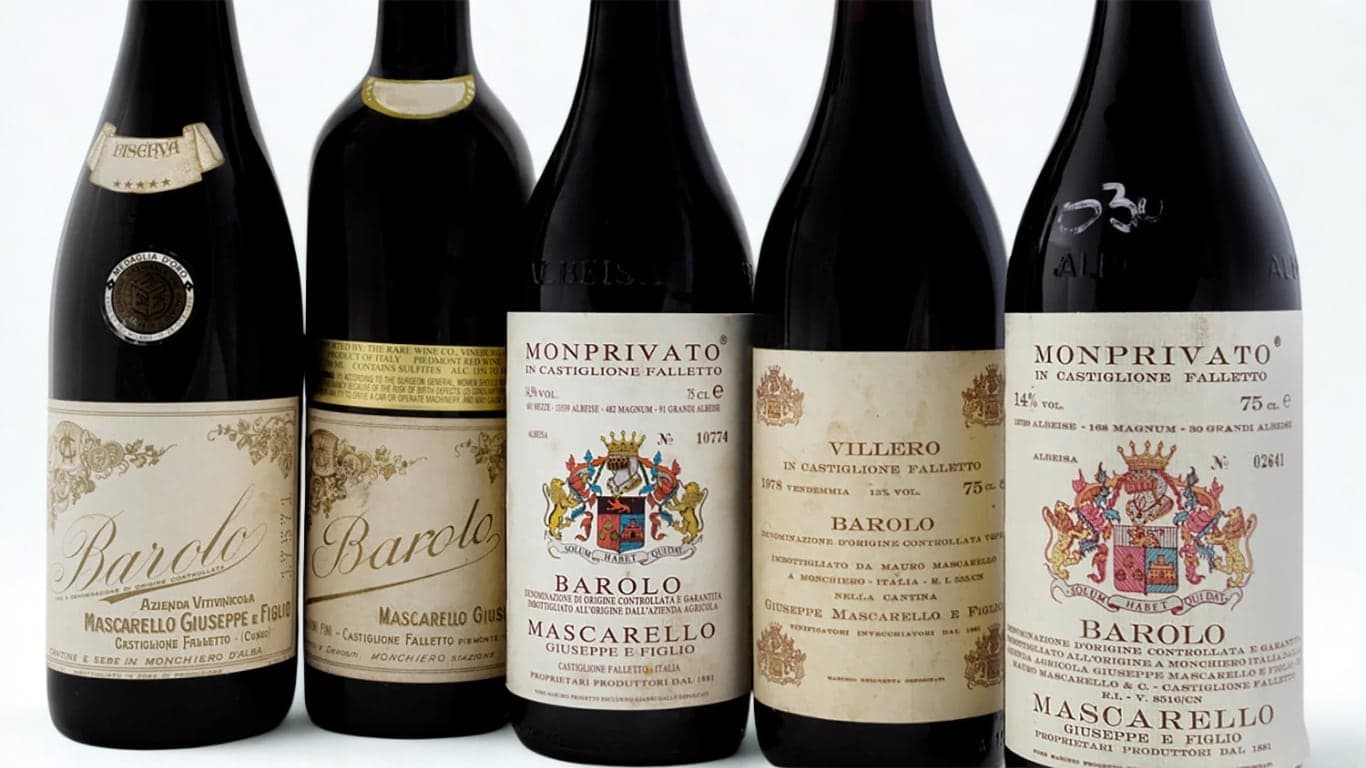
Nebbiolo, often referred to as the king of Italian grapes, is the varietal behind some of Italy’s most prestigious wines, including Barolo and Barbaresco.

Its exceptional aging potential, unique flavor profile, and association with highly sought-after appellations make Nebbiolo an enduring favorite among collectors and investors who take fine wine seriously.

Originating in Piedmont, Italy, Nebbiolo thrives in this region’s rolling hills and cool climates, producing wines with unparalleled complexity and longevity that can span generations.

Nebbiolo is a must-have for any serious wine collection, offering both prestige and strong ROI potential. Its limited production and growing global demand ensure that its value stays consistently high in the secondary market. Before committing capital, make sure you understand how to evaluate what you’re buying by reading this guide on how to research fine wines before investing.

Nebbiolo is renowned for its complex and structured flavor profile, which includes notes of red cherry, rose petals, and raspberry, alongside earthy undertones like truffle, tar, and leather that evolve magnificently with age.

The grape’s high tannin levels and elevated acidity make it a prime candidate for long-term aging, with many Nebbiolo wines reaching their peak after 15 to 30 years in proper storage conditions.

The wine’s aromatic intensity is unmatched, evolving over time to reveal layers of nuance and elegance that reward collectors who are willing to wait.

In Barolo, often called the wine of kings, Nebbiolo is at its most powerful and full-bodied. Barbaresco offers a slightly softer and more approachable expression. This duality broadens its appeal and ensures sustained demand across different buyer profiles.

Investment-grade Nebbiolo wines command premium prices, especially from top producers in Piedmont whose reputations span decades.

  • Gaja Barbaresco (Barbaresco, Italy): $300–$600 per bottle, a benchmark for high-end Nebbiolo.

  • Giacomo Conterno Monfortino Barolo Riserva (Barolo, Italy): $800–$2,500, an iconic collector’s item.

  • Produttori del Barbaresco Riserva (Barbaresco, Italy): $80–$150, a value-driven option for high-quality Nebbiolo.

  • Bartolo Mascarello Barolo (Barolo, Italy): $500–$1,000, prized for its traditional craftsmanship.

These wines are consistently among the most sought-after Italian reds anywhere in the world, reflecting their prestige and genuine scarcity.

Historical ROI

Nebbiolo’s investment performance has been remarkable, especially for renowned producers. Bloomberg’s coverage of fine wine markets has repeatedly highlighted top Barolo producers as among the most reliable appreciating assets in the alternative investment space.

  • Giacomo Conterno Monfortino Barolo Riserva has shown annual appreciation rates of 10–15%, with rare vintages fetching record-breaking prices at auction.

  • Gaja Barbaresco vintages have consistently increased in value, driven by their limited production and global recognition.

This sustained appreciation highlights Nebbiolo’s resilience in the fine wine market, making it a safe and genuinely lucrative investment for those with patience.

Why Invest in Nebbiolo?

Investing in Nebbiolo gives you a combination of prestige, scarcity, and exceptional aging potential that very few wine varietals can match. Its ability to produce wines that mature beautifully over decades ensures consistent demand among the world’s most serious collectors.

The limited production in Piedmont means that top-tier Nebbiolo wines stay exclusive, which is exactly the kind of supply constraint that drives long-term value appreciation in any market.

Nebbiolo


Zinfandel

Zinfandel, a robust and versatile red wine grape, has deep roots in California, where it has become synonymous with bold, fruit-forward wines that American collectors are fiercely proud of.

It may not share the global prestige of Cabernet Sauvignon or Nebbiolo, but Zinfandel offers unique investment potential through its accessible pricing, limited production from premium vineyards, and growing collector interest.

It is celebrated for producing age-worthy wines that can genuinely surprise both casual drinkers and seasoned investors with their quality and complexity.

Zinfandel’s popularity has surged in recent years, especially among American collectors who appreciate its regional identity and bold flavors that feel authentically Californian.

Iconic producers like Ridge Vineyards and Turley Wine Cellars have elevated Zinfandel’s reputation considerably, cementing its place in fine wine portfolios built for long-term performance.

Zinfandel is renowned for its ripe, jammy fruit flavors, including notes of blackberry, plum, and raspberry, often complemented by spice, black pepper, and smoky vanilla from oak aging.

Its medium to full body, moderate tannins, and balanced acidity make it approachable in its youth while still capable of aging for a decade or more when stored properly.

California Zinfandel, from regions like Napa Valley, Sonoma County, and Paso Robles, showcases a broad spectrum of styles ranging from rich and powerful to elegant and refined, which adds to its appeal and ensures strong demand among collectors.

Premium Zinfandel offers excellent value for investment, with some of the best bottles commanding prices that reflect their quality and limited production from celebrated single-vineyard sites.

  • Ridge Vineyards Geyserville (Sonoma County): $45–$90 per bottle, a classic representation of high-quality Zinfandel.

  • Turley Old Vines Zinfandel (California): $50–$100, showcasing the depth of flavor from historic vineyards.

  • Bedrock Heritage Wine (California): $40–$80, a blend dominated by Zinfandel with exceptional complexity.

  • Biale Black Chicken Zinfandel (Napa Valley): $60–$120, a cult favorite with consistent critical acclaim.

These prices highlight Zinfandel’s affordability and potential for growth, especially for wines from respected producers with strong critical scores and loyal collector followings.

Historical ROI

Zinfandel’s performance in the secondary market has been steadily improving as its reputation among serious collectors grows year by year.

  • Ridge Geyserville vintages have appreciated annually by 8–10%, especially for older bottles from strong vintages.

  • Turley Zinfandel has seen rising demand among collectors, with limited releases often selling out quickly and reselling at a premium.

While Zinfandel’s ROI may not rival that of Burgundy or Bordeaux, its steady value appreciation and niche appeal make it a worthwhile addition for diversifying a wine investment portfolio in a meaningful way.

Why Invest in Zinfandel?

Zinfandel offers a unique investment opportunity rooted in its regional identity, limited production, and growing recognition among collectors who care about provenance and authenticity.

Its ability to deliver bold, complex wines at accessible prices ensures broad market appeal, while top-tier producers like Ridge and Turley have established it as a reliable option for long-term value retention.

For investors seeking to add variety to their wine portfolios, Zinfandel provides an affordable yet genuinely rewarding avenue that doesn’t require a six-figure budget to get started.

As one of the best types of red wine to invest in for 2026, Zinfandel’s rising popularity and proven performance solidify its position as a smart choice for collectors and enthusiasts who want exposure to American fine wine.

Montepulciano

Montepulciano, primarily grown in Italy’s Abruzzo region, is celebrated for producing rich, approachable, and food-friendly red wines that punch well above their price point.

Known for its exceptional value and versatility, Montepulciano wines have gained global recognition, making them an intriguing option for wine investors who want Italian quality without paying Barolo prices.

The standout wine, Montepulciano d’Abruzzo, is beloved for its vibrant fruit profile, balanced acidity, and smooth tannins that make it easy to love.

While not as renowned as other Italian varietals like Nebbiolo or Sangiovese, Montepulciano offers affordable entry points and strong potential for value appreciation, especially for premium and reserve-level wines from the best producers.

In recent years, collectors have begun to notice Montepulciano’s quality-to-price ratio, driving demand for limited-production and high-scoring bottlings from esteemed producers who are finally getting the recognition they deserve.

Montepulciano wines are characterized by dark fruit flavors, such as blackberry, black cherry, and plum, often layered with notes of herbs, leather, and spice that give them real personality.

The wines are typically medium to full-bodied, with moderate acidity and soft, approachable tannins, making them enjoyable both young and after a few years of proper aging.

Wines labeled Riserva must age for a minimum of two years, including at least nine months in oak, which adds complexity and depth that investment-grade bottles genuinely need.

Premium Montepulciano wines often exhibit earthy and savory characteristics that appeal to seasoned wine enthusiasts who appreciate subtlety alongside fruit-driven intensity.

Montepulciano offers a broad range of prices, with premium labels providing significant investment potential for those willing to look beyond the more obvious Italian names.

  • Emidio Pepe Montepulciano d’Abruzzo (Abruzzo): $150–$350 per bottle, a benchmark for age-worthy Montepulciano.

  • Masciarelli Marina Cvetic Riserva (Abruzzo): $50–$100, offering exceptional complexity at an accessible price.

  • Valle Reale Vigne di Capestrano Montepulciano (Abruzzo): $40–$80, a single-vineyard wine with limited production.

  • La Valentina Montepulciano Riserva (Abruzzo): $30–$60, showcasing elegant structure and value.

These prices reflect Montepulciano’s ability to deliver high-quality wines at reasonable entry points, appealing to both collectors and investors who want value without sacrificing quality.

Historical ROI

While Montepulciano does not yet command the global prestige of Nebbiolo or Sangiovese, its reputation has been steadily growing in ways that smart investors are paying close attention to.

  • Emidio Pepe vintages, which have appreciated by 8–12% annually, particularly for older bottles with proven aging potential.

  • Reserve-level wines like Masciarelli Riserva have gained traction in secondary markets, with limited editions often reselling at a premium.

The rising recognition of Montepulciano as a high-quality varietal suggests continued value growth, especially for wines from established producers with strong critical track records.

Montepulciano is a compelling investment choice for those seeking affordable yet high-quality wines with long-term potential that has not yet been fully recognized by the broader market.

Its approachable style ensures broad market appeal, while its growing reputation among critics and collectors enhances its desirability and should continue pushing prices upward.

For investors looking to diversify their portfolio with lesser-known but genuinely promising varietals, Montepulciano offers a combination of accessibility and future growth that is worth taking seriously.

As one of the best types of red wine to invest in for 2026, Montepulciano’s increasing recognition and excellent value make it an exciting option for both novice and experienced wine investors who want to get ahead of the trend.

types of red wine

Why Red Wine Is A Great Investment In 2026

Investing in red wine has become increasingly popular as investors seek tangible, alternative assets that offer both financial returns and genuine cultural value that other asset classes simply cannot replicate.

In 2026, red wine stands out as a compelling investment category, driven by strong market demand, limited supply, and the intrinsic qualities that make fine wine a timeless commodity regardless of economic conditions.

Red wine holds unique appeal due to its age-worthiness, global recognition, and increasing consumption across emerging markets where a new generation of wealthy collectors is coming of age.

Red wine offers a compelling mix of stability and growth potential, making it a valuable addition to diversified investment portfolios that go beyond stocks, bonds, and real estate.

Unlike traditional financial instruments, red wine investments are resilient to market fluctuations and benefit from an ever-expanding base of collectors and consumers who want the real thing.

The scarcity factor is particularly powerful here. As wine gets consumed, fewer bottles remain in circulation, and that shrinking supply ensures long-term value appreciation for premium wines that are stored correctly. Speaking of which, make sure you understand fine wine insurance before you start building a serious collection.

Key reasons red wine makes for a great investment right now are worth understanding in detail.

  • Tangibility: Unlike stocks or bonds, wine is a physical asset with inherent value.

  • Global Demand: The growing popularity of fine wine in regions like China, India, and the Middle East is driving up demand for investment-grade bottles.

  • Aging Potential: Red wine’s ability to improve over decades enhances its value, making it a lucrative long-term investment.

Historical Performance of Red Wine Investments

Fine wine has consistently outperformed traditional investment assets, including stocks and real estate, over the past two decades. That track record is not a coincidence.

According to indices like the Liv-ex Fine Wine 100, red wines from regions like Bordeaux, Burgundy, and Tuscany have shown annualized returns of 8% to 12%, with top vintages appreciating even further beyond those averages.

In 2026, the focus stays on investment-grade red wines from high-demand regions and renowned producers. These wines have historically delivered steady returns due to their limited production and increasing scarcity as bottles are opened and consumed.

Several key trends are shaping the red wine investment market in 2026 that every serious investor should understand before deploying capital.

  • Sustainability: Wines produced using sustainable and organic practices are becoming more desirable, appealing to environmentally conscious consumers and investors.

  • Diversification Across Regions: While Bordeaux and Burgundy dominate, regions like Tuscany, Barossa Valley, and Mendoza are gaining traction for their high-quality, investment-grade reds.

  • Technology Integration: Platforms for buying and trading wine, such as wine ETFs and digital marketplaces, are making it easier for investors to enter the market.

Why 2026 is an Ideal Year to Invest in Red Wine

In 2026, the combination of growing global demand, increasing scarcity, and the rise of emerging market collectors makes red wine a particularly attractive investment for those who know where to look.

With the right strategy, focusing on prestigious producers, sought-after vintages, and lesser-known gems like Carménère and Montepulciano, you can build a wine portfolio that delivers both financial and experiential rewards that no stock portfolio ever will. If you want to think more carefully about how cognitive biases can affect your investment decisions, the investor’s guide to regret theory is worth your time.

Red wine’s timeless appeal ensures it will keep captivating collectors and investors alike, offering a combination of stability, profitability, and enjoyment that most other asset classes simply cannot touch.

FAQ

How do I start investing in red wine?

Start by researching investment-grade wines and focusing on trusted producers and regions. Purchase through reputable sources like wine auctions, online platforms, or fine wine merchants. Proper storage in a climate-controlled environment is crucial to maintain the wine’s value. Alternatively, consider investing through wine funds or platforms like Vinovest, which handle storage and trading.


How much should I invest in red wine?

Your budget should align with your investment goals. Entry-level investments can start at $500 to $1,000, focusing on high-quality but affordable wines. For a diversified portfolio, consider investing $10,000 or more to include a mix of iconic producers, emerging regions, and vintage wines.


Do all red wines appreciate in value?

No, only specific types of red wine—typically from renowned producers, prestigious regions, and excellent vintages—appreciate significantly. Factors like scarcity, producer reputation, and critical acclaim determine a wine’s investment potential.


How long should I hold onto an investment-grade red wine?

Most investment-grade red wines reach their peak value 10–20 years after release, though some can age for decades. Holding periods vary by varietal and vintage; for example, Bordeaux and Barolo often take longer to mature, while wines like Australian Shiraz or Napa Valley Cabernet Sauvignon may peak earlier.


Can I drink my wine investment?

Yes, one of the unique aspects of investing in wine is that it remains enjoyable even if it doesn’t achieve the desired financial returns. However, consuming your investment wine means forfeiting its future market value.


What regions should I prioritize when investing in red wine?

Focus on regions with a proven track record, such as Bordeaux, Burgundy, Tuscany, Barossa Valley, and Mendoza. Emerging regions like Chile and Central Otago also offer opportunities for high-quality wines with growth potential.

Is Now The Right Moment To Reinvest In Bordeaux Wine?

Is Now The Right Moment To Reinvest In Bordeaux Wine?

Fine wine markets rarely correct as sharply as Bordeaux did between 2022 and 2024, when…
Is China The Future Of Italian Sparkling Wine?
Is China The Future Of Sparkling Wine?

Is China The Future Of Sparkling Wine?

China imported over 500 million litres of wine in 2026, yet sparkling wine accounted for…
Is Italian Fine Wine The Most Underpriced Category In Europe?

Is Italian Fine Wine The Most Underpriced Category In Europe?

A bottle of 2016 Barolo from a top producer can cost you £80 at retail.…