Red wine versus white wine across decades is the structural cellar question that most serious collectors eventually have to answer. The conventional wisdom is that red wines age longer than whites. The data tells a more nuanced story.
- Red wine versus white wine across decades is the structural cellar question that most serious collectors eventually have to answer.
- The conventional wisdom places reds at the top of the ageing hierarchy, with tannin serving as the structural long-term preservative.
- The actual ageing data complicates the picture, with apex German Riesling routinely showing beautifully at fifty to eighty years.
- Yquem from great vintages demonstrates the structural limits of sweet-wine ageability, with the 1811 bottle clearing 75,000 pounds at Bonhams in 2011 in drinkable condition.
- Vintage Champagne from great houses including Krug, Salon, and Cristal routinely outages most red wines outside the structural Bordeaux and Burgundy apex.
- For collectors the answer is structural weighting rather than substitution, with both categories deserving meaningful cellar architecture across decades.
- Who is this for?
- Cellar builders working through the structural weighting of reds and whites across long-haul positions, and serious collectors evaluating drinking-window architecture.
- What is happening?
- We read which wine category actually holds up better across decades, with the tannin, acidity, sugar, and producer variables that determine long-haul ageing.
- When did this emerge?
- The piece reads the contemporary post-2020 market, with the modern Liv-ex Fine Wine 1000 sub-indices and recent auction records for apex aged bottles as live context.
- Where is this happening?
- Bordeaux and Burgundy for the apex reds, the Mosel and Rheingau for Riesling, Sauternes and the Champagne apex tier for the structural white positions.
- Why does it matter?
- The reds-versus-whites question shapes cellar architecture more than collectors typically recognise, and getting the structural weight right matters across the cellar's entire life.
The apex Burgundy grand cru whites, the great German Trockenbeerenauslese Rieslings, and Yquem from great vintages all routinely outage most red wines outside the structural apex of Bordeaux, Burgundy, and Pomerol.
The Liv-ex sub-indices give the public benchmarks for the two categories. The Bordeaux 500 and the Burgundy 150 cover predominantly red wines, while the Champagne 50 and the Burgundy 150's white-wine component cover whites.
This is our editorial read on which category actually holds up better across decades, with the structural variables that matter.
The conventional wisdom and what the data actually shows
The conventional cellar wisdom places reds at the top of the ageing hierarchy. The structural argument is tannin. Red-wine tannin acts as a long-term preservative, slowing oxidation and supporting development across decades.
The actual ageing data complicates the picture. Great German Riesling at Auslese and TBA levels routinely shows beautifully at 50 to 80 years. Yquem from great vintages (1811, 1921, 1945) demonstrates the structural limits of sweet-wine ageability, with the 1811 Yquem clearing £75,000 at Bonhams in 2011 in drinkable condition.
Vintage Champagne from great years routinely shows at 40 to 60 years.
The honest answer is that the apex of both categories ages well past 30 years. The category-wide ageing curves differ, and the variables that drive ageability are not just tannin.
What drives long-term ageability
Four structural variables drive long-term wine ageing across both categories. First, acidity. High-acid wines (apex German Riesling, vintage Champagne, Loire Chenin Blanc, Hunter Valley Semillon) age remarkably well because acidity preserves freshness and slows the oxidative curve.
Second, sugar concentration. Sweet wines (Yquem, German TBA, the apex Moschato of Samos, Tokaji Aszú) age on extraordinarily long arcs because sugar acts as a preservative comparable to tannin.
Third, tannin (for reds). The apex Bordeaux First Growths, the Pomerol icons, the Burgundy grand crus, the apex Napa Cabernets, and the great Barolos and Brunellos all depend on tannin structure for their long ageing.
Fourth, alcohol level (for fortified wines). Fortified wines including Port, Madeira, and the Mediterranean Muscat traditions age on extraordinary arcs through the combination of high alcohol and oxidative tradition.
Red wine ageing: the apex categories
The red wines that hold their value over decades cluster in recognizable categories. The Bordeaux First Growths, the Pomerol icons (Pétrus, Le Pin, Lafleur), the Burgundy grand crus, the Napa cult Cabernets, the apex Super Tuscans (Sassicaia, Masseto, Ornellaia), and the Barolo and Barbaresco from named MGAs together account for the structural majority of long-term ageing red wines.
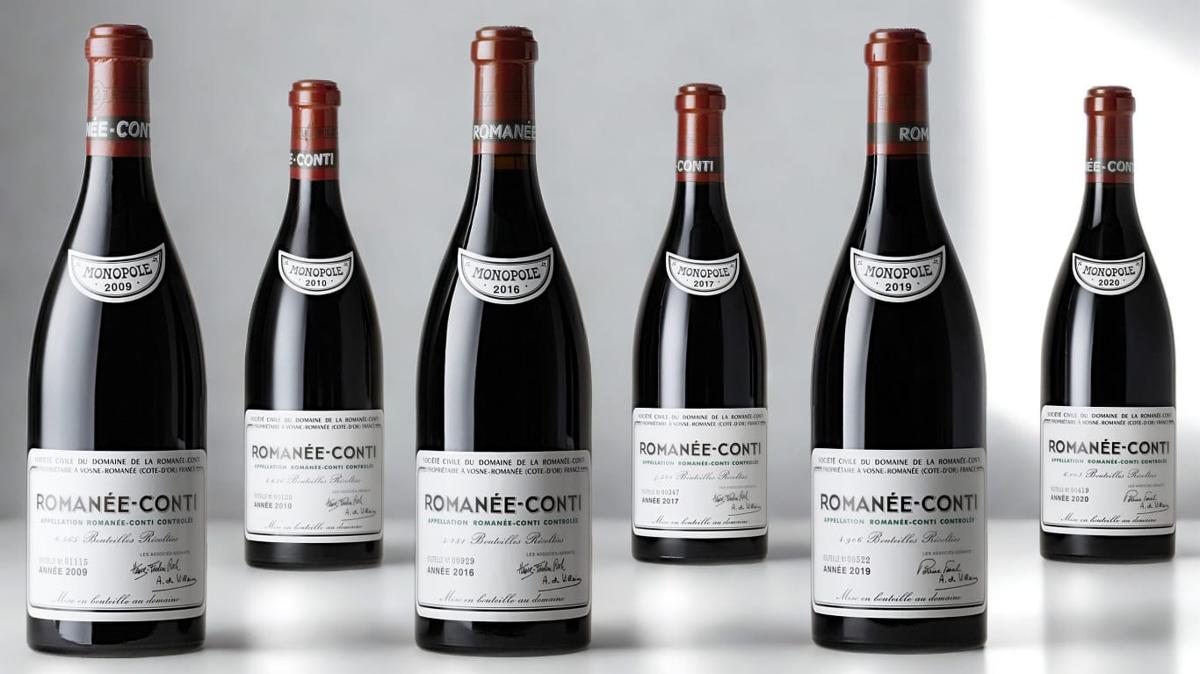
The 1947 Pétrus, the 1945 Mouton Rothschild, the 1945 Romanée-Conti, and the 1985 Sassicaia anchor the canonical references for what mature apex red wine can deliver. The wines routinely show beautifully at 30 to 50 years from great vintages.
Our coverage of the red wines that hold their value over decades walks the structural categories in detail.
White wine ageing: the underrated category
The white wines that hold their value over decades cluster more tightly than the reds. The Burgundy grand cru whites, the apex Champagne tier, the great German Rieslings, Yquem and the sweet Sauternes, and a small set of Loire icons together account for the structural top of collectible whites.
The Coche-Dury Corton-Charlemagne 1996, the Egon Müller Scharzhofberger TBA 1971, and the Yquem 1921 anchor the canonical references for what mature apex white wine can deliver. Great German Riesling at TBA level routinely shows beautifully at 40 to 60 years, longer than most red wines outside the apex.
This is the most underweighted category in serious international cellars relative to its long-term ageing performance, in our view.
Champagne's age curve and what collectors miss
Vintage Champagne's age curve is structurally different from most other white wines. The wines combine high acidity (which supports long ageability) with the secondary fermentation in bottle that adds the structural depth.
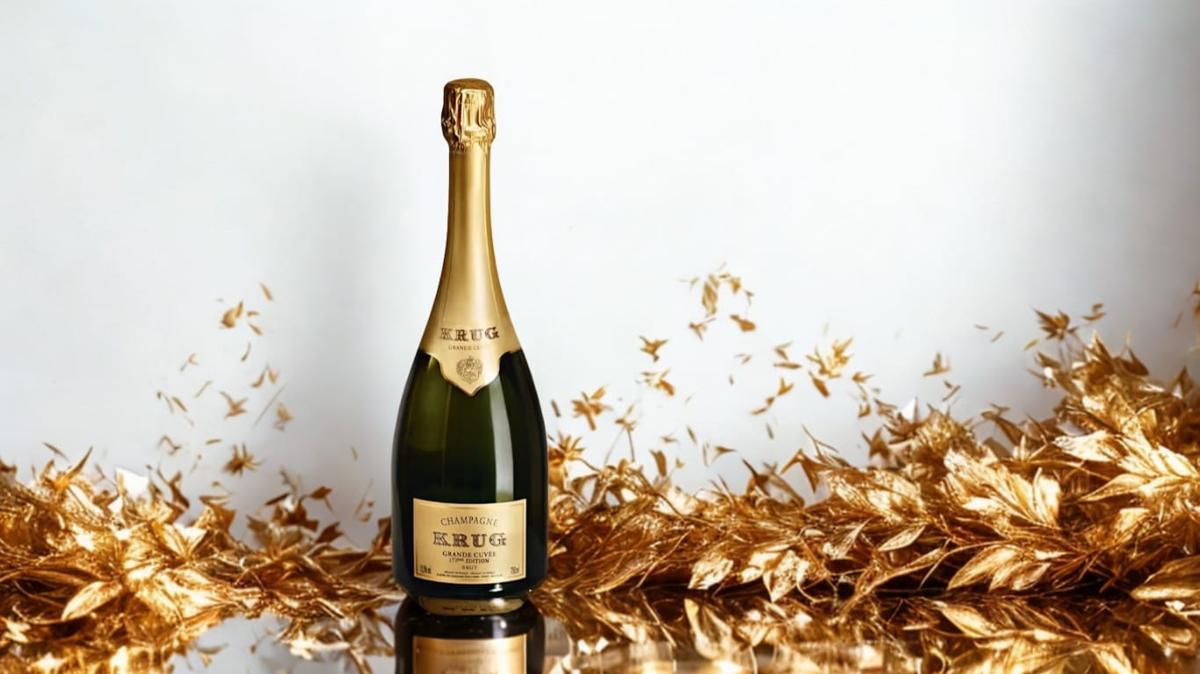
Great vintage Champagne from named producers (Krug, Salon, Dom Pérignon, Cristal, Bollinger La Grande Année) routinely shows beautifully at 30 to 50 years. The 1928 Salon, the 1996 Krug Clos du Mesnil, and the 2002 Krug Vintage all anchor the contemporary references.
The Liv-ex Champagne 50 has outperformed the broader Liv-ex 100 across most of the post-2018 window, and the structural argument is that the secondary market has been pricing in Champagne's long ageability as collectors have begun to take the category more seriously.
Yquem and the sweet wine apex
Château d'Yquem anchors the apex of sweet white-wine ageing. The 1811 Yquem cleared £75,000 at Bonhams in 2011, a result that remains a benchmark for the apex of pre-phylloxera wine collecting and demonstrates the structural ageing limit of the sweet wine category.
The 1921, 1945, 1959, 1967, 1989, 1990, and 2001 vintages remain canonical references. Great Yquem from these vintages routinely shows at 50 to 80 years in well-cellared bottles.
The category has spent the past decade in relative neglect compared with the more-fashionable red wine categories, which we'd argue creates structural value opportunity for long-term holders.
How vintage character interacts with ageing
Vintage character is the second structural variable in long-term ageing. Great vintages produce wines that age longer than equivalent producers in difficult years.
For reds, the Bordeaux 2010, 2009, 2005, 2000, 1990, 1989, 1982, 1961, and 1945 anchor the canonical vintages. The Burgundy 2015, 2010, 2005, 2002, 1999, 1990, and 1945 anchor the equivalent on the Pinot Noir side.
For whites, the Burgundy 2014, 2010, 2002, 1996, and 1990 anchor the canonical references. The German 2003, 2001, 1990, 1976, and 1971 anchor the Riesling apex. The Yquem 2001, 1990, 1989, 1967, 1945, and 1921 anchor the Sauternes apex.
Storage conditions and provenance discipline
Long-term ageing depends on storage conditions across the entire holding period. Temperature stability (ideally 12 to 14 degrees Celsius), humidity (60 to 70 percent), absence of light, and undisturbed positioning all matter for both categories.
Bonded storage at named warehouses (Octavian, London City Bond, EHD in France, and equivalent international facilities) provides the structural infrastructure for collectors building long-horizon cellars.
Provenance discipline matters equally for both categories. The major auction houses' authentication programmes apply to both red and white wines, and the structural premiums for verifiable provenance run at 15 to 25 percent across both categories.
Comparative cellar-construction framework
A serious cellar in 2026 typically allocates meaningfully to both categories. The relative weighting depends on the collector's drinking preferences, the holding horizon, and the secondary-market preferences of the regions where the cellar will eventually be sold or shown.
For collectors with multi-decade holding horizons, both categories deliver structural ageing performance. The structural ageing limits of apex sweet wines (Yquem, German TBA) exceed the structural ageing limits of all but the apex red wines.
Our Chardonnay collector's field guide and Cabernet Sauvignon collector's field guide walk the varietal-level depth on both sides.
What this means for collectors
The honest answer to which category holds up better across decades is that both deliver structural ageing performance at the apex. The conventional wisdom that places reds above whites does not survive contact with the data, particularly when sweet wines and apex Riesling are included in the picture.
The collector building a serious cellar in 2026 should anchor meaningful depth in both categories. Our red wines that hold their value over decades coverage sets the structural frame for the red side.
What we'll watch next
Three signals will tell us how the long-term ageing landscape evolves. First, whether climate change continues to shorten ageing curves for warm-vintage releases across both categories. Second, whether the apex Champagne tier extends its post-2018 outperformance against the broader Liv-ex 100.
Third, whether German Riesling earns broader collector recognition relative to its long-term ageing performance.
The categories above have weathered worse corrections than the current one. We don't expect 2026 to dislodge them.
We last reviewed this analysis in May 2026.