Choosing between Rolex and Grand Seiko in 2026 is one of the cleaner decisions in modern watch collecting, even if it doesn't feel that way at the boutique floor. Both makers sit firmly in the luxury tier. Both produce watches the auction houses take seriously.
- Rolex and Grand Seiko both anchor their respective national watchmaking traditions, but they answer different collector questions through different finishing philosophies.
- Rolex offers the deeper secondary market, the more predictable liquidity, and the longer track record of value retention across decades and economic cycles.
- Grand Seiko leads on dial finishing, Zaratsu polishing, and Spring Drive innovation, with a price-to-craft ratio that rewards collectors willing to look beyond Swiss orthodoxy.
- We see the Rolex pre-owned market as the cleaner entry point for first-time luxury buyers, while Grand Seiko rewards collectors who want depth and originality.
- Brand recognition still favours Rolex by a wide margin, which matters for resale flexibility and the social signalling many buyers acknowledge privately.
- A serious collector's shelf often includes both brands, because they cover different functional and aesthetic territories rather than competing for the same wrist slot.
- Who is this for?
- Collectors weighing Rolex against Grand Seiko, first-time luxury watch buyers, and established Rolex owners considering their first Japanese acquisition.
- What is happening?
- A side-by-side analysis of Rolex and Grand Seiko in 2026, covering finishing standards, market depth, value retention, and the collector profiles each brand serves.
- When did this emerge?
- The current comparison reflects post-2022 market dynamics, with Grand Seiko gaining steady ground while Rolex maintains its secondary-market depth.
- Where is this happening?
- Authorised dealers globally stock both brands, with Chrono24, Subdial 50, and Japanese specialists supplying the pre-owned market depth.
- Why does it matter?
- Choosing the right first or next acquisition shapes the rest of a collection, and these two brands answer fundamentally different questions about what serious watches should be.
Both have collector bases that hold their pieces over decades.
Rolex is built on iconic design, bulletproof durability and instant global recognition, using proprietary materials like Oystersteel and fielding legends like the Submariner and the Daytona. Grand Seiko takes a different path entirely, with the focus landing on precision and craftsmanship through breakthroughs like the Spring Drive movement and dial designs drawn from the quiet beauty of Japanese nature.
Put simply, Rolex is the watch for buyers who want tradition and instant recognition. Grand Seiko is the watch for buyers who want technical artistry and understated elegance. Neither choice is wrong.
They just say very different things about what a collector values.
Rolex watches: the structural Swiss benchmark
When most buyers think of luxury timepieces, Rolex is almost certainly the first name that comes to mind. Founded in 1905 in London, the brand has grown into a global icon of horological excellence, engineering precision and enduring prestige.
Wearing a Rolex is not just about telling time. It signals a benchmark of success, reliability and taste that the world instantly understands. So what fuels that level of desirability?
The answer runs deeper than marketing.
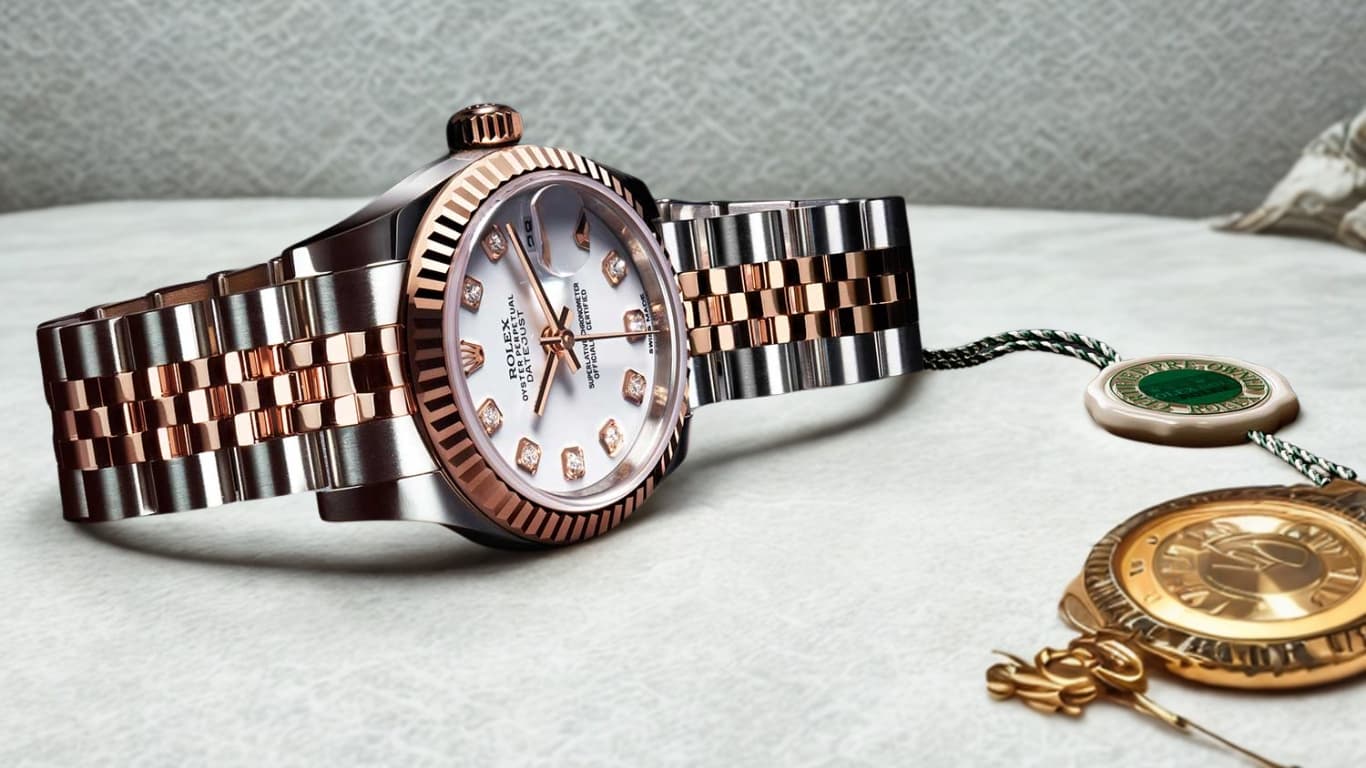
At the core of every Rolex is an obsessive commitment to quality. The brand builds its cases from 904L Oystersteel, a proprietary alloy that outperforms conventional stainless steel in corrosion resistance. Bloomberg has noted that Rolex's material choices are a key part of why these watches hold their value so well over decades.
Why Rolex movements set the standard
Rolex also produces its own in-house gold alloys, including the now-iconic Everose gold, to guarantee colour consistency and purity that no third-party supplier could match. This level of vertical integration gives the brand total control over every stage of production, which is rare even at the top of the market.
On the movement side, Rolex does not cut corners. The Calibre 3255, found in the Day-Date, delivers a 70-hour power reserve and holds precision to within minus 2 and plus 2 seconds per day. That beats the COSC chronometer standard by a comfortable margin.
The Calibre 3135, used for years in the Submariner and Datejust lines, tells a similar story. Its robust architecture and long-term reliability under pressure have made it one of the most admired movements in the industry.
One of Rolex's most enduring contributions to watchmaking was the invention of the Oyster Perpetual case back in 1926, the world's first truly waterproof wristwatch case. Most Rolex models today, including the Submariner and the Sea-Dweller, handle depths of 100 metres or more with ease. For collectors weighing purchase timing across the Swiss field, Rolex's enduring position in the market is part of the broader story.
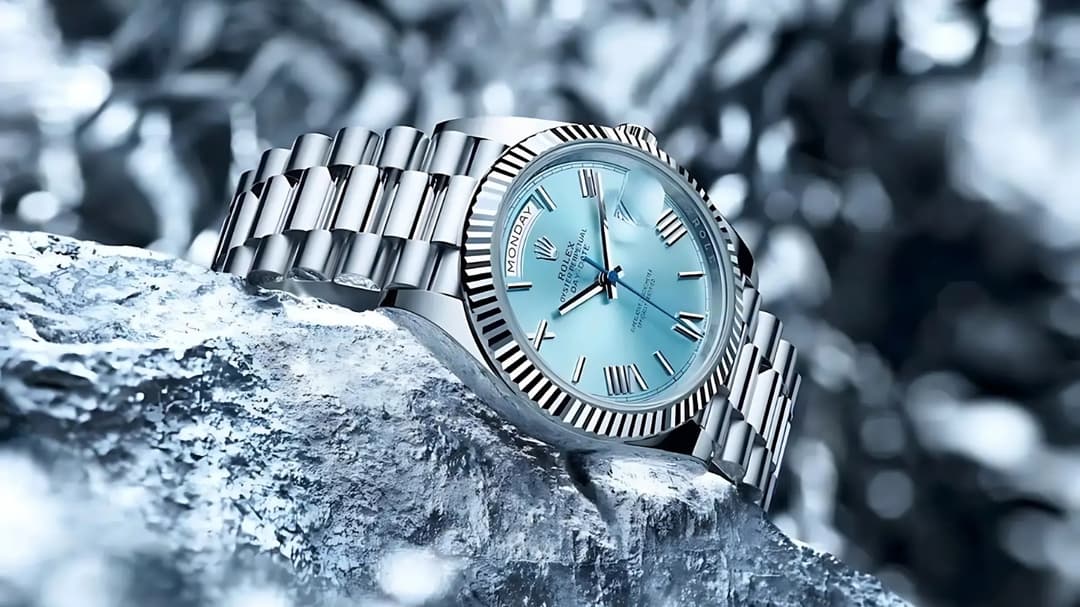
Grand Seiko watches: the Japanese craft alternative
While Rolex commands the spotlight in Swiss luxury watchmaking, Grand Seiko has quietly built a reputation that can go toe to toe with the best in the world. Not through flash or opulence, but through precision, artisanal craft and a design philosophy that rewards patience and close attention.
Founded in 1960 as Seiko's high-end division, Grand Seiko has matured into a brand that confidently rivals the finest Swiss marques. The difference is that Grand Seiko earns its place through mastery, not marketing.
Where Rolex trades on global status and visual symbolism, Grand Seiko speaks to connoisseurs who value refinement over recognition. The aesthetic leans toward minimalist sophistication, what you might call quiet luxury rather than overt display. You wear it for yourself, not for the room.
Spring Drive and the technical case
That subtlety comes through clearly in the Grand Seiko Elegance series, where proportion, finishing and harmony take centre stage. Bold branding is nowhere to be found. The watch itself does all the talking.
Grand Seiko's most defining technical achievement is the Spring Drive movement, a revolutionary mechanism that fuses mechanical energy with quartz-level precision. The result is a seconds hand that glides in a perfectly smooth, continuous arc, completely unlike the ticking motion of traditional Swiss watches.
Robb Report has called the Spring Drive one of the most original movement concepts in modern watchmaking, and the Grand Seiko Snowflake, reference SBGA211, is the model that brought that innovation to international attention.
Hi-Beat and the Zaratsu finishing
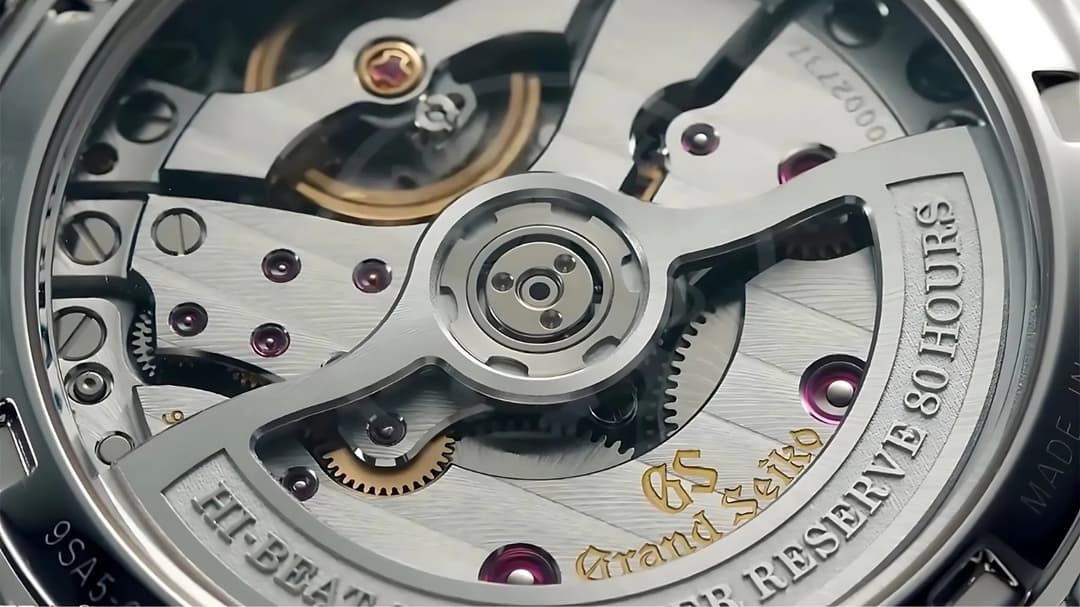
Grand Seiko also leads in high-frequency watchmaking through its Hi-Beat 36,000 movements. Running at 36,000 vibrations per hour, these calibres deliver remarkable timekeeping accuracy and long-term stability that puts them in direct competition with the most advanced Swiss movements available.
The SBGH273 is a strong example of what Hi-Beat technology looks like in practice. A robust, high-performance mechanical watch that punches well above its price point.
What truly sets Grand Seiko apart, though, is its artisanal finishing. Every watch is handcrafted in Japan, primarily at the Shizukuishi Watch Studio for mechanical pieces and the Shinshu Studio for Spring Drive and quartz models. The brand's signature Zaratsu polishing technique produces distortion-free mirror surfaces that reflect light with a clarity and depth you rarely see anywhere else in luxury watchmaking.
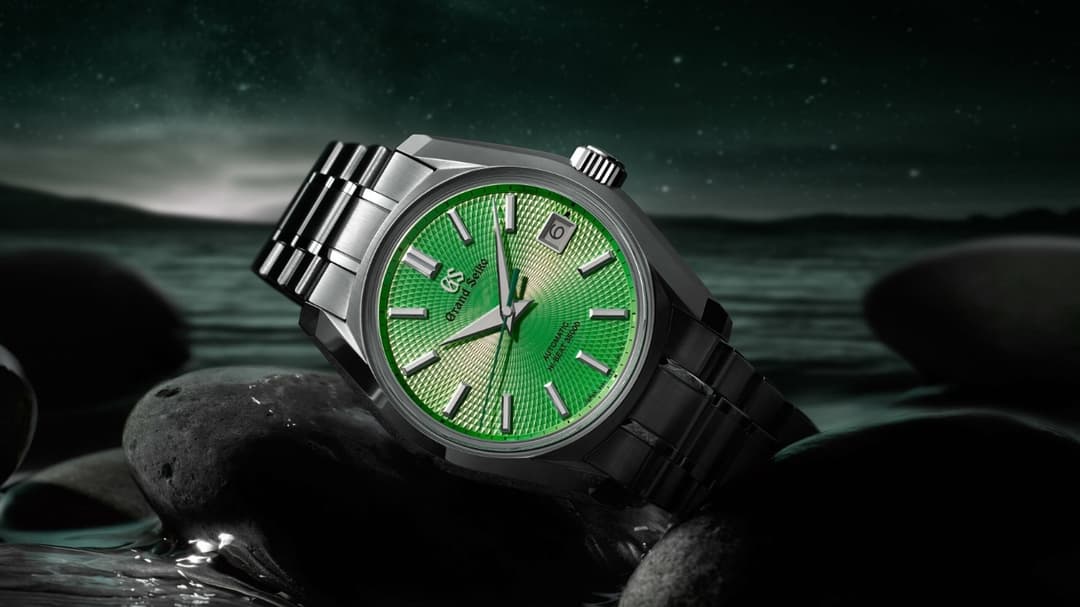
Rolex vs Grand Seiko prices compared
For any serious collector or first-time buyer, price is more than a number. It reflects perceived craftsmanship, secondary-market depth, and the story a watch is going to tell. Rolex's reputation is baked into its price tags.
Entry into the Rolex world typically starts with the Oyster Perpetual, which ranges from around $5,000 to $15,000 depending on size and dial configuration. The Submariner, one of the most recognised watches on the planet, starts around $8,000 but climbs to $19,000 or beyond once you factor in two-tone or full precious metal constructions.
Demand consistently outpaces supply, which only pushes prices higher on the secondary market. At the top of the lineup, models like the Daytona and the Sky-Dweller start at roughly $14,000, with gold, platinum or diamond-set configurations easily clearing $60,000. For collectors thinking about the resale side of the equation, Rolex consistently outperforms most other watch brands on the secondary market.
Where Grand Seiko's pricing sits
Grand Seiko takes a different approach to positioning. The brand sits firmly in the luxury tier, but its pricing strategy opens the door to a wider range of serious buyers who want world-class watchmaking without a six-figure outlay.
The iconic SBGA211 Snowflake, the watch that made Grand Seiko famous outside Japan, is priced at around $5,800. For a timepiece with Spring Drive technology and a dial that looks like it was carved from fresh snow on a Japanese mountain, that is extraordinary value.
Mid-range Grand Seiko pieces, including Spring Drive and Hi-Beat automatics, generally fall between $7,000 and $12,000 depending on case material, dial complexity and finishing. At the high end, the Elegance Collection and Masterpiece Collection feature limited edition pieces with intricate finishing and artisanal dials in enamel or urushi lacquer.
Summary of pricing ranges
Here is how the two brands break down side by side.
- Rolex
- Entry-Level (e.g., Oyster Perpetual): $5,000 to $15,000
- Mid-Range (e.g., Submariner, Explorer): $8,000 to $19,000
- High-End (e.g., Daytona, Sky-Dweller): $14,000 to $60,000+
- Grand Seiko
- Entry-Level: $4,000 to $6,000
- Mid-Range (Spring Drive, Hi-Beat): $7,000 to $12,000
- High-End (Masterpiece Collection): $20,000 to $30,000+
Rolex commands higher prices and stronger resale value across the board. Grand Seiko offers comparable craftsmanship and more technical innovation at price points that feel far more approachable. Depending on what a buyer wants from a watch, both represent considered moves.
Quality and durability compared
Both Rolex and Grand Seiko command deep respect for their commitment to quality. They arrive at that reputation through very different philosophies, and understanding those differences helps determine which belongs on a buyer's wrist.
Rolex is the benchmark for professional tool watches. The emphasis is on ruggedness and resilience, watches that perform in conditions where failure is not an option. The Submariner is the most compelling proof of this philosophy.
It handles water resistance down to 300 metres, features a unidirectional rotatable bezel for precision dive timing, and uses a Cerachrom ceramic insert that shrugs off scratches and UV exposure without losing its colour. The case itself is carved from 904L Oystersteel, Rolex's proprietary alloy that holds up in saltwater environments better than virtually anything else on the market.
Rolex Explorer II and the Glidelock clasp
The Explorer II tells a similar story. Built for spelunkers, mountaineers and adventurers, this watch is engineered to operate under extreme temperatures, altitudes and pressure without missing a beat.
It runs on the in-house Caliber 3285, equipped with a Parachrom hairspring that resists shocks and magnetic fields. Rolex also fits many of its professional models with the Glidelock clasp, which lets you adjust bracelet size on the fly, useful when you are strapping it over a wetsuit or expedition jacket.
Grand Seiko's precision-first durability
Grand Seiko approaches durability from a different angle entirely. The watches are absolutely built to last, but the focus lands on aesthetic perfection and movement accuracy rather than pushing the limits of waterproofing or shock resistance.
The Zaratsu polishing technique, used across most Grand Seiko cases, produces a mirror surface that is not only visually stunning but also more resistant to micro-abrasions than conventionally finished steel. The hardness achieved during that process gives the case real-world durability alongside its beauty.
On the technical side, the Spring Drive movement sets a precision standard that even Rolex cannot claim to match. It holds accuracy to plus or minus 1 second per day, beating the Superlative Chronometer threshold that Rolex uses as its own benchmark. Grand Seiko also works with high-grade stainless steel, titanium and platinum in its upper-tier models.
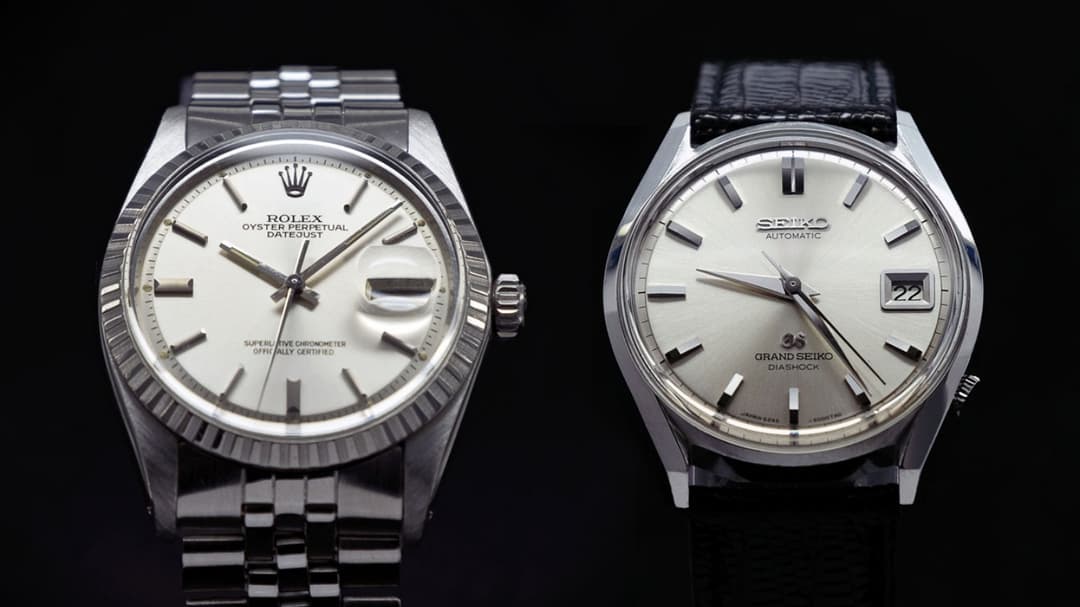
Famous models compared head to head
The most useful way to read the two brands is reference by reference. Some of the most celebrated models from both makers stack up in interesting ways once you actually compare them.
Rolex Submariner vs Grand Seiko SBGA229 Spring Drive Diver
The Rolex Submariner is the quintessential dive watch, a design so iconic that it has barely needed to change in decades. Water resistance, durability and movement precision make it the default choice for divers and serious collectors alike.
The Grand Seiko SBGA229 takes a more refined approach to the dive watch concept, built around the Spring Drive movement and delivering that ultra-smooth seconds hand motion that Grand Seiko does better than anyone.
Both are excellent watches. The Submariner is the pick for tradition, robustness and instant global recognition. The SBGA229 is the pick for sophisticated technology in a more understated, elegant package.
Rolex Datejust vs Grand Seiko SBGA211 Snowflake
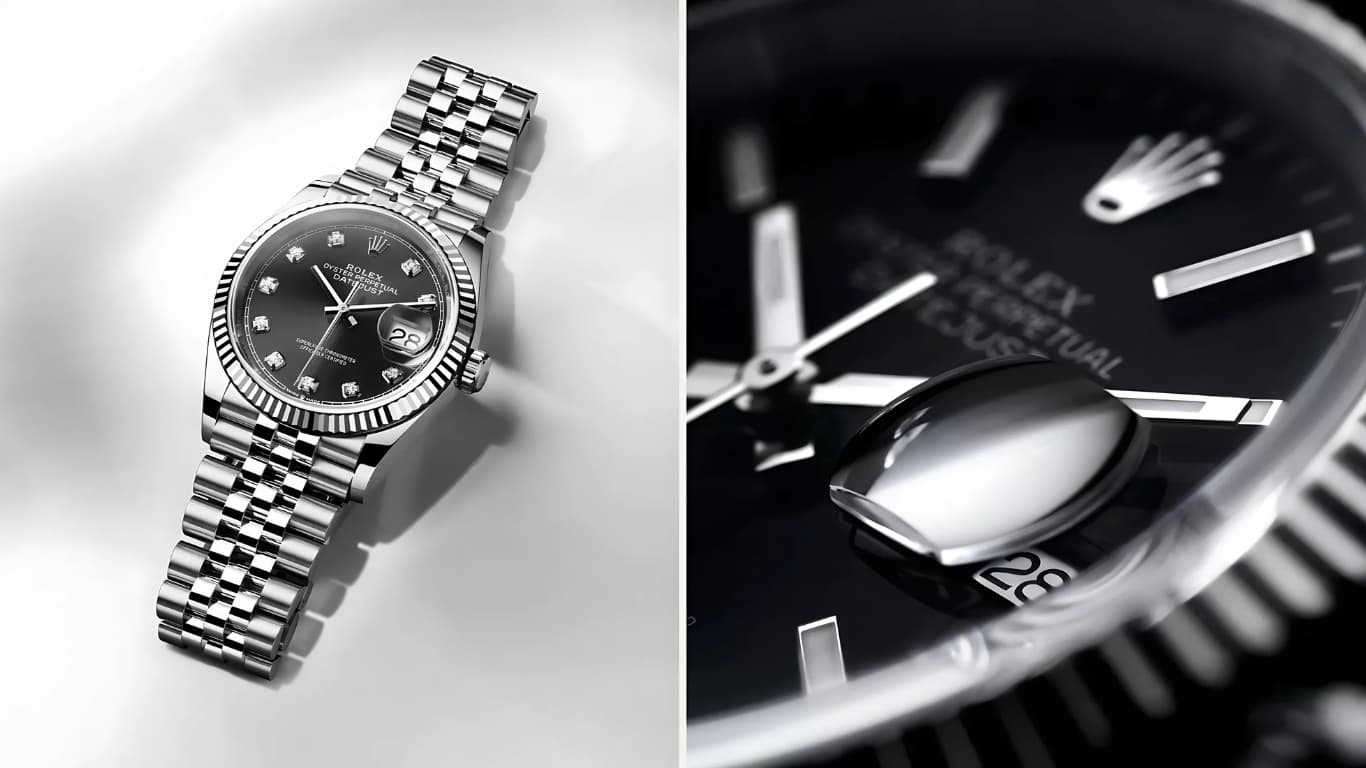
The Datejust is one of the most versatile watches Rolex has ever made. It suits a boardroom, a dinner table and a weekend equally well. The Cyclops date magnifier gives it that unmistakable Rolex identity the moment someone clocks it across the room.
The Grand Seiko Snowflake operates in a different emotional register. That dial, textured to resemble freshly fallen snow on a Japanese mountain, gives the watch an artistic quality that you simply do not find in Swiss watchmaking. Add the titanium case for featherlight comfort, and you have something genuinely special.
If bold tradition is what a buyer is after, go Datejust. If the buyer wants understated craft that rewards a second look, the Snowflake is a hard watch to walk away from.
Rolex Daytona vs Grand Seiko SBGH273 Hi-Beat
The Daytona is one of the most coveted watches in the world, full stop. Its connection to motorsports history runs deep, and its chronograph functionality is as clean and purposeful as watchmaking gets.
The Grand Seiko SBGH273 plays a very different game. The Hi-Beat movement operates at 36,000 vibrations per hour, which translates to better timekeeping stability than most mechanical watches can offer. The design is precise, clean and built for buyers who care more about what is inside the case than what it says on the outside.
Want a chronograph with legendary heritage? The Daytona. Want an engineering-first mechanical watch with a dial that rewards quiet appreciation?
The SBGH273.
Which watch should you choose in 2026?
The choice between Rolex and Grand Seiko comes down to one simple question. What does a buyer want their watch to say about them?
- Rolex is ideal for buyers looking for a status symbol, a watch with strong historical significance, or something that offers top-notch durability. It's bold, instantly recognisable, and has the deepest secondary-market depth in modern watch collecting.
- Grand Seiko is perfect for collectors who appreciate subtlety, precision and exceptional craftsmanship without the flash. For a watch that demonstrates artistic design and engineering excellence in equal measure, Grand Seiko delivers consistently.
Rolex watches carry a higher price tag across the board, and their resale value on the secondary market is virtually unmatched in the watch world. Grand Seiko gives collectors exceptional craftsmanship, genuinely innovative movement technology, and artisanal finishing at price points that feel far more accessible for what they're getting.
If precision and quiet innovation drive the decision, Grand Seiko fits. If a buyer wants iconic design and a watch that holds or builds its value over time, Rolex wins that conversation. Either way, neither is a poor choice.
What this means for collectors next
The longer story for collectors deciding between the two is that the choice itself is increasingly being made together rather than against. Plenty of serious collections we see now hold both: a Submariner and a Snowflake, a Datejust and a Spring Drive Diver. The two registers genuinely complement each other rather than competing for the same wrist.
For first-time buyers, the question of whether tradition or precision matters more is the cleanest filter. For collectors with established collections, the Grand Seiko addition is increasingly the considered move once the structural Rolex pieces are in place.
We last reviewed this analysis in May 2026.

Frequently Asked Questions
- Is Grand Seiko considered a luxury?
- <br><br>Yes, Grand Seiko is absolutely a luxury brand. Crafted by master watchmakers in exclusive studios, each timepiece is made with top-tier materials and precision movements.

Stefanos Moschopoulos
Stefanos Moschopoulos founded The Luxury Playbook in Athens and has spent the better part of a decade following the auction calendar, the en primeur releases, and the watchmakers, gallerists, and shipyards the magazine covers. He writes the field guides and listicles that anchor the Connoisseur section — pieces built on Phillips and Christie's results, Liv-ex movements, and conversations with collectors he has met across Geneva, Bordeaux, Basel, and Monaco. His own collecting habits sit closer to watches and wine than art, and it shows in the level of detail in the magazine's coverage of those categories. Under his direction, The Luxury Playbook now publishes long-form field guides, market-defining year-end listicles, and the Voices interview series with the founders behind the houses and the brands.