Swiss watch collectors have been moving with unusual speed since the United States imposed a 39% tariff on Swiss-made watches in mid-2026. The policy landed on a market already running tight, with supply constraints from the major Swiss manufactures and a sustained appetite for blue-chip references, and turned what was a slow upward drift in pricing into something that feels more compressed.
- Swiss watch collectors are advancing planned purchases ahead of the expected 2026 retail price increases, with Rolex, Patek, and Audemars Piguet leading the affected catalogues.
- Manufacturer price hikes typically range from 5 to 12 percent annually in the modern era, with secondary-market values often following the new retail anchor within months.
- The franc-dollar exchange rate and the wider Swiss cost-of-production pressure both inform the 2026 hike cycle, which collectors should anticipate rather than ignore.
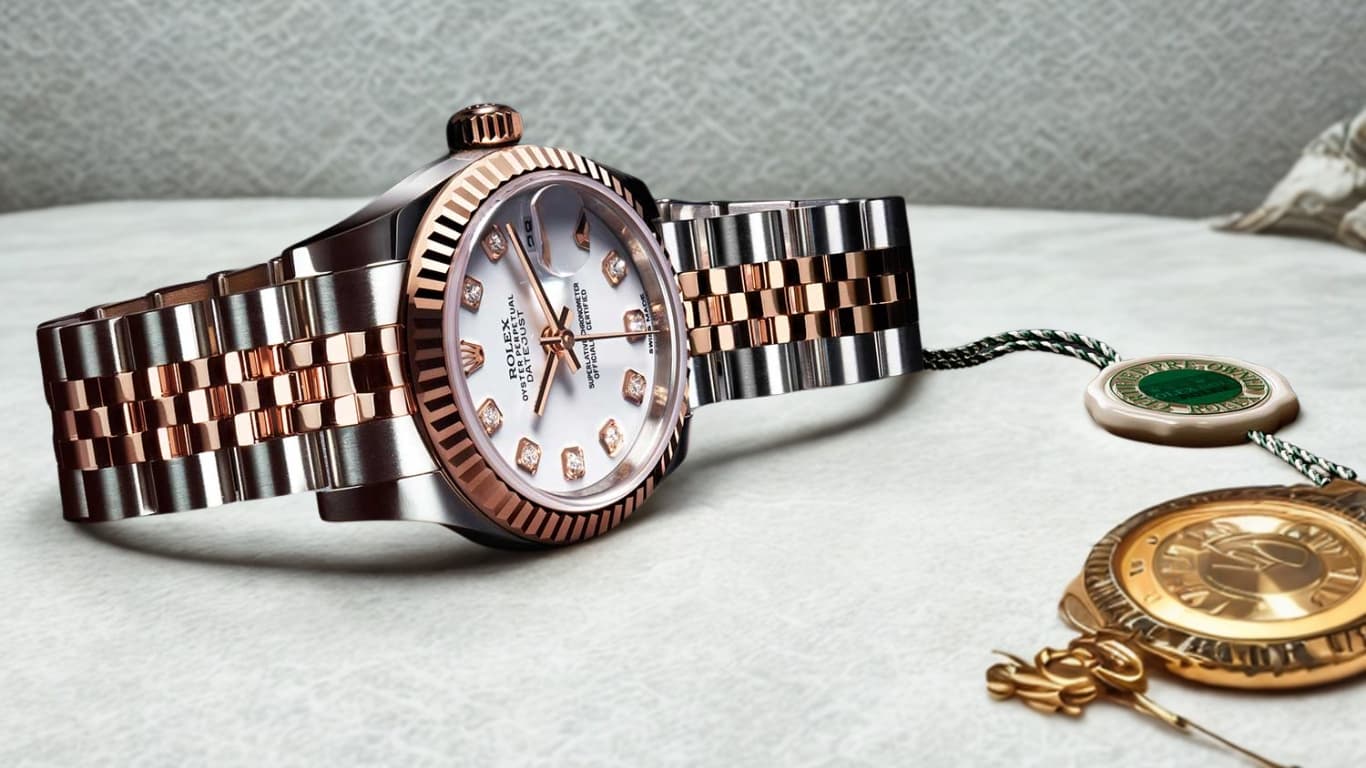
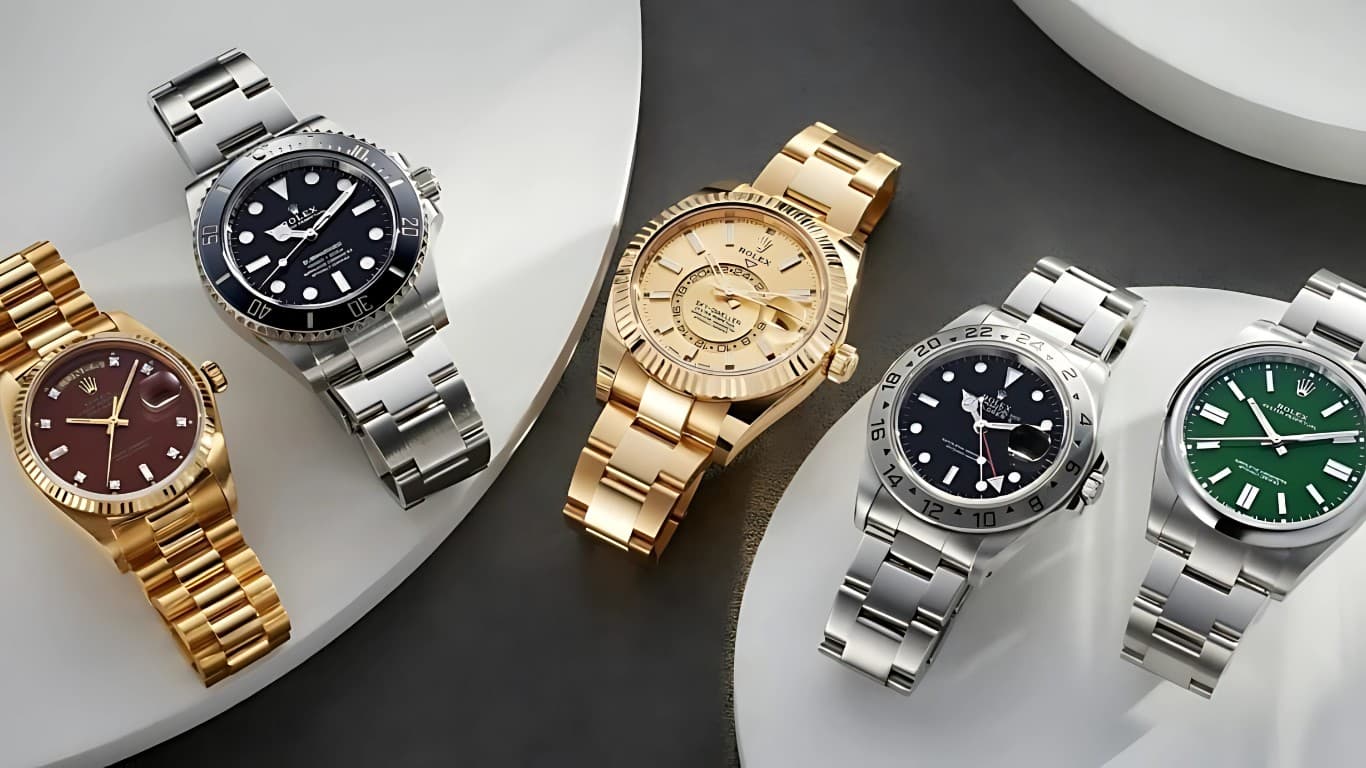
- We see the strongest pre-hike opportunities in modern Rolex Datejust, Submariner, and GMT references that still sit on dealer waitlists at the existing retail tier.
- Patek Philippe Calatrava and Aquanaut references represent the most acute hike risk, with the brand historically applying the largest annual percentage increases on signature lines.
- Buyers entering now should anchor on condition, completeness, and the precise reference rather than reaching for an inferior piece to beat a deadline.
- Who is this for?
- Active collectors planning 2026 purchases, dealers managing inventory positioning, and investors tracking Swiss watch market dynamics.
- What is happening?
- A grounded read on why Swiss watch collectors are acting before the expected 2026 retail price hikes, covering Rolex, Patek, AP, and broader market dynamics.
- When did this emerge?
- The current pre-hike behaviour reflects the late-2025 manufacturer announcements and the broader pattern of annual Swiss retail increases.
- Where is this happening?
- Authorised dealers globally manage the pre-hike inventory positioning, with Chrono24 and Subdial 50 confirming the secondary-market price adjustments.
- Why does it matter?
- A 5 to 12 percent retail hike compounds across multiple references, which makes pre-hike acquisition the most consistent way to lock in current pricing.
Authorised dealers report a noticeable uptick in inquiries, particularly for the Rolex Submariner, Patek Philippe Nautilus and Omega Speedmaster. Pre-owned platforms are seeing similar pressure on listings.
What's worth understanding is that the current rush isn't really about tariffs alone. Several pricing forces have lined up at roughly the same moment, and the cumulative effect on Swiss watch retail and secondary pricing is meaningful enough that the conversation in collector circles has shifted from "when do I buy" to "what's still accessible at the current price."
What's actually pushing the prices up in 2026
The 39% U.S. tariff is the headline driver. In practice, a watch that retailed for $10,000 before duties could now sit closer to $14,000 once it reaches the U.S. market. Some authorised dealers are absorbing part of the increase temporarily; most will adjust pricing as new stock arrives, and that adjustment is already visible in real time at certain points of sale.
Currency pressure is layered on top. The Swiss franc has gained roughly 4 to 5% against the U.S. dollar since early 2024, which makes Swiss exports more expensive for foreign buyers and squeezes the pricing power Swiss manufactures have spent decades protecting. Rolex, Omega and Patek Philippe (all known for strict pricing discipline) face the same arithmetic.
Raw materials add another layer. Gold has been trading well above $2,400 per ounce through 2026, sharply above its 2023 average of around $1,950. Stainless steel pricing has risen with European energy and transport costs.
Both materials sit at the core of premium watchmaking, particularly for sport models, and the production-cost arithmetic is moving with them. Subtle increases from several Richemont brands are already visible in late-2026 price lists, and the broader expectation among dealers is that more brands will adjust through Q4.
Which brands are absorbing the pressure most directly
Rolex is the most-affected brand by simple market share. The U.S. is among its largest single markets, and the demand profile gives it limited room to absorb tariff costs without retail adjustment. A steel Daytona or Submariner that retailed at $10,000 to $13,000 may now sit closer to $14,000 to $18,000 once duties and currency effects are factored in. Demand has not eased; if anything, the pre-hike rush has lengthened existing waitlists.
Patek Philippe and Audemars Piguet sit in a similar position structurally, but with the leverage that exclusivity affords. The Patek Nautilus 5811, already trading above retail on the secondary market, is likely to see grey-market pricing climb further as access tightens. Both manufactures rely on limited production to maintain value, which gives them negotiating room when costs move.
Omega, part of the Swatch Group, is exposed through wide U.S. presence and a more moderate price band that leaves less margin to absorb tariff costs. Authorised dealers have already shown 5 to 10% Speedmaster increases in some markets. The Richemont brands (IWC, Jaeger-LeCoultre, Vacheron Constantin) appear to be moving more gradually, with subtle annual adjustments rather than abrupt jumps.
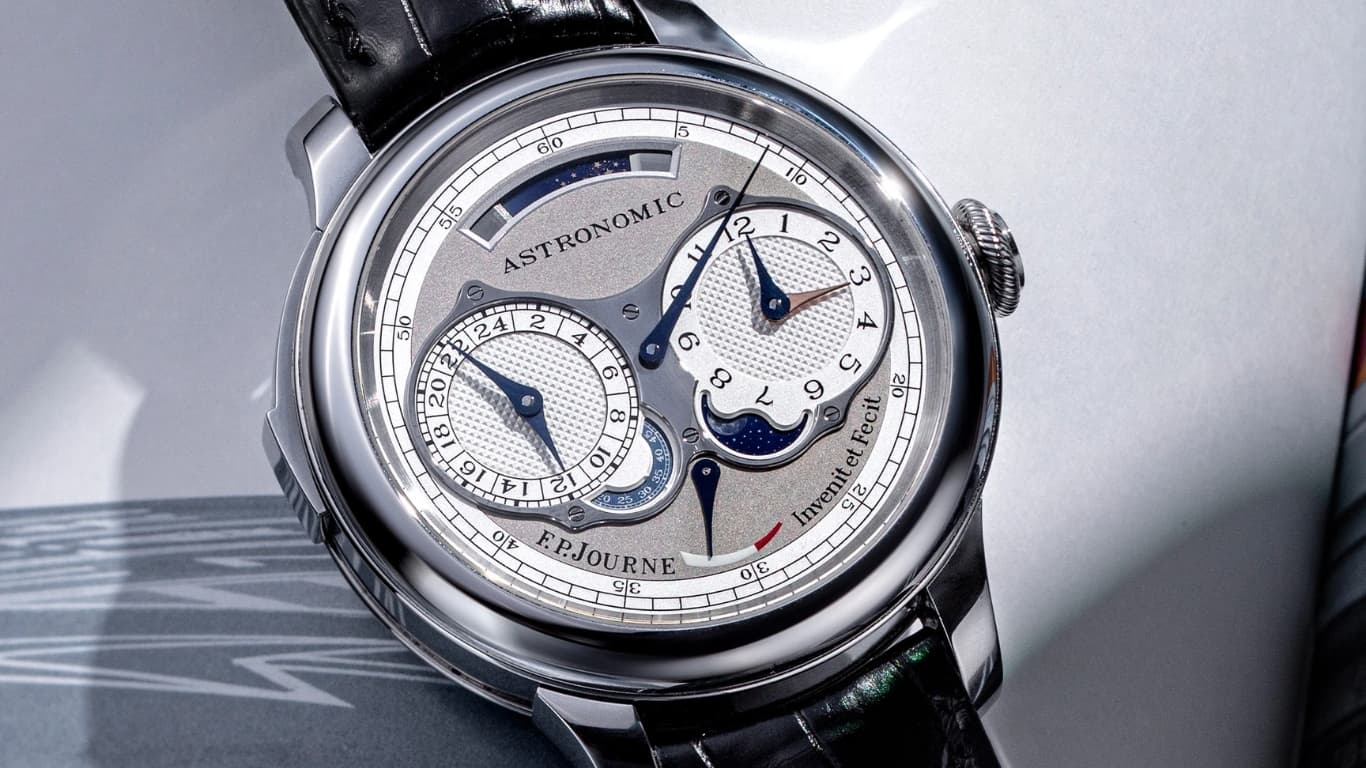
Independent makers like H. Moser & Cie, Laurent Ferrier and F.P. Journe are less exposed to tariff effects (their U.S. volume is lower) but feel the currency and raw-material pressures directly. Their handcrafted production runs already command pricing premiums, and the supply remains genuinely constrained, which is what makes their references resilient when broader pricing tightens.
How the secondary market is responding
Chrono24 and WatchBox have been showing tighter listings on flagship Swiss references for several weeks, with some sellers pulling inventory in anticipation of relisting at higher pricing later in the year. The dynamic mirrors what happened during previous European VAT hikes, when collectors moved on inventory just before taxes took effect.
A regional arbitrage is also at work. European and Middle Eastern collectors, not directly affected by the U.S. tariff, are spotting an opportunity to acquire references now and supply U.S. buyers through private channels later. The expectation across the dealer community is that price gaps between markets will widen through 2026, particularly for the most-traded references.
The watch dealer community's working consensus is that the window for current pricing is narrow. Smart collectors, the saying goes, don't just acquire watches; they read timing. And right now, timing matters more than it has in any moment since the 2021-2022 secondary cycle.
What collectors are actually watching next
The market is not without risk. If the U.S. tariffs are eased through diplomatic channels (a possibility several dealers consider real), pricing pressure could reverse meaningfully. A broader luxury slowdown could soften demand at the same time, particularly in the mid-tier band where references don't carry the brand power to weather a downturn.
For now, the signals point in one direction. Tariffs, currency strength, raw-material pressure and a more expensive supply chain together describe a market where Swiss watch pricing is moving up, and where the references that hold their position best are the ones already established at the top of the collector conversation. Hodinkee's market coverage and the watch desks at the major auction houses have all framed the dynamic in similar terms across the past quarter.
What this means for serious collectors
The collectors we hear from at this tier are not panicking, but they are moving deliberately. The Submariner, the Daytona, the Nautilus and the Royal Oak Jumbo are the references where the current pricing window matters most, because those four pieces sit at the structural top of the contemporary collecting conversation and the retail-vs-secondary spread is widening fastest on them.
For collectors with allocation conversations underway at the major boutiques, the practical advice from the trade press has been consistent: convert the allocation when it comes, rather than waiting for clarity that may take quarters to arrive. The economics behind the 2026 pricing shift are structural enough that a substantial reversal is not the working assumption across the dealer network.
We last reviewed this analysis in May 2026.


Stefanos Moschopoulos
Stefanos Moschopoulos founded The Luxury Playbook in Athens and has spent the better part of a decade following the auction calendar, the en primeur releases, and the watchmakers, gallerists, and shipyards the magazine covers. He writes the field guides and listicles that anchor the Connoisseur section — pieces built on Phillips and Christie's results, Liv-ex movements, and conversations with collectors he has met across Geneva, Bordeaux, Basel, and Monaco. His own collecting habits sit closer to watches and wine than art, and it shows in the level of detail in the magazine's coverage of those categories. Under his direction, The Luxury Playbook now publishes long-form field guides, market-defining year-end listicles, and the Voices interview series with the founders behind the houses and the brands.