Rolex vs TAG Heuer in 2026 is, in practice, a question about what kind of luxury watch a buyer actually wants on their wrist. Both Swiss makers have their strengths, and the better brand depends entirely on what a buyer wants from a serious timepiece.
- Rolex and TAG Heuer occupy adjacent tiers in luxury sports watches, but the gap in finishing, movement architecture, and secondary value retention remains material.
- TAG Heuer Monaco and Carrera references deliver genuine motorsport heritage at meaningfully lower entry costs than the comparable Rolex Daytona or Submariner.
- Rolex secondary pricing holds firmer through cycles, while TAG Heuer typically depreciates more aggressively in the first ownership window before stabilising.
- We see TAG Heuer as the strongest first-mechanical-watch option in the sub-five-figure tier, particularly for buyers drawn to chronograph and racing history.
- In-house TAG Heuer calibres, including the Heuer 02, have closed part of the manufacturing gap but service infrastructure still favours the Rolex ecosystem.
- Vintage Heuer references from the 1960s and 1970s have appreciated meaningfully, with collector interest validating the heritage TAG Heuer continues to market.
- Who is this for?
- Buyers weighing Rolex against TAG Heuer, first-time luxury watch buyers in the sub-five-figure tier, and Rolex owners considering a heritage chronograph acquisition.
- What is happening?
- A comparative read of Rolex and TAG Heuer in 2026, covering finishing, motorsport heritage, secondary-market dynamics, and the collector profiles each brand serves.
- When did this emerge?
- The comparison reflects post-2022 market dynamics, with TAG Heuer's in-house calibre investment and Rolex's waitlist depth both shaping current buyer choice.
- Where is this happening?
- Authorised dealers globally stock both brands, with vintage Heuer concentrated through specialist auction houses and dedicated dealers in Geneva and London.
- Why does it matter?
- These two brands answer different questions about luxury sports watches, and the right comparison helps buyers spend with intent rather than by reflex.
Rolex is the embodiment of tradition, craftsmanship and prestige, making it the ideal choice for buyers who want a timeless, collector-grade timepiece. TAG Heuer skews sportier, more accessible, and packs in modern innovations like smartwatches and high-precision chronographs, making it the better fit for buyers who lead active, fast-moving lives.
For buyers drawn to history, prestige and long-term collector value, Rolex is the clear winner. For buyers who want a watch that reflects a dynamic lifestyle without a five-figure-plus price tag, TAG Heuer is the smarter call.
Rolex: the structural luxury benchmark
When buyers think of a luxury timepiece at its absolute peak, Rolex is almost certainly the first name that comes to mind. Founded in 1905, Rolex has built an unrivalled reputation for precision, reliability and timeless elegance.
It's a name that resonates not just with hardcore watch collectors but with anyone who sees a Rolex on a wrist as a mark of achievement and refined taste. Rolex watches are celebrated for their durability and mechanical excellence.
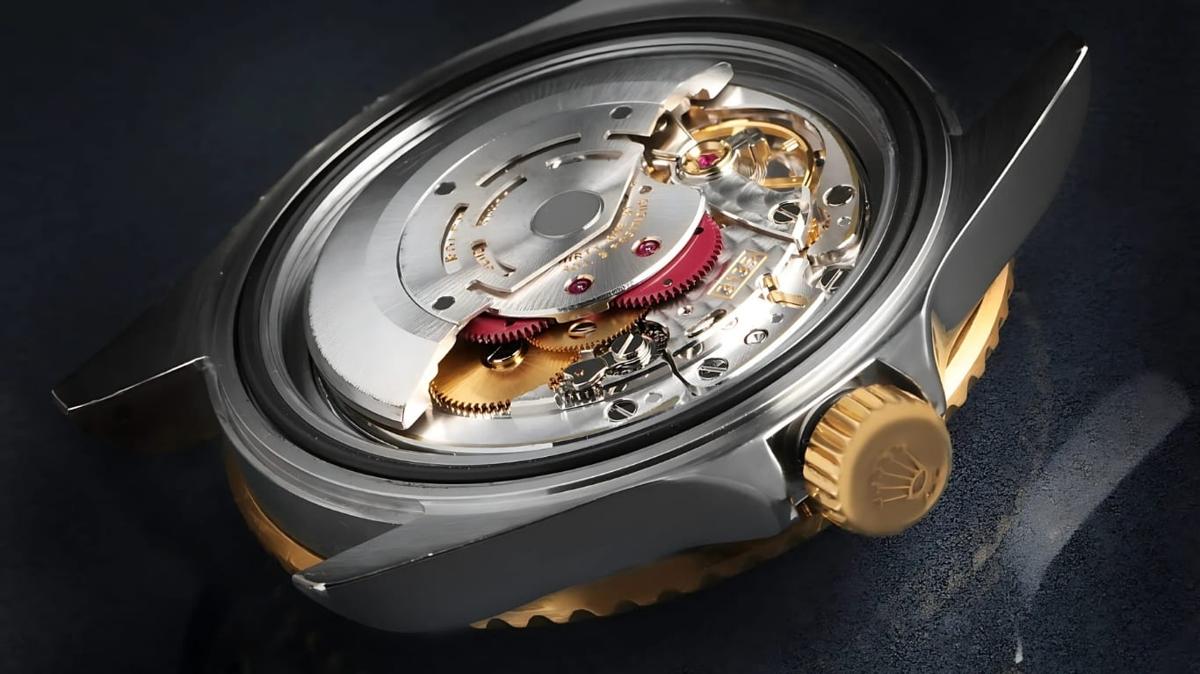
Every timepiece is built around an in-house movement that goes through rigorous testing to meet the brand's uncompromising standards. Before any model leaves the factory, it's evaluated for water resistance, shock absorption and timekeeping accuracy. Buyers are getting a watch engineered to perform under pressure, not just look good in a display case.
Rolex's defining technical innovations
The brand's commitment to innovation shows up in a series of pioneering advancements that shaped the modern wristwatch as collectors know it today.
- Oyster Perpetual Case: Introduced in 1926, this was the world's first waterproof case and remains a defining feature of Rolex watches today.
- Parachrom Hairspring: A patented innovation offering remarkable resistance to shocks and magnetic fields, enhancing accuracy in even the most extreme conditions.
- Perpetual Movement: In 1931, Rolex perfected the self-winding mechanism, which has since become a hallmark of convenience and reliability.
Rolex is equally obsessive about materials. The brand runs its own foundry, which means complete control over the production and quality of every metal that goes into a watch. That level of vertical integration is rare even at this price point.
- 904L Oystersteel: A superior stainless steel alloy known for its exceptional resistance to corrosion and high-gloss finish.
- Cerachrom Bezels: Crafted from advanced ceramic materials that are virtually impervious to scratches and UV-induced fading.
- Sapphire Crystals: Scratch-resistant and ultra-clear, they protect the dial while maintaining pristine visibility.
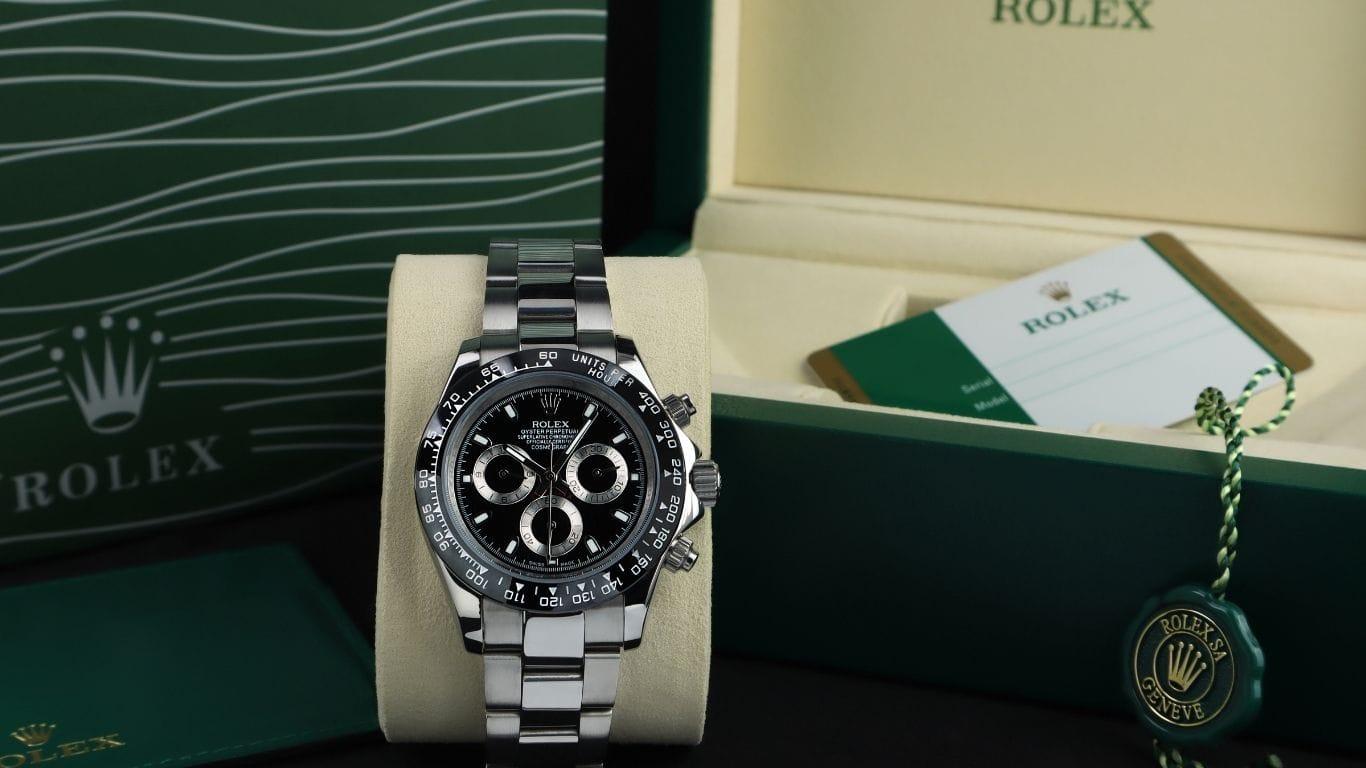
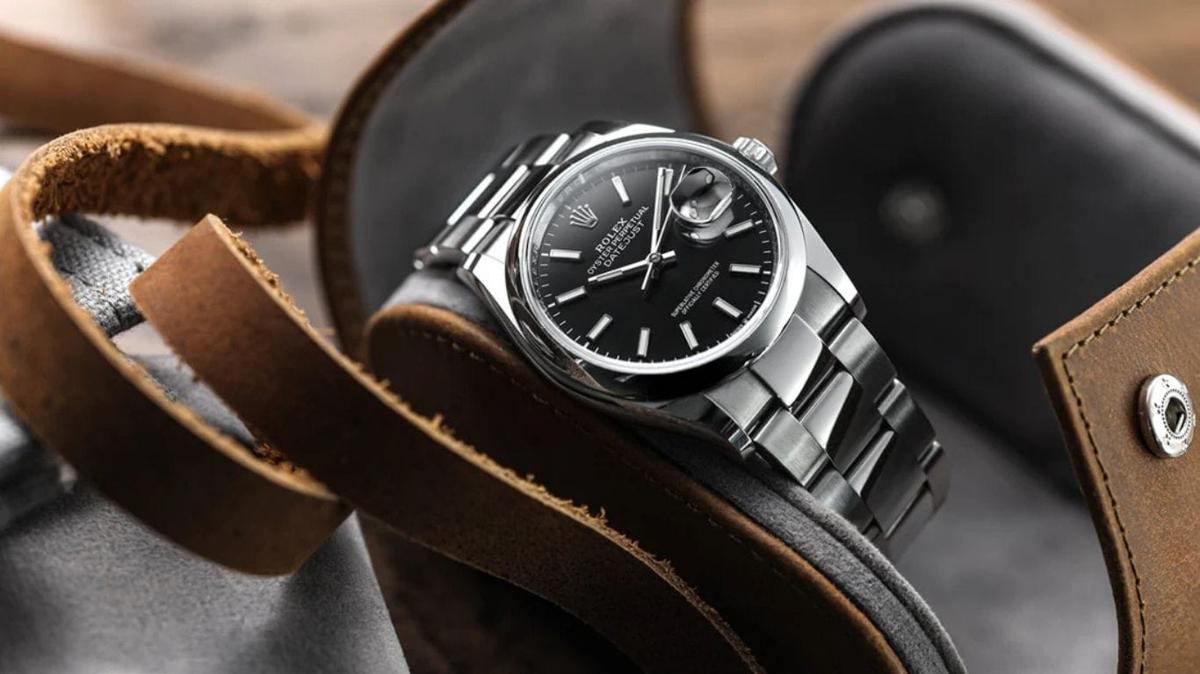
All Rolex movements are developed and manufactured entirely in-house. Two calibres worth knowing are the Caliber 4130, which powers the legendary Daytona with a highly efficient chronograph mechanism, and the Caliber 3235, which drives the Datejust and delivers an impressive 70-hour power reserve.
TAG Heuer: motorsport heritage and modern Swiss design
TAG Heuer has been a prestigious name in Swiss watchmaking since 1860, and it brings a distinctive blend of technical innovation, motorsport heritage and contemporary design to the luxury watch world. Founded by Edouard Heuer, the brand carved out its own space by combining high-performance engineering with bold, sporty aesthetics that still look sharp today.
Where Rolex leans into timeless elegance and understated luxury, TAG Heuer speaks directly to buyers who care about speed, precision and modern technology. Its long-standing association with motorsports and athletics runs through both the design and the functionality of its watches.
One of TAG Heuer's most significant contributions to watchmaking is the oscillating pinion, invented in 1887. That breakthrough mechanism is still widely used in modern mechanical chronographs today, which tells you everything about how deep the brand's expertise in precision timing actually runs.
TAG Heuer's modern technical innovations
TAG Heuer keeps pushing boundaries through technological advancement and bold product development. Key innovations span from micro-mechanical breakthroughs to full smartwatch ecosystems, covering everything a modern watch buyer could want from a sport-focused Swiss brand.
- TAG Heuer Connected: A luxury smartwatch collection that fuses high-end watchmaking materials with digital capabilities, offering a sophisticated alternative in the wearable tech market.
- Mikrograph: A revolutionary mechanical chronograph capable of measuring time to 1/100th of a second, reaffirming the brand's dominance in precision timing instruments.
For materials and construction, TAG Heuer puts strength and resilience front and centre. The designs tend to be robust, masculine and sporty, built for buyers who actually wear their watches hard rather than keeping them locked in a safe.
- Stainless Steel: Extensively used across the range, valued for durability and rugged appeal.
- Ceramic Bezels: Found on popular models like the Aquaracer and Carrera, ceramic components offer exceptional scratch resistance and a sleek, modern aesthetic.
TAG Heuer produces several of its movements in-house, including the Heuer 02 automatic chronograph, which offers an 80-hour power reserve and a column wheel mechanism for precise operation. To keep pricing competitive, the brand also incorporates reliable third-party movements from ETA and Sellita across various models. It's a pragmatic approach that makes sense at this price point.
Rolex vs TAG Heuer price comparison
When evaluating luxury watches, price shapes everything from brand accessibility to long-term collector value. Rolex and TAG Heuer occupy very different parts of the market.
Rolex carries the weight of heritage, exclusivity and enduring secondary-market depth. TAG Heuer offers a more accessible route into serious Swiss watchmaking, drawing in enthusiasts who want sport-inspired design and genuine innovation without the premium price tag attached to the crown.
Even entry-level Rolex models are considered collector-grade, thanks to strict production controls, strong resale demand and a timeless appeal that doesn't fade. Buyers are not just acquiring a watch, they're acquiring a piece with measurable secondary-market depth.
Where Rolex pricing sits across the catalogue
- Entry-Level Rolex (Oyster Perpetual): $5,000 to $15,000: Positioned as the gateway into the Rolex world, the Oyster Perpetual offers a minimalist design with superior finishing. Despite being the most affordable Rolex, it is often sold above retail on the secondary market due to supply shortages.
- Mid-Range Rolex (Submariner, Explorer, GMT-Master II): $8,000 to $30,000: This tier includes Rolex's most iconic sports models. The Submariner, often retailing around $9,100, can reach up to $14,000 pre-owned. GMT models like the "Pepsi" or "Batman" often trade well above retail prices.
- High-End Rolex (Daytona, Yacht-Master II): $25,000 to $80,000+: These models are crafted in precious metals and offer advanced complications. A steel Rolex Daytona, retailing around $15,000, routinely resells for $35,000 to $40,000.
Rolex watches retain an average of 90 percent of their retail value, with certain models like the Daytona appreciating substantially across a five-year window. Phillips, Christie's and the major specialist dealers all track this depth consistently across the brand's references.
Where TAG Heuer pricing sits
TAG Heuer offers a more accessible entry into the luxury watch market, with designs built for motorsport enthusiasts, younger buyers and professionals who appreciate sport-inspired sophistication at a price that doesn't require a second mortgage. The brand isn't known for dramatic value appreciation, but it delivers solid performance and genuine brand heritage at price points that make it a realistic first serious watch.
- Entry-Level TAG Heuer (Formula 1, Aquaracer): $1,500 to $3,000: These models offer dependable quartz or automatic movements with robust cases designed for active lifestyles. The Aquaracer, in particular, is favoured for its dive functionality and daily wearability.
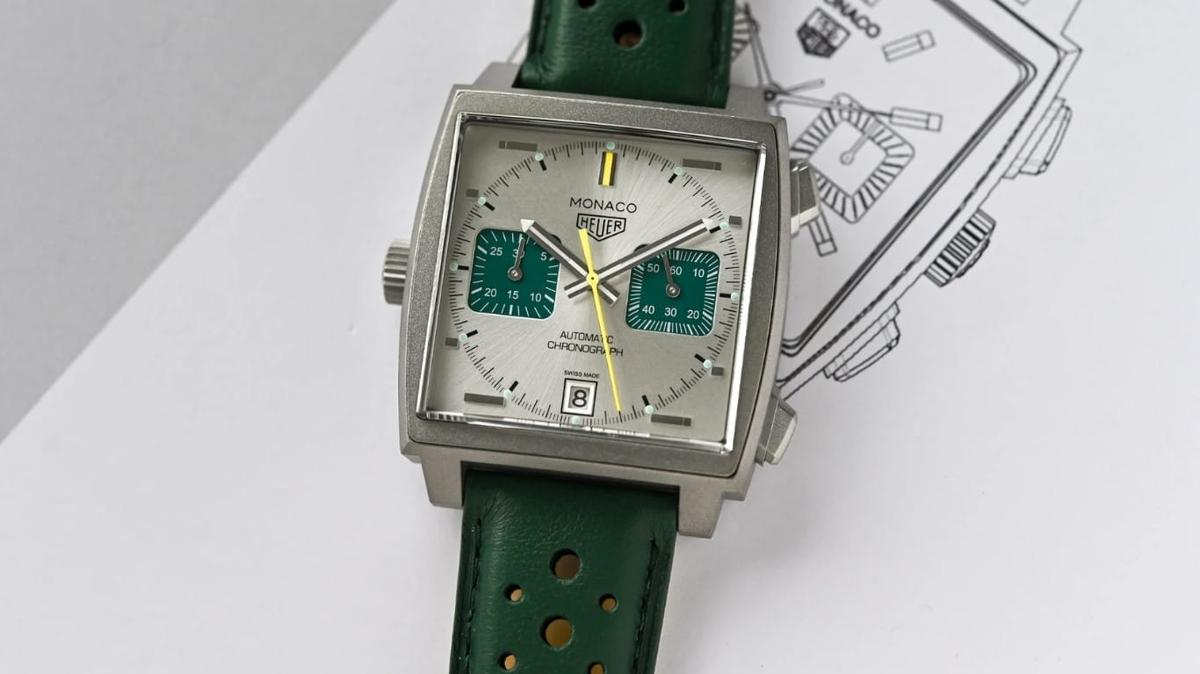
- Mid-Range TAG Heuer (Carrera, Monaco): $3,000 to $6,000: Chronograph-equipped models dominate this range. The Carrera line features both heritage-inspired and modern variants, while the Monaco, famously worn by Steve McQueen, stands out for its iconic square case and racing pedigree.
- High-End TAG Heuer (Heuer 02 Chronographs, Special Editions): $6,000 to $8,000+: Featuring in-house movements and exclusive designs, these watches are TAG Heuer's finest offerings.
In terms of value retention, TAG Heuer watches generally hold around 60 to 70 percent of their retail value over time. That's respectable for the segment, even if it doesn't match the secondary-market depth of Rolex.
Models featuring in-house calibres or strong legacy appeal, like the Monaco and Carrera, tend to perform best on the secondary market. Limited editions in particular can punch well above their weight when the right collector comes calling.
What the two value propositions actually mean
From a pure collector perspective, the two brands tell very different stories. Rolex is the one to acquire if a buyer wants the watch to function as both a wearable piece and a structurally liquid secondary-market reference. TAG Heuer is the one for buyers who want exceptional quality and design at a price that leaves room for other pursuits.
- Rolex is a proven performer for collectors seeking long-term value retention and high liquidity in the secondary market. Its combination of limited production, global demand and timeless design secures its position as the leading collector-grade Swiss watch brand.
- TAG Heuer offers exceptional value for money and brand prestige at a lower price point, making it an ideal choice for newcomers to luxury horology or buyers prioritising design, function and accessibility over resale performance.
Both brands deliver high-quality Swiss watches, but their value propositions sit in different corners. Rolex functions as a wearable cultural object with deep secondary-market depth. TAG Heuer is the gateway to refined sportiness and technical heritage without the full premium.
Iconic models compared head to head
Put Rolex and TAG Heuer side by side and you quickly see that each brand brings something genuinely distinct to the table. Rolex is about technical superiority, understated prestige and impressive secondary-market depth. TAG Heuer leans into bold design, motorsport DNA and accessibility.
Both are credible luxury watches. But they're built for different kinds of buyers, and a closer look at their flagship models makes that contrast even clearer.
Rolex Submariner vs TAG Heuer Aquaracer
Start with the diving watches. The Rolex Submariner versus the TAG Heuer Aquaracer is a classic comparison.
Both are built for underwater performance, but they differ in execution, prestige and price point in ways that matter. The Submariner has been the benchmark for luxury dive watches since 1953.
Both are capable dive watches with serious credentials. The Submariner's movement quality, brand prestige and material choices put it in a higher luxury tier. The Aquaracer, by contrast, is ideal for buyers who want a reliable, stylish tool watch without committing to a five-figure investment.
Rolex Daytona vs TAG Heuer Monaco
Then there are the chronographs, where motorsport heritage really takes centre stage. The Rolex Daytona and TAG Heuer Monaco are both icons in this space, but with completely different personalities.
The Daytona is refined and understated. The Monaco is bold, square-cased and unapologetically dramatic. Both have passionate followings for good reason.
The Daytona's secondary-market depth puts it firmly in the upper collector tier. The Monaco's iconic design and McQueen-era cultural weight gives it staying power at a fraction of the Daytona's price point.
Quality and features compared
For quality, both Rolex and TAG Heuer produce exceptional watches, but they serve different segments of the luxury market. Rolex is obsessive about detail and consistency, while TAG Heuer focuses on precision and innovation in sport-oriented design.
Rolex has built its entire reputation on producing highly durable, precise timepieces engineered to last for decades. A Rolex is built to handle deep-sea diving, mountain climbing and arctic conditions without missing a beat. Few brands match Rolex's combination of in-house production and long-term wearability.
Rolex's defining quality markers
- Water Resistance: Rolex watches are known for their superior water resistance, especially in models like the Submariner, which is water-resistant up to 300 metres. The Rolex Deepsea offers water resistance up to 3,900 metres.
- Superlative Chronometer Certification: Rolex watches undergo stringent testing that goes beyond the industry-standard COSC certification. The Superlative Chronometer certification guarantees a precision rate of −2/+2 seconds per day.
- Cerachrom Bezel: Found in models like the Submariner and Daytona, the Cerachrom bezel is a nearly scratch-proof ceramic material that maintains its vibrant colour over time.
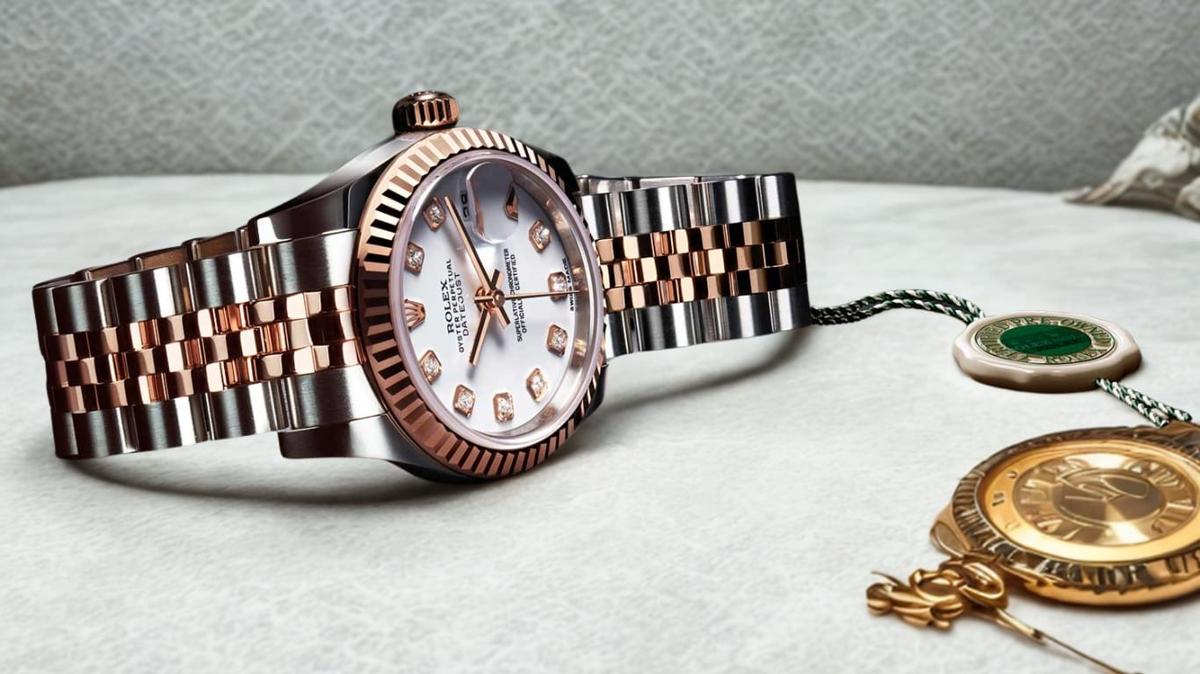
- Rolex Bracelets: Rolex's Oyster, Jubilee and President bracelets are considered some of the most comfortable and durable in the luxury watch industry. The Glidelock clasp allows for fine adjustments to bracelet length.
TAG Heuer's defining quality markers
TAG Heuer brings Swiss-made precision to a more accessible and sport-inspired space. Where Rolex goes for timeless elegance, TAG Heuer brings a modern, tech-driven edge that appeals to buyers who want their watch to keep up with an active life rather than sit quietly in a boardroom.
- Chronograph Functionality: TAG Heuer's Carrera and Monaco models are renowned for their chronograph complications, allowing wearers to measure time with high precision. The Monaco's square case is both iconic and bold.
- Smartwatches: TAG Heuer has ventured into the world of luxury smartwatches with the TAG Heuer Connected line. These watches blend modern technology with high-end materials like titanium.
- Racing Heritage: TAG Heuer's strong ties to motorsports are evident in many of their designs, particularly the Formula 1 and Carrera collections. Tachymeter bezels and chronographs are designed for those with a passion for speed.
Which watch should you choose between Rolex and TAG Heuer?
The choice between Rolex and TAG Heuer really comes down to who a buyer is, how they live, and what they expect from a watch over the long run. There's no wrong answer here, just a matter of which brand actually fits the buyer's world.
For buyers who prioritise timeless elegance, exceptional durability and horological prestige, Rolex stands out as the stronger option. With meticulously engineered in-house movements, a legacy of genuine innovation and market-leading value retention, a Rolex is as much a statement of considered taste as it is a sound long-term acquisition.
The Submariner, Daytona and Datejust define luxury watchmaking at the highest level and stay highly coveted on the secondary market year after year. That kind of staying power is hard to argue with.
When Rolex is the right choice
Rolex is the right choice for buyers who:
- Want a timeless and versatile luxury timepiece that suits both formal and casual occasions.
- Value superlative chronometer accuracy and 100 percent in-house craftsmanship.
- View the purchase as a long-term acquisition with strong resale potential.
- Prefer a brand associated with prestige, exclusivity and global recognition.
When TAG Heuer is the right choice
TAG Heuer speaks to a different kind of luxury buyer, one who appreciates modern, sporty aesthetics and genuinely innovative design. With deep roots in motorsports and a reputation for precision chronographs, TAG Heuer gives buyers exceptional functionality at a price point that leaves room for other moves.
The Monaco and Carrera carry strong, unmistakable design identities. Collections like the TAG Heuer Connected bridge the gap between traditional Swiss luxury and smart technology in a way very few brands have managed to pull off convincingly.
TAG Heuer is the better fit for buyers who:
- Prefer a bold, contemporary design with a sport-driven edge.
- Seek entry into the luxury watch world at a more approachable price point.
- Have a keen interest in chronographs or smartwatches, especially those inspired by motorsport heritage.
- Appreciate a dynamic brand that blends technology with classic Swiss craftsmanship.
What this means for collectors next
Both Rolex and TAG Heuer deliver exceptional quality at their respective price points. The real question is whether a buyer values enduring heritage and collector depth, or design and everyday versatility.
For buyers looking at which pieces are commanding premiums on the secondary market, our report on the secondary market rewarding top watch releases is worth reading before any final decision. Get the question of what matters most right, and either brand can anchor a serious watch on the wrist for years to come.
We last reviewed this analysis in May 2026.