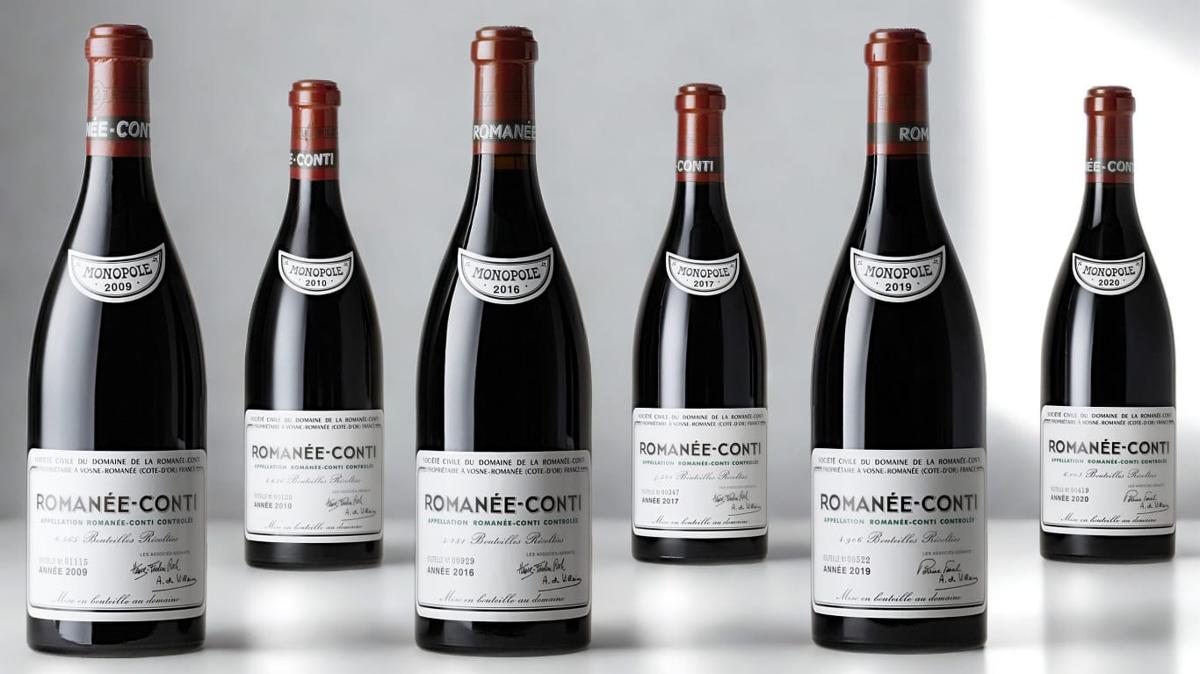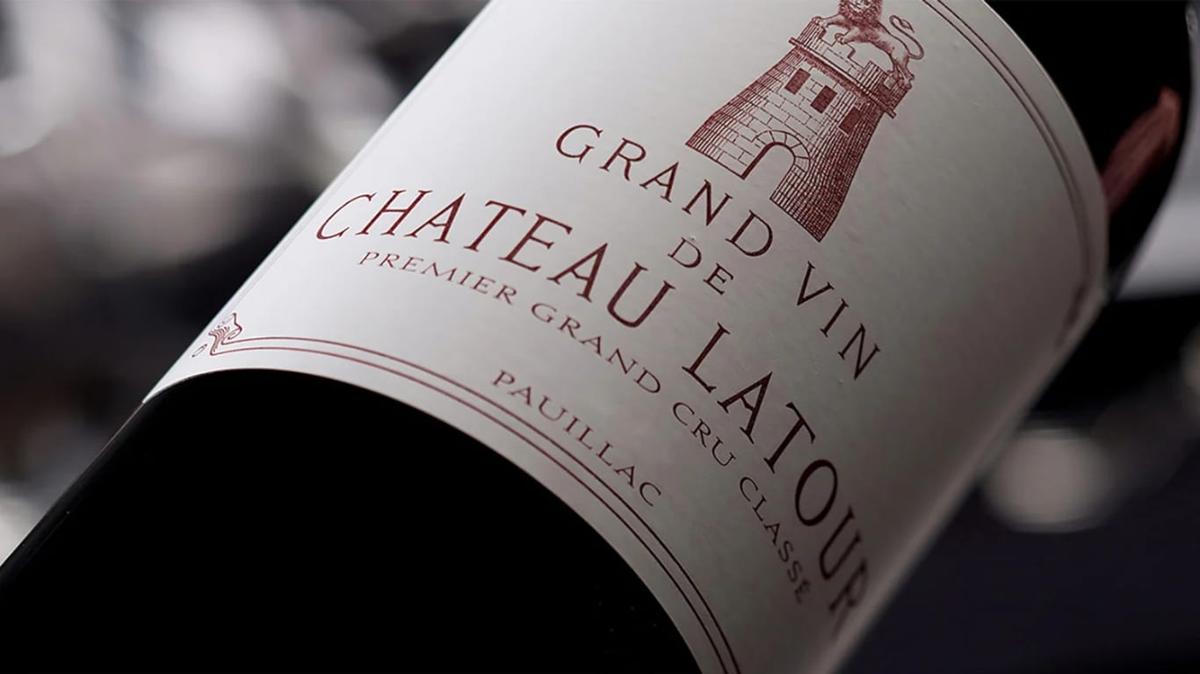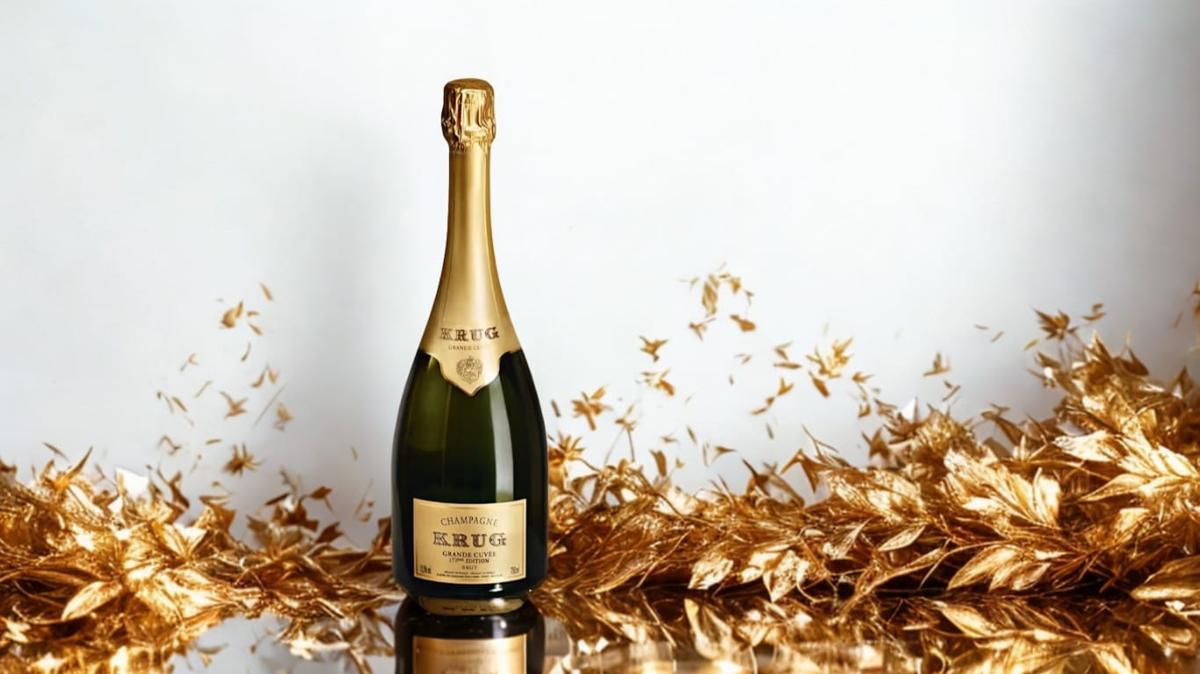
The single-vineyard versus blended-wine question shapes how serious cellars get built. Single-vineyard wines are about expressing a specific terroir as transparently as possible: La Tâche, Le Montrachet, Lafleur, Bryant Family.
- Single-vineyard wines and blends represent two structurally distinct philosophies, and the choice shapes how serious cellars get built.
- Single-vineyard work is about expressing a specific terroir as transparently as possible, with La Tache, Le Montrachet, Lafleur, and Bryant Family as the references.
- Blends are about balance, complexity, and the winemaker's hand integrating multiple vineyards or varietals, with Bordeaux First Growths and the Super Tuscans as canonical examples.
- Champagne's non-vintage tradition is the most ambitious blending project in fine wine, layering multiple vintages and grand cru villages into the house style.
- Liv-ex's Burgundy 150 tracks the single-vineyard market, while the Bordeaux 500 anchors the blended-wine secondary-market depth.
- For serious cellars both approaches deserve weight, with the relative proportion shaped by the broader Bordeaux-versus-Burgundy cellar architecture.
- Who is this for?
- Cellar builders weighing the structural balance between single-vineyard work and blended wines, and serious collectors clarifying their cellar philosophy.
- What is happening?
- We compare single-vineyard wines and blends as cellar positions, with the regional, producer, and stylistic variables that distinguish the two approaches.
- When did this emerge?
- The piece reads the contemporary post-2020 market, with both the Liv-ex Burgundy 150 and Bordeaux 500 trajectories as live structural context.
- Where is this happening?
- Burgundy's Cote d'Or, Bordeaux's Left and Right Banks, Champagne, and the Super Tuscan tier as the structural reference regions on both sides.
- Why does it matter?
- Understanding the structural distinction between single-vineyard work and blending matters for cellar architecture, and missing the depth on either side narrows the cellar unnecessarily.
Blended wines are about balance, complexity, and the winemaker's hand integrating multiple vineyards or varietals into a wine larger than the sum of its parts: Bordeaux First Growths (almost all Bordeaux is blended), Champagne (most non-vintage Champagne blends across vintages and producers), the Super Tuscans that made Italian wine internationally famous.
Both approaches produce serious wines worth serious cellar attention. They do different things, and Liv-ex's Burgundy 150 and Bordeaux 500 indices track the secondary markets on each side.
This is our editorial comparison of single-vineyard wines and blended wines for collectors building cellar depth across both categories.
Single-vineyard wines: terroir transparency
The single-vineyard approach concentrates fruit from a named, often mapped, often historically classified vineyard into a wine that aims to express that specific site's character. The greatest examples come from regions where vineyard names carry serious legal and historical weight.
Burgundy's grand cru and premier cru system maps every serious vineyard down to the parcel. Italy's Barolo and Barbaresco zones increasingly do the same with the Menzioni Geografiche Aggiuntive (MGA) system. California's named vineyards (To Kalon, Beckstoffer Georges III, Madrona Ranch) carry serious recognition.
The character question is direct. A single-vineyard wine from a serious site, La Tâche from DRC, Le Montrachet from Domaine de la Romanée-Conti or Domaine Leflaive, Coche-Dury Corton-Charlemagne, Lafleur Pomerol, Bryant Family Vineyard Cabernet from Pritchard Hill, is meant to taste like that vineyard's terroir, not like the producer's house style or any blended composite. The producers' work is essentially about getting out of the way of the site.
Blended wines: complexity and balance
The blended approach combines wines from multiple vineyards (or multiple varietals, or both) into a final wine that aims for balance, complexity, and (in the great cases) consistency across vintages. Bordeaux is the structural reference for the blending tradition. Almost all serious Bordeaux blends Cabernet Sauvignon, Merlot, Cabernet Franc, and Petit Verdot in proportions varying by vintage to maintain the producer's house style.
The First Growths, the Super-Seconds, the Right Bank icons: all blended. Champagne is another structural reference. Most non-vintage Champagne (the foundation of the major houses) blends across multiple vintages.
Krug Grande Cuvée famously incorporates wines from over 100 different cuvées spanning more than a decade.
Vintage Champagne typically blends across vineyards within a single year. The blending discipline produces wines whose complexity emerges from the integration rather than from any single component.
The Super Tuscan tradition (Tignanello, Solaia, Sassicaia) represents the modern Italian expression of the blending approach. The producers built wines that combined Italian terroir with Bordeaux blending discipline, often with extraordinary results.
Pricing and secondary market
Both approaches span the full price spectrum in fine wine. At the very top, single-vineyard wines from the named Burgundy producers reach the steepest per-bottle clearing prices in red wine. DRC Romanée-Conti, La Tâche, and Richebourg from strong vintages clear $5,000 to $30,000+ for current releases and $30,000 to $100,000+ for mature library releases.
Coche-Dury Corton-Charlemagne and Domaine Leflaive Bâtard-Montrachet anchor the white-wine equivalent at $5,000 to $15,000+ at major auctions.
At the very top of the blended-wine category, Bordeaux First Growths from strong vintages clear $1,500 to $5,000+ for mature library releases. Pétrus and Le Pin from named vintages clear $5,000 to $15,000+. Krug Clos du Mesnil and Salon S Champagne run $1,500 to $3,000+ for current releases.
The very rare cuvées (Salon's older library releases, Henri Jayer Cros Parantoux pre-2001) clear higher.
The secondary-market trajectories of both categories have moved meaningfully over the past decade. The Liv-ex Burgundy 150 (heavily weighted toward single-vineyard Burgundy) and the Bordeaux 500 (heavily weighted toward blended Bordeaux) have followed different trajectories. The Burgundy single-vineyard category outpaced the Bordeaux blended category at the top across the 2018 to 2022 boom before correcting roughly 20% in 2023 to 2024.
Where each belongs in the cellar
Both categories deserve substantial cellar weight. The pattern most serious collectors converge on is meaningful depth in both. Single-vineyard depth concentrates in Burgundy (the named domaines' grand cru and premier cru bottlings), with selective single-vineyard positions from Barolo (named producers' MGA bottlings), Napa cult Cabernet (Screaming Eagle, Harlan, Bryant Family), and Pomerol icons (Lafleur, which functions effectively as single-vineyard despite Bordeaux's blending tradition).
Blended-wine depth concentrates in Bordeaux (the First Growths, Super-Seconds, Saint-Émilion grand cru classés), Champagne (the named houses' tête de cuvée bottlings, Dom Pérignon, Krug Vintage, Cristal, Comtes de Champagne), the Super Tuscans (Tignanello, Solaia, Sassicaia), and the better Northern Rhône blends (Côte-Rôtie from Guigal's named single-vineyard La La series, which sit interestingly in both camps).
Drink windows and ageing
Both categories produce wines that age across decades from named producers in strong vintages. Single-vineyard Burgundy grand crus from named producers reach their drink windows at 15 to 25 years. The great DRC Romanée-Conti extends to 30+ years.
Blended Bordeaux First Growths reach their drink windows at 20 to 30 years from a strong vintage and age 40 to 50+ years from the great vintages.
Champagne (almost entirely blended) has more variable drink windows. Non-vintage Champagne drinks at release. Vintage Champagne ages 8 to 20 years from release.
The great vintages (1990, 1996, 2002, 2008) age 30 to 40+ years from named houses. The Super Tuscans (blended) reach their drink windows at 10 to 25 years.
What this means for collectors
The single-vineyard versus blended-wine question isn't really competitive. The two approaches express different facets of what serious wine can do, and serious cellars hold meaningful depth in both. Single-vineyard wines deliver terroir transparency that the blended approach can't replicate.
Blended wines deliver complexity, balance, and (in the Champagne case) consistency across vintages that single-vineyard sourcing struggles to achieve.
The pattern most serious collectors converge on is treating both approaches as complementary rather than competitive. Concentrating single-vineyard depth in the categories where vineyard expression is the structural premium (Burgundy, Barolo MGAs, Napa cult Cabernet) and concentrating blended depth in the categories where blending is the structural premium (Bordeaux, Champagne, Super Tuscans).
The cellars built across both reward the patience and the stylistic variety that defines serious wine collecting at its most engaging.
We last reviewed this analysis in May 2026.