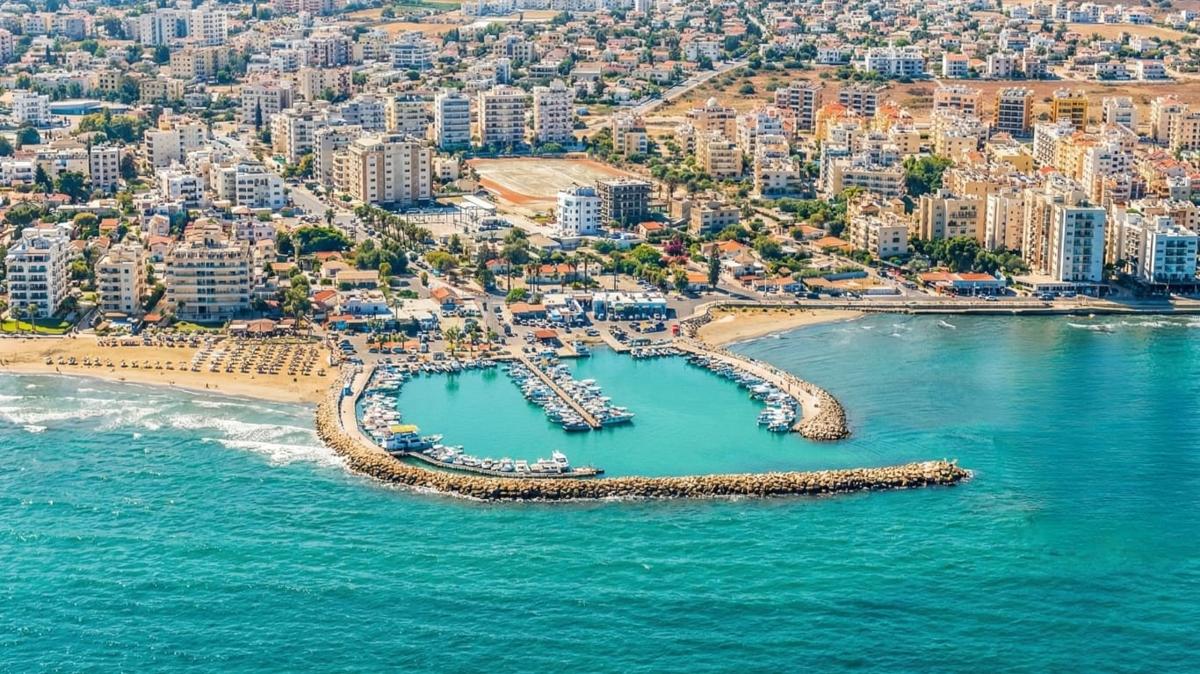
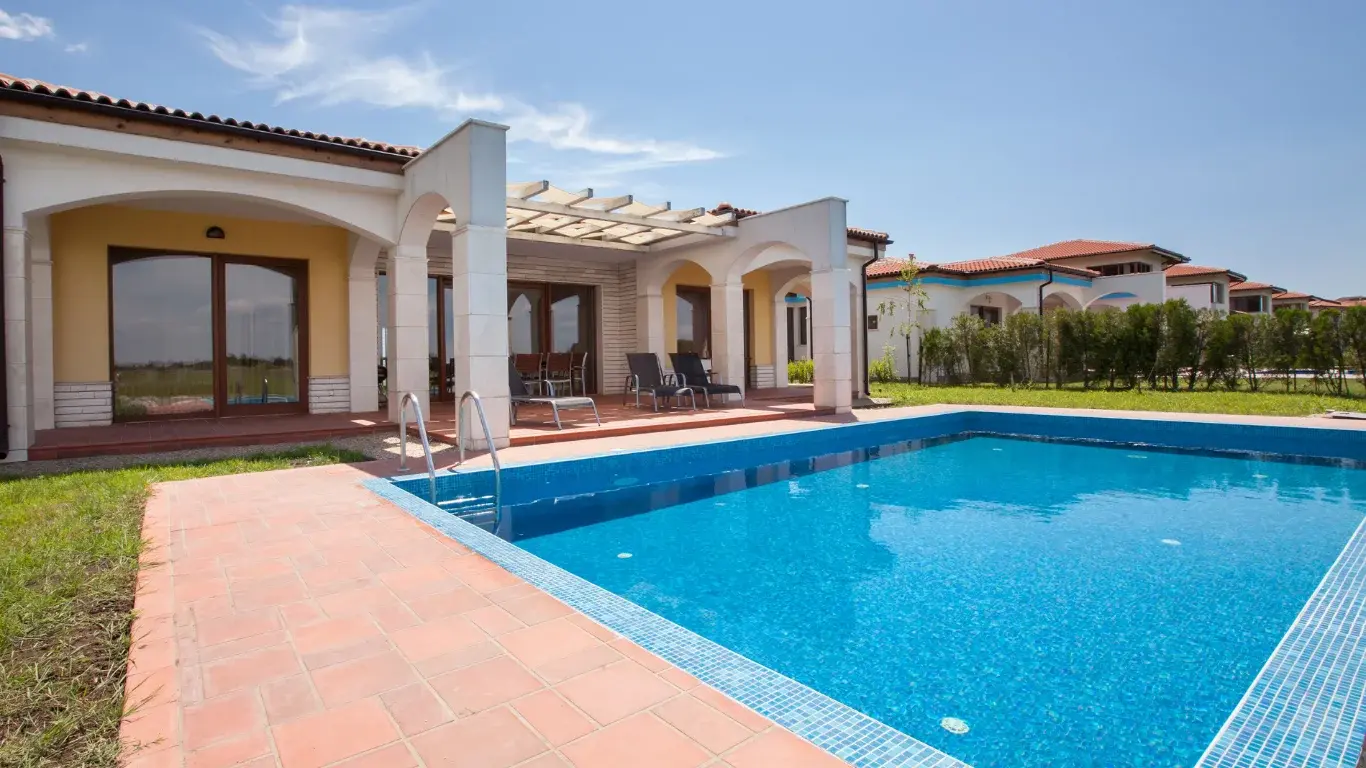
The decision to buy or rent property in Cyprus comes down to three things: your financial position, how you want to live, and where you see yourself five or ten years from now. We've covered the Cypriot market for long enough to know that both routes have genuine merit, and the right answer depends on the personal variables more than the headline pricing.
Average residential prices in Cyprus have continued to climb through 2024 and 2025, supported by the Cyprus PR (permanent residency) framework and a growing pool of international buyers.
The FT Property pages, Mansion Global and Engel & Völkers Cyprus all describe the same picture. A market where the residency-by-investment pathway, the favourable tax framework and the architectural depth of the prime coastal positions together build the case for ownership at the upper tier, while the flexibility and capital-efficiency case for renting remains genuinely strong for shorter horizons.
What follows is the head-to-head. We weigh investment potential, upfront costs, flexibility, stability and the personal factors that ultimately drive the call. The Limassol prime tier (EUR 8,000 per square metre at the trophy line) and the broader coastal markets in Paphos, Larnaca and Protaras anchor the conversation.
- Buying property in Cyprus offers ownership, capital appreciation potential and access to the residency-by-investment framework, alongside maintenance, transaction and ongoing tax obligations.
- We see renting as offering flexibility and lower upfront capital commitment, with the trade-off being foregone appreciation participation and no equity build-up over the rental period.
- Cypriot transaction costs including transfer fees, stamp duty and legal fees typically run three to five percent of purchase price, with mortgage costs adding to the all-in commitment for financed buyers.
- Rental yields in well-located Cypriot stock remain attractive relative to most European comparisons, with Limassol and Paphos offering strong yield profiles for buy-to-let positioning.
- For relocators considering Cyprus residency, property ownership above the residency-by-investment threshold offers a clear EU access pathway alongside the lifestyle proposition.
- For most considered Cyprus relocators we view the buy versus rent decision as turning on time-horizon, with multi-year residence typically tipping the calculation toward purchase.
- Who is this for?
- International relocators and investors weighing the buy versus rent decision for Cyprus property, alongside the advisers, brokers and tax professionals framing those decisions.
- What is happening?
- A practical read of the pros and cons of buying versus renting property in Cyprus, covering transaction costs, yields, residency implications and the time-horizon framework.
- When did this emerge?
- The article reflects 2026 conditions through CyStat, Knight Frank Cyprus and the Cypriot residency-by-investment framework alongside our own observations.
- Where is this happening?
- The piece covers Cyprus broadly, with reference to the variations in buy versus rent economics across Limassol, Nicosia, Paphos and Larnaca.
- Why does it matter?
- Buy versus rent decisions shape the all-in cost and flexibility of Cypriot living, which is why structured analysis matters before any relocation commitment.
Investment potential in Cyprus property
Buying property in Cyprus has a strong investment case behind it. The economy has been growing, the political environment is stable by regional standards, and property values across the island have been trending upward for several years. The Cyprus permanent residency framework remains active (the older Citizenship by Investment programme was discontinued in 2020) and continues to draw international buyers at qualifying purchase thresholds.
Renting keeps things lighter. You don't need to commit a large chunk of capital upfront, and you retain the flexibility to relocate if a better opportunity comes along or your circumstances shift. For the buyer still figuring out which Cypriot coast suits their lifestyle, renting through the first year is genuinely useful.

Upfront costs for property in Cyprus
Buying in Cyprus isn't cheap when you look at the full picture. You're looking at a down payment, legal fees, property transfer taxes (1.5 to 4 percent depending on the property value, with VAT at 19 percent applicable on certain new builds), and ongoing maintenance costs before you've even settled in. Smart renovations can push the property value higher, but the entry cost is meaningful.
Renting keeps your entry costs low. A security deposit (usually one to two months of rent) plus your first monthly payment is typically all you need to get started. For anyone prioritising liquidity, that's a meaningful advantage.

Flexibility
Renting gives you the ability to position yourself exactly where you want to be, and to change that position when your needs change. For expats arriving in Cyprus, this is especially useful. You get time to learn which neighbourhoods suit your lifestyle before locking anything in, and the Limassol marina district reads very differently from the Paphos old town or the Larnaca lowland coast.
Buying puts you fully in control. You can renovate, redecorate, extend or landscape without asking anyone's permission. Beyond the physical freedom, ownership gives you something renting never quite does: a genuine sense that this place is yours.
Stability
Owning property in Cyprus means you can stay put for as long as you choose. You build a life, get to know your neighbours and become part of a community. That kind of grounding has real value, especially if you're relocating from abroad and want to feel genuinely at home rather than just passing through.
Renting comes with an inherent fragility. Your landlord might decide to sell, push the rent up at renewal, or simply not extend your lease. That unpredictability is worth weighing seriously if long-term stability matters to you.
How Cyprus compares with peer markets
Limassol prime now trades near EUR 8,000 per square metre at the trophy line, supported by the Cyprus PR framework and the broader Russian-speaking and Israeli buyer pools. That puts Limassol well below Mayfair (around GBP 30,000 to GBP 40,000 per square metre according to Savills's World Cities Prime tracker) and well below Monaco prime (near EUR 55,000 per square metre).
Dubai Marina prime trades near AED 22,000 per square metre (around EUR 5,500), below Limassol. The Greek Golden Visa programme (EUR 250,000 in qualifying regions, EUR 800,000 in central Athens, Thessaloniki, Mykonos and Santorini from August 2024) offers a comparable residency-by-investment pathway at a lower threshold than the Cyprus PR framework's qualifying purchase.
The comparison readers find more useful is Cyprus against Portugal (now without the direct-property Golden Visa pathway since October 2023) and Malta (which retains its own residency framework). The FT Property pages and Mansion Global have both covered the Cyprus PR framework as one of the more accessible residency-by-investment pathways still active in the EU.
Individual needs and preferences
At its core, the buy-versus-rent decision in Cyprus is a personal one. Your finances, your timeline and the way you want to live all need to factor in. Global real estate trends can point you in a direction, but your individual situation is what really drives the right answer.
If your finances are solid and you're thinking long-term, buying is likely the better move. You build equity, you gain stability and you get in on a market that has been rewarding patient buyers. If you need flexibility or want to keep your options open while you explore the island, renting while you scout the right market is a smarter short-term play.
Either way, working with a specialist relocation advisor can save you significant time and money.
Book a personalised property consultation and get matched with the right opportunity in Cyprus.
What this means for buyers
Cyprus rewards the buyer who treats the decision as a personal calibration rather than a financial-product comparison. The Cyprus PR framework, the Limassol marina prime tier, the Paphos old-town heritage, and the Larnaca and Protaras coastal positions each suit different buyer profiles.
For buyers with a five-plus-year horizon and the capital position to absorb the upfront friction (transfer tax, legal fees, VAT on new builds), ownership reads as the stronger move. For shorter horizons, or for buyers still scouting the right coast, renting through the first year remains the realistic entry point. Both paths are legitimate.
We last reviewed this analysis in May 2026.
Frequently asked
Is buying property in Cyprus a good idea in 2026?
For buyers with a five-plus-year horizon, yes. The Cyprus PR framework, the tax framework and the steadily climbing Limassol prime market support the case. Shorter horizons argue for renting first.
What are the upfront costs of buying in Cyprus?
Down payment, legal fees, property transfer tax (1.5 to 4 percent of property value), and VAT at 19 percent on certain new builds. Plus ongoing maintenance, insurance and any building-management fees.
Can international buyers purchase property in Cyprus?
Yes. EU citizens face no restrictions. Non-EU citizens face Council of Ministers approval for most residential purchases, which is generally routine for primary residences and qualifying PR-pathway purchases.
What is the Cyprus permanent residency framework?
The Cyprus PR programme remains active for qualifying property purchases. The older Citizenship by Investment scheme was discontinued in 2020. The PR pathway has minimum purchase thresholds and other qualifying criteria.
Is renting in Cyprus straightforward for expats?
Generally yes. Most rental contracts run six to twelve months, with a security deposit of one to two months and the first month's rent payable on signing. Limassol, Paphos and Larnaca all have active rental markets at varying price tiers.