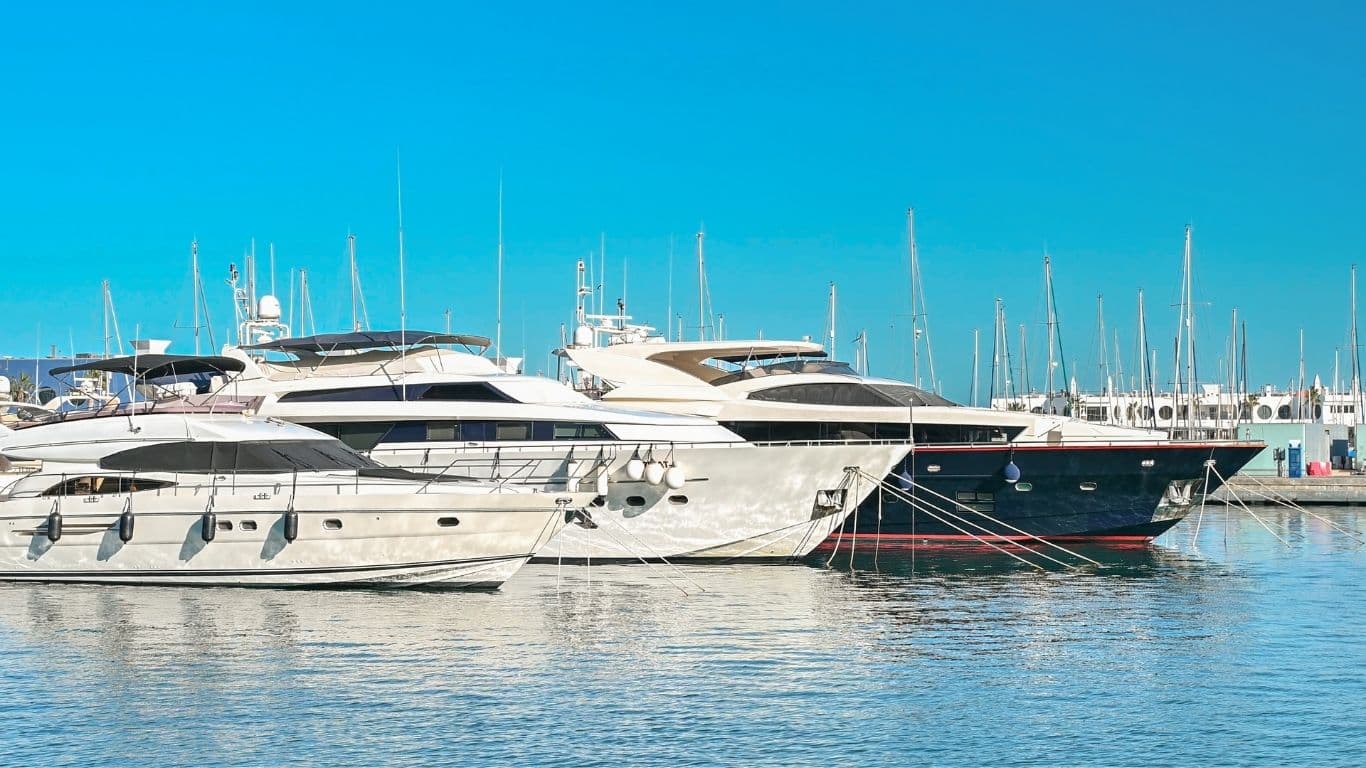
Yacht maintenance and repair is the unglamorous half of ownership, and it is also where seasoned owners separate themselves from first-time buyers. The vessels that hold value across a decade are the ones with documented service histories, disciplined refit cycles, and crews that catch issues before they become invoices. Everything else is a depreciation story.
Industry coverage from BOAT International and the trade press has tracked the same point for years: maintenance discipline, more than build pedigree alone, drives long-term ownership economics. What follows is a working guide for owners and managers, framed around the routines that actually keep a serious vessel ready for the water.

- Yacht maintenance discipline is the most consequential factor shaping long-term ownership economics, with proactive scheduling materially reducing the all-in cost of ownership over time.
- We see annual haul-out, antifouling renewal, anode replacement and freshwater system flushing as the foundational maintenance baseline across all vessel sizes.
- Engine maintenance including oil changes, fuel filter replacement and cooling system inspection follows manufacturer-specified intervals that should not be deferred for operational convenience.
- Interior preservation requires year-round attention, with humidity control, fabric care and timber treatment all factoring into the cosmetic and structural longevity picture.
- Engaging a qualified yacht management firm or experienced captain pays back across most ownership horizons, with documented maintenance records also supporting resale value.
- For most considered yacht owners we view maintenance investment as more consequential than headline acquisition pricing across the typical multi-year ownership arc.
- Who is this for?
- Yacht owners, captains and the yacht management firms, technical managers and refit yards framing maintenance and repair decisions across the global fleet.
- What is happening?
- A practical read of yacht maintenance and repair, covering haul-out, antifouling, engine maintenance, interior preservation and the yacht management framework.
- When did this emerge?
- The article reflects current best practice through 2025 and into 2026, with reference to the multi-year maintenance arc shaping ownership economics.
- Where is this happening?
- The piece covers the global yacht maintenance complex, including the major Mediterranean and Caribbean refit hubs alongside the established US Atlantic and Pacific yards.
- Why does it matter?
- Maintenance discipline drives both ownership economics and resale value, which is why proactive scheduling matters more than reactive repair across the typical ownership horizon.
Why maintenance discipline matters
Two ownership lines collapse without it: safety and value. Both are non-negotiable at this tier.
Safety on the water
Mechanical failure offshore is rarely catastrophic when the vessel is properly maintained. It is frequently catastrophic when it is not. The recurring inspections (engines, fuel systems, electrical, safety gear, hull condition) are the work that keeps a crew and a vessel out of the sort of incident insurance underwriters take a hard look at.
Lloyd's Register and Bureau Veritas both publish guidance on the recurring inspection regime expected of vessels in their class. The work isn't optional.
Maintaining vessel value
A well-maintained vessel resells at a meaningfully different price point. Specialists like YachtingMates have flagged the same pattern: documented service history is the single strongest input on the resale conversation.
Our wider breakdown of the costs and expenses of yacht maintenance and operation covers the budget side; this piece covers the discipline.
| Primary Maintenance Tasks | Benefits |
|---|---|
| Regular Cleaning | Prevents corrosion and extends lifespan |
| Engine Oil Changes | Ensures smooth operation |
| Battery Maintenance | Ensures reliable starts |
| Propeller Inspections | Prevents performance issues |
| Hull Inspections | Maintains structural integrity |
| Safety Equipment Checks | Ensures readiness in emergencies |
| Fuel System Maintenance | Maintains clean and stable fuel supply |
Regular cleaning
Cleaning is the underrated half of maintenance. Salt, sun and biofouling do most of the damage on a yacht, and routine cleaning is the cheapest defence against all three.
Products and tools
Marine-grade soaps designed for gel-coat and painted surfaces are the working baseline. Soft-bristle brushes, microfibre cloths and dedicated buckets for hull versus interior keep contamination out of the work. Pressure washers are useful for the hull, less so for delicate exterior finishes.
The teak deck demands its own routine. Specialised teak cleaners and brighteners, applied with the grain, extend the timber's life and resist the silver-grey weathering that signals neglect.
Where to clean what
Exterior surfaces (hull, deck, superstructure) need regular wash-downs to clear salt deposits before they bake on. Interior surfaces (galley, head, cabin spaces) need the routine cycles you would apply to a high-end residence, with the addition of mildew controls in the wetter spaces.
| Maintenance Task | Frequency | Purpose |
|---|---|---|
| Exterior Washing | Regularly | Prevent dirt build-up and corrosion |
| Waxing | 3-6 months | Protect exterior surfaces |
| Bottom Cleaning | As needed (based on climate) | Prevent marine growth |
| Annual Haul-Out | Yearly | Conduct thorough inspections and repairs |
| Repainting | Every 2 years | Maintain aesthetic and protective coating |
Engine maintenance
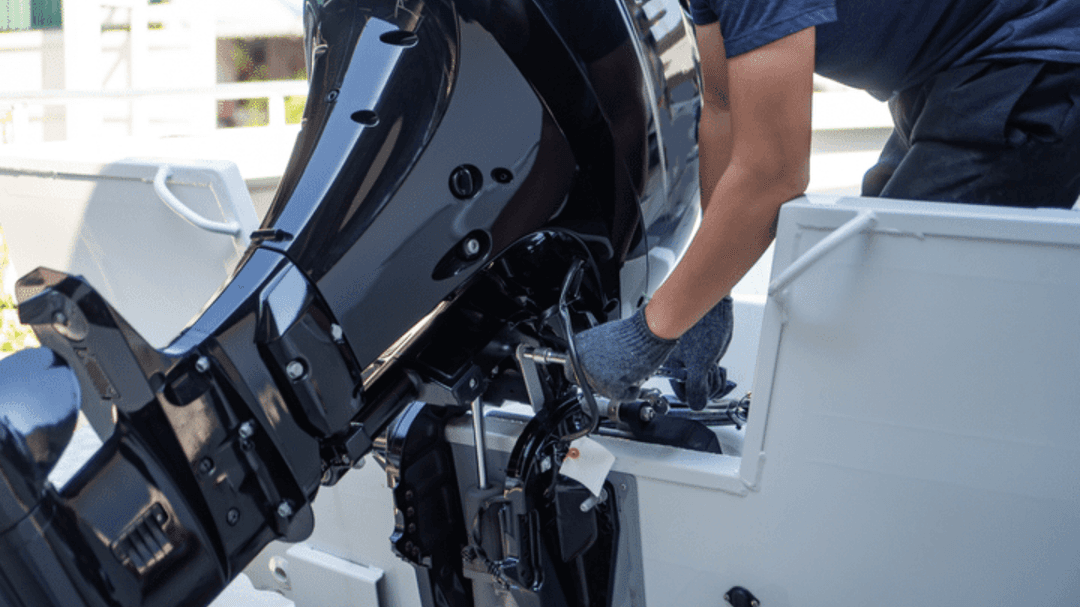
The engine room is where the most expensive surprises live, and where the disciplined owners avoid them. The recurring routines are well established.
Oil and filters
Oil changes on the schedule the manufacturer specifies, not the schedule the previous owner ran. Filter replacements at the same cadence. Boat International's engine maintenance guidance sets out the typical intervals for the engines most commonly found on serious vessels.
Fuel lines
Visual inspection of fuel lines for cracking, fitting integrity and any sign of weep. Cracked lines are a fire risk; leaking fittings are a fuel-economy and contamination risk. Both are catchable on routine inspection.
Cooling systems
Raw-water intakes need clearing on a regular cycle. Heat exchangers need flushing on the manufacturer's interval. Anti-corrosion anodes in the cooling circuit need replacement before they are gone, not after.
Hull care
The hull is the structural line of the vessel. Disciplined hull care extends the life of the boat by years, and the inputs are well understood.
Inspections
Visual hull inspections every two weeks during active use, full inspection on every haul-out. Cracking, blistering or any signs of osmosis catch most issues before they require structural repair.
Cleaning technique
Biofouling removal on the bottom needs the right pressure and the right product. Aggressive technique damages anti-fouling coatings; insufficient technique leaves growth in place. A diver service handles the routine work in between haul-outs.
Protective coatings
Wax on the topsides every three to six months. Anti-fouling refresh on the schedule the climate demands. Marine sealants applied where the original coatings show wear, before water finds its way in.
| Maintenance Task | Frequency | Key Benefits |
|---|---|---|
| Hull Inspections | Every two weeks | Early detection of issues, cost-saving |
| Cleaning Exterior | Regularly | Prevents corrosion, maintains appearance |
| Wax Application | Every 3-6 months | Protects against sun exposure, enhances appearance |
| Repainting | Every two years | Prevents peeling and cracking, protects hull integrity |
| Applying Marine Sealants | As needed | Barriers against UV rays, salt, and abrasions |
Electrical systems
Marine electrical work is its own discipline, and it is where amateur intervention causes more damage than savings. The serious work belongs with marine electrical specialists.
Wiring and connections
Marine wiring is exposed to vibration, humidity and salt. Connections work loose, terminals corrode, insulation degrades. Routine inspection catches the issues before they become fires.
BoatUS has published detailed guidance on inspection patterns for serious marine electrical systems.
Battery health
Battery banks need regular load testing, terminal cleaning and electrolyte top-up where applicable. Lithium banks (now standard at the upper end) need different routines from lead-acid, and the crews running them need the right training.
System testing
Navigation electronics, communications, safety systems, all need scheduled testing. A system you only discover is broken when you need it is a system you didn't maintain.
Deck and foredeck
The deck is the most-used surface on a yacht and the most exposed. The routine is straightforward and consequential.
Surfaces
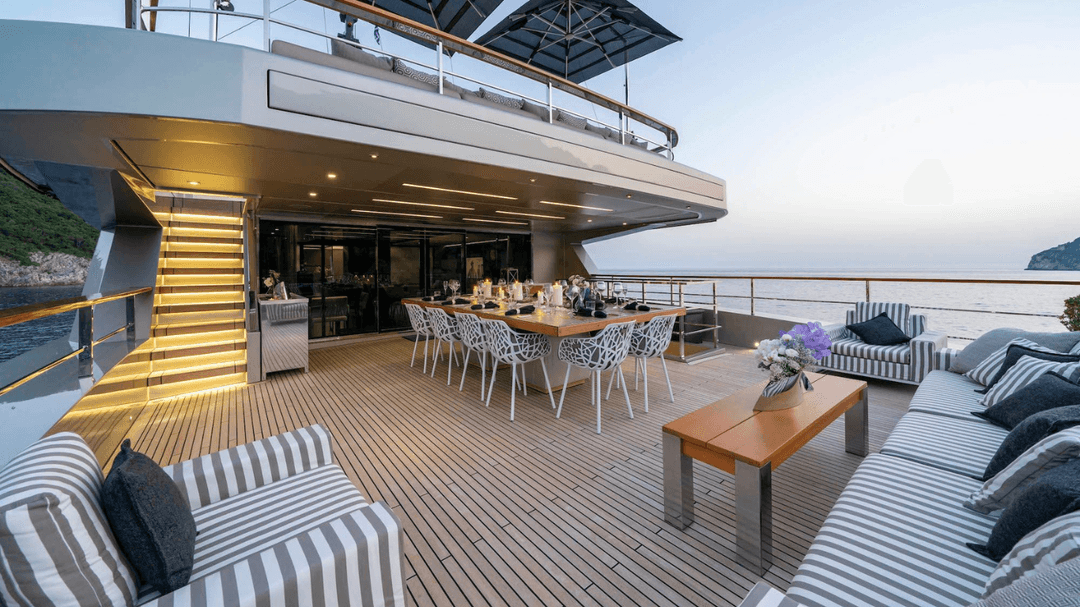
Teak deck cleaning with the grain, never against. Synthetic deck cleaning with the manufacturer's products, not generic cleaners. Non-slip surfaces need their own routine; aggressive cleaning destroys the slip resistance you actually want.
Seating and dashboards
Leather and vinyl seating needs dedicated marine conditioners. Dashboards need UV protectant applied on the manufacturer's interval. Cushions need rotation in storage to prevent compression and mildew.
Plumbing
Plumbing systems on a yacht are simple in concept and unforgiving in failure. Fresh-water pumps, holding tanks, sea-water intakes, head systems, all need routine inspection.
The catch is that plumbing failures often manifest as interior damage rather than mechanical alarm. Routine inspection (under cabin soles, behind panelling, in the bilge) catches the problems before the interior shows them.
Storage
How a yacht is stored when it isn't in use shapes how it performs when it is. The two options for serious owners are in-water storage and on-land storage, and each has its own discipline.
In-water storage
Mooring lines need to be sized properly and inspected for chafe. Bilge pumps need to be tested and the battery banks that run them need to be on shore power or solar. Hull cleaning and waxing continue on the in-use schedule even when the vessel sits idle.
On-land storage
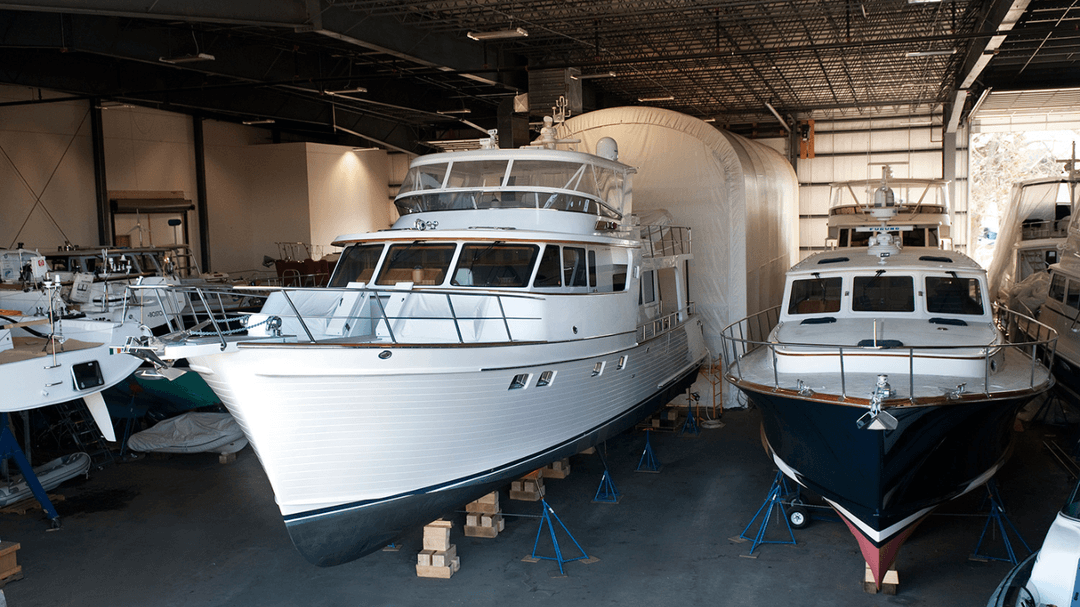
Properly supported cradles, climate-controlled covers where possible, breathable covers always. Engines need preservation for the laid-up period, fuel systems need stabilisation. The work is more expensive than the casual version, and it pays back on the spring re-launch.
| Storage Method | Key Actions | Benefits |
|---|---|---|
| In-Water Storage | Secure FasteningBilge Pump EfficiencyRegular Hull WashingWaxing and Metal Care | Prevents DriftingKeeps Interior DryProtects from Algae & SaltwaterMaintains Aesthetics |
| On-Land Storage | Dry, Covered StorageRegular InspectionsProper SupportProtective CoatingsBreathable Cover | Reduces Mildew & MoldPrevents Mechanical IssuesAvoids Hull DistortionPrevents CorrosionProtects Against Dust & UV |
Professional yacht maintenance services
The economics of professional maintenance favour serious owners on most lines.
What the specialists do better
Marine-grade tools, certified technicians, manufacturer training, and the institutional knowledge of having seen the same issue on dozens of comparable vessels. The serious yards (the Italian, Dutch and Northern European refit specialists) all run dedicated teams for each system on the vessel.
Cost-effectiveness
The total ownership cost on a well-maintained vessel is meaningfully lower than on a deferred-maintenance one. The arithmetic on resale alone usually justifies the spend. Owners who want to track this trade-off across the broader operating budget should read our companion piece on smart yacht upgrades that boost resale value and charter income.
For fuel-system and propulsion discipline specifically, our guide to yacht fuel capacity and consumption sits alongside this read, and BOAT International's destination coverage tracks the same operational discipline at Boat International.
What this means for owners
The vessels that survive a decade of ownership in their original condition are the ones with disciplined maintenance regimes from day one. The savings on resale and on emergency repair compound across the holding period.
For first-time buyers thinking about the long arc of ownership, our companion read on tips for first-time yacht buyers sets out the broader picture, and our insurance coverage guide for yacht owners covers the underwriting half. We last reviewed this analysis in May 2026.


Stefanos Moschopoulos
Stefanos Moschopoulos founded The Luxury Playbook in Athens and has spent the better part of a decade following the auction calendar, the en primeur releases, and the watchmakers, gallerists, and shipyards the magazine covers. He writes the field guides and listicles that anchor the Connoisseur section — pieces built on Phillips and Christie's results, Liv-ex movements, and conversations with collectors he has met across Geneva, Bordeaux, Basel, and Monaco. His own collecting habits sit closer to watches and wine than art, and it shows in the level of detail in the magazine's coverage of those categories. Under his direction, The Luxury Playbook now publishes long-form field guides, market-defining year-end listicles, and the Voices interview series with the founders behind the houses and the brands.