
Tips for first-time yacht buyers usually start with the boat and end with the budget. We'd argue the working sequence runs the other way around. The vessel choice is downstream of the budget, the usage profile, the cruising ground and the appetite for the operational load.
BOAT International's first-buyer coverage and the major brokerage houses converge on the same point: the buyers who get the first vessel right are the ones who treat the question as a planning exercise rather than a purchase decision. What follows is our practical guide for buyers approaching the upper end of the market for the first time.
Key takeaways
- The vessel choice should follow the usage profile, the budget and the cruising ground, in that order.
- New versus pre-owned is a function of depreciation appetite and due-diligence willingness.
- The total operating budget typically runs 10-15 percent of vessel value annually, with crew dominating on fully-crewed boats.
- A specialist team (broker, marine lawyer, surveyor, tax advisor) is worth the cost on a first vessel.
- First-time yacht buyers benefit most from disciplined preparation across budget, intended use, vessel type and brokerage selection before committing to a specific acquisition opportunity.
- We see honest budget modelling including acquisition, ongoing operation and major refit cycles as the most consequential foundation for sustainable first-time ownership.
- Intended use including coastal cruising, blue water passages, charter operation or trophy display shapes every subsequent vessel selection decision.
- Vessel type including motor versus sail, custom versus production and new versus pre-owned offers distinctive trade-offs that warrant explicit upfront consideration.
- Selecting a qualified yacht broker with relevant market segment expertise streamlines the acquisition process, with broker selection itself warranting careful diligence.
- For most considered first-time buyers we view structural preparation as more consequential than reflexive pursuit of a specific listing across the typical buyer journey.
- Who is this for?
- First-time yacht buyers evaluating an initial acquisition, alongside the brokers, surveyors, yacht management firms and maritime lawyers framing those decisions.
- What is happening?
- A practical read of tips for first-time yacht buyers, covering budget modelling, intended use definition, vessel type selection and brokerage engagement.
- When did this emerge?
- The article reflects current market conditions through 2025 and 2026, with reference to the multi-year typical first-time buyer journey arc.
- Where is this happening?
- The piece covers the global first-time yacht buyer complex, including the Mediterranean, Caribbean, North American and Asian primary markets.
- Why does it matter?
- First-time yacht acquisition rewards structural preparation, which is why understanding the framework matters before pursuing any specific listing.
Yacht categories worth knowing
The market sorts roughly into three working tiers, and they differ in operational complexity as much as in size.
Standard yachts
Generally up to 24 metres LOA. The day-cruising and weekend cohort, with owner-operator profiles common. The cost base is meaningfully lower than the larger tiers, and the operational complexity is more manageable for owners running the vessel themselves with a captain and a small crew.
Mega yachts
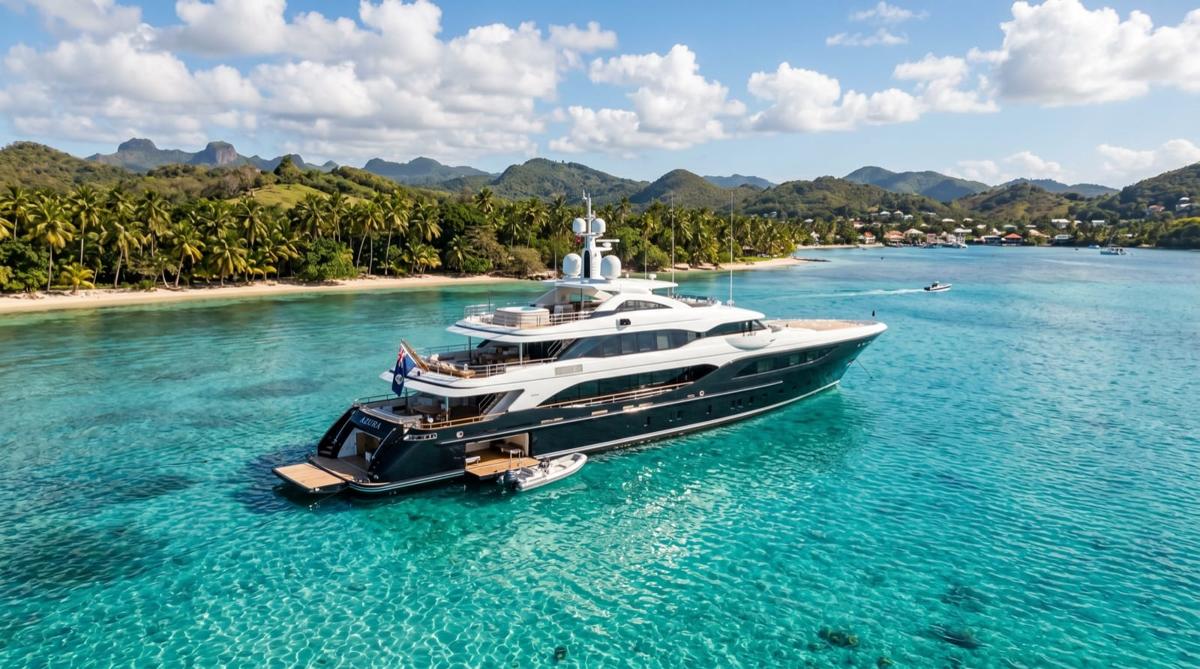
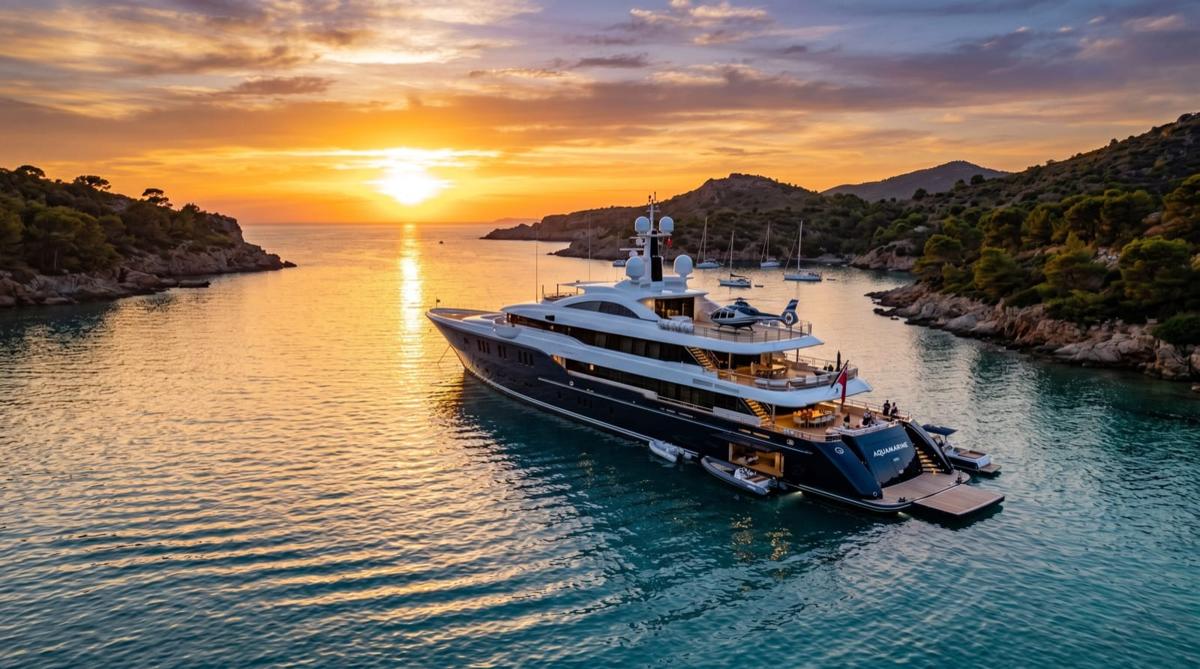
24 to 60 metres LOA. The serious working tier of the market, with full crew, professional management and the operational rhythm closer to a small business.
Most owners at this tier work with a yacht management firm. Our companion read on the rise conversation in luxury asset markets covers some of the broader context.
Superyachts
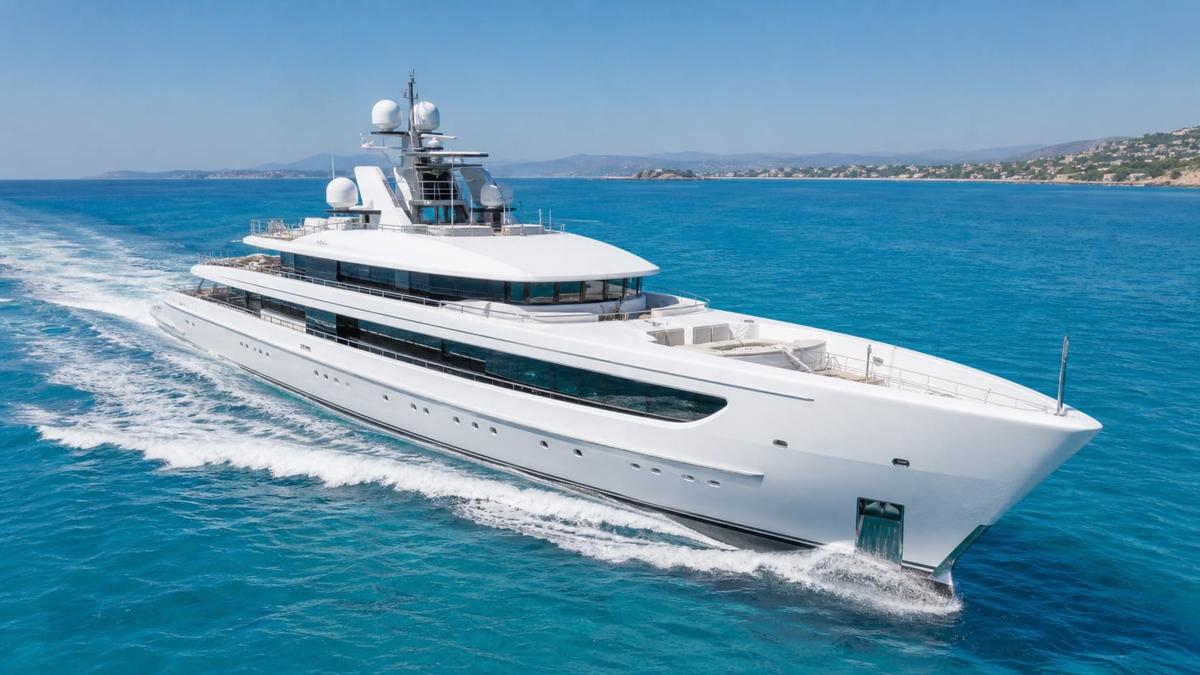
Above 60 metres LOA. The flagship tier dominated by Feadship, Lürssen, Oceanco and Benetti, with full professional crews, dedicated management firms and operational programmes that run year-round. The wider question of types of yachts deserves a separate read.
Choosing the right vessel
Several considerations sit at the centre of any first-time decision.
Size
The right size depends on usage, cruising ground and the appetite for crew complexity. A 25-metre vessel can be managed with a small crew. A 40-metre vessel cannot.
| Usage Frequency | Recommended Yacht Size | Typical Activities |
|---|---|---|
| Occasional Use | 25-40 feet | Day Trips, Watersports |
| Regular Weekend Use | 40-65 feet | Fishing, Coastal Cruising |
| Extended Cruises | 65+ feet | Overnight Cruising, Long Voyages |
Usage frequency
A vessel used 6-8 weeks per year is a different proposition from one used 20+ weeks. The crew model, the marina relationships and the maintenance cycle all flex with usage.
Purpose
Owner use, charter rotation or mixed? The answer shapes the interior, the spec, the crew and the operational economics. Trying to do both at once typically produces a compromise on each.
New versus pre-owned
The first real fork in the road for most first-time buyers. The decision depends on depreciation appetite and due-diligence willingness.
New build
Latest design and propulsion, full manufacturer warranty, the certainty of knowing exactly what is aboard. The premium is real, and the steepest depreciation hits in the first two to three years of ownership.
For owners who plan to keep the vessel ten years or more, the early drop matters less than it looks.
Pre-owned
A well-maintained pre-owned vessel from an established yard can be the more compelling buy. Vessels from Feadship, Lürssen, Benetti, Heesen and Sanlorenzo hold value better than the broader pre-owned cohort.
The catch is due diligence. Marine survey, hull inspection and independent engine evaluation are non-negotiable. Understanding how luxury capital works across asset classes is useful context for buyers weighing the trade-offs.
Essential vessel features
The spec details matter. The serious buyers run the spec list against their working usage rather than against catalogue features.
Electronics
The working baseline is GPS chartplotter, radar, AIS, autopilot and proper VHF cover. Navigation systems have moved on materially over the past decade, and the serious vessels run integrated stacks rather than bolted-on components.
Engine and systems access
Easy access to engines, generators, water makers, sewage systems, fuel systems and electrical panels separates well-built vessels from poorly-built ones. Maintenance and refit costs flex meaningfully with how accessible the systems are.
Living space and amenities
Storage, comfortable seating, galley, climate control, navigation station, cabin layout. The amenities matter, but layout matters more. A poorly-laid-out vessel is uncomfortable however well-finished it is.
How the secondary luxury market is evolving offers a parallel perspective from other collecting categories.
| Component | Key Elements | Benefits |
|---|---|---|
| Onboard Electronics | GPS, Radar, Autopilot, Multifunction Displays | Navigation Safety, Modern Technology |
| Engine and Systems Access | Easy Access Compartments | Maintenance Ease, Longevity |
| Living Space | Storage, Comfortable Seating, Air Conditioning | Enhanced Experience, Comfort |
The selection process
The serious buyers run a structured process. The casual buyers don't.
| Yacht Size | Pros | Cons |
|---|---|---|
| Less than 36ft | Lower cost, easier handling | Limited space, fewer amenities |
| 45ft+ | More space, more amenities | Higher cost, complex maintenance |
Research and shortlisting
The serious yacht brokers (Edmiston, Burgess, Camper & Nicholsons, Fraser, Y.CO, IYC) maintain inventory across the upper end of the market. The shortlisting exercise pulls together the candidates that match the usage profile, budget and cruising ground.
Inspections and surveys
A pre-purchase survey by an independent marine surveyor is non-negotiable on any pre-owned vessel above the entry tier. The survey covers hull condition, structural integrity, mechanical systems, electrical systems, safety gear and compliance documentation. Financial Times coverage of luxury asset markets tracks the same discipline across adjacent categories.
Finalising the purchase
Marine lawyer review of the purchase agreement, escrow arrangements, marine survey contingencies, sea trial, finalisation of registration, transfer of title, insurance binding. The serious brokers handle most of the choreography.

Maintaining your yacht
Maintenance is the recurring discipline that dominates the long-run ownership picture. The cost line typically runs 10 to 15 percent of vessel value annually on a well-managed boat.
Routine maintenance
Engines, fuel system, electrical, plumbing, hull, deck, navigation electronics, safety gear. The routines compound across the operating year, and the disciplined owners build the work into the calendar rather than waiting for it to demand attention. Robb Report's yachting coverage tracks the same routines across the cohort.
Crew and cleaning
On a fully-crewed vessel, the crew line typically dominates the operating budget. Cleaning is part of the daily operating routine and the cost flexes with vessel size and standard.
Annual upgrades and repairs
Most owners run a structured annual programme of upgrades and repairs, scheduled around the seasonal cycle. Electronics refresh on a 5-7 year cycle, deck refresh on a similar cadence, major refit every 7-10 years.
| Maintenance Aspect | Frequency | Estimated Costs |
|---|---|---|
| Routine Inspections | Monthly | $500 – $1,000 |
| Crew Salaries | Yearly | $30,000 – $150,000 |
| Cleaning Costs | Weekly | $200 – $1,000 |
| Upgrades and Repairs | Yearly | $5,000 – $50,000 |
The dos and don'ts
Several common errors trap first-time buyers. Knowing them in advance is the cheapest insurance available.
What to avoid
Skipping the survey to save cost. Buying without a sea trial. Underestimating the operating budget.
Selecting on aesthetics rather than function. Treating the broker as adversary rather than partner.
The questions to ask
What is the full service history? Who has surveyed the vessel previously? What does the insurance underwriting look like at the current value?
What is the eventual exit position? Understanding where serious wealth concentrates can also help with cruising-ground positioning. The serious brokers also recommend boater education courses for owners new to the water.
What this means for first-time buyers
First-time yacht buying rewards owners who do the planning work. The vessel choice falls into place once the usage, budget, cruising ground and crew model are clear.
The owners who treat the first purchase as a structured exercise rather than an emotional one are the ones who finish year three still happy with the boat. The right specialist team is the cheapest insurance in this market. We last reviewed this analysis in May 2026.