The structural distinction between traditional and digital art is one of the most discussed and most misunderstood divisions in contemporary collecting. Both categories have produced significant cultural and market activity over the past decade, but the disciplines required to engage with them seriously are genuinely different, and the question of how to think about each category structurally matters for any collector building toward depth in either or both.
What follows is the magazine's editorial comparison of traditional and digital art from a collector's perspective in 2026. The two categories overlap in some respects and diverge structurally in others, and the framework for thinking about them needs to reflect both the overlaps and the distinctions.
- Traditional and digital art now sit alongside one another in serious collections, with the boundary increasingly defined by display, edition and storage rather than aesthetic value.
- Traditional painting, sculpture, drawing and photography retain the deep institutional history that anchors most blue-chip collecting and most museum holdings.
- Digital, video, generative and AI-assisted work has matured beyond the early NFT cycle into a genuine institutional category with strong gallery and museum support.
- Liquidity differs sharply, with traditional work trading through long-established auction channels while digital secondary markets remain narrower and more concentrated.
- Conservation requirements diverge materially, with traditional work demanding environmental control and digital work requiring file management, hardware refresh and emulation planning.
- For serious collectors, the two media now complement one another, with the strongest programmes blending canonical traditional holdings with credible contemporary digital practice.
- Who is this for?
- Contemporary collectors and advisors weighing traditional and digital art as complementary segments of a single collection, alongside curators thinking through programming and acquisitions.
- What is happening?
- A collector comparison of traditional and digital art, covering aesthetic categories, secondary-market depth, conservation requirements and the role each plays in a serious modern collection.
- When did this emerge?
- Most relevant when collectors are expanding into digital practice for the first time or rebalancing existing collections around the maturing institutional presence of digital and video work.
- Where is this happening?
- Both markets are global, with traditional art anchored in New York, London, Paris and Hong Kong, and digital practice concentrated around the major contemporary galleries and online platforms.
- Why does it matter?
- Understanding the structural differences between the two media protects collectors from treating them as substitutes and supports collections that genuinely span the breadth of contemporary practice.
The structural shape of traditional art
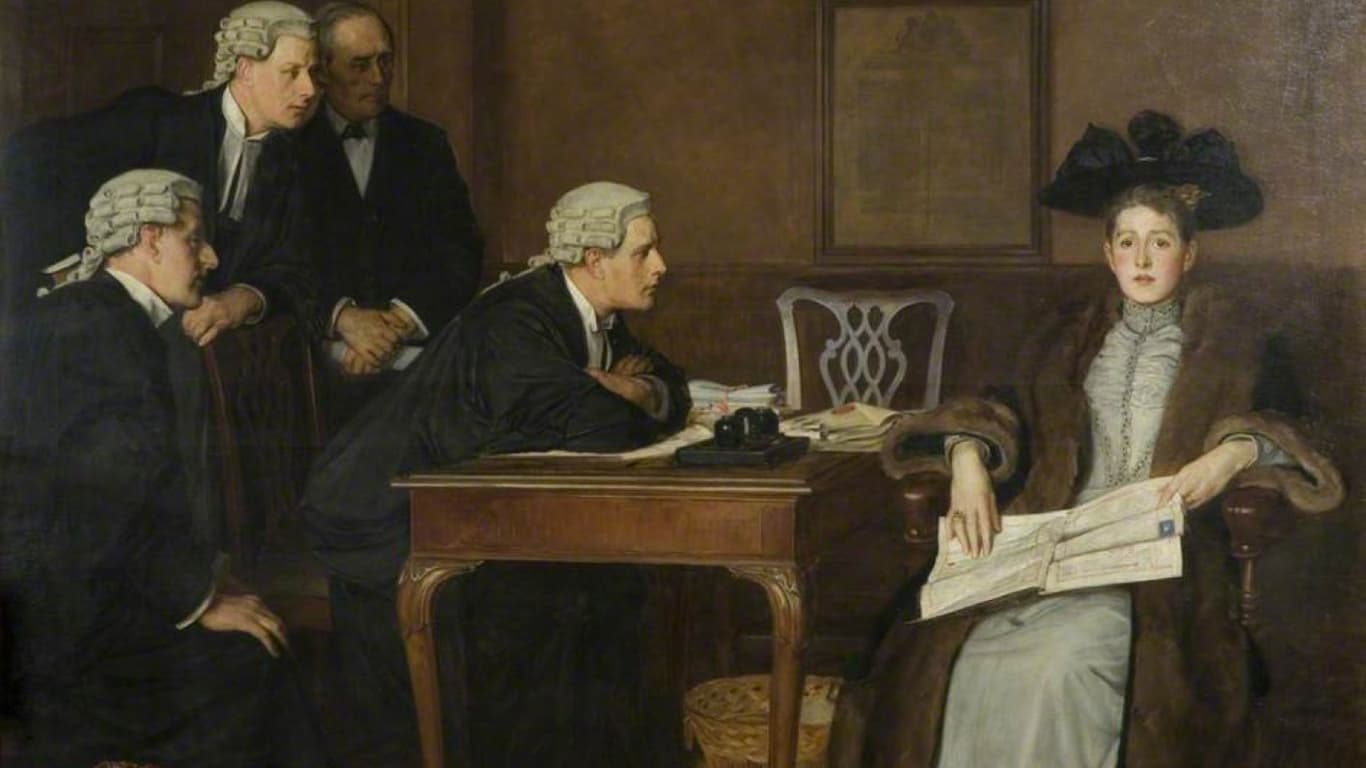
Traditional art is the established category that runs across the historical canon (Renaissance, Baroque, Neoclassical, 19th-century European) through Impressionism and Modernism into the post-war and contemporary tradition. The structural anchors are familiar.
Physical works in painting, sculpture, drawing, print, and photographic media, produced through the established art-historical traditions, circulated through the established gallery, auction-house, and museum infrastructure, and engaged with through the established critical and curatorial discourses.
The market for traditional art is mature. Christie's, Sotheby's, Phillips, and Bonhams anchor the secondary market with sales calendars that have been running for decades. The major galleries (Pace, David Zwirner, Hauser & Wirth, Gagosian, Lisson, Marian Goodman) anchor the primary market.
The major museums (MoMA, the Tate, the Pompidou, the Met, the Whitney, the National Gallery) anchor the institutional infrastructure. Traditional art as a field sits at the structural centre of how serious collecting has been practised for centuries.
The structural shape of digital art
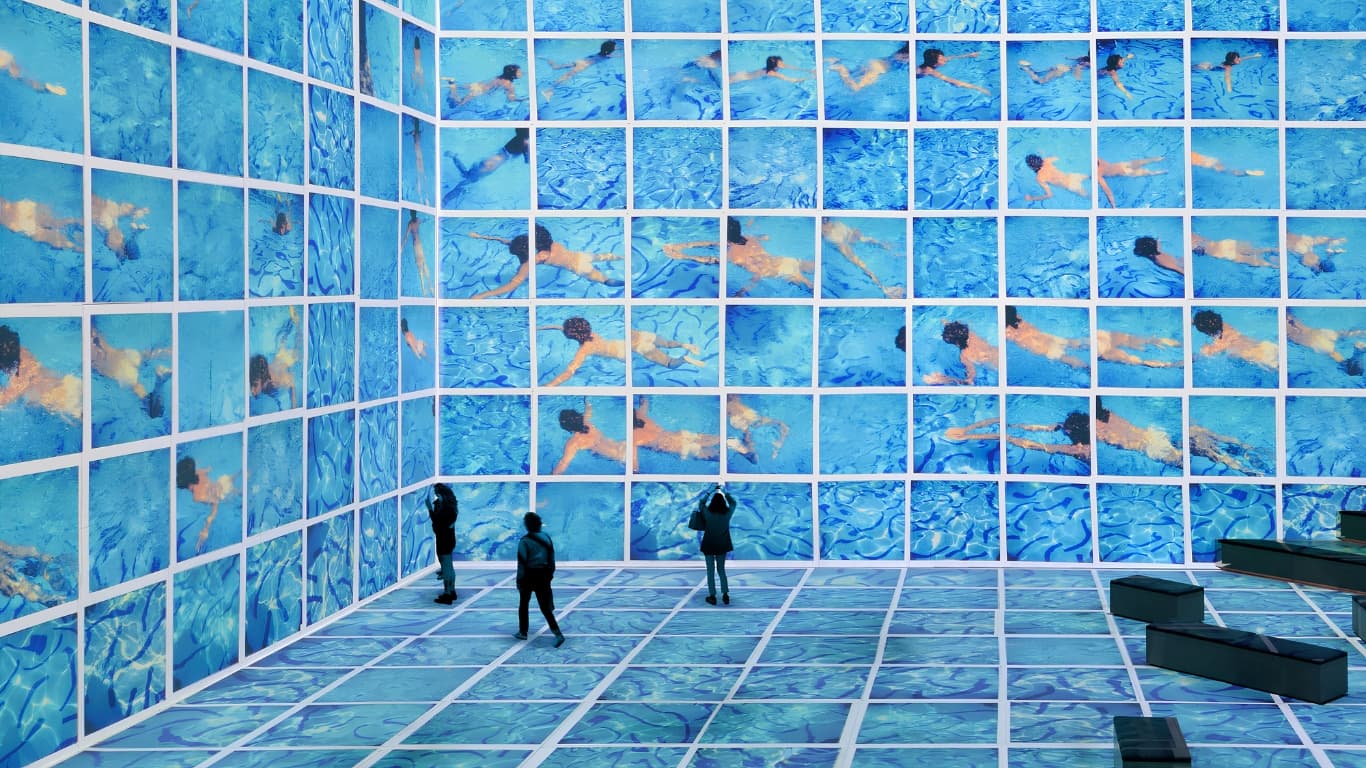
Digital art is the newer category that includes work created through digital means (digital paintings, video, generative art, software-driven installations) and work distributed through digital channels (NFTs, blockchain-based ownership systems, online-native distribution). The structural shape is still being established, and the disciplines required to engage with the category are evolving continuously.
The market for digital art passed through a speculative cycle in 2021 to 2022 that produced both significant cultural attention and significant market correction.
The post-correction market is meaningfully smaller than the cycle peak but more structurally serious, with named artists (Beeple, Refik Anadol, Tyler Hobbs, Casey Reas, Larva Labs), serious gallery engagement (Pace's launch of dedicated digital art programmes, Sotheby's establishment of dedicated digital sale formats), and emerging institutional engagement (the Centre Pompidou's acquisitions of generative art, MoMA's growing digital art holdings).
The structural acquisition and authentication discipline
The disciplines required to acquire and authenticate work in the two categories differ structurally. For traditional art, the acquisition framework runs through the established channels with the established protections. Condition reports, provenance documentation, attribution review, Art Loss Register checks, and the institutional infrastructure of dealers and auction houses collectively support a transactional environment that has been refined over centuries.
For digital art, the authentication framework is built around the blockchain-based ownership systems that anchor most digital art transactions. Smart contracts, token-based ownership, and the various blockchain protocols (Ethereum primarily, with secondary protocols including Tezos and Solana) provide the technical infrastructure for ownership verification. The discipline for collectors is different in detail but parallel in function to the traditional discipline.
The key structural difference is that traditional art's authentication discipline has been refined over centuries through institutional infrastructure, while digital art's is being refined over years through technical infrastructure. Both frameworks work, but they require different specific competencies from the collector.
The structural conservation and operational discipline
Traditional art requires the physical infrastructure that serious traditional collections have always required. Climate-controlled storage, specialist insurance, periodic conservation, and the documentary infrastructure that supports both. The discipline runs continuously alongside the collection and the cost runs in the 0.
5 to 2 per cent of value range annually depending on collection composition and infrastructure quality.
Digital art requires different operational infrastructure. The work itself is technically straightforward to preserve (digital files, when properly maintained, do not degrade in the way that physical media do), but the technical environment that supports the work (the relevant blockchain protocols, the playback environments for video and generative work, the institutional infrastructure for verifying ownership) requires ongoing maintenance attention.
The structural risk for digital art is that the supporting technical infrastructure could change in ways that affect the work's accessibility or value. Blockchain protocol changes, the disappearance of specific platforms, or shifts in the relevant standards could all affect specific holdings. Serious digital art collectors maintain awareness of these technical questions in the same way that traditional collectors maintain awareness of conservation questions.
The structural cultural-conversation depth around each
The cultural conversation around traditional art has the structural depth of centuries of art-historical scholarship, criticism, and curatorial work. The named artists in any traditional category come with extensive monographic literature, exhibition history, and critical reception, and the work of evaluating their importance and the place of specific works within their output is supported by a deep institutional infrastructure of museums, universities, and serious publications.
The cultural conversation around digital art is shallower in absolute terms but is developing rapidly. The major museums have established digital art curatorial positions, the major art journals (Artforum, Frieze, e-flux) have engaged with digital practice, and the specific platforms native to the category (Right Click Save, the various digital-native critical publications) have produced increasingly substantive critical work.
The structural implication is that traditional art offers serious collectors a deeper critical and institutional framework for evaluating work, while digital art offers a less developed but rapidly maturing framework. Collectors entering either category need to engage with the relevant critical infrastructure.
How serious collectors structurally approach the two categories
Most serious collectors approach the two categories distinctly rather than as substitutes. Traditional art serves as the foundational tier of serious collections, with the named artists across the historical and modern categories providing the structural anchors that the cultural and economic value of the collection rests on. Digital art, where it features in serious collections, typically sits as a specific category alongside the traditional foundation rather than replacing it.
The collectors who have engaged most seriously with digital art have typically built traditional collections first and added digital work as an extension of an established collecting practice. Building a digital art collection requires the same multi-year disciplined approach that traditional collecting requires, with the specific competencies adjusted for the category's particular features.
For collectors thinking about whether to engage with digital art seriously, the structural questions are: does the category align with the collector's broader point of view, are the institutional and critical frameworks around the category developed enough to support serious engagement, and does the collector have access to the technical and operational competencies the category requires.
The structural primary and secondary market dynamics
Traditional art's primary and secondary markets have well-established dynamics. Primary work flows from artists and galleries to first collectors, secondary work flows between collectors through auction and dealer channels, and the relationships between primary and secondary pricing are reasonably predictable based on the artist's career trajectory and broader market conditions.
Digital art's primary and secondary markets are still being established structurally. Primary work flows through various channels including direct artist-to-collector sales, gallery primary sales (a newer feature of the category), and platform-mediated primary sales. Secondary trading happens primarily through the blockchain-native marketplaces (OpenSea, Foundation, SuperRare, and others), with serious works increasingly also moving through the major auction houses' digital-art sale formats.
The structural dynamics within digital art's secondary market are still developing. Price discovery is less predictable, the relationship between primary and secondary pricing is less stable, and the broader market for the category continues to be shaped by technical infrastructure that does not exist in the same way for traditional art.
The honest framing
Traditional and digital art are not competing categories in any structural sense. They serve different cultural and operational roles within serious collecting, and the collectors who engage with both typically treat them as distinct disciplines rather than as substitutes for one another.
The structural disciplines required to build serious collections in each are different in specific details but parallel in structure: point of view, relationships, screening, infrastructure, and engagement with the relevant institutional ecosystem.
For collectors thinking about how to allocate attention between the categories, the honest framing is that traditional art is the structurally established discipline with centuries of institutional infrastructure, while digital art is the structurally emerging discipline with rapidly maturing institutional infrastructure. Both reward serious engagement, both require specific competencies, and the choice of category alignment depends on the collector's particular interests and the broader collection programme they are building. The contemporary art tradition continues to inform how both categories develop, and serious collectors engaging with either need to understand the broader context within which both sit.
We last reviewed this analysis in May 2026.


Stefanos Moschopoulos
Stefanos Moschopoulos founded The Luxury Playbook in Athens and has spent the better part of a decade following the auction calendar, the en primeur releases, and the watchmakers, gallerists, and shipyards the magazine covers. He writes the field guides and listicles that anchor the Connoisseur section — pieces built on Phillips and Christie's results, Liv-ex movements, and conversations with collectors he has met across Geneva, Bordeaux, Basel, and Monaco. His own collecting habits sit closer to watches and wine than art, and it shows in the level of detail in the magazine's coverage of those categories. Under his direction, The Luxury Playbook now publishes long-form field guides, market-defining year-end listicles, and the Voices interview series with the founders behind the houses and the brands.