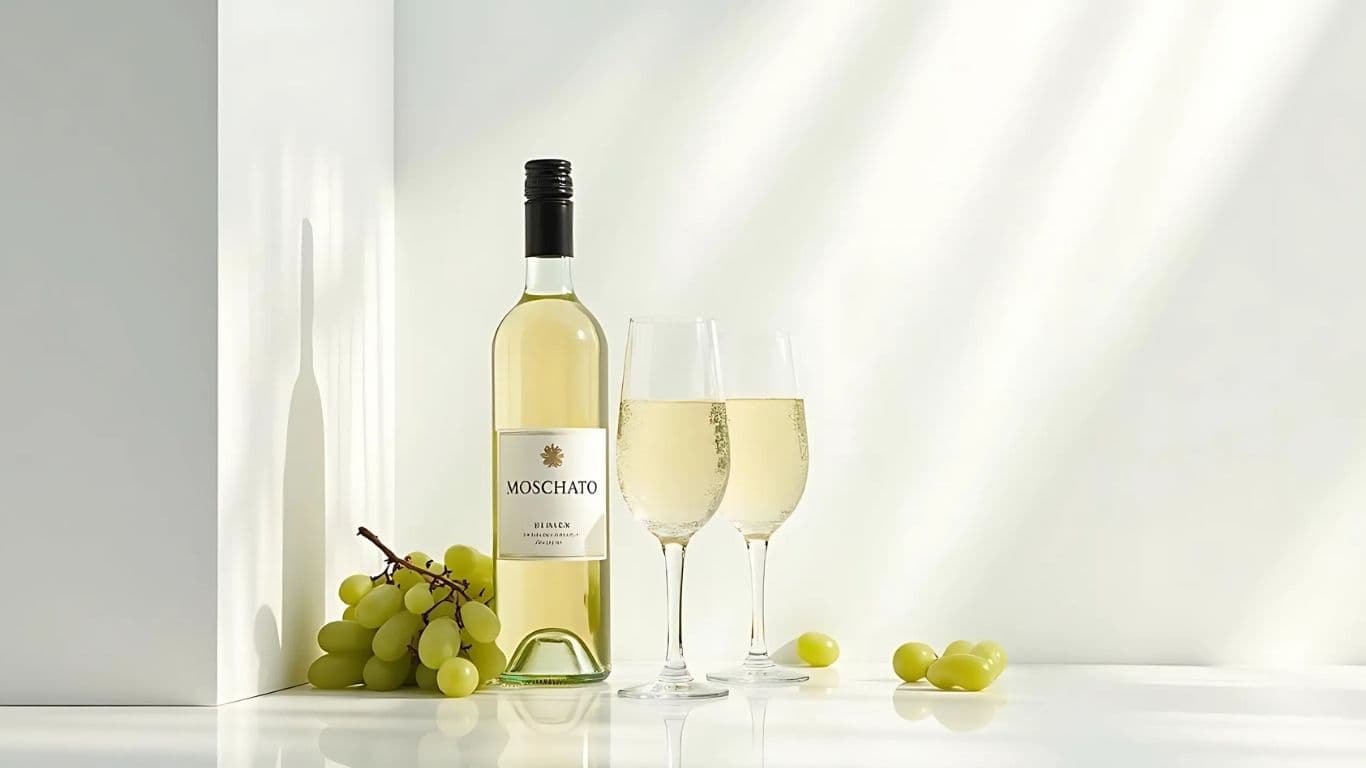
Moschato wine, often called Moscato, is one of the most beloved varietals in the world, known for its sweet, fruity, and intensely aromatic profile.
Its versatility and widespread appeal have made it a staple for casual wine enthusiasts and seasoned collectors alike.
Rooted in the ancient Muscat grape family, Moschato spans a remarkable range of styles, from still and sparkling to rich fortified wines. Affordable pricing and the ability to win over diverse markets have kept Moschato thriving across the global wine industry for centuries.
In recent years, Moschato has caught the eye of a new audience entirely. Growing popularity and surging demand in emerging markets have pushed it firmly into investment conversations.

Whether you’re drawn to the sparkling Moschato d’Asti from Italy or the deeply complex fortified Moschato from Greece, each expression brings something genuinely unique to both your glass and your portfolio.
This guide walks you through the rich history, key regions, flavor profiles, pricing, and investment potential of Moschato wine, giving you everything you need whether you’re a passionate enthusiast or a serious investor.
Table of Contents
What is Moschato Wine?
Moschato wine, also known as Moscato, is crafted from the Muscat grape, one of the oldest grape varieties on earth.
Celebrated for its naturally sweet flavor and distinctive floral aroma, Moschato covers a wide stylistic range, from light and sparkling to rich and fortified.
Its core appeal comes down to approachable sweetness and beautifully balanced acidity, which makes it a natural entry point for new wine drinkers while still holding the attention of serious connoisseurs.
Characteristics of Moschato Wine
- Sweetness: Moschato is celebrated for its sweetness, attributed to the Muscat grape’s high sugar content. Depending on the production method, it can range from subtly sweet to dessert-level richness.
- Aromatics: The wine is highly aromatic, often described as perfumed or fragrant, with notes of honeysuckle, orange blossom, and fresh grapes.
- Flavor Profile: Typical flavors include peach, apricot, citrus, and tropical fruits, with some variations offering hints of honey and spice.
- Acidity: Despite its sweetness, Moschato maintains a crisp acidity that balances its flavor, preventing it from feeling overly cloying.
The Muscat grape family, from which Moschato is derived, has a history stretching back thousands of years. Most evidence points to Mediterranean origins, with traces of cultivation found in Ancient Egypt and Greece.
Over time, the grape spread across Europe, Asia, and eventually the New World, adapting to diverse climates and soil types along the way. That adaptability is exactly what gave Moschato its remarkable stylistic range.
One of Moschato’s defining traits is its versatility. The grape produces everything from delicate sparkling wines to luscious fortified expressions, and dry still wines that showcase pure aromatic intensity.
- Sparkling Wines: Such as Moschato d’Asti from Italy, known for its effervescent and refreshing style.
- Still Wines: Often light and easy to drink, perfect for casual occasions.
- Fortified Wines: Rich and syrupy, such as Moschato from Greece, ideal as dessert wines.
- Dry Variations: Though less common, dry Moschato wines offer unique complexity and food-pairing potential.
Moschato’s approachable nature has made it a global favorite, especially in the United States, where it rode a wave of massive popularity throughout the 2010s.
Its affordability and broad palate appeal are the twin engines behind its strong and consistent market demand.
And with alcohol content typically landing between 5% and 12% ABV, Moschato is a natural choice for anyone looking for something lighter and more relaxed.
While Moschato is primarily known as a consumer-friendly wine, certain premium and limited-production bottles have started to show real value appreciation.
Wines like Moschato d’Asti DOCG from Italy or small-batch Greek Moschato have begun turning heads in niche investment circles, thanks to their exceptional quality and deep-rooted heritage. If you want to understand how other aromatic white varietals compare as investments, the contrast with Moschato is worth exploring.

The History of Moschato
Moschato wine has a history as rich and layered as its flavor profile. The Muscat grape family has shaped wine cultures across the Mediterranean and far beyond for thousands of years.
This ancient varietal is one of the very few grapes that has held its appeal across every era, which speaks to its extraordinary versatility.
The Muscat grape, the foundation of all Moschato wine, is widely considered one of the oldest cultivated grape varieties in existence.
Its roots trace back to the Mediterranean, with Ancient Greece and Egypt both showing strong evidence of early cultivation. It was prized for its natural sweetness and intense, unmistakable aroma.
Historical records suggest Muscat grapes served dual purposes, both as table grapes and as wine, often reserved for royalty and religious ceremony.
In Ancient Greece, Moschato wines were prized for their honeyed character and featured prominently in festivals and rituals honoring Dionysus, the god of wine.
The Greeks are widely credited with carrying the grape to their colonies across what is now Italy and France, where it became a cornerstone of European winemaking.
During the Middle Ages, Muscat cultivation spread steadily across Europe, carried along trade routes and supported by the influence of the Catholic Church.
Monasteries across France, Italy, and Spain played a key role in refining Moschato winemaking techniques, gradually elevating it to a respected dessert wine with genuine prestige.
Moschato’s natural adaptability to different climates allowed it to thrive in wildly different settings, from the sun-baked hills of Sicily to the rolling vineyards of Provence.
In the 20th century, Moschato experienced a genuine resurgence, particularly in Italy and Greece, where winemakers started leaning into its terroir-driven character.
Regions like Piedmont in Italy and Samos in Greece became synonymous with high-quality Moschato. The arrival of sparkling Moschato d’Asti in the mid-1900s was a turning point, with this effervescent style quickly earning international acclaim for its refreshing sweetness and gentle alcohol levels.
By the late 20th and early 21st centuries, Moschato had planted its flag firmly in global markets. Its momentum in the United States was especially strong, where it became a go-to choice for millennial consumers.
Affordable pricing and a broader shift toward sweeter wines pushed Moschato into mainstream territory fast, with sales growing by double digits through the early 2010s.
Today, Moschato stands as a versatile and globally adored wine, with key production hubs across Italy, Greece, Australia, and the United States. Its cultural depth and enduring popularity keep it at the center of the wine world.
Key Moschato Wine Regions
Moschato thrives in regions where the Muscat grape can fully express its aromatic complexity and natural sweetness.
Each region stamps its own identity onto the wine, shaped by local terroir, climate, and generations of winemaking tradition.
These are the most important regions producing Moschato today, each with distinct styles and real investment appeal.

1. Piedmont, Italy
Italy’s Piedmont region is the undisputed home of Moschato d’Asti, a lightly sparkling, beautifully sweet wine. The rolling hills of Asti and Alessandria create an ideal microclimate for Muscat Blanc à Petits Grains, the specific grape variety used here. According to Decanter’s guide to Muscat and Moscato, Piedmont’s DOCG certification places Moschato d’Asti among Italy’s most rigorously protected wine designations.
- Style: Moschato d’Asti is characterized by its effervescence, low alcohol (5–7% ABV), and flavors of peach, apricot, and orange blossom.
- Investment Appeal: As a DOCG wine, Moschato d’Asti has strict production standards, ensuring quality. Limited-edition and vintage bottles have shown moderate appreciation in value, particularly those from renowned producers like Vietti and La Spinetta.
2. Samos, Greece
The island of Samos is home to some of the world’s most revered Moschato wines.
Greek winemakers here specialize in fortified and naturally sweet wines from the Muscat Blanc grape, grown on dramatic terraced vineyards overlooking the Aegean Sea. The result is something you rarely find elsewhere, genuine depth combined with a sense of place that is almost impossible to replicate.
- Style: Samos Moschato wines are known for their concentrated sweetness and complex flavors, including honey, dried apricot, and spice.
- Investment Appeal: Wines from Samos, particularly those labeled PDO (Protected Designation of Origin), are prized for their historical significance and aging potential. Limited-production sweet wines from Samos Cooperative and other top producers are gaining recognition in global markets.
3. Languedoc-Roussillon, France
France’s Languedoc-Roussillon has a long and proud tradition of producing Muscat de Frontignan and Muscat de Beaumes-de-Venise, fortified wines with rich aromatic profiles that reward patient collectors.
- Style: These Moschato wines are luscious and full-bodied, offering flavors of candied fruit, floral notes, and a touch of minerality.
- Investment Appeal: The historical prestige of these wines enhances their value. Collectors often seek out older vintages for their unique aging characteristics and rarity.
4. Australia
Australia has grown into a serious Moschato producer, with regions like Victoria and South Australia leading the way. The country’s warm climate is tailor-made for producing fruit-forward, vibrant Moschato wines that punch well above their price points.
- Style: Australian Moschato wines are typically lighter, with tropical fruit flavors and a refreshing acidity. Sparkling Moschatos are especially popular.
- Investment Appeal: While Australian Moschato is more affordable, some premium sparkling varieties are gaining traction among collectors, particularly those with innovative production techniques.
5. California, USA
California has embraced Moschato’s mass-market momentum with open arms, producing approachable, sweet wines aimed squarely at everyday drinkers.
The Central Valley is the production heartland here, meeting strong demand for affordable and reliably flavorful wines.
- Style: California Moschato wines are sweet, fruit-driven, and designed for early consumption, with flavors of peach and melon.
- Investment Appeal: While California Moschato focuses on accessibility, limited-production wines from boutique producers may offer niche investment potential.
Every region brings something distinct to a Moschato portfolio. Italian Moschato d’Asti and Greek Moschato from Samos carry the highest prestige and investment appeal, with PDO and DOCG certifications acting as quality guarantees.
France and Australia add valuable diversity to any collection, while California delivers consistent volume and broad market relevance.
Moschato Wine Taste & Smell Characteristics
The charm of Moschato lies in its unmistakable aromatic intensity and the way it balances sweetness with just enough acidity to stay fresh.
That sensory profile is what keeps wine lovers coming back and makes Moschato such an effortless entry point for anyone new to wine.

Getting familiar with how it tastes and smells will give you a much clearer sense of why this wine has held global attention for centuries.
Moschato wines are celebrated for their expressive, almost perfumed aromas. Your nose picks up delicate floral notes first, honeysuckle, jasmine, orange blossom, and rose petals leading the way.
These aromas give Moschato a refined, elegant quality that feels instantly inviting. Beneath the florals, you find vibrant fruit scents, ripe peach and apricot, citrus brightness, and in some expressions, tropical notes like lychee and pineapple.
In sweeter or fortified styles, the complexity deepens with hints of honey, nutmeg, and cinnamon adding real layering to the bouquet.
On the palate, Moschato delivers a sweet, refreshing experience that shifts in intensity depending on the style. Still Moschatos are light and smooth, with flavors that closely mirror the aromatic profile, ripe peach, pear, and orange zest.
Sparkling Moschatos, and Moschato d’Asti is the best example here, bring effervescence into the picture, adding crisp notes of green apple and lime that cut beautifully through the sweetness.
Fortified Moschatos from Samos go further still, layering in caramel, dried fruit, and warm spice for a rich and genuinely indulgent experience.
One of Moschato’s most reliable qualities is its mouthfeel. The sweetness and acidity work together rather than against each other.
That crisp acidity ensures even the sweetest styles never feel heavy or cloying on the palate. Add a relatively low alcohol content ranging between 5% and 12% ABV, and you have a wine built for easy sipping and endlessly flexible food pairings.
Moschato’s versatility really shines when it comes to food. Sparkling Moschatos pair beautifully with fruit-based desserts, light salads, and soft cheeses.
Still Moschatos work well alongside spicy Asian dishes, glazed poultry, and fresh summer fruits. Fortified Moschatos, with their richness and complexity, are natural partners for baklava, crème brûlée, and dark chocolate.
From an investment standpoint, Moschato’s sensory appeal is directly tied to its market strength.
Consumers keep coming back for that approachable sweetness, vibrant flavor, and aromatic intensity. Collectible styles like Moschato d’Asti DOCG or Greek PDO Moschatos are prized precisely for their complexity and strong sense of terroir.
Those qualities sustain consumer demand and give Moschato genuine credibility as an investment option, whether you’re a casual collector or someone building a serious wine portfolio.

Styles of Moschato Wine
Moschato’s greatest strength as a category is its range. You have styles that suit every taste, occasion, and budget.
From light, celebratory sparkling wines to deeply complex fortified expressions, each style offers its own take on what the Muscat grape can do.
Understanding these styles is essential if you want to appreciate Moschato’s global reach and spot the real investment opportunities within it.
1. Sparkling Moschato
Sparkling Moschato is the most popular style by a wide margin, and Moschato d’Asti from Italy’s Piedmont region is the benchmark. This lightly sparkling, or frizzante, wine is defined by its refreshing effervescence and vibrant fruit-forward character. As Forbes Wine has noted, Moscato d’Asti consistently ranks among the most recognizable Italian wine exports in the US market.
- Characteristics: Typically low in alcohol (5–7% ABV), sparkling Moschato boasts flavors of peach, green apple, and citrus, with a hint of orange blossom on the nose. The natural sweetness is balanced by crisp acidity, making it a delightful aperitif or dessert wine.
- Notable Producers: Renowned names like Vietti, La Spinetta, and Paolo Saracco produce highly sought-after sparkling Moschatos that appeal to both casual drinkers and collectors.
2. Still Moschato
Still Moschato is less common than its sparkling counterpart, but what it offers is something different and worth seeking out. These wines strip things back to showcase the pure flavor and aromatic intensity of the Muscat grape without any distraction.
- Characteristics: Still Moschatos are medium-bodied with flavors of ripe peach, apricot, and honeysuckle. They are typically sweet, although drier variations are available, especially in regions like Australia.
- Notable Regions: Australia and the United States are key producers of still Moschatos, with many winemakers focusing on approachable, fruit-forward styles.
3. Fortified Moschato
Fortified Moschato is a rich, dessert-style wine with a higher alcohol content, typically between 15% and 18% ABV, achieved by adding brandy during fermentation. That process locks in the natural sugars and produces an intensely sweet, layered wine built for aging.
- Characteristics: Fortified Moschato offers flavors of dried apricot, honey, caramel, and spice, with a luxurious mouthfeel. It is ideal for pairing with desserts or enjoying as a standalone treat.
- Notable Regions: Greece, particularly the island of Samos, is renowned for its fortified Moschatos. France’s Muscat de Frontignan and Muscat de Beaumes-de-Venise also produce exceptional examples.
4. Dry Moschato
Dry Moschato is rare, but when you find it, you get a genuinely fresh perspective on this traditionally sweet varietal. These wines let the grape’s natural aromatics take center stage while leaning into minerality and crisp acidity.
- Characteristics: Dry Moschato features flavors of citrus zest, green apple, and floral notes, with a clean, refreshing finish. It pairs well with savory dishes and lighter fare.
- Notable Producers: Some winemakers in Italy and Australia have begun experimenting with dry Moschato, creating niche options for adventurous drinkers.
Styles of Moschato Wine.csv
Each style of Moschato brings its own market dynamic. Sparkling Moschatos from Piedmont enjoy consistent demand and strong international recognition, making them a reliable foundation for any collector.
Fortified Moschatos from Samos and France stand out for their aging potential and scarcity, qualities that translate directly into long-term appreciation.
Still and dry Moschatos, meanwhile, offer meaningful diversification opportunities, particularly for those who want wines with broader food pairing flexibility.
Understanding the full stylistic range of Moschato helps you match wines to your own tastes while building a portfolio with genuine financial logic behind it.
From effervescent crowd-pleasers to luxurious dessert wines, Moschato’s range keeps it relevant across global markets in a way that few varietals can match.
Moschato Wine Pricing
Moschato wine pricing spans a remarkably wide range depending on style, region, and quality.
While Moschato has a well-earned reputation for affordability, premium and collectible bottles can command prices that put them firmly in investment territory, and that’s where things get genuinely interesting.
Moschato’s accessible pricing is one of its biggest draws for casual drinkers.
Entry-level still and sparkling Moschatos from California or Australia typically land between $10 and $20, offering strong quality for the price.
These wines are built for everyday enjoyment and make an easy gateway into the category.
Step up in quality and the picture shifts. Premium Moschatos like Moschato d’Asti DOCG from Italy generally fall in the $20 to $50 range.
What you’re paying for at this level is refined production, think hand-harvesting, limited yields, and the kind of attention to detail that adds real complexity and lasting appeal.
Producers like Vietti, La Spinetta, and G.D. Vajra set the standard in this segment, consistently earning critical praise for their wines.
Fortified Moschatos from Samos and France’s Languedoc-Roussillon command higher prices, reflecting their rich profiles and genuine aging potential.
You’re typically looking at $30 to $100, with some limited-edition releases going well past $150 per bottle. The labor-intensive production and small-scale output justify every dollar of that premium.
At the collectible end of the market, certain Moschato labels have started drawing serious attention. Single-vineyard Moschato d’Asti from Italy and PDO-certified Moschatos from Greece are increasingly sought for their rarity and exceptional quality.
Prices in this tier start around $100 and can climb past $500 for limited releases or older vintages. Bottles tied to producers with strong reputations or historic regions tend to hold value well and often appreciate meaningfully over time.
Regional Pricing Variations
Where a Moschato comes from has a direct impact on what you’ll pay. Italian DOCG-certified bottles command a premium over New World equivalents, while Greek PDO Moschatos from Samos sit at a similar prestige level. French fortified expressions from Languedoc-Roussillon also carry higher price tags than Australian or Californian counterparts, reflecting both heritage and production complexity.
- Italy: Moschato d’Asti offers a range of pricing, from entry-level sparkling wines at $20 to collectible vintage releases exceeding $100.
- Greece: Fortified Moschatos from Samos are competitively priced, with premium bottles ranging from $30 to $80.
- Australia and the United States: These regions dominate the affordable Moschato segment, with bottles generally priced between $10 and $30. However, boutique producers may offer higher-priced, premium options.
- France: Fortified wines like Muscat de Frontignan and Muscat de Beaumes-de-Venise are priced at $30 to $60, with collectible bottles from top producers commanding higher prices.
Moschato’s pricing structure creates entry points for investors at every level. Entry-level wines keep demand steady and broad, while premium and fortified Moschatos serve niche collectors and enthusiasts who understand what they’re buying.
The growing recognition of PDO-certified Moschatos and limited-production sparkling wines from Italy is building a solid case for long-term appreciation.

The smartest move is to target regions and producers with established reputations and a track record of value growth. That’s where your upside lives.
Moschato_Pricing_Tiers.csv
Moschato Wine Historical ROI
The historical return on investment for Moschato wine tells the story of a varietal that has quietly evolved from mass-market sweet wine to a genuinely compelling asset in niche investment circles.
Traditionally seen as a consumer-friendly category, certain Moschato styles and regions have shown real and consistent value appreciation, drawing the attention of collectors who know where to look.
Breaking down ROI trends by category and region gives you the clearest read on where Moschato’s real investment potential actually sits.
Entry-level Moschato wines, priced between $10 and $20, dominate the mass market in the United States and Australia.
These wines are made for immediate drinking, not cellaring, and they offer minimal appreciation in secondary markets. ROI at this tier is essentially negligible because high-volume production rules out any meaningful exclusivity.
That said, their affordability keeps demand strong and steady, which is good news for wineries even if it doesn’t excite investors.
Moschato accounted for roughly 15% of sweet wine sales in the US market in 2023, which tells you just how entrenched it is among everyday drinkers.
Premium Moschato wines like Moschato d’Asti DOCG, sitting in the $20 to $50 range, cater to more discerning buyers who want genuine quality.
These wines have posted annual appreciation rates of around 5% to 7%, especially for limited-production or vintage releases. Understanding how long-term investment principles apply across asset classes helps you put those numbers in useful context.
Bottles from producers like Vietti and La Spinetta have shown steady value growth, with some older vintages appreciating by up to 20% over five years.
That kind of consistent performance, backed by the global credibility of the DOCG classification, makes premium Moschato a stable and sensible category for moderate investment.
Fortified Moschatos from Samos and Languedoc-Roussillon are building a real reputation for strong returns, driven by their unique profiles and genuine aging potential.
Priced between $30 and $100, these wines have posted annual growth rates of around 6% to 10%, with rarity and historical significance doing much of the heavy lifting.
PDO-certified fortified Moschatos from Samos have seen auction sale values climb by around 12% over the past five years. Older vintages that develop deeper complexity over time regularly fetch premium prices in secondary markets, with some bottles clearing $150 with ease.
The strongest returns in the Moschato category come from collectible wines: single-vineyard Moschato d’Asti and limited-edition fortified Moschatos produced in very small quantities.
These bottles, typically priced at $100 to $500 and above, derive real power from their scarcity. Small production runs create the kind of exclusivity that collectors actively seek out.
Collectible Moschato wines have delivered annual ROI of roughly 10% to 15%, particularly for sought-after vintages or bottles tied to celebrated producers.
A rare vintage Moschato d’Asti from G.D. Vajra appreciating by 25% over six years is a strong example of what’s possible when quality, scarcity, and producer reputation all align. According to Wine-Searcher’s market data, producer reputation and vintage scarcity are consistently the two biggest drivers of secondary market premiums for Italian DOCG wines.
Regional ROI Trends
- Italy: Sparkling Moschatos from Piedmont, particularly vintage Moschato d’Asti, exhibit strong appreciation. In the past decade, premium Moschatos from top producers have seen values rise by 8–12% annually, fueled by international demand.
- Greece: Fortified Moschatos from Samos, particularly those labeled PDO, have gained momentum, with older vintages achieving 10% year-over-year growth in secondary markets.
- France: Wines like Muscat de Frontignan and Muscat de Beaumes-de-Venise are gaining traction among collectors. Limited releases from the 2010 vintage have appreciated by an average of 7% annually.
- Australia and USA: While most Moschato wines from these regions are mass-produced, boutique producers offering premium Moschatos have started carving out niche markets, with limited releases appreciating by 4–6% annually.

Best Varieties of Moschato
Building a smart Moschato investment starts with knowing which varieties combine regional excellence, historical significance, and genuine market appeal. Here is a breakdown of the standout Moschato varieties worth your attention heading into 2026.
Best Varieties of Moschato in 2025.csv
This table gives you a detailed look at the top Moschato varieties for investment, covering their defining traits and financial potential side by side.
Your priority should be premium and fortified Moschatos, especially those carrying PDO or DOCG certifications. These are the wines positioned most credibly for long-term appreciation, and the certification adds a layer of quality assurance that matters in secondary markets. You can also draw useful comparisons by looking at how other European wine regions are protecting and sustaining the value of their appellations.
Best Moschato Collections in 2026
Identifying the right Moschato collections means looking for wines that bring together exceptional quality, limited production, and producers with strong regional reputations.
Below are the Moschato collections most worth your attention in 2026, covering options that offer both near-term appeal and genuine long-term upside. As the Financial Times has reported, fine wine as an asset class has attracted renewed interest from wealth managers seeking alternatives to traditional equities.
Best_Moschato_Collections_to_Invest_In_2025.csv
Investment Insights
- Top Regions: Piedmont (Italy) and Samos (Greece) dominate the premium and collectible Moschato markets, offering wines with strong heritage and consistent value growth.
- Focus on Limited Production: Single-vineyard Moschato d’Asti and PDO-certified fortified Moschatos from Samos are the most promising options for long-term investments.
- Emerging Opportunities: French fortified Moschatos and boutique Australian options are gaining traction in niche markets, presenting diversification opportunities.
Your focus should be on collections with limited availability and proven aging potential, targeting regions and producers who carry real weight in the global wine market. Scarcity and reputation are the two variables that matter most when you’re assessing long-term value.
These Moschato collections offer a compelling mix of accessibility, exclusivity, and financial upside. Whether you’re just starting to explore wine as an asset class or you’re building on an existing portfolio, Moschato gives you genuine range to work with.
FAQ
Are Moschato wines a good investment?
Yes, Moschato wines offer strong investment potential, particularly in the premium and collectible categories. Fortified wines from Samos and single-vineyard Moschato d’Asti have demonstrated annual ROI of 8–15%, making them attractive for collectors seeking diversification at an affordable entry point.
What are the most collectible Moschato wines?
Highly collectible Moschato wines include:
– La Spinetta Bricco Quaglia and Vietti Cascinetta Moschato d’Asti (Italy).
– Samos Anthemis and Samos Nectar (Greece).
– Muscat de Frontignan Domaine les Pins (France).
How does Moschato compare to other investment wines like Bordeaux or Burgundy?
Moschato wines are generally more affordable, with lower entry costs compared to Bordeaux or Burgundy wines. While Bordeaux and Burgundy offer higher prestige and long-established ROI, Moschato presents a unique opportunity for niche investment with strong growth potential in emerging markets.
What is the best storage method for Moschato wines?
Moschato wines should be stored in a cool, dark place at 55°F (13°C) with humidity levels of 60–70%. Fortified Moschatos, in particular, benefit from long-term storage, as their high sugar content and robust structure allow them to age gracefully.