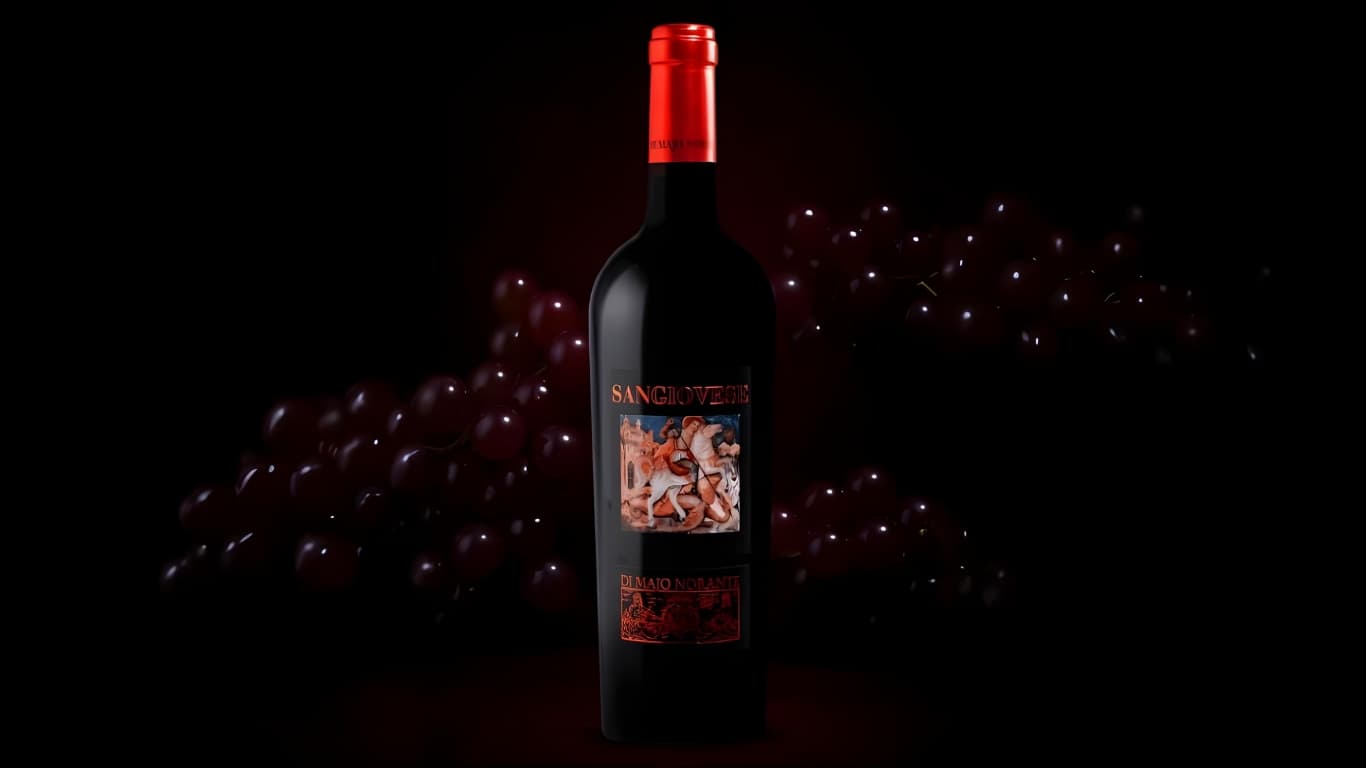
Sangiovese wine is no longer just the backbone of Tuscany’s iconic reds. It’s becoming a serious contender in global wine investment portfolios, and if you’ve been sleeping on it, now is the time to pay attention.

Known for producing age-worthy, high-acid wines with remarkable structure, Sangiovese is the genetic foundation of some of Italy’s most investable labels. We’re talking Brunello di Montalcino, Chianti Classico Riserva, and Super Tuscan IGTs like Tignanello. These aren’t just beautiful wines. They’re assets.

Investor interest in Sangiovese has surged, and the numbers back it up. Over the past decade, wines like Biondi-Santi Brunello di Montalcino Riserva have posted compound annual growth rates of 12% to 15%, quietly outperforming many Burgundy and Rhône assets that get far more attention.

Select vintages of Fontodi Flaccianello and Felsina Rancia Riserva have tripled in market value since 2010. That growth has been driven by critical scores in the 96 to 100 point range, tightly limited allocations, and a wave of demand from collectors across Asia and North America.

Beyond the numbers, Sangiovese gives you something rare in fine wine investing: genuine versatility in both taste and terroir. From the clay-rich slopes of Montalcino to the limestone-laced hills of Castellina in Chianti, the expressions range from savory and earthy to ripe and mineral-driven. No two estates taste quite the same.

That diversity, paired with strict DOCG regulation and microclimate specificity, creates market scarcity and provenance premiums that matter enormously in fine wine valuation. Scarcity plus pedigree is always a powerful combination.

In 2026, institutional wine funds and high-net-worth collectors are taking notice in a serious way. With vertical auction demand rising, critic visibility climbing, and production volumes for prestige bottlings staying deliberately low, Sangiovese has crossed a threshold. It’s a global asset now, not just a regional classic. If you want to understand the full picture of fine wine investment tax obligations in the USA and Europe, that’s worth factoring into your strategy early.

What Is Sangiovese Wine

Sangiovese is Italy’s most widely planted red grape variety and the dominant force behind many of the country’s most prestigious wines. Its name comes from the Latin “Sanguis Jovis,” meaning the blood of Jupiter, which tells you everything about how deeply rooted this grape is in Italian culture and winemaking history.

As a grape, Sangiovese is thin-skinned, with naturally high acidity and moderate tannins. What lands in your glass is typically a medium to full-bodied wine with pronounced red fruit notes like cherry and raspberry, earthy undertones of leather and tobacco, and a distinctive savory finish that keeps you coming back.

That intrinsic structure and balance give it strong cellaring potential. Top-tier expressions age gracefully for 20 to 30 years, which is exactly what you want from a wine you’re holding as an investment.

Two main clonal variants define the Sangiovese family, and knowing the difference matters when you’re evaluating bottles.

  • Sangiovese Grosso – Found in Brunello di Montalcino and Vino Nobile di Montepulciano, known for its age-worthiness and complexity.

  • Sangiovese Piccolo – Common in Chianti and Romagna, offering more approachable expressions, ideal for earlier drinking or short-term holds.

Key blending grapes like Canaiolo, Colorino, and Mammolo are occasionally added to soften Sangiovese’s sharper edges or enhance aromatics. That said, single-varietal expressions are what the market prizes most, especially in DOCG wines like Brunello.

Sangiovese sits at the core of several Italian wine denominations, each with its own rules on aging, composition, and classification. Where a wine falls within that framework tells you a lot about its collectibility.

  • DOCG (Denominazione di Origine Controllata e Garantita) – e.g., Brunello di Montalcino, Chianti Classico, Vino Nobile di Montepulciano.

  • DOC (Denominazione di Origine Controllata) – e.g., Rosso di Montalcino, Morellino di Scansano.

  • IGT (Indicazione Geografica Tipica) – Home to Super Tuscan labels, offering creative freedom outside DOCG restrictions.

The use of oak aging, particularly French and Slavonian oak, further defines the profile of what ends up in the bottle. Traditionalists favor extended aging in large, neutral barrels. Modernists embrace barriques for bolder, more internationally accessible styles. Both schools have produced wines worth serious money.

Sangiovese’s nuanced flavor evolution, critical acclaim, and regulatory rigor make it a stable, collectible investment. Wines like Tignanello, Biondi-Santi Riserva, and Soldera Case Basse have shown real price resilience and vintage-to-vintage consistency that collectors and funds both value.

And the supply side works in your favor too. Limited vineyard land in zones like Montalcino and Montepulciano places a natural ceiling on production, which fuels scarcity and supports long-term price appreciation. You can’t just build more Brunello.

Sangiovese Wine

The History of Sangiovese Wine

Sangiovese’s winemaking history stretches back over 2,000 years, placing it among the oldest cultivated grape varieties in Italy. The earliest documented references appear in 16th-century Tuscany, where it became the defining varietal of central Italian viticulture. That kind of historical depth isn’t just romantic. It underpins the wine’s reputation as a benchmark red in European winemaking.

  • Roman Era: Sangiovese is believed to have been domesticated by the Etruscans and widely cultivated during the Roman Empire. Its adaptability to varied climates and soils led to its proliferation across the Italian peninsula.

  • Middle Ages to Renaissance: Monasteries and noble estates helped refine vineyard management techniques and barrel aging, particularly in Tuscany and Emilia-Romagna. During this period, Sangiovese evolved into a structured, food-friendly wine consumed across the Papal States.

  • Modern Era (19th–20th century): The grape became central to the Chianti formula—initially a blend of Sangiovese, Canaiolo, and Malvasia. However, it wasn’t until the Biondi-Santi family introduced the first Brunello di Montalcino Riserva in the late 1800s that Sangiovese truly became synonymous with high-end, cellar-worthy wines.

In the 1970s, a wave of disillusionment with rigid DOC regulations pushed visionary winemakers like Marchesi Antinori to experiment outside the appellation rules. They began blending Sangiovese with Bordeaux varietals like Cabernet Sauvignon and Merlot, and what came out of those cellars changed everything.

These wines, marketed under the IGT Toscana label, ushered in the Super Tuscan era and vaulted Sangiovese’s profile to a global audience that had never taken Italian wine quite that seriously before.

  • Tignanello (1971 vintage) and Solaia were among the first Super Tuscans, demonstrating that Sangiovese-based wines could rival Bordeaux in aging potential and international pricing.

  • Masseto, Le Pergole Torte, and Flaccianello della Pieve later solidified the category’s investment appeal, often surpassing $200–$800 per bottle at release.

By the late 1990s, many Super Tuscans had been folded into DOC or DOCG frameworks, while others stayed as IGT by choice to preserve stylistic freedom. At the same time, Sangiovese started gaining real traction in California’s Napa Valley, Australia’s Barossa, and Corsica, where it’s known as Nielluccio.

For investors, Sangiovese’s historical credibility, DOCG endorsements, and reinvention through modern enology create compelling value stability across both traditional and emerging markets. The grape has survived regulatory upheaval, stylistic reinvention, and shifting global tastes. That kind of track record matters.

Sangiovese Wine Regions & Terroir

Sangiovese’s character is shaped profoundly by where it grows. Its heartland is central Italy, and Tuscany in particular, but this grape has adapted to a range of terroirs across Italy and beyond. Each growing environment leaves a distinct fingerprint on acidity, structure, and aromatics, which is exactly why provenance commands such a premium in this category.

Key Sangiovese Wine Regions

Tuscany is the epicenter of high-quality Sangiovese production, and the region that defines what investment-grade Sangiovese really looks like. Key appellations include Brunello di Montalcino, Chianti Classico, Chianti Classico Gran Selezione, Vino Nobile di Montepulciano, and the IGT Toscana category that houses many of the great Super Tuscans.

  • Chianti Classico DOCG: Located between Florence and Siena, this zone produces balanced, food-friendly wines marked by vibrant red fruit, savory herbs, and earthy tones. Key subzones like Radda and Gaiole yield wines with higher acidity and longevity.

  • Brunello di Montalcino DOCG: This appellation mandates 100% Sangiovese Grosso (locally called Brunello). The warm climate and galestro soil produce full-bodied wines with firm tannins and remarkable aging potential, often exceeding 30 years.

  • Vino Nobile di Montepulciano DOCG: Uses Prugnolo Gentile, a local Sangiovese clone. These wines offer a softer profile with polished tannins, ideal for medium-term aging (8–15 years).

  • Morellino di Scansano DOCG: Found in coastal southern Tuscany, this region benefits from Mediterranean breezes and sandy soils, producing approachable Sangiovese with plush texture and ripe cherry fruit.

  • IGT Toscana: Encompasses Super Tuscans and single-vineyard expressions, often blending Sangiovese with international varietals. Elevation, soil diversity, and modern techniques yield some of the region’s most sought-after investment-grade wines.

Emilia-Romagna tends to produce lighter expressions, with higher acidity and lower alcohol, making them more approachable in youth. These wines are less collectible as a rule, though top-tier examples from the Romagna Sangiovese DOC can age well for 8 to 10 years.

Umbria, through appellations like Montefalco and Torgiano, offers high-altitude sites producing structured, mineral-driven Sangiovese, often blended with indigenous grapes. Increasing critical attention has put this region firmly on the radar of collectors looking for untapped potential before prices catch up.

Corsica, where Sangiovese is known locally as Nielluccio, produces wines from the Patrimonio AOC with bright acidity and a distinctive Mediterranean salinity. These are interesting bottles, but investment demand stays niche for now.

In Napa Valley, cooler subregions like Carneros and Atlas Peak produce Sangiovese with ripe fruit, softer tannins, and a modern, oak-influenced style. Wines from Antinori’s Antica estate and Palmaz Vineyards are worth knowing by name.

The Barossa Valley in Australia is still exploring what Sangiovese can do, but what’s coming out is spicy, bold, and age-worthy at price points that leave room for upside.

Terroir Influence on Investment Value

Sangiovese’s sensitivity to microclimates and soil types creates terroir-driven distinctions that feed directly into valuation. A bottle from a specific slope in Montalcino and a bottle from a neighboring estate can trade at wildly different prices, and rightfully so.

  • Brunello from Montosoli (north of Montalcino) fetches a 20–30% premium over lower-slope vineyards due to cooler exposures and mineral-rich soils.

  • Chianti Classico Gran Selezione wines from limestone-heavy plots often receive higher scores, pushing bottle prices to $80–$150.

These terroir variables are central to Sangiovese’s appeal in the fine wine investment market. Provenance and site specificity drive secondary market pricing in ways that broad appellations simply can’t replicate. Knowing how to research fine wines before investing will help you navigate these distinctions with confidence.

Sangiovese Wine

Sangiovese Wine Taste & Smell Characteristics

  • Primary Grape Variants: Sangiovese Grosso (used in Brunello and Vino Nobile) and Sangiovese Piccolo (common in Chianti and Romagna) define most regional styles. In blends, Canaiolo, Colorino, and Mammolo may be used to enhance color, softness, or aromatic lift.

  • Signature Aromas & Flavors: Expect a spectrum of red fruit notes like sour cherry, wild strawberry, and pomegranate, layered with dried rose, leather, tobacco, and balsamic herbs. With age, Sangiovese wines evolve into tertiary aromas of cedar, dried orange peel, forest floor, and sweet spice.

  • Body & Mouthfeel: Sangiovese wines are typically medium-bodied to full-bodied, with a linear structure and vibrant acidity. Premium examples—especially from Brunello and Gran Selezione Chianti Classico—show a layered mouthfeel and persistent mineral finish.

  • Acidity Level: Naturally high acidity (5.5–7.5 g/L) is a defining trait. It enhances both freshness in youth and cellaring potential for up to 30+ years in top wines.

  • Tannin Structure: Moderate to high tannins—grainy and firm in youth, softening with age. Brunellos tend to have more pronounced grip, while Chiantis show finer-grained tannins.

  • Oak Influence & Integration: Aged in both large Slavonian casks and French barriques, depending on style. Expect notes of vanilla, clove, smoke, and baking spice in modern styles, and more subtle cedar and leather in traditional bottlings.

  • Aging Profile by Classification:
    • Chianti Classico Riserva: Aged 2–3 years (at least 1 in oak)
    • Brunello di Montalcino: Aged minimum 5 years (2 in oak, 3 in bottle)
    • Gran Selezione & Soldera-style wines: Often held 6–10 years before release
      Top examples age well for 20–35+ years, especially in strong vintages like 2010, 2016, and 2019.

  • Ideal Serving Conditions:
    • Sangiovese Reds: Serve at 16–18°C (60–65°F)
    • Decant younger Brunellos and Chiantis for at least 1–2 hours to enhance aromatics
    • Use large-bowled glasses to concentrate volatile esters in aged wines

Sangiovese Wine Storage

If you’re holding Sangiovese as an investment, how you store it is just as important as what you buy. High-end expressions from Brunello di Montalcino, Chianti Classico Gran Selezione, and Super Tuscan IGTs are built to age for decades. But that potential only gets realized when you control the environment rigorously.

Get the conditions wrong, and you’re not just losing drinking pleasure. You’re losing money.

Temperature is the single most critical variable. Sangiovese wines should be stored consistently between 12°C and 14°C, which is 54°F to 57°F. Fluctuations outside that range accelerate oxidation, flatten aromatics, and destabilize tannin integration. Humidity between 65% and 75% is equally non-negotiable, protecting corks from shrinkage and maintaining the airtight seal that long-aging wines like Biondi-Santi Riserva or Soldera Case Basse absolutely depend on.

Light and vibration are silent killers for fine wine. Sangiovese bottles with 15 to 40 years of aging potential must sit in dark, quiet environments. Even low-frequency vibration or UV exposure can compromise the wine’s chemical profile and reduce what it fetches at auction.

On the technical side, always store bottles horizontally. This keeps corks expanded and eliminates oxygen ingress. That applies especially to larger formats like magnums, which consistently command premiums on the secondary market because of their superior aging performance.

This matters most for prestige bottlings like Tignanello, Flaccianello, and Il Poggione Brunello, all of which are actively traded in fine wine auctions and require traceable, documented provenance to hold their value. According to Wine-Searcher, provenance documentation is one of the top factors influencing price variance at auction.

Bonded professional storage facilities are the smart move here. Options like Octavian Vaults, London City Bond, or Grand Cru Storage offer optimal conditions alongside digital tracking and transfer systems that make selling to funds, collectors, or auction houses far smoother.

As for holding periods, Chianti Classico Riservas generally peak over 10 to 20 years. Brunello di Montalcino Riservas hit their window between 20 and 35 years post-vintage. Super Tuscans typically show their best between 15 and 30 years, depending on their structure and oak profile.

Single-vineyard selections like Le Ragnaie V.V., Poggio di Sotto, and Fontodi’s Vigna del Sorbo often benefit most from extended storage, thanks to elevated acidity, tannin density, and precision oak treatment that rewards patience.

Sangiovese Wine Pricing

Sangiovese pricing covers an enormous range, from affordable, food-friendly Chiantis all the way to highly collectible Brunellos and Super Tuscans commanding serious premiums on the global fine wine market. Understanding this tiered structure is essential if you want to spot where price appreciation is actually happening and where long-term value is most likely to build.

1. Entry-Level Sangiovese Wines

At the entry level, you’re looking at basic Chianti DOCG or IGT Toscana bottlings, typically produced in large volumes for early consumption. Made predominantly from Sangiovese Piccolo, these wines emphasize fruit purity and freshness with little to no oak aging.

  • Typical Retail Range: $10–$25
  • Primary Purpose: Daily drinking; not designed for cellaring or resale
  • Investment Note: Minimal upside; often excluded from collector portfolios

These wines serve the everyday consumer market well. But don’t expect them to move the needle on an investment portfolio or show up in any serious auction demand.

2. Mid-Tier Sangiovese Wines

This bracket covers Chianti Classico Riserva, Vino Nobile di Montepulciano, and Rosso di Montalcino from respected producers. You get moderate aging, site-specific character, and a drinking window that typically runs 5 to 12 years.

  • Typical Retail Range: $30–$80
  • Aging Influence: 1–2 years in large oak or neutral barrels
  • Investment Potential: Wines like Felsina Rancia Riserva or Avignonesi Vino Nobile show 10–14% CAGR over 7–10 years
  • Market Position: Frequently found on wine lists, with growing secondary market demand for well-rated vintages

These aren’t highly speculative, but they offer dependable performance in the $50 to $80 range and can deliver real ROI when purchased en primeur from the right producers.

3. Premium and Investment-Grade Sangiovese Wines

This is where the serious money plays. Top-tier Brunello di Montalcino Riservas, single-vineyard Chianti Classico Gran Selezione, and iconic Super Tuscans blending Sangiovese Grosso with Bordeaux varietals are cellar-worthy, globally traded, and released in deliberately limited quantities.

  • Typical Retail Range: $100–$400
  • Auction Value: Top producers like Biondi-Santi, Soldera, and Il Poggione often exceed $1,000 per lot
  • Trend Pricing: Library vintages and magnums can command premiums of 150–300% over release price
  • Investment Note: Wines with 95+ critic scores and documented provenance deliver 10–18% CAGR across a 10–20 year hold

These are the bottles that fine wine investors and collectors are fighting over, especially from iconic estates in strong vintage years. The best wine brands by type, price, and region is a useful reference if you’re building your shortlist.

Factors Influencing Sangiovese Wine Pricing

Several structural and market variables shape how Sangiovese wines perform and attract investment attention. Vintage quality, producer reputation, critical scores from voices like James Suckling and Antonio Galloni, allocation size, and aging requirements under DOCG law all feed into where a bottle lands in the market and how much room it has to run.

  • Altitude & Terroir Differentiation: Cooler, higher-elevation sites like Montosoli (Brunello) and Lamole (Chianti) yield low-volume, high-acidity wines ideal for aging and often command 20–30% pricing premiums.

  • Producer Reputation & Scarcity: Estates like Biondi-Santi, Il Marroneto, and Fontodi consistently rank among the highest ROI performers, with vertical collections fetching multi-thousand-dollar valuations at auction.

  • Critic Scores & Vintage Quality: Sangiovese wines from 2010, 2015, and 2016 show strong market uplift due to high ratings (96–100 points) from Decanter and Wine Advocate.

  • Format & Packaging: Magnums and original wooden case (OWC) formats show 30–50% higher resale value due to better aging stability and collector desirability.

  • Export Demand & Market Reach:Sangiovese wines with strong distribution in the U.K., U.S., and Asia—especially Super Tuscans and Brunello Riservas—see significantly higher post-release visibility and trade volume.

Sangiovese Wine price

Sangiovese Wine Historical ROI

Sangiovese wine has quietly evolved into one of the most compelling fine wine investment categories available. Once overshadowed by Bordeaux and Burgundy in capital markets, top-tier Sangiovese from Brunello di Montalcino Riservas, Chianti Classico Gran Selezione, and Super Tuscans now commands premium valuations and consistent long-term returns that serious investors can’t ignore.

In recent years, Sangiovese wines have won broader acceptance among global collectors. The appreciation has been fueled by aging pedigree, critical acclaim, and increasingly tight allocations from elite estates that show no interest in scaling up production.

Investment-grade Sangiovese now ranks among Italy’s most actively traded assets in global auctions, a shift that would have seemed unlikely just fifteen years ago. Wine Spectator has tracked this rise closely, noting the consistent upward pressure on top Brunello and Super Tuscan prices at major sale rooms.

Average ROI & Price of Top Sangiovese Wines (2010 to 2026)


Wine LabelAvg. Entry PriceCurrent Market Price
Biondi-Santi Brunello Riserva 2006$290$1,100
Soldera Case Basse 2008$400$1,450
Tignanello 2010$95$320
Fontodi Flaccianello 2015$120$300
Felsina Rancia Riserva 2016$45$105

The data below reflects a 7 to 15 year average holding period and covers both private cellar resale and auction market performance. It’s the kind of track record that justifies why institutional wine funds are now building Sangiovese positions alongside more established Bordeaux allocations.

Global auction platforms have reported a measurable uptick in demand for high-end Sangiovese wines since 2018, with the most active bidding coming out of London, New York, and Hong Kong. According to Bloomberg Markets, alternative assets including fine wine have attracted increasing capital from wealth managers seeking non-correlated returns.

Between 2017 and 2024, the momentum was clear. Lot volumes for top Brunello and Super Tuscan producers increased steadily, hammer prices rose on back vintages, and buyer competition intensified at every major sale room. If you want a parallel perspective on how alternative assets are being evaluated by sophisticated investors, the comparison with physical gold investments versus online gold ETFs is worth a read.

  • Fine wine auction volume for Sangiovese-based labels rose by 96%, with sell-through rates averaging 92–95% across Sotheby’s, Hart Davis Hart, and WineBid.

  • Brunello Riserva verticals (e.g., Il Poggione, Le Ragnaie) showed 28–34% premium valuations when offered as full collections.

  • Super Tuscans with Sangiovese dominance (Tignanello, Pergole Torte) frequently exceeded high estimates by 10–20%, particularly in OWC formats or pristine provenance lots.

  • Wines stored under bond or certified provenance conditions (e.g., Octavian Vaults, Vinotheque) achieved 15–22% resale premiums, especially for aged vintages.

  • The rise of single-vineyard Brunellos and Gran Selezione Chiantis (e.g., Vigna del Sorbo, Riecine Vigna Gittori) has mirrored Burgundy-style appreciation curves, with post-release valuations rising 25–35% within 3–5 years.

Best Varieties of Sangiovese Wine

Best Varieties of Sangiovese Wine


FAQ

Is Sangiovese a good wine for aging?

Yes. Top-tier Sangiovese wines like Brunello di Montalcino Riserva can age for 20 to 40+ years. High acidity and strong tannins give them excellent cellaring potential.


Which types of Sangiovese wines are best for investment?

Brunello Riserva, single-vineyard Chianti Classico Gran Selezione, and Sangiovese-led Super Tuscans like Tignanello and Flaccianello are best for long-term ROI.


How much ROI can Sangiovese wine deliver?

Top Sangiovese wines have shown historical annual ROI between 10% and 18%, especially those from Biondi-Santi, Soldera, and Tignanello.


What affects Sangiovese wine pricing?

Pricing is influenced by vintage quality, critical scores, single-vineyard origin, production volume, and auction performance. Provenance and storage conditions also affect resale value.


Where is Sangiovese wine produced?

Primarily in Tuscany (Italy), with notable appellations including Brunello di Montalcino, Chianti Classico, and Montepulciano. Smaller plantings exist in Umbria, Emilia-Romagna, Corsica, Napa Valley, and Barossa Valley.


Is Brunello better than Chianti for investment?

Generally yes. Brunello di Montalcino Riserva has stronger price performance and longer aging potential than most Chiantis. However, top Chianti Gran Selezione wines also offer strong value growth.


Do Super Tuscan wines with Sangiovese age well?

Yes. Wines like Tignanello and Le Pergole Torte blend Sangiovese with Bordeaux varietals and age well for 20–30 years, often exceeding $300+ on secondary markets.


Is Sangiovese wine undervalued in 2025?

Select labels still offer strong upside. While top-tier Brunellos and Super Tuscans have appreciated, several Gran Selezione and Vino Nobile labels remain underpriced relative to their ROI potential.

Fine Wine Investment Surge as Wealth Managers Forecast Historic 2026 Demand

Fine Wine Investment Surge as Wealth Managers Forecast Historic 2026 Demand

The fine wine investment landscape has reached a historic inflection point in 2026, driven by…
How Smart Investors Use Wine Auctions To Build Valuable Cellars
Fine Wine Investment Market Rebounds As Interest Rates Fall

Fine Wine Investment Market Rebounds As Interest Rates Fall

The fine wine investment market is experiencing a remarkable turnaround in 2026, driven by falling…
Is Now The Right Moment To Reinvest In Bordeaux Wine?

Is Now The Right Moment To Reinvest In Bordeaux Wine?

Fine wine markets rarely correct as sharply as Bordeaux did between 2022 and 2024, when…