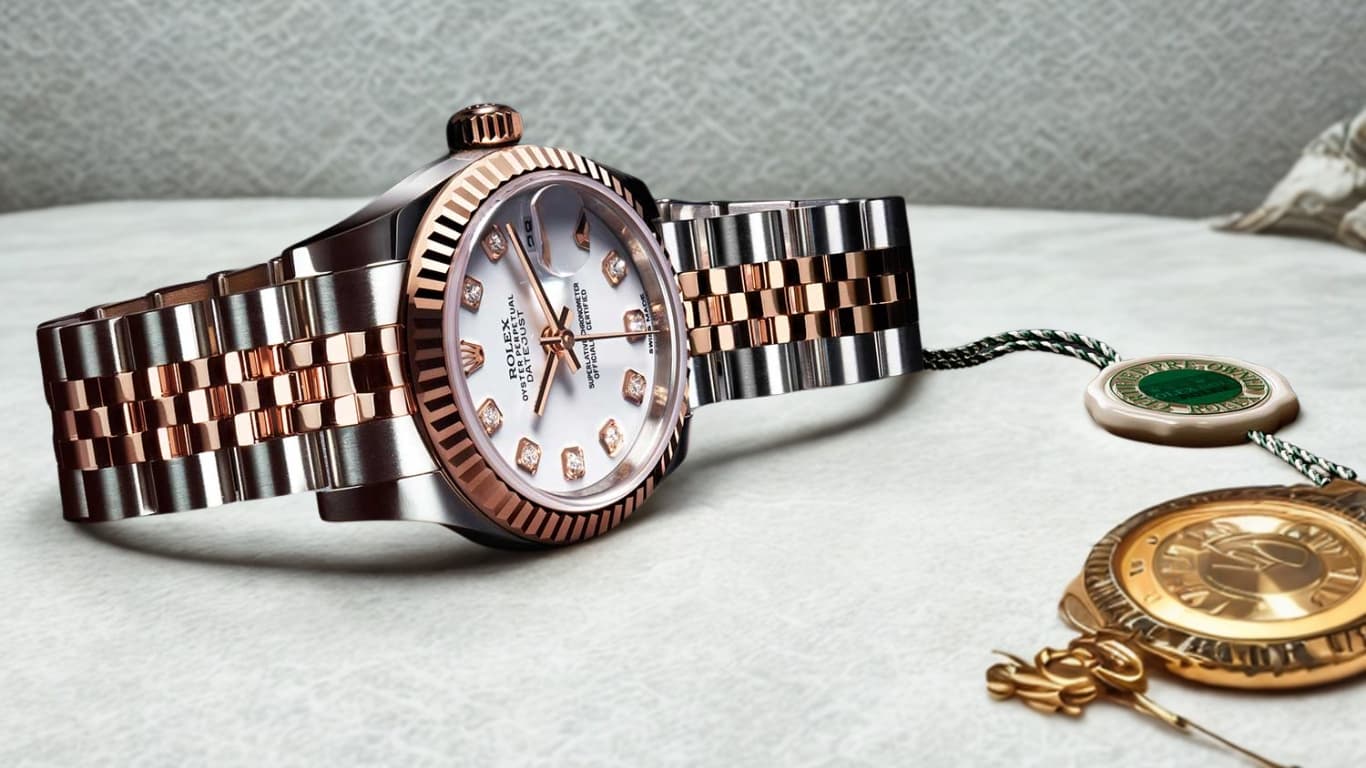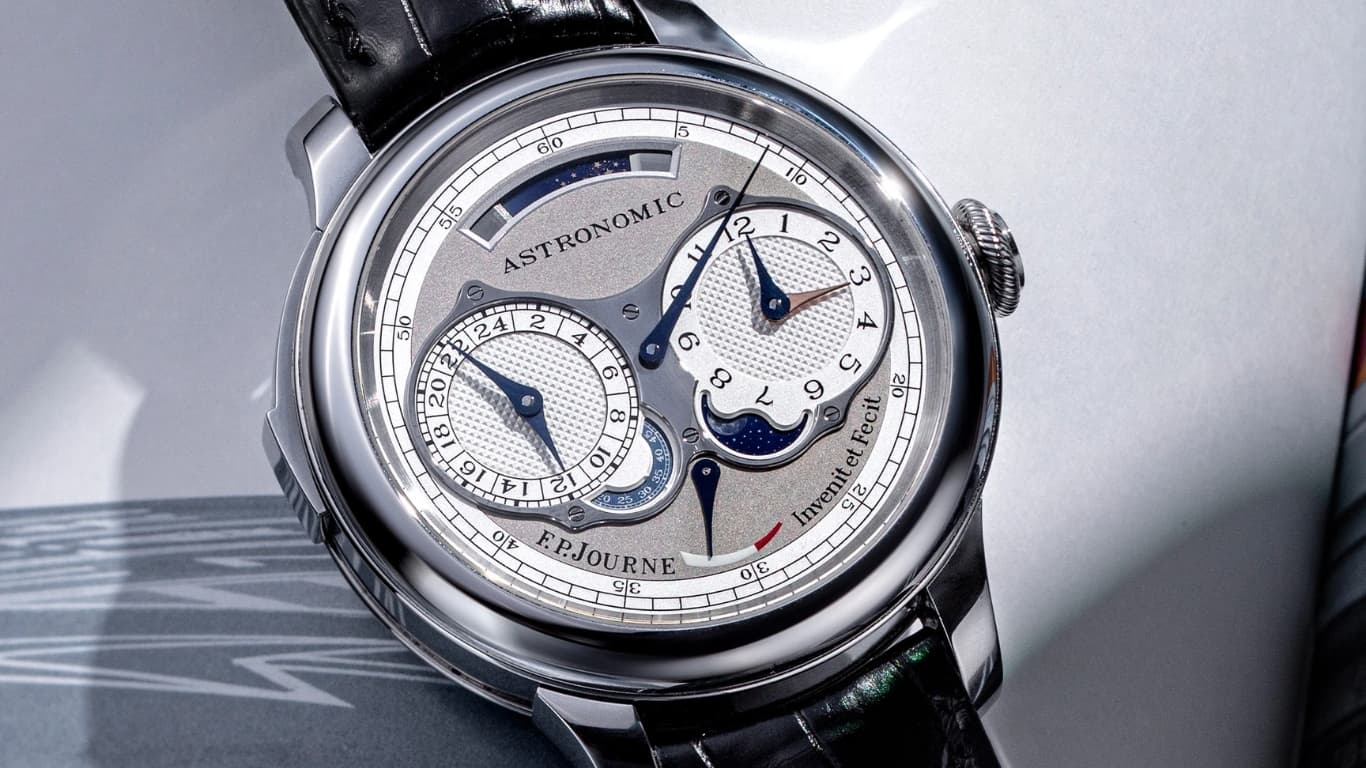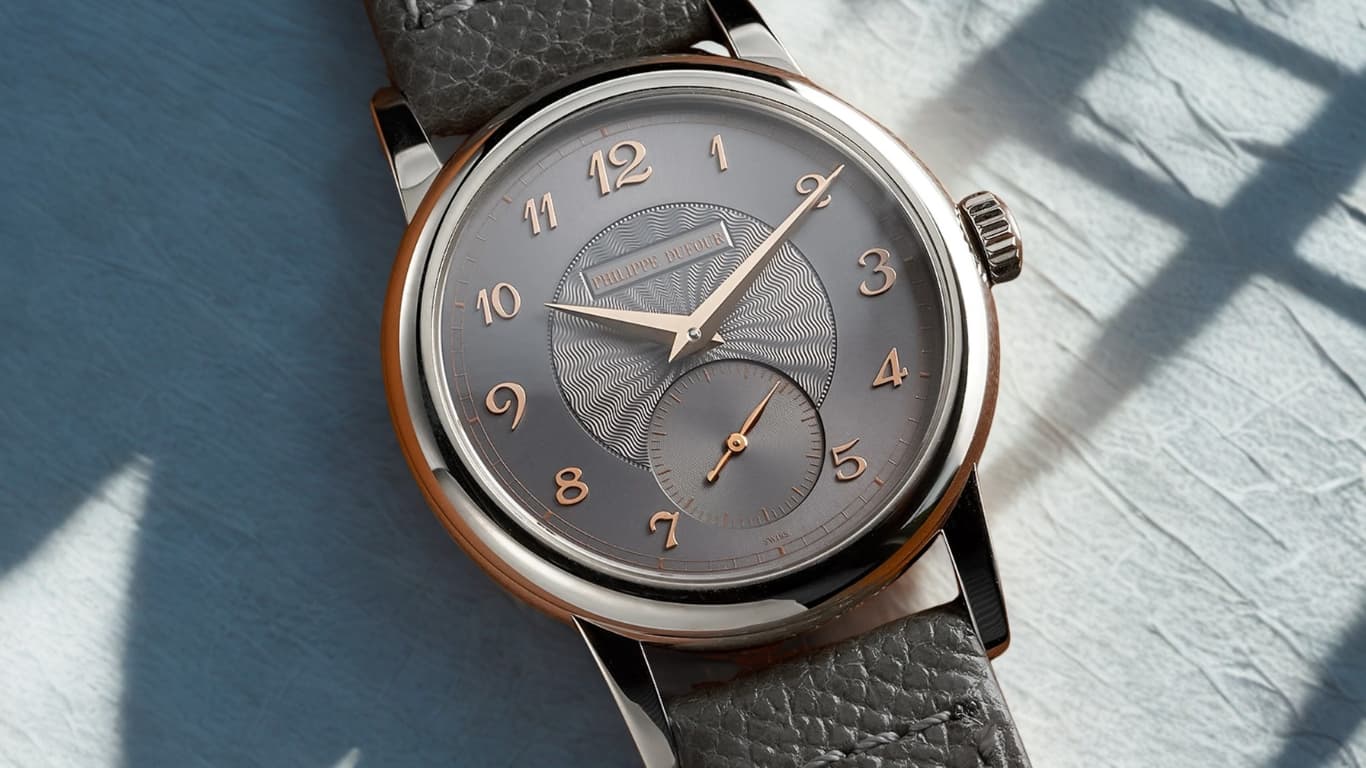
Gen Z is quietly driving serious watch collecting in ways the industry was slow to read but the auction record is now confirming. The pattern is not the flash-purchase celebrity-driven story the trade press initially framed it as. It is a measured, reference-specific entry into the category that has rotated demand toward Cartier, Tudor, Seiko and a tight slice of the accessible-tier credible catalogue.
- Gen Z collectors are quietly reshaping the watch collecting category, with accessible-luxury brands including Tudor, Tissot, Hamilton, and the broader Seiko catalogue leading the entry-tier behaviour.
- TikTok, YouTube, and Instagram have democratised collector education, with creators including Bark and Jade, Federico Talks Watches, and Teddy Baldassarre driving meaningful collector formation.
- Tudor Black Bay 58, Cartier Tank Must, and Omega Speedmaster Professional references anchor the consensus Gen Z first-purchase list, with manufacturer pedigree and accessible pricing aligned.
- We see the Gen Z collector as more brand-agnostic than earlier generations, with independent makers and Japanese brands receiving the kind of attention previous generations reserved for Swiss alternatives.
- Pre-owned market depth and Chrono24 transparency have lowered the entry friction materially, with younger collectors leveraging the same liquidity tools as established dealers and advisors.
- Manufacturer marketing investment in Gen Z creator partnerships has accelerated through 2025 and 2026, with the broader collector formation continuing to expand the category at a steady pace.
- Who is this for?
- Gen Z collectors entering the category, accessible-luxury buyers, and established collectors observing generational dynamics in modern watch collecting.
- What is happening?
- A grounded read on why Gen Z is quietly driving watch collecting, covering accessible-luxury brands, creator-driven education, and pre-owned market accessibility.
- When did this emerge?
- The current Gen Z momentum reflects the last five years of creator-driven collector education, with the broader trend continuing to expand the category through 2026.
- Where is this happening?
- TikTok, YouTube, and Instagram anchor the educational channels, while Chrono24, Subdial 50, and authorised dealer pre-owned programmes handle the transactional layer.
- Why does it matter?
- Gen Z collector behaviour shapes the entire forward-looking category, which makes generational dynamics essential reading for serious dealers, advisors, and established collectors.
The collectors we hear from in the under-thirty band are not chasing the discontinued steel Nautilus or the most allocation-restricted Daytona. They are buying the Tank Must, the Black Bay 58, the Prospex SPB143 and the entry-level Seiko 5 catalogue, and the brands that have read the rotation correctly have seen real benefit. The structural reading matters because Gen Z entry sets the demand baseline for the next two decades of serious collecting.
Why Gen Z is quietly driving watch collecting
The entry conditions are different from the prior generation. The post-2022 secondary-market correction made the speculative ceiling on the most-allocated trinity references visibly painful, which removed the financial-instrument framing that had drawn some younger entrants through the 2020-to-2021 cycle. The collectors entering now do so with a calmer set of priors about what the brand premium actually pays for, and the reference choices reflect that calibration.
The Chrono24 and YouGov 2024 Luxury Watch Survey reported the trend from the platform side. New collectors entering the category cited craftsmanship, distinctive design and credible scarcity more often than brand prestige or allocation status. The structural reading is that Gen Z entry is reshaping the demand baseline at the accessible and mid-tier brackets in particular.
The Cartier references Gen Z keeps choosing
The Cartier Tank Must sits at the centre of the Gen Z Cartier conversation. The reference operates at the accessible end of credible Cartier collecting, with the design heritage running unbroken from the 1917 Tank original and the secondary-market behaviour reflecting genuine collector conviction rather than allocation gaming.
The Santos, the Crash and the Pasha references have followed the same pattern. Cartier collecting at scale has gained meaningful younger-collector adoption across the post-2022 cycle, and the maison's design discipline, the genuine catalogue depth and the boutique allocation discipline have all earned credible trust at a level few of the maison's peers have matched in the same period.
The Cartier curve on Chrono24 documents the rotation. Search volume, transaction volume and waitlist economics across the Tank, Santos and Privé references have all moved meaningfully across the past four years, with the younger-collector adoption visibly driving a portion of the upward pressure.
What the Cartier rotation actually signals
The Cartier story is the rare case of a major maison gaining trust share through the post-2022 correction rather than losing it. The structural reasons sit in the brand's product discipline: the Tank Must, the Santos and the considered Privé limited editions all operate with design discipline, allocation transparency and authentic heritage that the rest of the trinity-adjacent category has had to scramble to match.
The rotation is structural rather than passing. Gen Z entry through Cartier looks set to anchor a multi-decade collecting position that, on present trajectory, will continue to draw younger-collector attention.
The Tudor Black Bay and what it teaches about Gen Z collecting
The Tudor Black Bay 58 is the other reference that anchors the Gen Z entry conversation. The 39mm case, the design heritage running through the early Tudor Submariners and the genuine in-house movement architecture have made the Black Bay 58 the practical answer to the "first serious watch" question across roughly five years of advice writing.
The reference operates at retail in a band that, for a collector with a serious-watch budget, sits comfortably below the trinity entry tier. The secondary-market behaviour is honest, with clean examples holding meaningful value and the wider Black Bay catalogue carrying credible depth across the most considered dial and case variants.
The structural appeal is the package: design heritage, in-house movement, disciplined production, accessible price band and genuinely strong secondary-market behaviour. Few accessible-tier references operate with all five conditions, and the Black Bay 58's reputation is now uncontroversial in the wider modern collecting conversation.
The Seiko catalogue that's earning serious collector attention
The Seiko story sits at the entry tier of the Gen Z collecting rotation. The Seiko Prospex SPB143 and the broader Seiko 5 catalogue operate at retail bands that sit well inside the accessible budget, with the design discipline and the genuine production credentials that the wider Seiko catalogue has carried for decades.
The SPB143, the SPB147 and the related modern Prospex divers have built credible secondary-market depth at the accessible tier, with the limited-edition variants holding meaningful collector interest. The Seiko 5 catalogue runs at the entry end of the credible accessible-tier conversation, with the SKX-derived references and the modern 5KX line carrying the same structural appeal at a fraction of the price.
The broader Seiko story, Grand Seiko's structural rise, the King Seiko revival, the Japanese independent scene around Naoya Hida and Hajime Asaoka, has given Gen Z a credible non-Swiss pathway into serious collecting that the prior generation largely had to construct manually.
What the Gen Z rotation signals for the wider market
Two readings hold up. First, the reference rotation toward Cartier, Tudor and Seiko is unlikely to reverse on the same timescale that produced it. The accessible-tier credible catalogue now operates with structural collector depth that the post-2022 correction has only reinforced. Accessible-tier credible references are the working baseline for entry collecting in a way that, ten years ago, only the trinity entry references credibly held.
Second, the demand baseline at the entry and mid-tier brackets is structurally stronger than the speculative ceiling at the most-allocated trinity references. The brands and references that operate with genuine design discipline, credible production credentials and disciplined allocation are the ones gaining trust share through the rotation.
Where the rotation doesn't apply
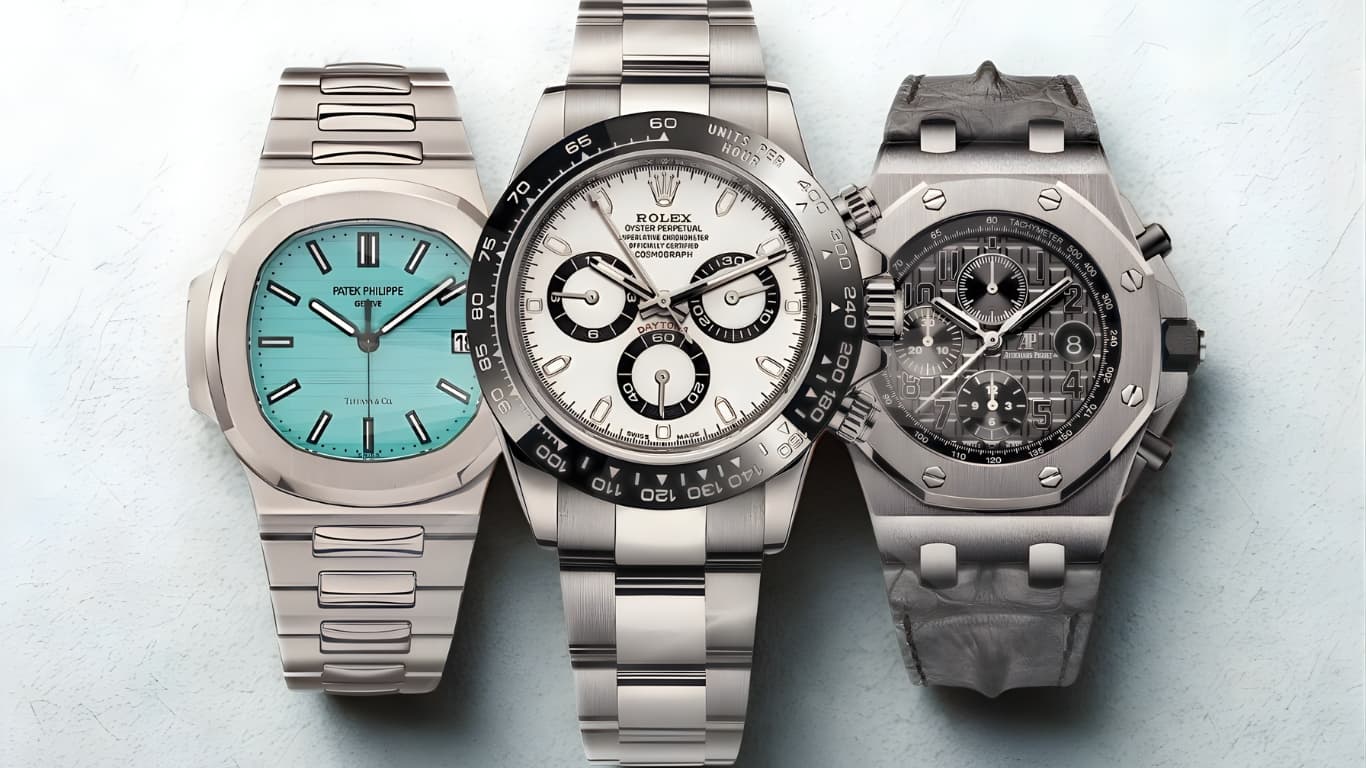
The trinity is not losing structural position at the upper end. Rolex's allocation discipline at the most-coveted references, Patek's tight handling of the post-Nautilus catalogue and AP's continued boutique-routing strategy all operate at a level where Gen Z entry is not the demand baseline anyway. The rotation reshapes the wider category but leaves the upper end of the trinity story largely intact.
What we'll watch next on Gen Z collecting
Two questions sit on the table. First, whether Cartier, Tudor and Seiko maintain the production discipline that has so far rewarded the Gen Z rotation. The signs are stable across all three brands, with Cartier's allocation discipline at the Privé references arguably tightening rather than loosening across the past two years.
Second, whether the rotation extends meaningfully into the independent category as the younger-collector base matures. The early signals point that way; Naoya Hida, Kurono Tokyo and the considered European independents are visibly attracting younger-collector attention at credible scale. The Gen Z rotation is structural, and the brands and references that have read it correctly are positioned to anchor the next two decades of serious collecting.
We last reviewed this analysis in May 2026.


Stefanos Moschopoulos
Stefanos Moschopoulos founded The Luxury Playbook in Athens and has spent the better part of a decade following the auction calendar, the en primeur releases, and the watchmakers, gallerists, and shipyards the magazine covers. He writes the field guides and listicles that anchor the Connoisseur section — pieces built on Phillips and Christie's results, Liv-ex movements, and conversations with collectors he has met across Geneva, Bordeaux, Basel, and Monaco. His own collecting habits sit closer to watches and wine than art, and it shows in the level of detail in the magazine's coverage of those categories. Under his direction, The Luxury Playbook now publishes long-form field guides, market-defining year-end listicles, and the Voices interview series with the founders behind the houses and the brands.