Beyond the price talk and the auction-record headlines, the question of why luxury watches stay worth owning has answers that don't show up in the secondary-market data. The honest case for serious watch ownership is partly cultural: the inherited weight of mechanical watchmaking that survived the quartz crisis and re-established itself as a credible craft tradition.
- Luxury watches retain owner value through a combination of mechanical craftsmanship, generational durability, and a global secondary market that few other luxury categories match.
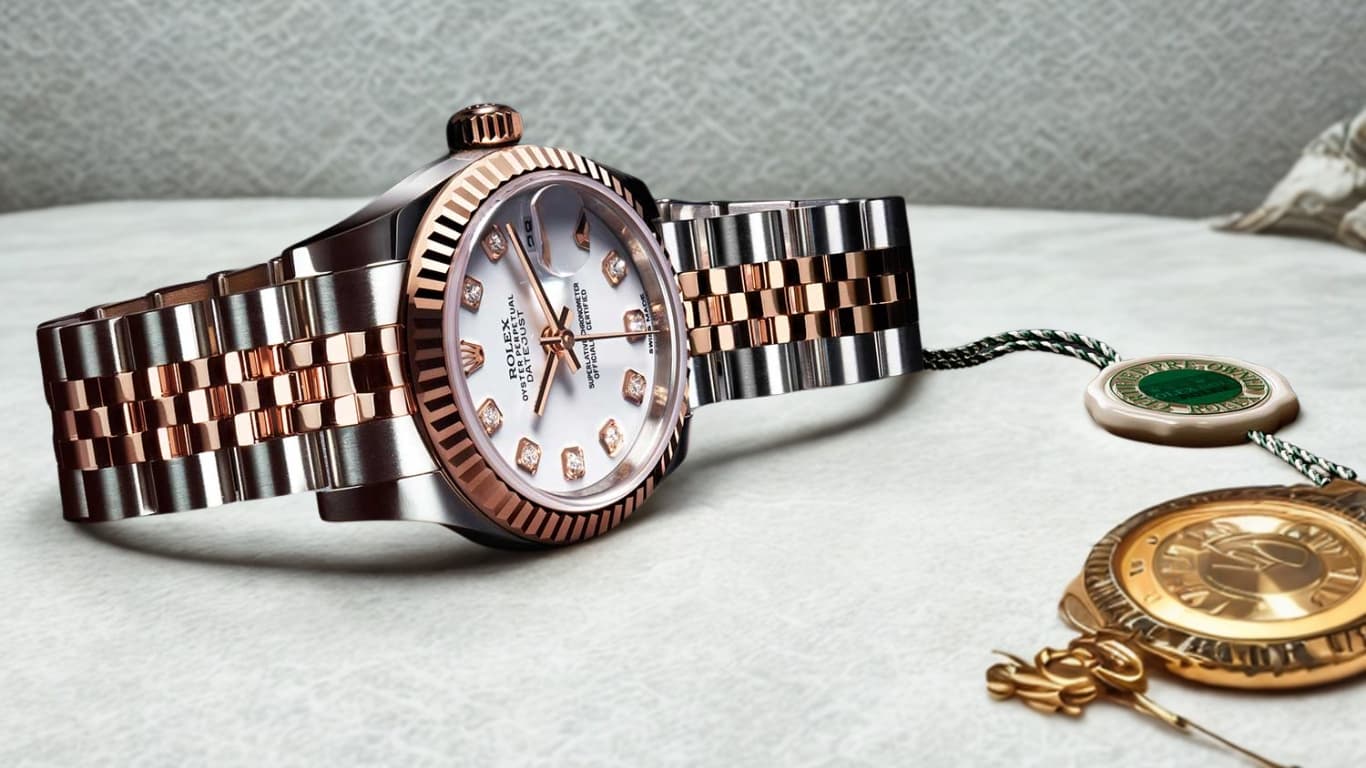
- A well-chosen Rolex, Patek, or Audemars Piguet purchase from the last several decades has typically appreciated or held value through multiple economic cycles.
- Daily wearability separates watches from most collectibles, because the piece serves a functional role that extends ownership satisfaction beyond purely investment metrics.
- We see the watch market's liquidity as the structural advantage over art, wine, and collectible cars, with same-day pricing transparency on every major reference.
- Service costs and storage simplicity beat almost every comparable collectible class, with a single watchmaker visit every five to ten years covering most ownership needs.
- Heritage transfer between generations remains one of the most consistent reasons serious collectors keep buying watches even when financial returns plateau.
- Who is this for?
- Buyers weighing watches against other luxury and collectible categories, families considering generational ownership, and value-minded collectors of every age.
- What is happening?
- A grounded case for why luxury watches stay worth owning, covering value retention, daily wearability, market liquidity, and generational transfer.
- When did this emerge?
- The case has held across multiple decades of market cycles, including the post-2022 reset that the most established references weathered comparatively well.
- Where is this happening?
- Authorised dealers, independent specialists, and the major auction houses all sustain the secondary market that underpins long-term ownership value.
- Why does it matter?
- Watches offer a rare combination of craft, function, liquidity, and inheritance value that few other luxury categories can replicate at comparable price tiers.
The case is also practical. A well-made mechanical watch is one of the few objects most collectors own that has any plausible chance of being worn by their grandchildren. The auction performance is real but secondary.
Collectors who buy primarily for resale tend to make worse choices than collectors who buy primarily for ownership.
The collectors we hear from at the auction previews and the specialist boutiques consistently emphasise this point. The piece worn three times a year because it doesn't quite fit the buyer's life is the piece that quietly leaves the collection at a discount, regardless of brand or reference.
The cultural pull behind serious watch ownership
Mechanical watchmaking is a craft tradition that, by most reasonable forecasts in the 1980s, should have ended. The quartz crisis nearly closed the Swiss watch industry.
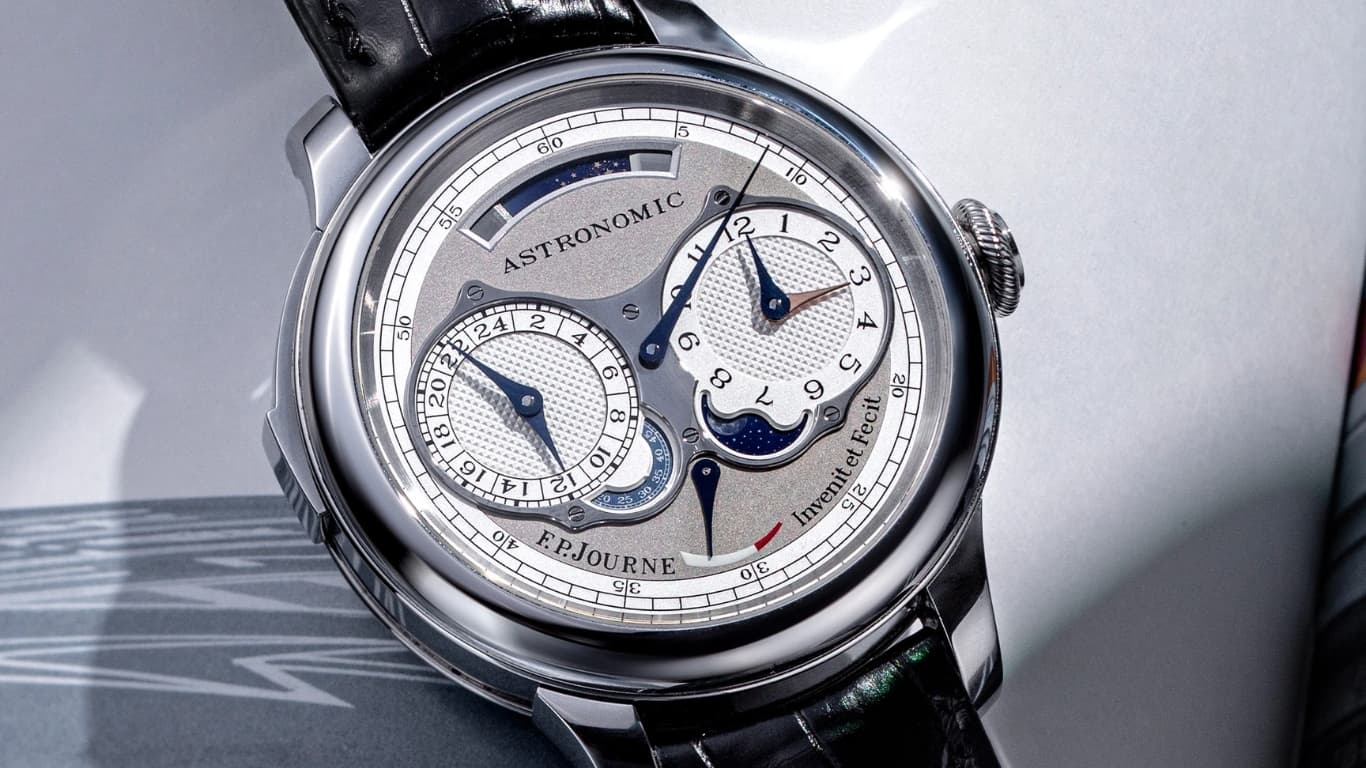
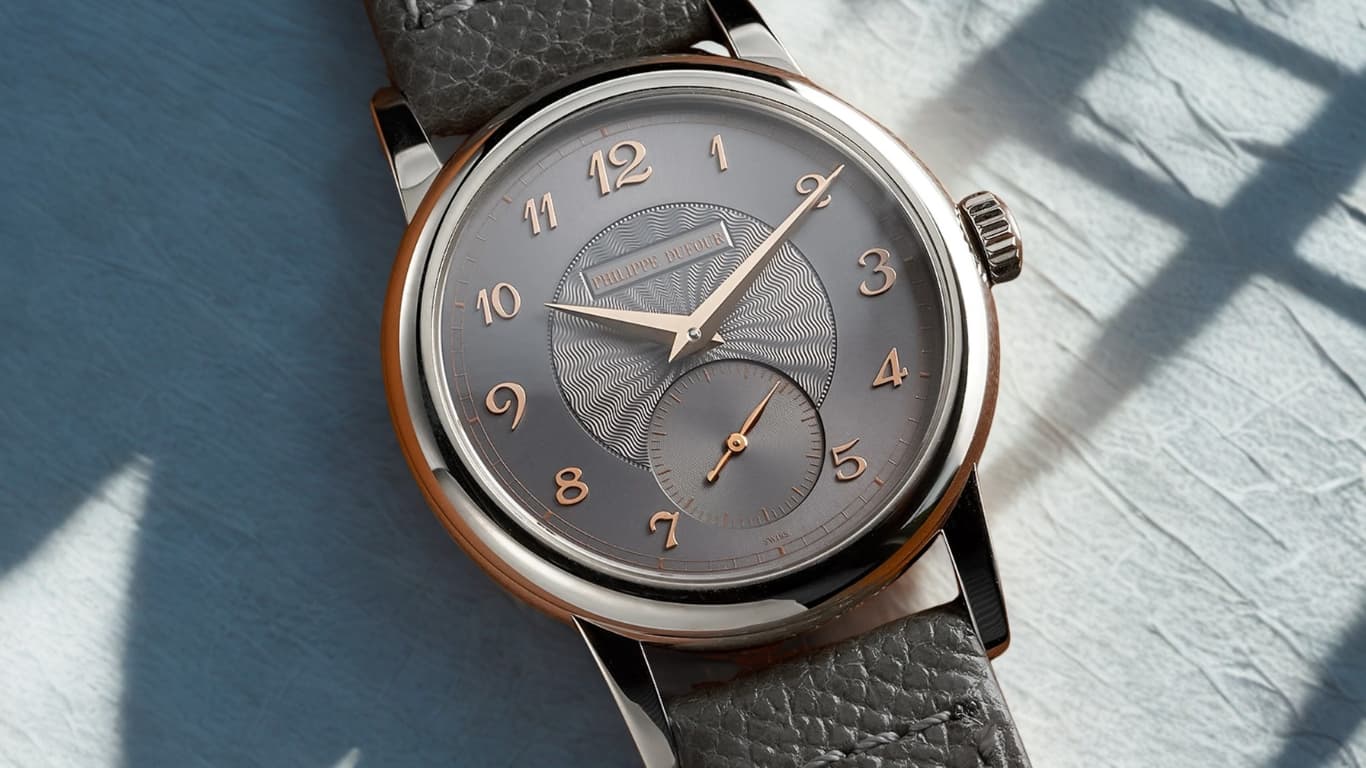
What saved it was a small group of brands (Patek, Rolex, Audemars Piguet, the eventually-revived Lange, the rebuilt smaller makers) choosing to defend the mechanical tradition as cultural product rather than competing on technology with quartz. The case they were making turned out to be the right one.
By the early 2000s the mechanical-watch revival was structurally established. By the 2010s it was the dominant register in luxury watchmaking. In 2026 it sits as the default expectation at the upper end of the market.
Why the continuity matters to contemporary buyers
What that history means for a contemporary buyer is that owning a mechanical Swiss watch participates in a craft tradition that survived because people chose to defend it. The Patek Calatrava is the same watch in essentials it was when Patek introduced it in 1932.
The Rolex Submariner is the same watch in essentials it was when Rolex introduced it in 1953. These continuities aren't marketing claims. They're the structural condition of the industry that makes the watches worth owning over decades.
The practical case for luxury watch ownership
A serviced mechanical watch from a credible Swiss maker has, on the evidence of the past century, a working life measured in generations. The Patek and Vacheron pieces from the 1930s and 1940s that turn up at the major auction houses today are still functional watches.
Service intervals on contemporary mechanical movements run at four to seven years, but the underlying movements are designed for indefinite continued service. This is unusual among manufactured objects. Very few categories of consumer goods have this property.
The wearability matters too. Watches in the working mechanical tradition are objects designed to be worn. The case ergonomics, the bracelet engineering, the dial legibility, the lume aging on vintage pieces all reflect the assumption that the watch will be on a wrist for thousands of hours.
Why wearing the watch matters
A watch that sits in a safe rarely develops the patina and the wear character that makes vintage examples interesting to subsequent collectors. The practical advice from serious collectors tends to be: wear the watch.
That advice runs against the instinct to preserve a significant piece for resale, but the working tradition rewards use over preservation. The patina that develops on a worn vintage Rolex tropical-dial is part of what makes the piece compelling to the next collector.
Where the value question actually sits for collectors
The auction-record headlines (the $17.75 million Paul Newman Daytona, the multi-million-dollar Patek complications, the seven-figure independents) are real but distant from how most collecting actually works. The genuinely interesting question for the typical serious collector is whether a watch holds its place in a collection over years.
Whether it continues to be the piece chosen on a given morning. Whether it serves the role it was acquired for. Whether it remains the best example of its register the collector has access to.
The pre-owned market depth (Chrono24, WatchCharts, the certified pre-owned programmes, the major specialist dealers, the auction houses) means that a watch a collector buys today can almost always be moved on within months if collecting tastes shift. That liquidity isn't the reason to buy a serious watch, but it does make ownership less risky than it would otherwise be.
What 2026 actually looks like for collectors
The market in 2026 sits in a more rational place than it did at the speculative peak of 2022. The post-correction settlement has taken most of the speculative heat out of the headline references.
What's left is a market with the structural conditions intact (production discipline at the trinity, deep secondary trading on Chrono24 and WatchCharts, credible authentication infrastructure across the major brands and the auction houses) but with the air let out of the most aggressive 2022 multiples.
Phillips, Christie's, Sotheby's and the credible specialist dealers are reporting steady trading through 2025 and into 2026, with strong attention to the trinity, the considered classical Swiss makers, and the independents.
The broader collector base in 2026
The collector base is broader than it was three years ago. The pre-owned infrastructure is deeper. The brand-led authentication and provenance programmes are more developed than they have been at any point in the modern era.
That breadth is part of why the case for serious ownership in 2026 looks structurally stronger than it did at the speculative peak. The market has matured around the watches themselves rather than around the trading dynamics.
Why this matters to serious collectors
Serious collecting works on a longer time horizon than the secondary-market noise suggests. The Paul Newman Daytona that cleared $17.75 million at Phillips in 2017 was bought by Paul Newman in 1968.
The Patek 5970 references that anchored the 2010s collector conversation were bought by their original owners across the 1990s and 2000s. The collectors whose pieces hold up over a decade tend to be the ones who buy slowly, hold patiently, and treat the watches as objects to be lived with rather than as positions to be traded.
Further reading
What this means for collectors next
That discipline is what keeps luxury watches worth owning beyond the price story. The pieces that hold cultural and practical value across generations are the ones that get bought for the right reasons.
The pieces that get bought primarily as financial bets tend, over time, to disappoint on both registers. The working case for serious watch ownership in 2026 remains what it has always been: craft tradition, mechanical durability, design continuity and the kind of wearable cultural object that very few other categories produce.
We last reviewed this analysis in May 2026.


Stefanos Moschopoulos
Stefanos Moschopoulos founded The Luxury Playbook in Athens and has spent the better part of a decade following the auction calendar, the en primeur releases, and the watchmakers, gallerists, and shipyards the magazine covers. He writes the field guides and listicles that anchor the Connoisseur section — pieces built on Phillips and Christie's results, Liv-ex movements, and conversations with collectors he has met across Geneva, Bordeaux, Basel, and Monaco. His own collecting habits sit closer to watches and wine than art, and it shows in the level of detail in the magazine's coverage of those categories. Under his direction, The Luxury Playbook now publishes long-form field guides, market-defining year-end listicles, and the Voices interview series with the founders behind the houses and the brands.