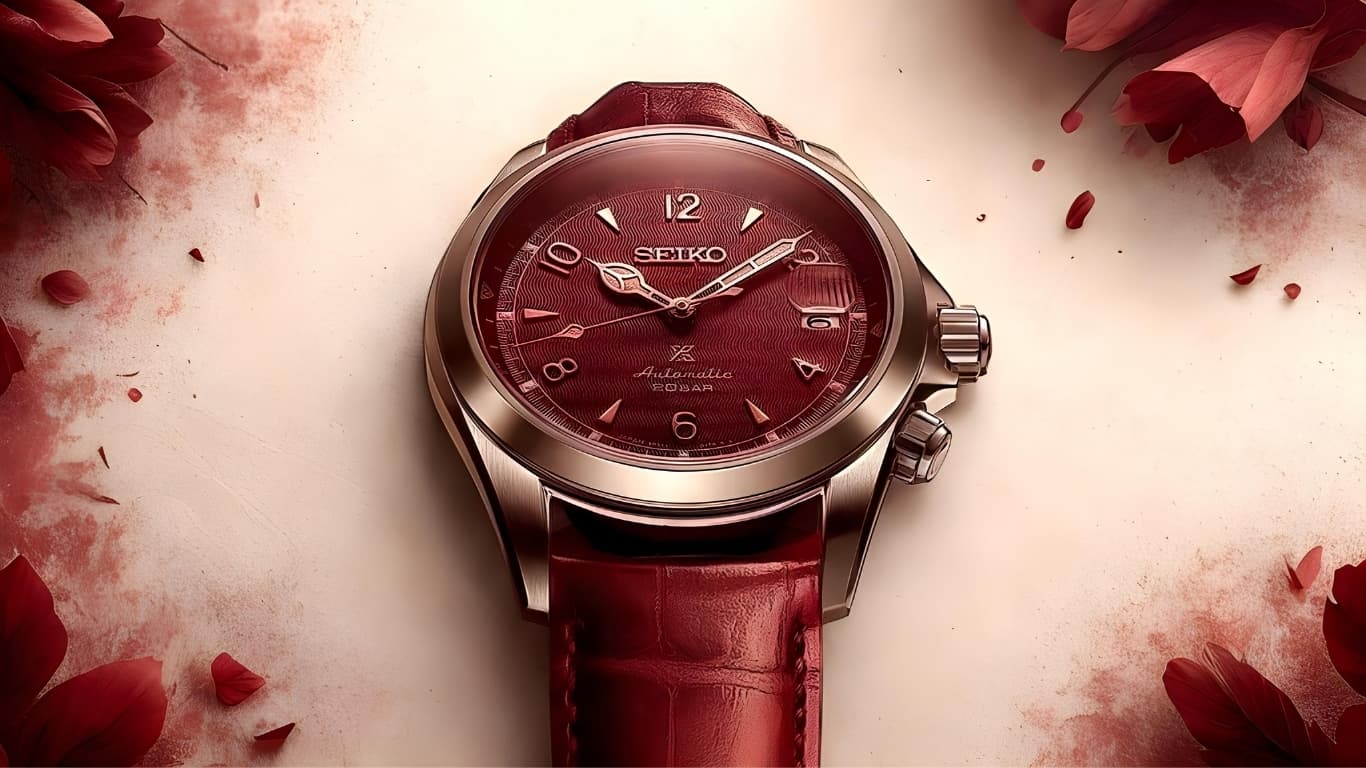
The Seiko Alpinist deserves a place in every serious collection, and the case for it has only strengthened across the past decade. The reference operates as a working example of what the wider Seiko catalogue does best: disciplined design within a tight production framework, credible movement architecture and a price band that, on a finishing-quality-per-dollar basis, sits ahead of nearly any accessible-tier Swiss peer.
- The Seiko Alpinist deserves a place in every serious collection, with the modern Reference SPB121 and the discontinued SARB017 references offering manufacturer-movement value at accessible pricing.
- Reference SPB121 in green dial and Reference SPB123 in cream dial anchor the modern catalogue, with the 6R35 calibre supporting daily-wear reliability across decades.
- The SARB017 discontinued reference from 2006 to 2018 draws serious collector competition, with the inner compass bezel and 6R15 calibre commanding meaningful secondary premiums.
- We see the Alpinist as the strongest single tool-watch entry into Seiko collecting, with the inner-compass complication and field-watch heritage setting it apart from any peer.
- Limited-edition Alpinist releases tied to mountain regions and conservation programmes continue to outperform the broader Seiko Prospex catalogue on the secondary market.
- Service infrastructure and parts availability remain strong across the Alpinist catalogue, supporting decades of credible field-watch ownership for collectors who actually hike.
- Who is this for?
- Field-watch collectors, Seiko enthusiasts, and established collectors building accessible-luxury tool-watch depth.
- What is happening?
- A grounded read on why the Seiko Alpinist deserves a place in every collection, covering the modern SPB121 catalogue and the discontinued SARB017 reference.
- When did this emerge?
- The current Alpinist conversation reflects the 2020 SPB121 reissue and the persistent collector demand for the discontinued SARB017 reference through 2026.
- Where is this happening?
- Authorised Seiko dealers globally stock the modern catalogue, while Chrono24, eBay, and dedicated Seiko specialists handle the SARB017 and vintage Alpinist market.
- Why does it matter?
- The Alpinist offers inner-compass functionality and field-watch heritage at price points that still leave serious room for collectors building accessible-luxury depth.
The green-dial SARB017, produced from 2006 through 2018 in steady but never-flooded numbers, anchors the modern Alpinist conversation. The cathedral hands, the rotating inner compass bezel and the 6R15 movement gave the reference a distinctive identity within the Prospex and broader Seiko line. For collectors who came into accessible-tier collecting through Tudor and Omega entry references, the Alpinist remains the most credible non-Swiss alternative.
Why the Seiko Alpinist earns serious collector attention
Three conditions reinforce the case. The design discipline is real: the cathedral hour and minute hands, the green sunburst dial and the inner-rotating compass bezel give the Alpinist a visual signature that no other accessible-tier reference credibly replicates. The movement is the 6R15 automatic, Seiko's working accessible-tier calibre, with a 50-hour power reserve and credible in-house architecture.
The production discipline at the SARB017 reference was meaningful by Seiko's volume standards. The piece was never produced in the open-ended quantities the broader Seiko 5 catalogue runs, and the secondary-market behaviour since its 2018 discontinuation has reflected that. The discontinued SARB017 trades meaningfully above its original retail across the dealer network, with clean examples holding credibly tight value.
The third condition is the price band the Alpinist operates in. The historical SARB017 secondary-market level, and the current SPB Alpinist references at retail, sit at a price that, against the accessible-tier credible competition, rewards finishing-quality reading rather than brand-allocation reading.
The Alpinist references worth knowing today
The SARB017 anchors any serious Alpinist conversation. The green dial, the cathedral hands, the rotating internal compass bezel and the 6R15 movement architecture give the reference its working identity. Clean examples with original strap and complete documentation hold meaningful premium on the secondary market, and the reference has earned credible dealer-network depth.
The modern SPB Alpinist references, the SPB117, the SPB119, the SPB121 and the SPB259 limited editions, continue the line at retail with the 6R35 movement architecture and disciplined dial work. The standard SPB references operate at modest secondary-market premium, with the limited-edition variants drawing more credible collector interest.
The historical Alpinist references reach back further than most modern collectors recognise. The 4S15 Red Alpinist from 1995, with the red sunburst dial and the limited production, anchors the credible upper end of the historical Alpinist conversation. Clean examples trade in the upper four-figure to lower five-figure band, with the dealer-network depth real if narrow.
What separates the SARB017 from the modern SPB line
The SARB017 sits at the centre of the contemporary collecting conversation because the production was discontinued at a point where the design discipline was still genuinely tight. The modern SPB references continue the line with the same design vocabulary but at production scale that the broader Seiko catalogue now operates with. Both deserve credible attention, but the SARB017 carries the secondary-market depth the SPB references have yet to fully build.
How the Alpinist sits versus accessible-tier Swiss competition
The reference comparison matters because it shows why the Alpinist holds up. Against the Tudor Black Bay 58 at retail or accessible Hamilton and Longines references at the same price band, the Alpinist operates with design discipline and finishing-quality that, on close inspection, sit ahead of most peers.
The 6R15 and 6R35 movement architectures are credible if not class-leading. The accuracy and reliability are honest, the service availability through Seiko's authorised network is real, and the architecture's structural credentials hold up against the accessible-tier Swiss competition.
The Alpinist's distinctive case proportions, the 39mm to 40mm cushion-derived silhouette and the genuinely well-executed dial work, give the reference design credibility that the wider accessible-tier catalogue often lacks. Swiss alternatives at the entry level generally don't carry the same finishing-quality-per-dollar reading.
What the Alpinist secondary market actually shows
The SARB017 trades cleanly in the $700 to $1,200 band for credibly documented examples, with the most considered references with original strap and box-and-papers documentation drawing meaningful premium above. WatchCharts and the dealer-network data both confirm steady upward pressure on clean references since the 2018 discontinuation.
The modern SPB Alpinist references at retail anchor the entry to credible Alpinist collecting. The standard SPB117 and SPB119 references hold their value reasonably across the secondary market. The limited-edition variants, particularly the boutique-exclusive and the considered dial-variant pieces, draw more credible upward pressure.
The structural reading is that the Alpinist operates as one of the strongest accessible-tier credible references in the contemporary market. The SARB017 dramatically outperforms most Seiko 5 references on the secondary market, which is the cleanest single illustration of why production discipline and design discipline matter at the accessible tier.
What collectors actually do with the Alpinist
The reference operates as the working entry to credible Japanese-watchmaking collecting for collectors coming from the accessible-tier Swiss catalogue. The Alpinist gives the buyer a piece with design discipline, credible movement architecture and meaningful brand heritage at a price band that the broader Tudor and Longines competition does not credibly match on a finishing-per-dollar basis.
For collectors building a broader Seiko frame, the Alpinist anchors the catalogue alongside the Prospex SPB143 dive references, the Presage enamel and porcelain-dial work and the Grand Seiko entry references. The wider Seiko catalogue extends meaningfully outward from the Alpinist's working baseline.
Where the limits of the case sit
The Alpinist is not a trinity-displacing reference. The case for it is structural at the accessible tier, not at the upper end of credible modern collecting. Collectors with a serious modern budget targeting the trinity entry tier should not treat the Alpinist as the same conversation.
The reference earns its place in a collection at the accessible tier, where it operates ahead of most peers.
What we'll watch next on Alpinist collecting
The trajectory looks measured. The SARB017 continues to hold the credible upper end of the contemporary Alpinist conversation, the modern SPB references operate at sensible retail with disciplined production, and the limited-edition programme has shown more restraint than the broader Seiko catalogue sometimes carries.
Whether Seiko continues to operate the Alpinist line with the same design discipline at the SPB level is the question that matters most. On present evidence, the manufacture is producing measured, credible work that earns serious accessible-tier collector attention. The Alpinist remains one of the strongest single references at the accessible end of the credible modern catalogue, and its case is unlikely to weaken on any near-term timescale.
We last reviewed this analysis in May 2026.

Frequently Asked Questions
- How much does a Seiko Alpinist cost in 2025?
- <br>Prices vary by model and edition: standard models range from $600 to $900, while limited editions and discontinued references like the SARB017 command $1,200-$1,800 on the secondary market.<br><br>
- Does the Seiko Alpinist hold its value?
- Yes, the Seiko Alpinist holds value well, particularly discontinued models and special editions, with the SARB017 gaining 10-15% annually and limited editions like the SPB197J1 showing 50-60% appreciation within 3-4 years.<br><br>

Stefanos Moschopoulos
Stefanos Moschopoulos founded The Luxury Playbook in Athens and has spent the better part of a decade following the auction calendar, the en primeur releases, and the watchmakers, gallerists, and shipyards the magazine covers. He writes the field guides and listicles that anchor the Connoisseur section — pieces built on Phillips and Christie's results, Liv-ex movements, and conversations with collectors he has met across Geneva, Bordeaux, Basel, and Monaco. His own collecting habits sit closer to watches and wine than art, and it shows in the level of detail in the magazine's coverage of those categories. Under his direction, The Luxury Playbook now publishes long-form field guides, market-defining year-end listicles, and the Voices interview series with the founders behind the houses and the brands.