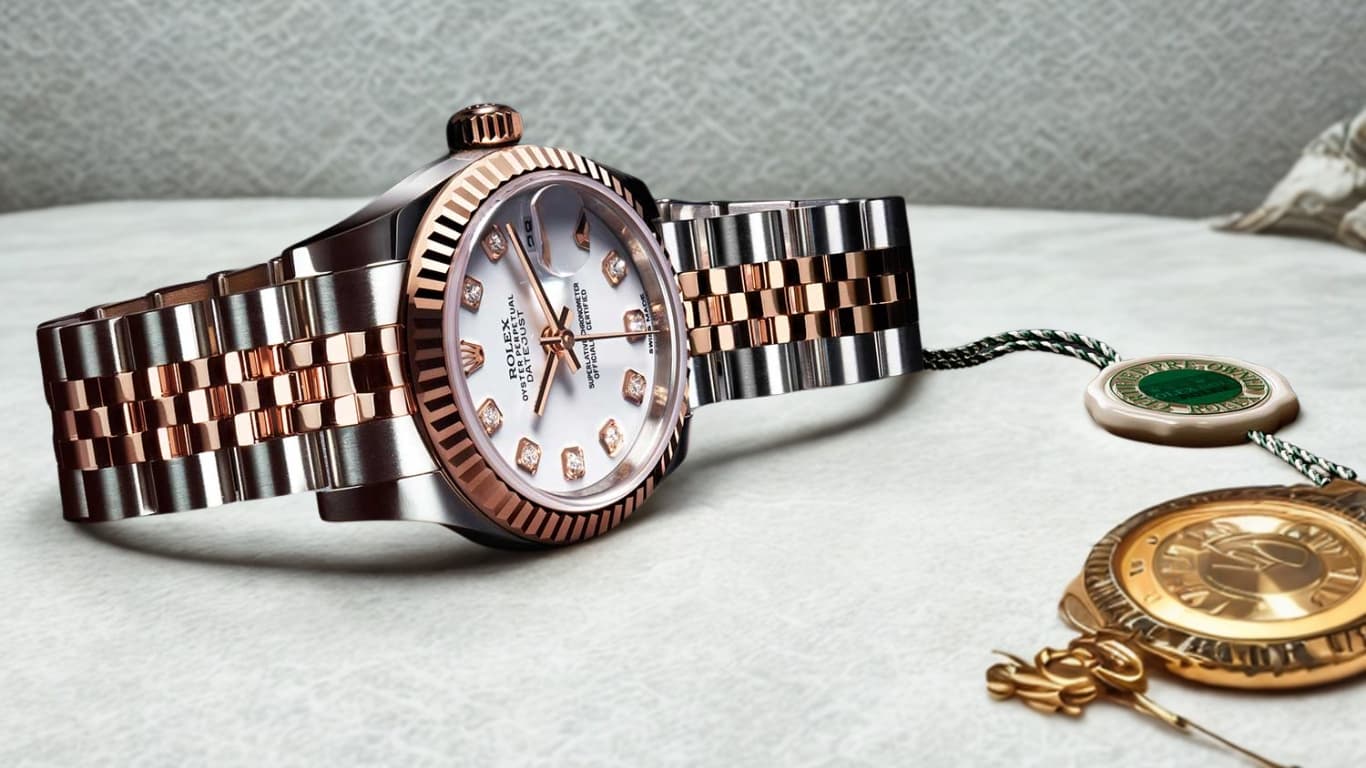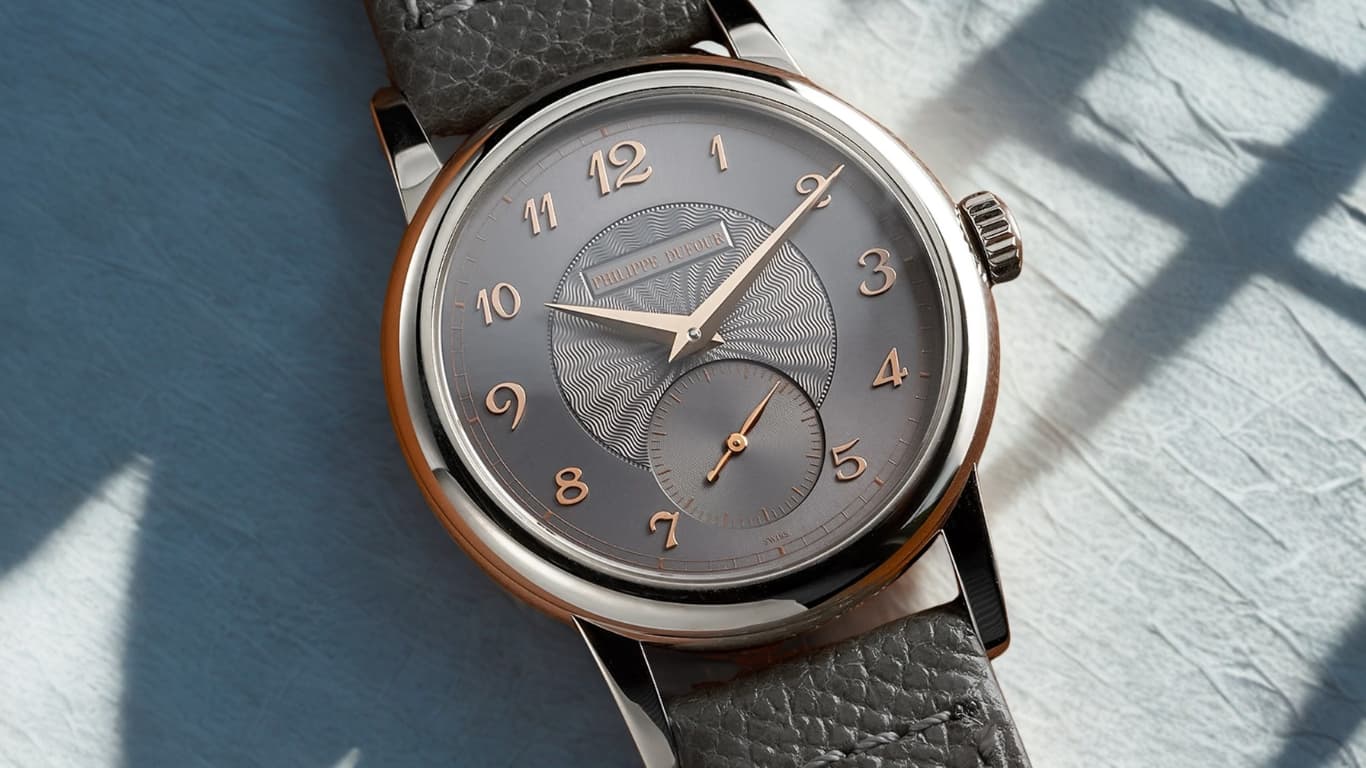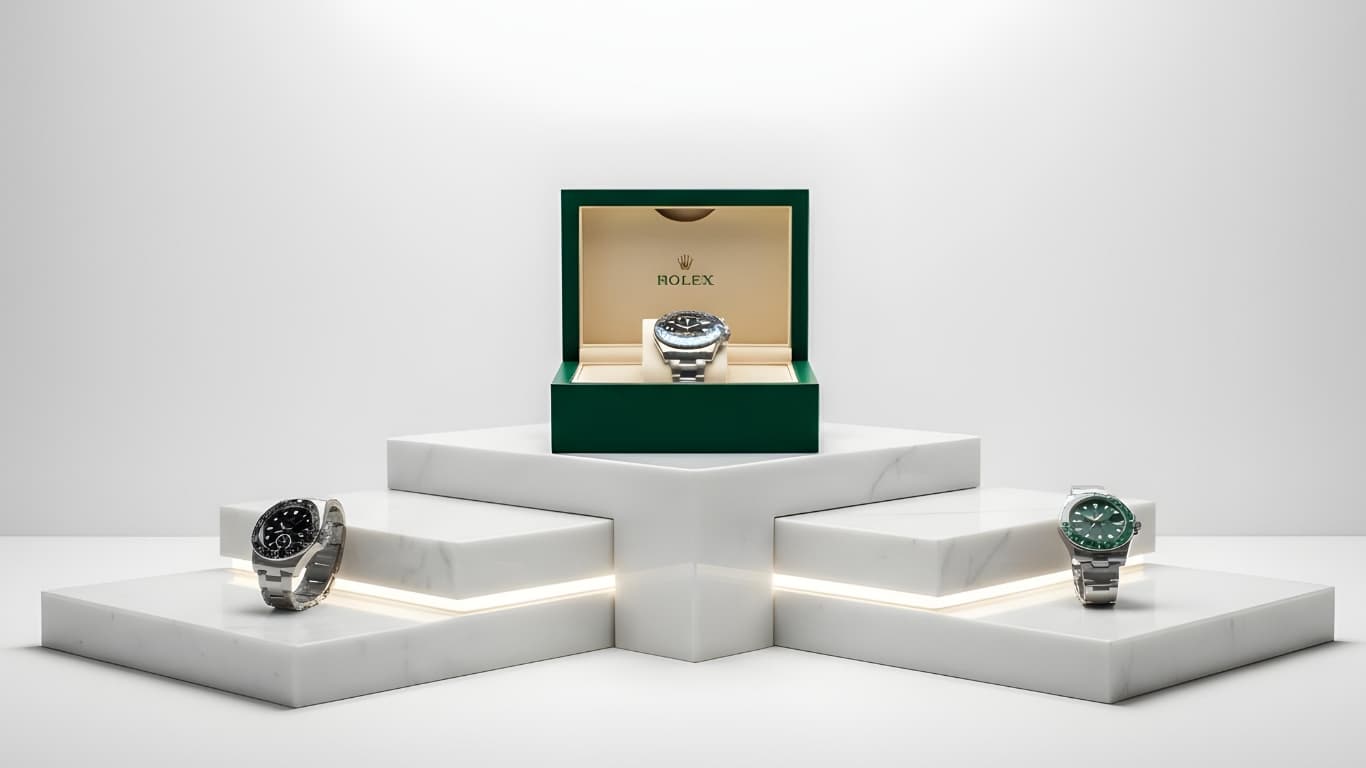
Watch collectors are returning to the boutique, and the major manufactures are quietly funnelling their best work back through that channel. The pattern is now visible across the trinity and most of the credible Swiss high end. The collectors we hear from at Geneva previews describe the same shift in the same language: the most-considered limited editions, the small-batch dial variants and the boutique-only references are no longer reaching the wider authorised-retailer network.
- Watch collectors are returning to the manufacturer boutique experience, with Rolex, Patek, Audemars Piguet, and Cartier all investing in upgraded retail environments that strengthen collector relationships.
- The boutique experience now includes private consultation rooms, dedicated watchmaker access, and curated event programming that authorised multi-brand dealers cannot easily replicate.
- Manufacturer pre-owned programmes from Rolex Certified Pre-Owned, AP Heritage, and Patek Authorised Vintage have professionalised the secondary trade and squeezed grey-market premiums.
- We see the boutique return as a structural shift toward brand-direct relationships, with manufacturer credibility now competing directly with traditional authorised dealer expertise.
- New manufacturer boutiques in Tokyo, Singapore, Dubai, and Miami reflect the broader collector geography, with regional collecting hubs receiving direct brand investment.
- Buyers entering now should anchor on the boutique relationship as a long-term collector asset, with consistent visits often unlocking access to references that grey-market alternatives cannot match.
- Who is this for?
- Active collectors, boutique customers, and serious students of luxury watch retail evolution.
- What is happening?
- A grounded read on why watch collectors are returning to the manufacturer boutique, covering Rolex, Patek, AP, and Cartier investment in upgraded retail environments.
- When did this emerge?
- The current boutique return reflects 2025 and 2026 manufacturer retail investment, with the broader trend continuing to reshape authorised dealer dynamics.
- Where is this happening?
- Manufacturer boutiques globally anchor the trend, with new openings in Tokyo, Singapore, Dubai, and Miami reflecting the broader collector geography.
- Why does it matter?
- The boutique relationship now defines access to the most coveted references, which makes the manufacturer-direct experience essential for serious collector positioning.
The reasons are structural rather than fashionable. Brand strategy, allocation discipline and the post-2022 trust questions all push in the same direction. For collectors who built their habits in the 2018-to-2021 cycle, when most of the best work was visible across the broader retail network, the rebalancing means access has changed shape.
Reading the shift honestly is now the practical baseline.
Why serious watch collectors are returning to the boutique
The boutique is no longer the lowest-margin showroom in the network. It is, increasingly, where the manufactures concentrate the work they most want associated with the brand. Patek's Tiffany Blue Nautilus collaboration in 2021 routed 170 pieces through a single retail partnership, and the lesson the wider trade absorbed was that allocated routing carries strategic weight beyond margin.
The brands followed the logic across the next four years. AP's most considered Royal Oak limited editions are now substantially boutique-routed, with the Singapore, New York and London boutiques carrying allocation discipline that the broader authorised network does not match. Vacheron Constantin's Métiers d'Art work has followed the same path, with the most considered enamel and engraving pieces moving through the manufacture's boutique relationships rather than the wider retail base.
The Cartier Privé programme has been the clearest single illustration. Cartier's Privé collection releases now run almost entirely through the maison's own boutiques and a tight circle of high-relationship retailers, with allocation visibly weighted to clients with prior buying history.
The brand strategy behind the boutique return
Three drivers reinforce the rotation. Margin recovery is the most obvious; the boutique captures a larger share of the retail price than the authorised-retailer network. Allocation control is the more strategic; routing the most-coveted pieces through the boutique lets the manufacture choose its buyer base with more precision than a wholesale-style distribution allows.
Brand narrative is the third driver. The boutique controls the staging, the presentation, the client relationship and the after-sale touchpoints in a way the authorised retailer cannot. For brands operating with allocated production and tight discontinuation discipline, that control is now treated as strategically important.
The post-2022 trust shift gave the rotation additional weight. The boutique offers a cleaner story than the authorised retailer on every dimension the modern collector cares about: provenance, authenticity, allocation transparency and after-sale service. The brands that were already moving in that direction accelerated the move once the trust questions came into clearer view.
The Lange model and what it shows
A. Lange & Söhne has run the boutique-first model in cleaner form than most peers. Lange's small-batch Handwerkskunst references have moved almost entirely through the manufacture's own boutiques across the last decade, with allocation determined by client relationship rather than open availability.
The result is that the Handwerkskunst pieces operate with the kind of secondary-market discipline that comes from genuinely tight allocation. The credibility carries over to the broader catalogue, which is why the manufacture has a cleaner trust position than most of its trinity-adjacent peers.
What the shift means for collector access
For collectors who built their buying habits across the broader authorised-retailer network, the practical implication is that the relationship base has to migrate to the boutique side. The waitlists at the manufacture boutiques now carry more strategic weight than they did five years ago, and the client relationships that get rewarded with allocation are the ones that show across multiple references over multiple years.
The trade has absorbed the lesson. Specialist dealers report that buyers focused on the most-coveted limited editions are now structuring their multi-year buying patterns explicitly around boutique relationships rather than around general retail access. The shift is real, and it sits at the centre of how modern Patek, AP, Vacheron and Cartier collecting actually works.
Where the wider authorised network still matters
The shift is not absolute. The core production references at most of the major brands continue to move through the wider authorised-retailer network, and the Datejusts, the Calatravas, the Royal Oak base references and the Tank Must collection all sit at the level where retail access remains broad.
The boutique rotation concentrates around the most-coveted limited editions, the special-dial variants, the collaboration pieces and the small-batch craft references. That is where allocation now visibly favours boutique relationships, and where the access conversation has shifted hardest.
What collectors actually do now
The collectors who operate well in this environment build deliberate relationships across two or three boutique platforms rather than spreading thinly across the authorised network. The relationship work pays at the margin where the most considered pieces sit, and the trade infrastructure now reads the boutique waitlist signal as a credible allocation indicator.
For new collectors entering the category, the practical reading is that boutique relationships take time to build but earn their weight at the upper end. Starting on the wider retail network for entry-level references and graduating into boutique relationships for considered pieces is the structural play most established collectors have settled into.
What we'll watch next on boutique allocation
Two questions sit on the table. First, whether the trend continues toward boutique consolidation at the major brands, or whether competitive pressure pulls some of the considered work back into the wider authorised network. The current direction looks structural rather than passing, which suggests continued consolidation.
Second, whether the boutique-first model creates the kind of allocation transparency the post-2022 trust shift was demanding. The early evidence is mixed; allocation remains opaque at most of the major brands, even with the boutique routing carrying more strategic weight. The collectors who will benefit most from the rotation are the ones who treat the boutique relationship as a multi-year project rather than a transactional one.
The market is rewarding that posture clearly enough that the structural reading no longer needs much defending.
We last reviewed this analysis in May 2026.


Stefanos Moschopoulos
Stefanos Moschopoulos founded The Luxury Playbook in Athens and has spent the better part of a decade following the auction calendar, the en primeur releases, and the watchmakers, gallerists, and shipyards the magazine covers. He writes the field guides and listicles that anchor the Connoisseur section — pieces built on Phillips and Christie's results, Liv-ex movements, and conversations with collectors he has met across Geneva, Bordeaux, Basel, and Monaco. His own collecting habits sit closer to watches and wine than art, and it shows in the level of detail in the magazine's coverage of those categories. Under his direction, The Luxury Playbook now publishes long-form field guides, market-defining year-end listicles, and the Voices interview series with the founders behind the houses and the brands.