

Managing a fine wine portfolio takes more than a good nose and a well-stocked cellar. You need a strategic approach that balances risk, growth, and long-term value. That means carefully selecting wines across diverse regions, vintages, and producers, combined with meticulous storage and regular performance reviews. When you leverage expert insights and stay ahead of market trends, you can optimize your collection for consistent appreciation while keeping volatility in check. Whether you’re a seasoned collector or just getting started with wine investing, mastering the fundamentals of portfolio management is what separates a profitable collection from an expensive hobby.
Table of Contents
Why Fine Wine Portfolio Diversification & Management Is Important
Diversification and active management are the twin pillars of a resilient, profitable fine wine investment portfolio. Fine wine carries risks and opportunities you simply won’t find in traditional asset classes. Get the diversification right and you reduce your exposure to any single market shock. Pair that with smart, ongoing management and you give your returns the best possible chance to compound over time.
Why Diversification Matters
- Risk Mitigation: Fine wine markets can be volatile due to changing consumer trends, geopolitical factors, and economic fluctuations. Diversifying across regions, vintages, and grape varieties minimizes exposure to these risks.
- Consistent Returns: A diversified portfolio captures the growth potential of multiple market segments, ensuring more stable performance across economic cycles.
- Capitalizing on Market Trends: Diversification allows investors to benefit from emerging regions or categories without being overly reliant on established markets like Bordeaux or Burgundy.
Why Portfolio Management Matters
- Preservation of Value: Active portfolio management ensures wines are stored, insured, and tracked properly to maintain quality and marketability.
- Maximizing Appreciation: Strategic decisions like rebalancing holdings and leveraging market insights optimize portfolio performance.
- Liquidity Planning: Managing a balance of short-term and long-term holdings ensures flexibility to meet financial goals or capitalize on opportunities.
A well-managed and diversified fine wine portfolio holds up far better when markets turn choppy, and puts you in a much stronger position to achieve consistent, long-term growth. Combine geographic, vintage, and varietal diversification with active management and you get a collection that can weather the storms and still climb in value.

Geographic Diversification
Geographic diversification is a cornerstone of any serious fine wine portfolio strategy. Different regions move to their own rhythms, with distinct market dynamics, aging profiles, and demand cycles. Spreading your investments across multiple regions is one of the smartest ways to reduce risk while keeping your growth potential wide open. If you want a deeper look at how specific regions are shifting in the investment rankings, Burgundy and Champagne are stealing Bordeaux’s investment spotlight right now and the data behind that shift is worth understanding.
Benefits of Geographic Diversification
- Risk Reduction: Regional-specific factors, such as weather events, political instability, or local economic conditions, can affect wine markets. Investing across multiple regions helps minimize the impact of these localized risks.
- Market Exposure: Each region has its own growth trajectory. For example, while Bordeaux and Burgundy offer consistent long-term growth, emerging markets like Ningxia (China) or Valle de Guadalupe (Mexico) may present higher short-term returns.
- Consumer Demand Trends: Preferences for wines from different regions shift over time. Diversifying geographically ensures your portfolio stays aligned with evolving global tastes.
Key Regions for Investment
- Bordeaux, France: Known for its structured blends of Cabernet Sauvignon and Merlot, Bordeaux remains a cornerstone for wine investors. Its classification system and global recognition make it a stable investment choice.
- Burgundy, France: Renowned for limited-production Pinot Noir and Chardonnay wines, Burgundy offers high-value opportunities, with producers like Domaine de la Romanée-Conti setting market records.
- Tuscany, Italy: Home to iconic Super Tuscans such as Sassicaia and Tignanello, Tuscany combines traditional craftsmanship with innovation, making it a growing market for investors.
- Napa Valley, USA: Bold Cabernet Sauvignons from Napa Valley, such as Screaming Eagle, have gained global recognition and deliver consistent returns.
- Emerging Regions: Markets like Ningxia (China), Yarra Valley (Australia), and Stellenbosch (South Africa) are gaining prominence. These regions offer lower entry prices and high growth potential as their reputation expands.
Actionable Steps for Geographic Diversification
- Research region-specific trends, including historical performance, market demand, and critical acclaim.
- Allocate a percentage of your portfolio to established markets (e.g., Bordeaux, Burgundy) for stability, while dedicating a smaller portion to emerging regions for growth.
- Monitor global trade reports and auction data to identify under-the-radar regions gaining traction.
Geographic diversification does two things at once. It shields your portfolio from region-specific shocks, and it opens doors to a broader range of opportunities. That combination is what drives balanced, sustainable growth over the long run.
Vintage and Winemaker Diversification
Spreading your fine wine portfolio across different vintages and winemakers adds another layer of both protection and upside. These two factors directly shape a wine’s aging potential, its pull in the market, and its long-term value trajectory. Choose well across both dimensions and you build a portfolio that can deliver stability and strong returns at the same time.
Importance of Vintage Diversification
- Weather Variability: Wine quality varies significantly based on vintage due to weather conditions during the growing season. Exceptional vintages often command premium prices but can also carry higher risks if overvalued.
- Aging Potential: Some vintages are crafted for extended aging, while others reach peak drinking earlier. Diversifying by vintage ensures a balance of short-term and long-term investments.
- Market Demand: Collectors often seek specific vintages tied to historic events or critical acclaim. For example, Bordeaux 2010 and Burgundy 2015 are highly sought after for their exceptional quality.
Key Tips for Vintage Diversification
- Research vintage charts and critical reviews to identify high-performing years for specific regions.
- Invest in a mix of highly rated vintages for stability and lesser-known vintages with growth potential for speculative gains.
- Balance your portfolio by including wines nearing peak maturity for short-term liquidity alongside younger vintages for long-term appreciation.
Importance of Winemaker Diversification
- Brand Reputation: Established winemakers like Château Margaux or Domaine Leroy consistently produce wines that retain and grow in value, making them reliable investments.
- Emerging Talent: Up-and-coming winemakers often create unique, limited-production wines that appreciate rapidly as their reputation grows.
- Stylistic Variation: Different winemakers bring unique techniques and philosophies, catering to diverse consumer preferences and broadening market appeal.
Key Tips for Winemaker Diversification
- Include iconic producers with proven track records, such as Domaine de la Romanée-Conti or Screaming Eagle, for portfolio stability.
- Allocate a portion of your portfolio to emerging winemakers or boutique producers gaining critical recognition.
- Monitor auction trends and critic scores to identify undervalued winemakers with growth potential.
Getting vintage and winemaker diversification right means your portfolio benefits from different market cycles, shifting consumer tastes, and contrasting production philosophies. Blending iconic producers with innovative newcomers gives you a dynamic collection that captures value across the full spectrum of the wine investment world. If you’re considering how Nebbiolo-focused producers fit into that picture, the obsession with Monfortino 2019 is a perfect case study in how a single winemaker and vintage can move markets.

Short-Term & Long-Term Holdings Diversification
Balancing short-term and long-term holdings is one of the most practical strategies you can use as a fine wine investor. Done well, it gives your portfolio the flexibility to grab immediate market opportunities while also securing assets with serious appreciation potential over time. You get liquidity when you need it and steady growth when you don’t.
The Value of Short-Term Holdings
Short-term holdings are ideal when you want quicker returns or need to keep some liquidity within your portfolio. These are typically younger vintages or wines experiencing a surge in market demand. Think of a newly released Bordeaux that’s just picked up exceptional critical scores. It can see rapid price appreciation within its first few years on the market. These wines are easier to trade, letting you reinvest profits into other opportunities or meet financial needs without touching your long-term assets. Short-term holdings also keep you nimble, letting you adapt quickly when demand shifts in a particular region or from a specific producer.
The Strength of Long-Term Holdings
Long-term holdings are the foundation everything else is built on. They provide stability and consistent growth, selected specifically for their ability to age gracefully and improve in quality and value over decades. Iconic examples include Burgundy’s Domaine de la Romanée-Conti or Bordeaux’s Château Margaux, both of which have delivered exceptional appreciation thanks to their aging potential and deep global demand. Long-term holdings often feature rare or limited-production wines that only gain value as supply tightens over time. These are the anchors of your portfolio, providing steady appreciation and real resilience when short-term markets get noisy.
Creating a Balanced Portfolio
Getting the mix right between short-term and long-term holdings requires a deliberate allocation plan. A practical approach is to put 30 to 40% of your portfolio into short-term holdings, focusing on wines with high liquidity and immediate market appeal. The remaining 60 to 70% goes into long-term assets, built around iconic producers and vintages with proven aging potential. This balance gives you the flexibility to move on short-term opportunities while your long-term positions quietly compound in the background.
Reviewing the performance of both short-term and long-term holdings regularly is what keeps everything aligned. Market trends, critical scores, and auction results can all signal when it’s time to sell or buy. You might decide to sell short-term holdings once they hit peak value, then put those proceeds into younger wines or bolster your long-term positions. Your long-term holdings, on the other hand, should be tracked for key milestones. Entering the peak drinking window, for example, often coincides with the point of highest market value.
By thoughtfully diversifying across short-term and long-term holdings, you build a portfolio that gives you liquidity, stability, and real growth potential all at once. It keeps you adaptable and ensures your strategy evolves alongside your goals.
Grape Variety Diversification
Diversifying your fine wine portfolio by grape variety makes the whole collection more resilient and more attractive to a wider market. Every grape variety brings something different to the table, shaping a wine’s flavor profile, aging trajectory, and demand dynamics. Spread your investments across a range of varieties and you reduce the risk of being overexposed to any single consumer trend.
Grape variety diversification is essential for building a balanced and versatile collection. Different varietals appeal to different buyers and age along very different timelines. Cabernet Sauvignon, with its bold structure and long aging potential, brings stability. Pinot Noir, prized for elegance and complexity, pulls in a devoted niche of serious collectors. Having multiple grape varieties in play means your portfolio benefits from broad market appeal while also holding some genuinely exclusive pieces that collectors will compete for. If you want to dig deeper into which white wine varieties are generating the most investor interest right now, the 10 best types of white wine to invest in is a strong starting point.
Key Grape Varieties to Include
- Cabernet Sauvignon: A cornerstone for investors, known for its widespread popularity and ability to age gracefully for decades. Found predominantly in Bordeaux and Napa Valley, it consistently performs well in primary and secondary markets.
- Pinot Noir: Highly sought after for its delicate structure and limited production, primarily from Burgundy. Its exclusivity makes it a valuable addition for long-term growth.
- Chardonnay: A versatile and globally recognized varietal found in Burgundy, Champagne, and California. It offers stability through its broad market appeal and adaptability.
- Sangiovese: Central to Tuscany’s Super Tuscans, Sangiovese combines traditional appeal with innovative winemaking, making it an essential component of a diversified portfolio.
Strategies for Grape Variety Diversification
To diversify effectively by grape variety, allocate across different varietals based on their aging profiles and market dynamics. Wines from Cabernet Sauvignon or Chardonnay can form the stable core of your portfolio, given their consistent demand. Then layer in a smaller allocation to niche varietals like Nebbiolo from Piedmont or Syrah from the Rhône Valley, where growing recognition can translate into outsized returns. Keep an eye on trends too. The rising profile of sparkling wines made from Pinot Meunier, or the growing collector interest in Prosecco’s Glera grape, opens up investment angles that many traditional portfolios overlook.
Regularly track how different grape varieties are performing across your portfolio. Use vintage charts and market indices to spot value trends and catch early signals of shifting demand. Cabernet Sauvignon may dominate during stable market periods, while Pinot Noir tends to spike in niche collector segments. Staying on top of varietal performance keeps your portfolio aligned with what the market actually wants.
Grape variety diversification gives you the ability to adapt to shifting trends without being caught flat-footed. It brings together stability and genuine growth potential, making it one of the core disciplines of smart fine wine investing.

Price Point Diversification
Price point diversification is one of the most practical strategies you can apply to a fine wine portfolio. Investing across different price ranges lets you balance risk, catch trends at multiple levels of the market, and keep growth steady. Every price category plays a different role in the portfolio, from ultra-premium prestige wines down to well-chosen options from emerging markets.
Benefits of Price Point Diversification
- Risk Management: Balancing high-value and mid-tier wines reduces the overall risk in the portfolio by mitigating losses from overvalued or volatile categories.
- Market Accessibility: Including wines from various price ranges appeals to a broader audience, increasing liquidity and resale opportunities.
- Growth Potential: Lower-priced wines from emerging markets often experience faster appreciation, while prestige wines provide stability and long-term growth.
Categories of Price Points to Include
- Prestige Wines: Wines such as Domaine de la Romanée-Conti, Château Lafite Rothschild, and Screaming Eagle often exceed $5,000 per bottle. These anchor investments offer long-term value appreciation and high demand in secondary markets.
- Mid-Tier Investment Wines: Examples include Sassicaia, Opus One, and Penfolds Grange, typically priced between $200 and $1,000. These wines provide steady returns while diversifying exposure beyond ultra-premium categories.
- Emerging and Affordable Wines: Wines from regions like Ningxia (China) or Stellenbosch (South Africa) are priced below $200. These often come from up-and-coming producers or regions with growing reputations, offering speculative growth opportunities.
Actionable Tips for Price Point Diversification
- Allocate approximately 60% of your portfolio to prestige wines for stability, 30% to mid-tier wines with proven track records, and 10% to emerging wines for speculative growth.
- Stay informed about price fluctuations and performance trends within each category to adjust allocations as needed.
- Include a mix of readily tradable wines and those meant for long-term appreciation to ensure both flexibility and growth.
Price point diversification turns your portfolio into something dynamic and adaptable. You’re capturing opportunities across multiple market segments while keeping your overall exposure to volatility in check.
Investment Strategies
Fine wine investors have several distinct strategies at their disposal, each suited to different goals, risk tolerances, and market conditions. Understanding what each approach offers is what lets you put together a portfolio that actually performs the way you want it to.
Buy-and-Hold Strategy
The buy-and-hold strategy is exactly what it sounds like. You acquire wines with strong aging potential and let time do the work. This approach delivers best results with wines from prestigious regions like Bordeaux, Burgundy, and Napa Valley, where the combination of scarcity, reputation, and aging ability creates reliable long-term appreciation. According to the Financial Times, fine wine has consistently outperformed many traditional asset classes over multi-decade holding periods, making patience one of the most valuable tools in a collector’s arsenal.
- Why It Works: Fine wine gains value as it matures due to increased scarcity and enhanced quality. Iconic vintages often experience steady appreciation over decades.
- Best Practices: Focus on wines with proven aging potential, such as Château Margaux or Domaine de la Romanée-Conti. Proper storage and documentation are critical for preserving value.
- Example: A collector who purchased Bordeaux 2010 en primeur saw an average return of 20% over 10 years due to the vintage’s exceptional quality and global demand.
Active Trading
Active trading means regularly buying and selling to capitalise on short-term price movements and market timing. It demands a sharp understanding of auction dynamics, consumer sentiment, and the kind of regional trends that drive quick price swings. The upside is higher liquidity and faster returns. The trade-off is that it requires real market knowledge and close attention.
- Why It Works: Short-term trades take advantage of surges in demand, critical acclaim, or market speculation.
- Best Practices: Monitor market indices, such as Liv-ex, and stay informed about trending producers and vintages. Networking with auction houses and private collectors can provide access to exclusive opportunities.
- Example: An investor who acquired Champagne 2008 after high critical acclaim resold it within three years for a 25% profit, driven by increased demand for vintage Champagne.
Collecting for Consumption
This strategy combines the pleasure of wine with the logic of investment. You buy bottles you genuinely plan to drink, but you focus your selections on wines that hold or grow in value over time. It’s a smart approach if you want your collection to work financially without treating every bottle like a purely financial instrument.
- Why It Works: It allows for a balance between passion and profit, making the investment process more enjoyable.
- Best Practices: Choose wines that are both marketable and personally appealing, ensuring they hold value if retained or consumed.
- Example: A collector purchased Napa Valley Cabernet Sauvignon for personal use but sold part of the collection at a profit as market demand surged.
The right strategy depends entirely on what you’re trying to achieve and how long you’re prepared to wait. If long-term growth and stability are your priorities, buy-and-hold is hard to beat. If you want higher liquidity and faster returns, active trading gives you that flexibility. And if you love wine as much as you love the investment case, the collecting-for-consumption model lets you enjoy both. Most serious investors end up blending all three approaches to get the best of each.
Regular Portfolio Reviews and Rebalancing
Reviewing and rebalancing your fine wine portfolio on a regular basis is what keeps your strategy sharp and your returns on track. Markets shift, critical scores change, and your own financial goals evolve. A proactive review process means you’re always positioned where you want to be, not where you happened to land.
Importance of Portfolio Reviews
- Market Dynamics: Fine wine markets are influenced by critical reviews, vintage releases, and shifting consumer preferences. Regular reviews help identify underperforming or overvalued assets, allowing for timely adjustments.
- Performance Tracking: Evaluating the performance of each holding ensures you maximize returns while identifying opportunities to replace or upgrade certain assets.
- Risk Management: Reviews allow investors to diversify further, reducing risks tied to over-concentration in specific regions, vintages, or producers.
Steps to Conduct Effective Portfolio Reviews
- Analyze Current Holdings: Assess the current value, performance trends, and market demand for each wine in your portfolio. Use tools like Liv-ex or proprietary reports from professional storage facilities to stay informed.
- Identify Market Opportunities: Look for emerging trends, such as rising demand for wines from lesser-known regions or high-scoring new releases.
- Evaluate Aging Potential: Determine which wines are approaching their peak drinking window and may be ideal for sale. Conversely, identify wines that benefit from additional aging.
- Assess Diversification: Ensure that your portfolio remains well-balanced across regions, vintages, grape varieties, and price points.
Rebalancing means adjusting your holdings to bring your allocation back in line with your target strategy. This becomes especially important when market conditions shift or your investment goals change. It’s not about constant tinkering. It’s about deliberate, well-timed adjustments.
- Sell Overvalued Assets: Capitalize on market demand by selling wines that have appreciated significantly, reinvesting the proceeds into undervalued or high-potential options.
- Add Emerging Opportunities: Allocate a portion of your portfolio to wines from emerging regions or vintages that show promise.
- Adjust Risk Exposure: Reduce holdings in volatile categories or regions and increase investments in stable, high-demand options.
Example of Portfolio Rebalancing
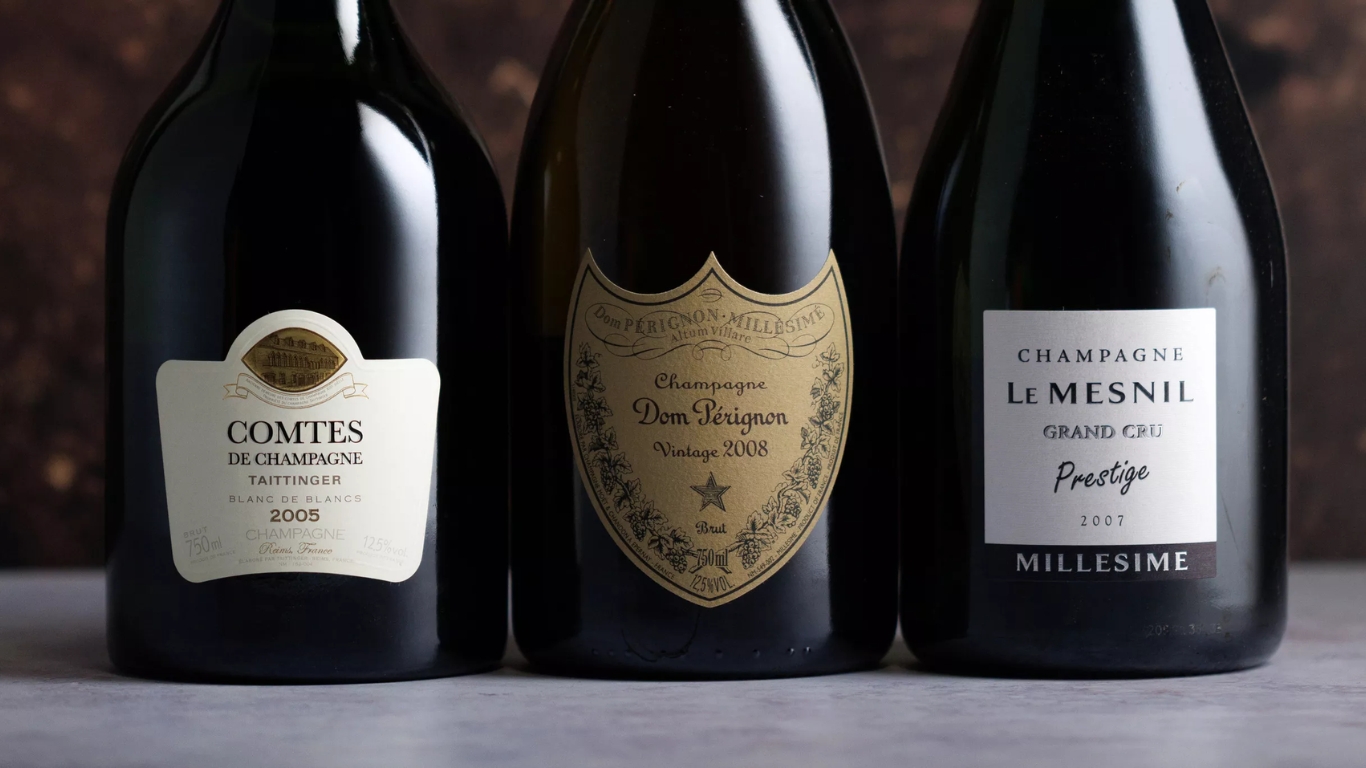
A useful real-world example of this in action came when one investor noticed a surge in demand for vintage Champagne following a wave of strong critical scores. They reallocated 20% of their portfolio toward high-performing vintages like Dom Pérignon 2008. At the same time, they trimmed their exposure to mid-tier Bordeaux, which had been growing more slowly, keeping the overall portfolio aligned with where momentum was actually building. If you’re curious about what’s been driving that Champagne enthusiasm, what makes Cristal the most collectible Champagne on the market gives you a solid grounding in the collector dynamics at play.
Digital platforms, market indices, and specialist advisors all make the review and rebalancing process more manageable. Platforms like Vinovest or Cult Wines provide detailed performance reports and real-time market insights, so you can track your holdings and make informed moves without spending weeks doing manual research.
Address Storage and Insurance Needs
Proper storage and solid insurance coverage are non-negotiable when you’re managing a serious fine wine portfolio. Get either of these wrong and you risk financial losses, degraded quality, or provenance disputes that can undermine the value of your collection entirely. Get them right and you protect everything you’ve built.
Optimal Storage Conditions
Keeping storage conditions consistent is essential for preserving wine quality over time. Temperature needs to stay in the range of 50 to 59 degrees Fahrenheit, with humidity levels sitting around 60 to 70%. Stray outside those parameters and you’re looking at cork shrinkage, oxidation, or mold growth, all of which eat into quality and value fast.
Home Storage Options
For smaller collections, wine coolers or custom-built cellars are practical and cost-effective choices. A good cooler handles short-term storage well, while a purpose-built cellar gives you the controlled environment you need for a growing collection.
As a practical benchmark, a collector managing a 50-bottle portfolio could invest in a quality dual-zone wine cooler for under $1,000 and cover both reds and whites comfortably.
Professional Storage Facilities
For larger or high-value portfolios, specialist facilities and bonded warehouses offer a step up in every dimension. Climate control, security, and provenance tracking are all built in, and many facilities also offer valuation services, transportation support, and auction assistance.
A bonded warehouse in London, for example, typically charges around $25 per case annually, delivering both temperature stability and the kind of provenance documentation that serious buyers and auction houses require.
Insurance Considerations
Fine wine collections are valuable and vulnerable. Theft, natural disasters, and accidental damage are all real risks, and comprehensive insurance is the only thing standing between you and a serious financial loss if any of them materialise.
Key Features of Fine Wine Insurance
- Agreed Value Coverage: Policies that reimburse the current market value of each bottle.
- All-Risk Coverage: Protection against a wide range of risks, including fire, flood, theft, and accidental breakage.
- Transit Coverage: Essential for collectors who frequently transport wines between locations, auctions, or buyers.
Premiums for fine wine insurance typically run between 0.3% and 0.6% of your collection’s total value each year. On a $100,000 portfolio, that works out to $300 to $600 annually. The exact cost depends on where your wine is stored, the quality of the storage conditions, and the security measures in place.
Best Practices for Storage and Insurance
- Choose Reputable Providers: Work with recognized storage facilities and insurance companies that specialize in fine wine.
- Document Your Collection: Maintain detailed records, including receipts, provenance, and photographs, to simplify claims and valuation processes.
- Regularly Update Coverage: As your collection grows or market values increase, ensure your insurance policy reflects the current worth of your portfolio.
- Monitor Storage Conditions: Use digital monitoring tools to track temperature and humidity levels in real-time. Alerts for deviations can prevent potential damage.

Tax-Efficient Investment Strategies
Tax planning is a critical part of running a fine wine portfolio well. The returns can be substantial, but without a tax-efficient approach, a meaningful chunk of those gains can disappear before they reach you. Different jurisdictions treat fine wine differently, so understanding the rules where you operate and structuring your portfolio accordingly is essential. According to Bloomberg Wealth, alternative asset investors who overlook tax planning are consistently among those who underperform against their own benchmarks.
Understanding Tax Implications for Fine Wine
- Capital Gains Tax (CGT): In many jurisdictions, the sale of fine wine is subject to capital gains tax. However, some countries, such as the UK, treat fine wine as a “wasting asset,” potentially exempting it from CGT if the wine is expected to have a useful life of fewer than 50 years. In the U.S., CGT rates vary based on income and the length of time the asset is held, with long-term holdings typically taxed at a lower rate.
- Import Duties and VAT: Import duties and value-added tax (VAT) apply when purchasing wine internationally. For example, the EU imposes VAT on wine imports, ranging from 20% to 25%, depending on the country. In the U.S., import duties for fine wine vary by state and are influenced by the alcohol content of the wine.
- Storage-Related Deductions: Storage and insurance costs for fine wine investments may be tax-deductible in some jurisdictions if the wine is classified as a business asset.
- Inheritance and Gift Tax: Fine wine collections included in estates may be subject to inheritance taxes. Structuring ownership through trusts or other legal entities can minimize this tax burden.
Strategies to Reduce Tax Liabilities
- Utilize Tax-Exempt Structures: Consider storing wine in bonded warehouses, particularly in the UK and EU. Wines stored in bond are exempt from VAT and import duties until they are removed for consumption or sale, reducing upfront costs.
- Hold for Long-Term Gains: Many tax systems impose lower rates on long-term capital gains. Holding wine for over a year before selling can significantly reduce your tax liability in regions like the U.S.
- Plan with Trusts or Legal Entities: High-value collections can be transferred into trusts or held under corporate ownership to reduce exposure to inheritance tax and simplify asset management.
- Offset Gains with Losses: For investors with multiple assets, losses on other investments can offset gains from fine wine sales, reducing overall taxable income.
- Understand Local Tax Exemptions: Countries like the UK often exempt certain fine wines from CGT. Research and leverage these local exemptions to optimize returns.
Tips for Tax Planning
- Consult Professionals: Work with tax advisors experienced in fine wine investments to navigate complex regulations.
- Track Expenses: Maintain records of all related expenses, including purchase costs, storage fees, and transportation, as they may be deductible.
- Stay Informed: Tax laws vary by jurisdiction and change frequently. Regularly review local regulations to ensure compliance and take advantage of available benefits.
Tax-efficient strategies don’t just improve your returns. They also ensure your fine wine portfolio is managed within all relevant legal and financial frameworks, which matters as much for peace of mind as it does for the bottom line.
Wine Investing with $1,000 Example
Investing in fine wine with a $1,000 budget is entirely feasible if you know where to look. The entry-level price point rules out the trophy labels, but emerging markets, lesser-known vintages, and fractional ownership platforms all offer genuine growth opportunities at this level. You just need to be targeted and deliberate about how you deploy the capital.
Focusing on emerging regions and vintages is one of the smartest moves at this budget. Allocating toward wines from rising regions like Ningxia in China or Stellenbosch in South Africa lets you tap into markets gaining global recognition and momentum. Young vintages from established producers can also appreciate well as they age, delivering solid returns at lower entry prices.
Fractional ownership platforms are your other major tool at this level. Services like Vinovest and Cult Wine Investment let you buy fractional shares in high-value wines, giving you exposure to premium portfolios without needing a large upfront investment. It’s one of the more efficient ways to access the upper end of the market on a modest budget.
With $1,000, liquidity should stay top of mind. Prioritise wines with shorter aging periods or strong secondary market demand so you can trade quickly if the opportunity or the need arises.
Example Allocation
- $400: Emerging market wines, such as a Ningxia Cabernet Sauvignon, selected for rapid appreciation potential.
- $300: Fractional ownership of an iconic wine like Château Lafite Rothschild through a wine investment platform.
- $300: Accessible mid-tier wines from Napa Valley or Tuscany, which combine liquidity with moderate growth potential.
Expected Returns
A well-diversified $1,000 portfolio can realistically target annual returns of 8 to 12%, depending on market conditions and which assets you choose. One investor who split funds between Ningxia wines and fractional Bordeaux vintage shares reported a 10% appreciation over two years, which is a solid outcome for an entry-level position.
Wine Investing with $10,000 Example
A $10,000 budget opens up the fine wine investment market in a meaningful way. You can diversify properly across regions, vintages, and price points, and start accessing mid-tier and even some prestigious labels. With the right allocation, a $10,000 portfolio can achieve genuine balance between stability and growth while riding some of the market’s most interesting emerging trends. Robb Report’s wine coverage is a useful resource for tracking which producers and regions are generating serious collector interest at this level.
Putting a portion of the budget into established labels, like Bordeaux first growths or iconic Burgundies, gives the portfolio a stable long-term foundation. These wines hold value well and appreciate consistently, anchoring everything else you build around them.
Mid-tier wines from regions like Tuscany or Napa Valley offer stronger growth potential with manageable risk. Super Tuscans like Sassicaia or Tignanello and Napa classics like Opus One sit in a sweet spot where quality, reputation, and investable pricing all align.
A smaller allocation to emerging regions such as Yarra Valley in Australia or boutique producers in Stellenbosch can yield higher returns. These are more speculative positions, but the growth potential is real and the entry prices are still accessible.
Fractional ownership platforms like Cult Wines or Vinovest remain useful even at this budget level, letting you add exposure to rare, high-value labels that would otherwise be out of reach, without concentrating too much capital in a single bottle.
Example Allocation
- $5,000: Prestigious wines such as Château Margaux or Domaine Leflaive, providing stability and long-term growth.
- $3,000: Mid-tier investment wines, including Sassicaia and Ridge Monte Bello, offering a balance of moderate risk and consistent appreciation.
- $1,500: Emerging regions and boutique producers, such as Ningxia Cabernet or Stellenbosch Syrah, chosen for speculative growth.
- $500: Fractional ownership of rare wines like Domaine de la Romanée-Conti through professional platforms.
Expected Returns
A well-structured $10,000 portfolio can target annual returns of 8 to 15%. One investor who put $3,000 into emerging regions and split the remaining $7,000 between prestigious and mid-tier wines reported 12% portfolio growth over three years, driven by appreciation in Super Tuscans and Burgundy vintages.
Wine Investing with $50,000 Example
At $50,000, you’re operating at a level where serious portfolio construction becomes possible. You can anchor the collection with ultra-premium wines, achieve genuine regional breadth, participate in emerging trends, and still maintain enough liquidity to stay flexible. This is the budget at which fine wine investing starts to look and feel like a proper asset allocation.
Anchoring the portfolio with ultra-premium wines from Bordeaux and Burgundy is the first priority. Names like Château Lafite Rothschild or Domaine de la Romanée-Conti are globally recognised, consistently appreciate over decades, and give the portfolio a foundation that almost nothing can shake.
With this level of capital, you can spread across Napa Valley, Tuscany, Champagne, and emerging markets like Ningxia or Valle de Guadalupe. That breadth gives you genuine exposure to different market dynamics and a much wider range of buyers when the time comes to sell.
Rare and limited-edition wines are where a $50,000 budget really earns its keep. Wines with limited production runs or exclusive editions command serious premiums in the secondary market, and scarcity only works in your favour over time. Allocating a portion of your budget here gives the portfolio a distinctive edge.
Even with a focus on long-term appreciation, you should keep a portion of the budget in wines with shorter appreciation cycles. That liquidity layer means you can respond to market shifts without having to sell a trophy bottle at the wrong moment.
At this level, working with professional portfolio management platforms like Cult Wines or Vinovest makes a real difference. You get expert analysis, advanced performance tracking, and access to exclusive wines that don’t show up on the open market.
Example Allocation
- $25,000: Ultra-premium wines like Domaine de la Romanée-Conti, Château Latour, or Screaming Eagle for long-term appreciation.
- $15,000: Mid-tier investment wines from regions like Napa Valley, Champagne, or Tuscany, such as Tignanello or Dom Pérignon, offering a balance of stability and moderate growth.
- $7,000: Emerging regions and boutique producers, including premium wines from Stellenbosch, Ningxia, or Valle de Guadalupe, chosen for speculative potential.
- $3,000: Short-term holdings of high-demand wines like vintage Champagne or recent Bordeaux releases to maintain liquidity.
Expected Returns
A $50,000 portfolio with smart allocation can target annual returns of 10 to 18%. One investor who put $30,000 into ultra-premium wines and split the remaining $20,000 between mid-tier and emerging market wines reported a 15% increase in portfolio value over five years, with vintage Burgundy and Napa Cabernet Sauvignon leading the appreciation.