In the spring after the 1982 harvest, the Bordeaux trade had a problem, and it had a name. The wines were enormous: ripe, dark, generous to the point of shock, with sweet dark fruit. Several established voices were uneasy, worried these flamboyant young wines lacked the structure to age the way great Bordeaux is supposed to. The received wisdom of the place counselled caution. Caution, it turned out, was the wrong call.
A young American critic named Robert Parker, writing in his then obscure newsletter The Wine Advocate, broke ranks and championed 1982 without reservation. Decanter has since chronicled the moment as a genuine turning point in wine criticism. He was an outsider with no stake in the Bordeaux trade and no reputation yet to protect, which is exactly why his conviction carried. The vintage went on to age superbly, the wary critics were proved wrong, and Parker's defiant verdict became the foundation of a career, and of a 100 point scale that would reorder how the world rates and buys Bordeaux. We still feel the aftershocks today, in every score that moves a market and every futures campaign watched from half a world away.

Key Takeaways & The 5Ws
- 1982 was an unusually warm, ripe Bordeaux vintage producing opulent, generous wines.
- The Bordeaux establishment feared the wines lacked structure to age.
- A young Robert Parker championed 1982 in The Wine Advocate.
- The wines aged superbly, cementing Parker's reputation and his 100 point scale.
- The episode helped turn en primeur into a global pursuit.
- Who is this for?
- Anyone curious how wine criticism, the 100 point scale and the modern en primeur market actually took their present shape.
- What is it?
- The 1982 Bordeaux vintage, and the critical battle over it that made Robert Parker's name.
- When does it matter most?
- Whenever the en primeur campaign opens, or a mature 1982 finally reaches its drink window.
- Where does it apply?
- Bordeaux, both banks: Mouton, Latour, Pétrus, Cheval Blanc and the emerging Le Pin.
- Why consider it?
- Because one vintage, and one critic's call, reshaped how the entire wine world rates and buys.
A Harvest Out of the Ordinary
The 1982 growing season handed Bordeaux something it had not seen in a while: warmth, and plenty of it, through to a ripe harvest. A hot late summer pushed sugars high and ripened the tannins fully, while a warm, dry September let the fruit come in clean and unhurried rather than racing the autumn rains that so often define a Bordeaux harvest. The grapes came in dark, rich in sugar and fully mature, and the wines that followed were correspondingly opulent: deep in colour, plush in fruit, with a sweetness of tannin that felt almost unlike Bordeaux to palates raised on leaner, more austere years. To taste these wines young was to encounter something generous and immediate.
That generosity was the whole controversy. Great Bordeaux had long been understood as a wine of structure first and charm later, built on firm tannin and acidity that demanded a decade or two in the cellar before it gave anything back. A vintage this flattering in its youth made traditionalists nervous. Where was the backbone? Would these ripe, fleshy wines hold, or collapse into softness within a few years? The question divided tasting rooms across the region, and reasonable palates landed on opposite sides.
The Establishment Hesitates
It is easy, with four decades of hindsight, to forget how respectable the doubters were. Several established critics and a good part of the Bordeaux trade genuinely believed the 1982s were built wrong. Their caution was not stupidity; it was orthodoxy. They had been trained to read a great vintage by its grip and its reserve, and 1982 offered exuberance instead. By the rulebook they knew, exuberance was a warning sign.
The trade's hesitation had a practical edge too. Bordeaux is sold en primeur, as futures, bought in the spring after harvest, long before the wine is bottled. That means buyers commit on the strength of early assessments, and the en primeur system has rested on that leap of faith ever since. If the influential voices were lukewarm, demand would cool and prices would follow. For a brief window the conventional verdict held sway, and the market waited to be told what to think. We find this the most instructive part of the episode: the gatekeepers were sincere, credentialed and, as it happened, wrong.
One Critic, One Call
Into that hesitation walked Robert Parker. He was not yet the most powerful palate in wine; The Wine Advocate was a subscriber newsletter with a modest reach and no advertising to protect. That independence mattered. With nothing to sell and no establishment to placate, Parker tasted the 1982s and called them what he believed they were, a great and possibly historic vintage, and said so loudly while more cautious names hedged.
He also brought a tool that would prove as consequential as the call itself: a 100 point scale that translated the swirl of subjectivity in the tasting room into a single, legible number. A buyer in New York or Hong Kong who could not parse the coded language of a traditional tasting note could read a score instantly. Pairing a bold, correct verdict on 1982 with a system anyone could grasp, Parker did not just back a vintage. He offered the world a new and far simpler way to decide what was worth chasing, and the world took him up on it.
Vindication in the Cellar
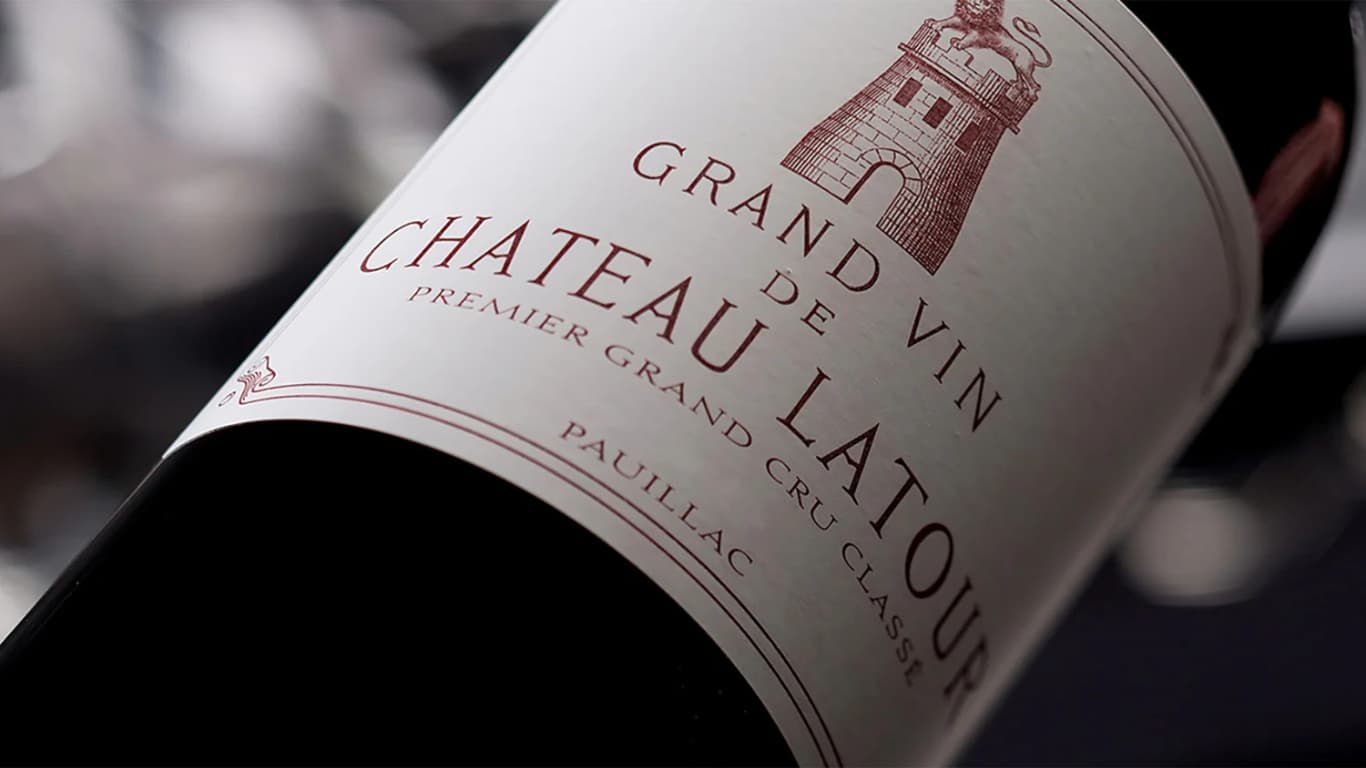
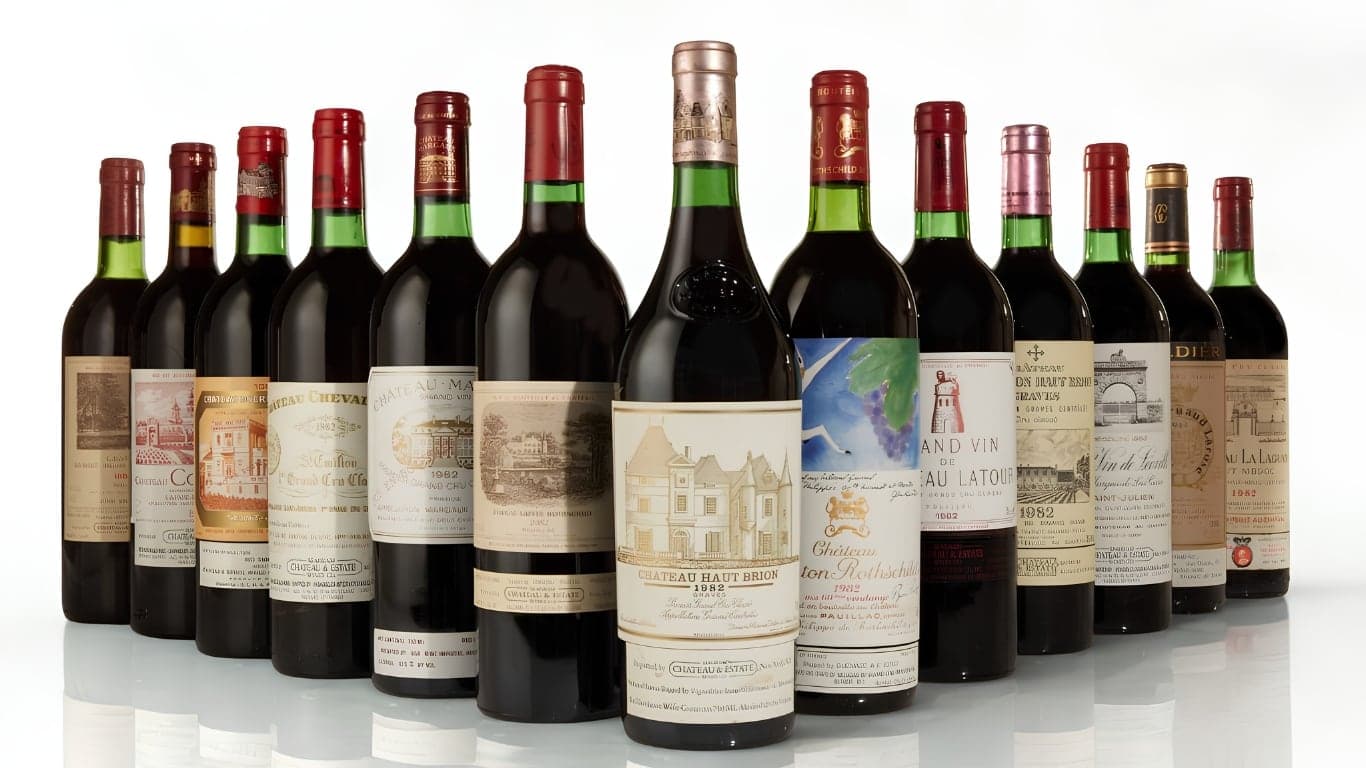
The argument settled itself the only way wine arguments truly can, in the bottle, over time. The 1982s did not collapse. They aged superbly, the great names deepening and lengthening over the following decades into precisely the storied wines Parker had forecast. Mouton Rothschild and Latour on the left bank, Pétrus and Cheval Blanc on the right, all delivered. The fleshy youth the traditionalists distrusted matured into one of the most admired vintages of the century, and the triumph ran clear across the Bordeaux sub regions, left bank and right alike.
The vintage also caught a name on the rise. Le Pin, then a tiny and barely known Pomerol, emerged in this very era to become one of the most sought after wines in all Bordeaux, a reminder that 1982 minted reputations for estates as well as for critics. As each year confirmed the wines' staying power, Parker's standing rose with them. He had staked his young credibility on a contrarian read, and the cellar paid him back in full. By the time the wines reached maturity, his authority was effectively unassailable.
How It Changed the Buying
The legacy reaches far beyond a single set of bottles. The 1982 episode helped turn en primeur from a regional trade mechanism into a global pursuit. Once buyers worldwide saw that an early, confident call could identify a generational vintage before the wine was even bottled, the spring futures campaign became an international event, watched and acted on from every continent. The market that Liv-ex would later track as plain cultural fact has its modern roots in this shift.
It changed criticism just as deeply. The 100 point scale became the lingua franca of fine wine, and a single influential score could move a château's fortunes overnight, a power that drew both gratitude and resentment for decades after. We would not pretend the consequences were all benign; the tyranny of the number is a fair complaint. But the thread running through it is undeniable. One warm harvest, championed by one critic against the grain, rewired how the entire wine world rates and buys, and that wiring is still in place across the market now.
The 1982 vintage is mature and storied now, its great bottles passing between collectors at Christie's with the reverence reserved for legends. Its deepest mark, though, is not in any cellar. It is in the habit, now universal, of trusting a confident early verdict and a single score to tell us what a vintage will become. The wines proved Parker right, and in doing so they remade the rules. That is why, more than forty years on, we still talk about 1982 as the vintage that made the critic, and the criticism, we live with.
Frequently Asked Questions
- Why was the 1982 Bordeaux vintage controversial?
- It was unusually warm and ripe, producing opulent, generous wines that were flattering young. The Bordeaux establishment and several established critics worried these fleshy wines lacked the structure to age the way great Bordeaux traditionally does. That doubt divided the trade until the wines proved their staying power over the following decades.
- How did 1982 make Robert Parker's reputation?
- Writing in his newsletter The Wine Advocate, Parker championed 1982 enthusiastically while more cautious critics hedged. The vintage aged superbly, vindicating his contrarian call. That correct verdict, made under real pressure, cemented his authority and the influence of his 100 point scale, making him the most powerful voice in wine for decades.
- What is en primeur?
- En primeur is the Bordeaux practice of selling wine as futures, bought in the spring after harvest, long before the wine is bottled and released. Buyers commit on the strength of early assessments. The 1982 episode helped transform en primeur from a regional trade mechanism into a closely watched global pursuit.
- Which 1982 estates are most celebrated?
- Mouton Rothschild and Latour on the left bank, alongside Pétrus and Cheval Blanc on the right, all produced storied wines that aged superbly. The era also launched Le Pin, then a tiny and barely known Pomerol, into one of the most sought after wines in all Bordeaux.

Stefanos Moschopoulos
Stefanos Moschopoulos founded The Luxury Playbook in Athens and has spent the better part of a decade following the auction calendar, the en primeur releases, and the watchmakers, gallerists, and shipyards the magazine covers. He writes the field guides and listicles that anchor the Connoisseur section — pieces built on Phillips and Christie's results, Liv-ex movements, and conversations with collectors he has met across Geneva, Bordeaux, Basel, and Monaco. His own collecting habits sit closer to watches and wine than art, and it shows in the level of detail in the magazine's coverage of those categories. Under his direction, The Luxury Playbook now publishes long-form field guides, market-defining year-end listicles, and the Voices interview series with the founders behind the houses and the brands.