
 Fine Art Investing
How Georges de La Tour Went From Obscurity to Blue-Chip Investment
In 1993, a painting by Georges de La Tour sold at a Cologne auction house for €4.3 million, setting a new record for an artist who had been completely forgotten…
Discover expert insights and strategies on building wealth through Fine Art Investing. Explore the world of art as a lucrative asset class.
Fine Art InvestingIn 1993, a painting by Georges de La Tour sold at a Cologne auction house for €4.3 million, setting a new record for an artist who had been completely forgotten…
 Fine Art Investing
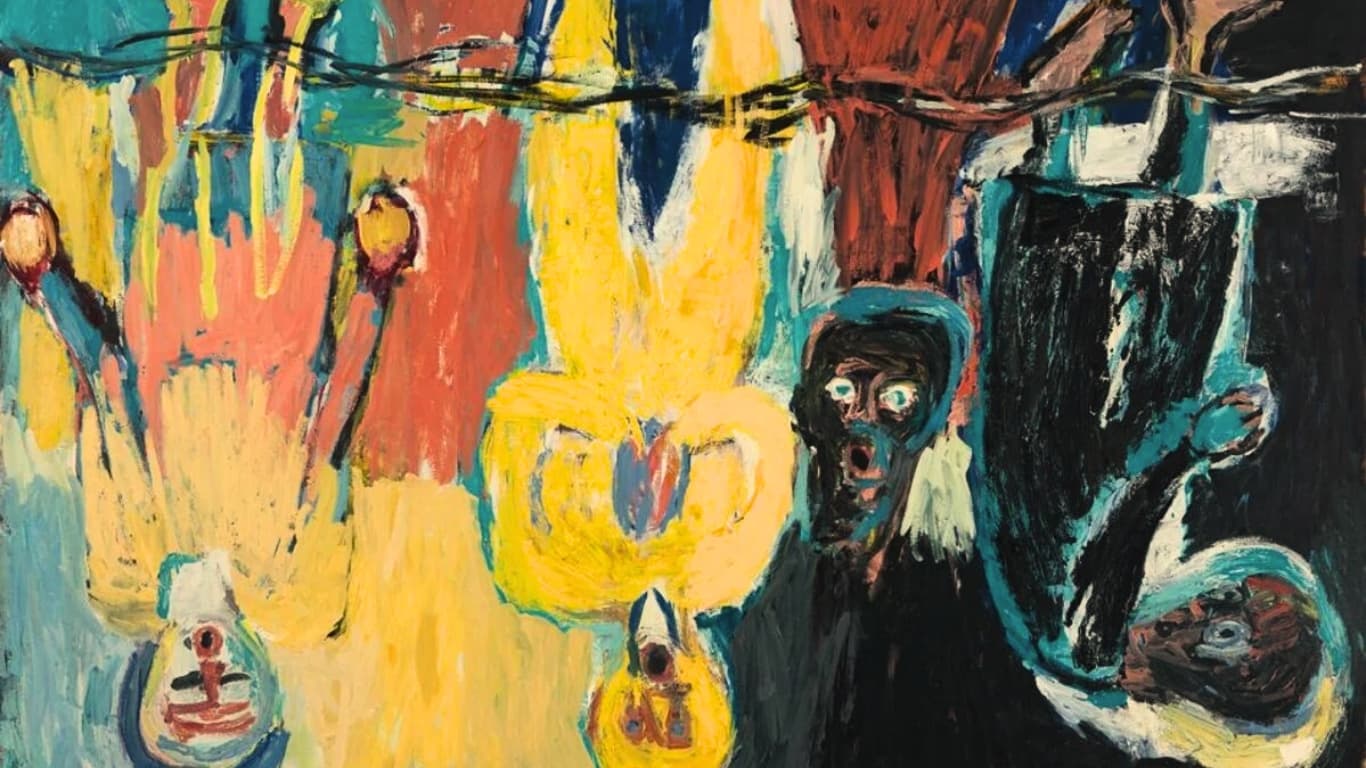
Neo Expressionism first exploded onto the scene in the late 1970s and 1980s as a sharp, deliberate break from the cool restraint of minimalism and conceptual art. Think vivid colors,…
 Fine Art Investing
The art market in 2026 is no longer a simple split between established masters and unknown newcomers. Two powerful categories now shape every serious collector’s thinking: red chip art and…
 Fine Art Investing
The art world is going through a generational shift, and millennials are at the center of it. For decades, high-value art collecting belonged almost exclusively to baby boomers and older…
 Fine Art Investing
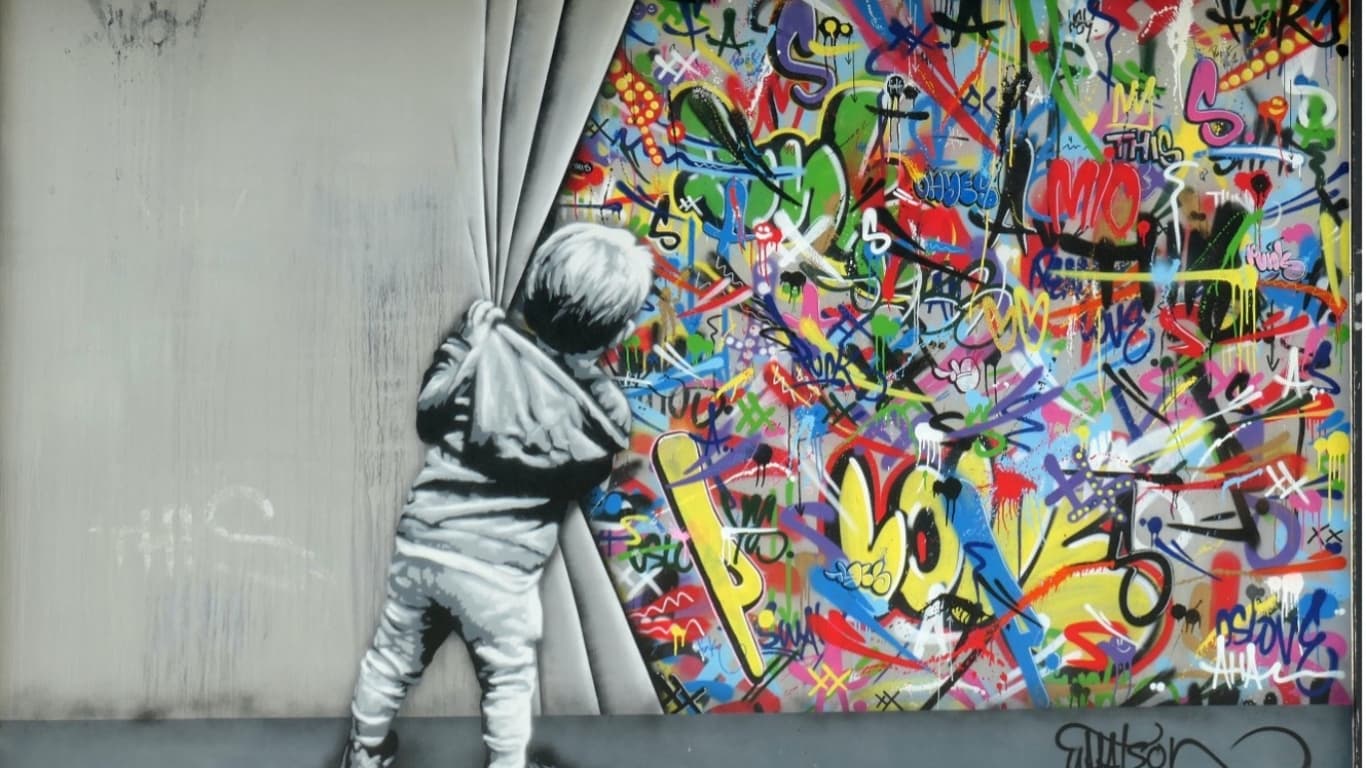
Street art was once seen as rebellious, raw, and fleeting — a form of visual protest painted on the walls of urban neighborhoods. Today, it has broken through those boundaries…
 Fine Art Investing
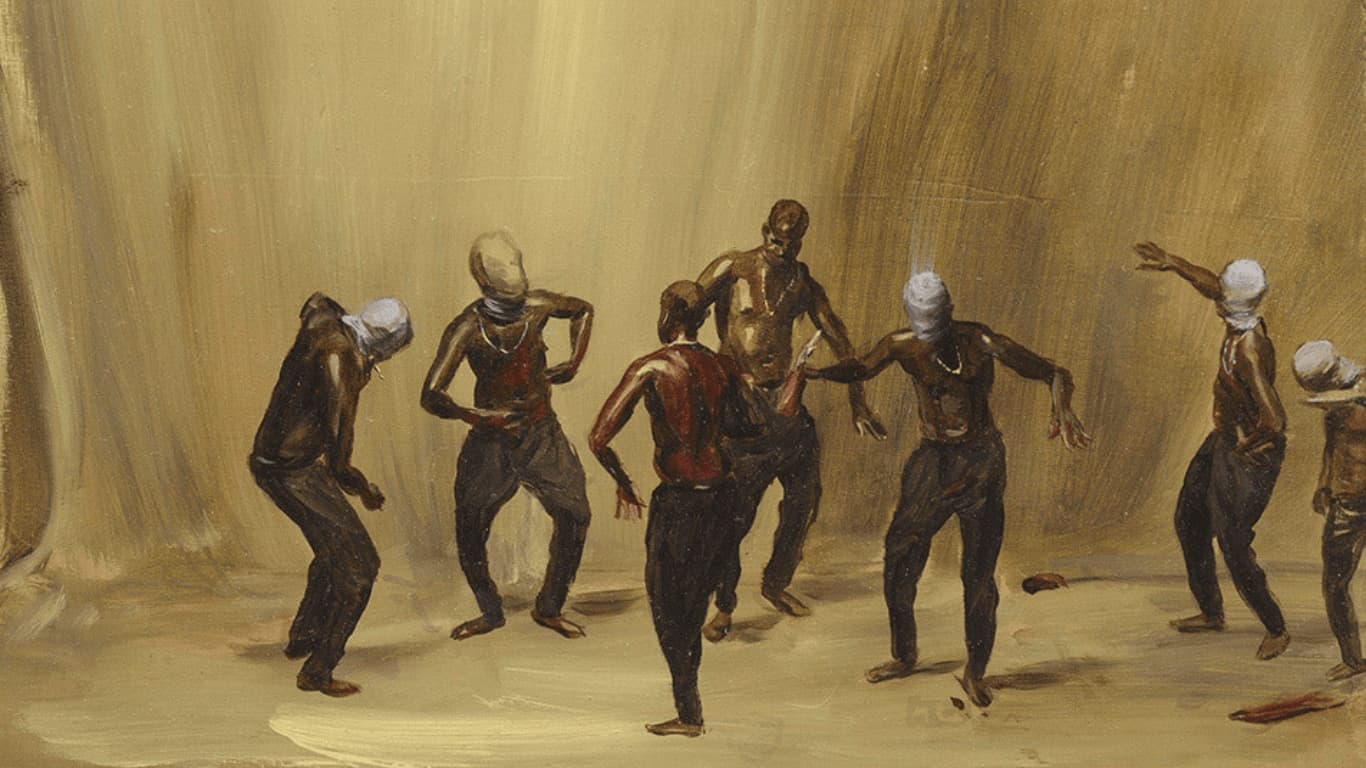
Belgium has always punched above its weight when it comes to art. From the surreal genius of René Magritte to the haunting realism of Michaël Borremans, the country has produced…
 Fine Art Investing
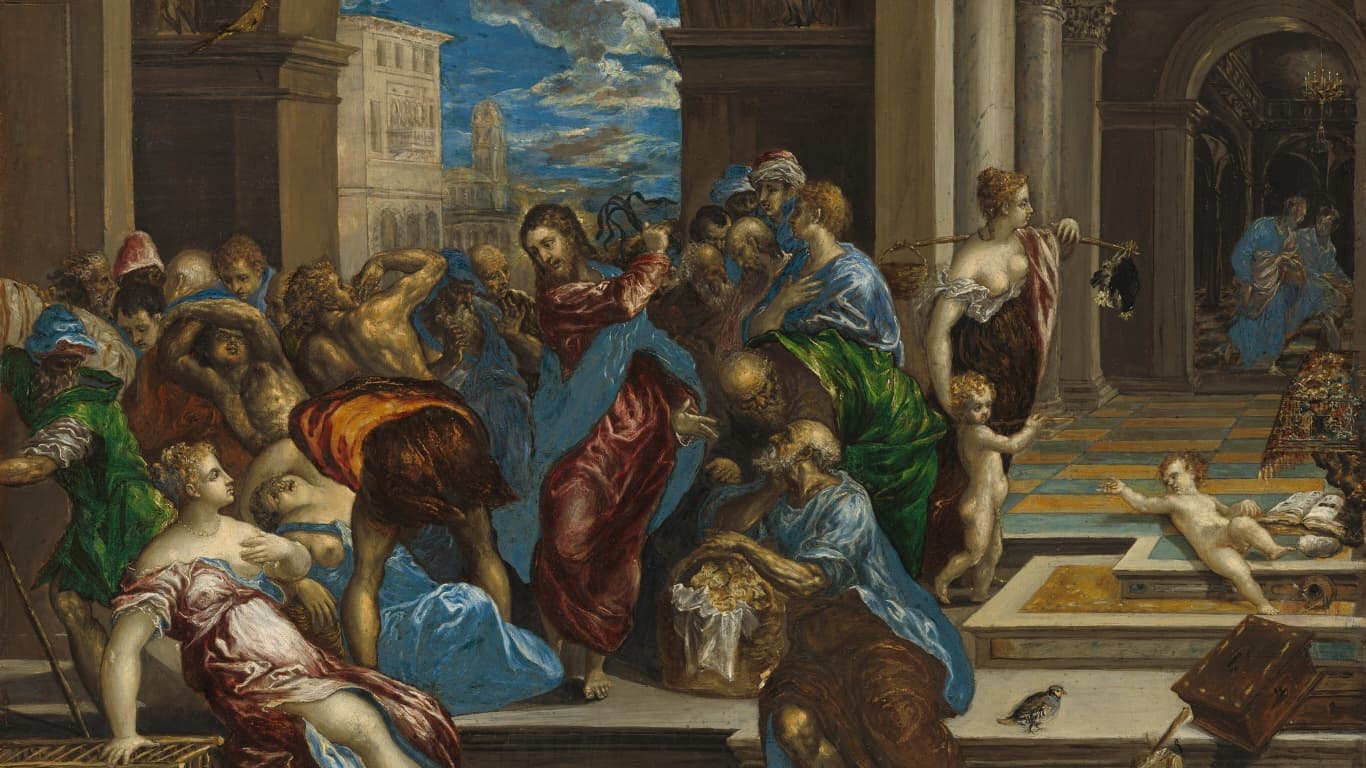
The art world is no longer the exclusive playground of gallery insiders. In 2026, art investing is accessible, data-driven, and increasingly integrated into alternative investment portfolios. From blue-chip icons like…
 Fine Art Investing
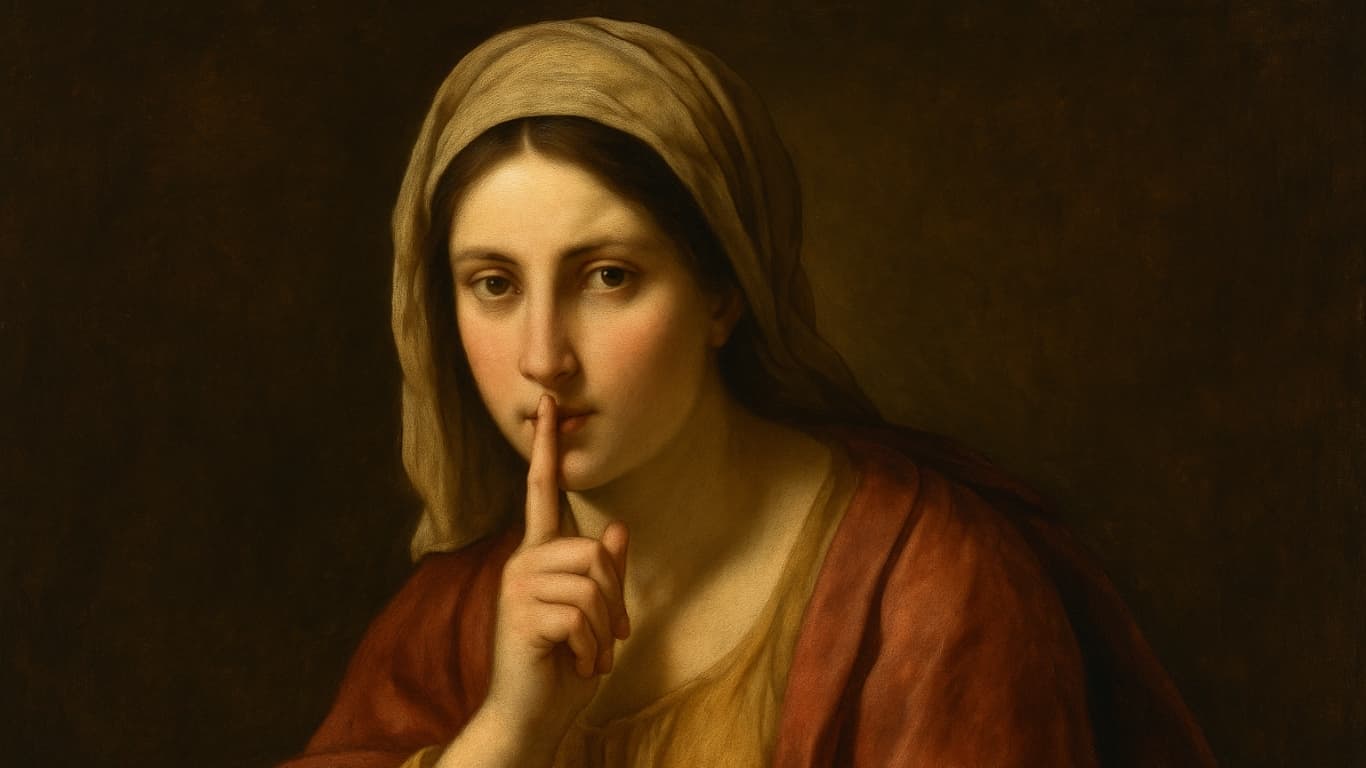
While much of the art world chases the newest trends and emerging names, a quieter shift is happening among experienced collectors and investors. Rather than following the noise, they’re turning…
 Fine Art Investing
Fine art investment is changing fast. More collectors and investors are turning away from public auctions and moving toward private art sales as their preferred strategy. And this is not…
 Fine Art Investing
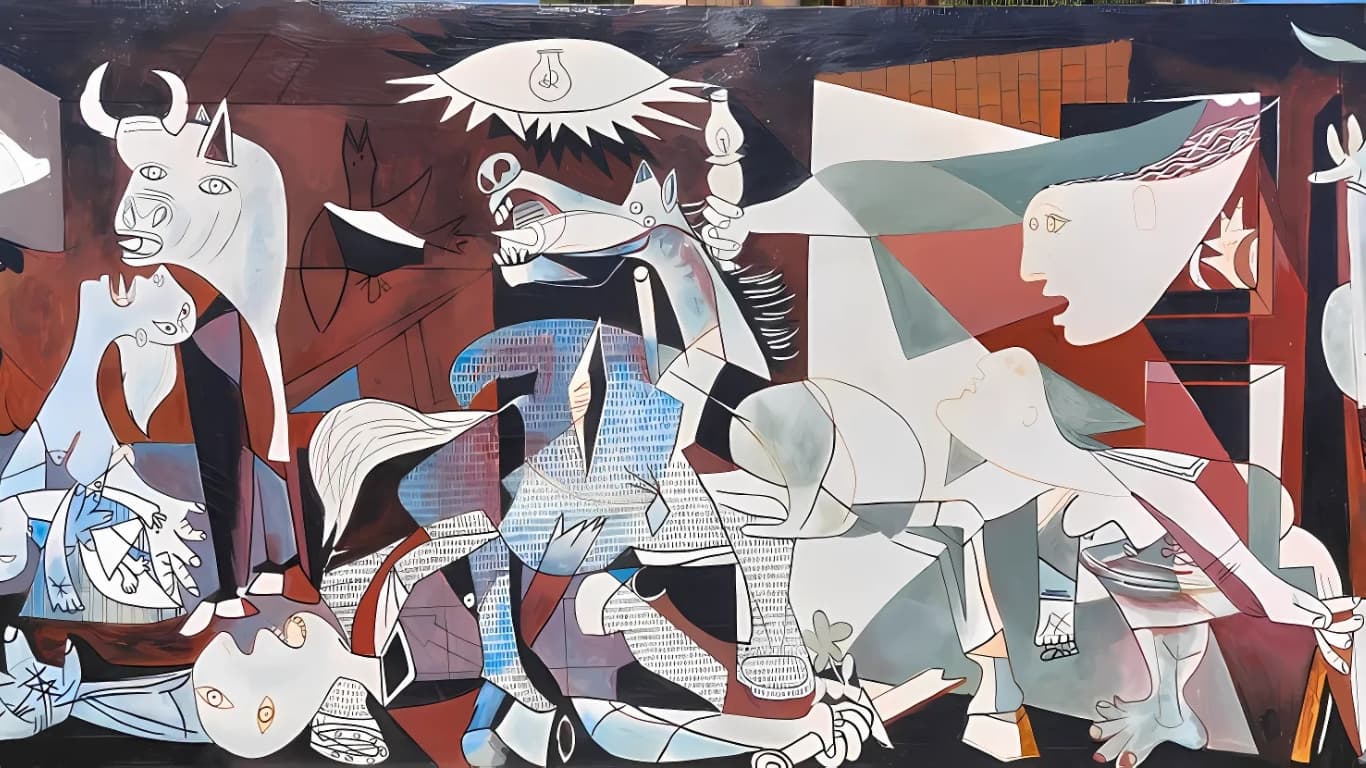
Art has always been one of humanity’s most powerful tools for protest, reflection, and change. Few themes carry as much weight, or as much timeless resonance, as anti-war art. From…
 Fine Art Investing
When it comes to the world’s most celebrated and financially valuable artists, Pablo Picasso stands in a league of his own. Over a career that stretched more than seven decades,…
 Fine Art Investing
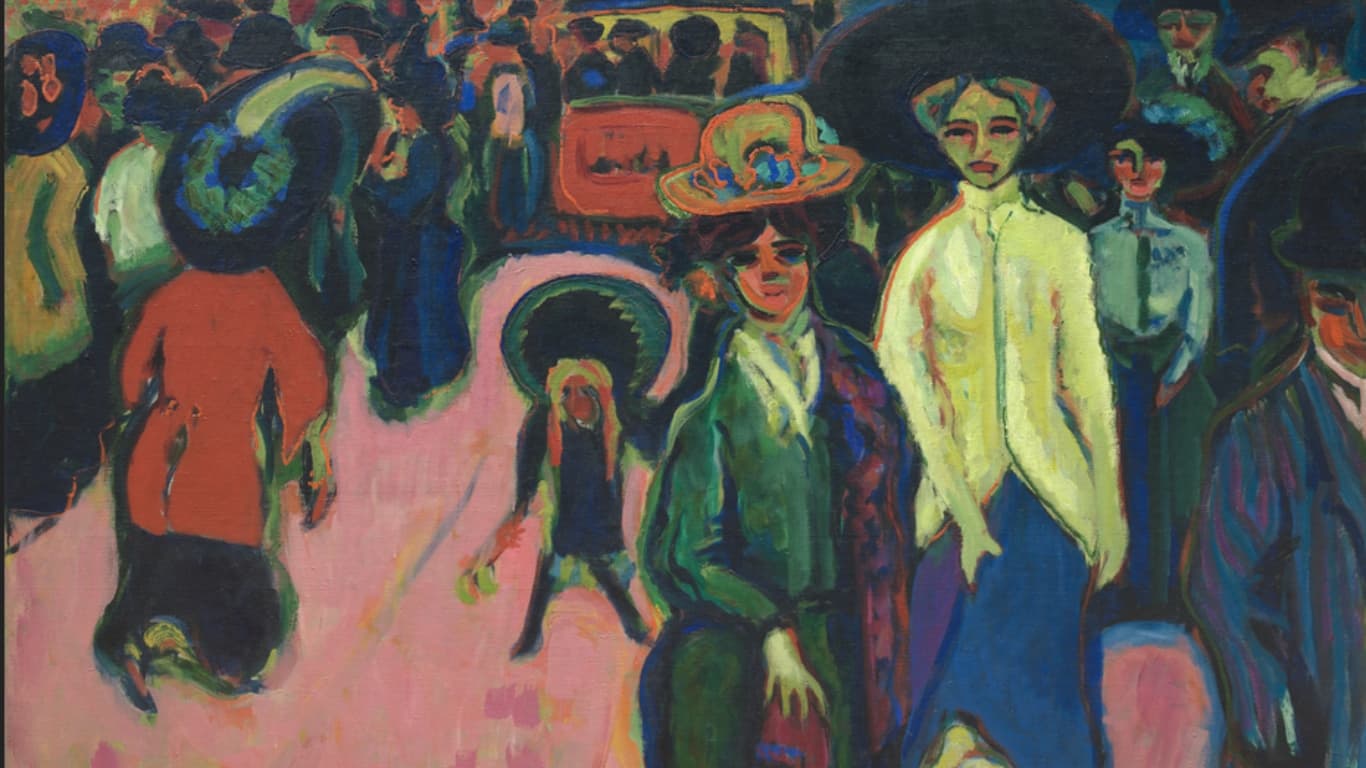
Expressionism hits differently from almost every other movement in art history. Where traditional styles chase realistic representation, Expressionism goes straight for the gut, pulling raw emotion and psychological tension directly…
 Fine Art Investing
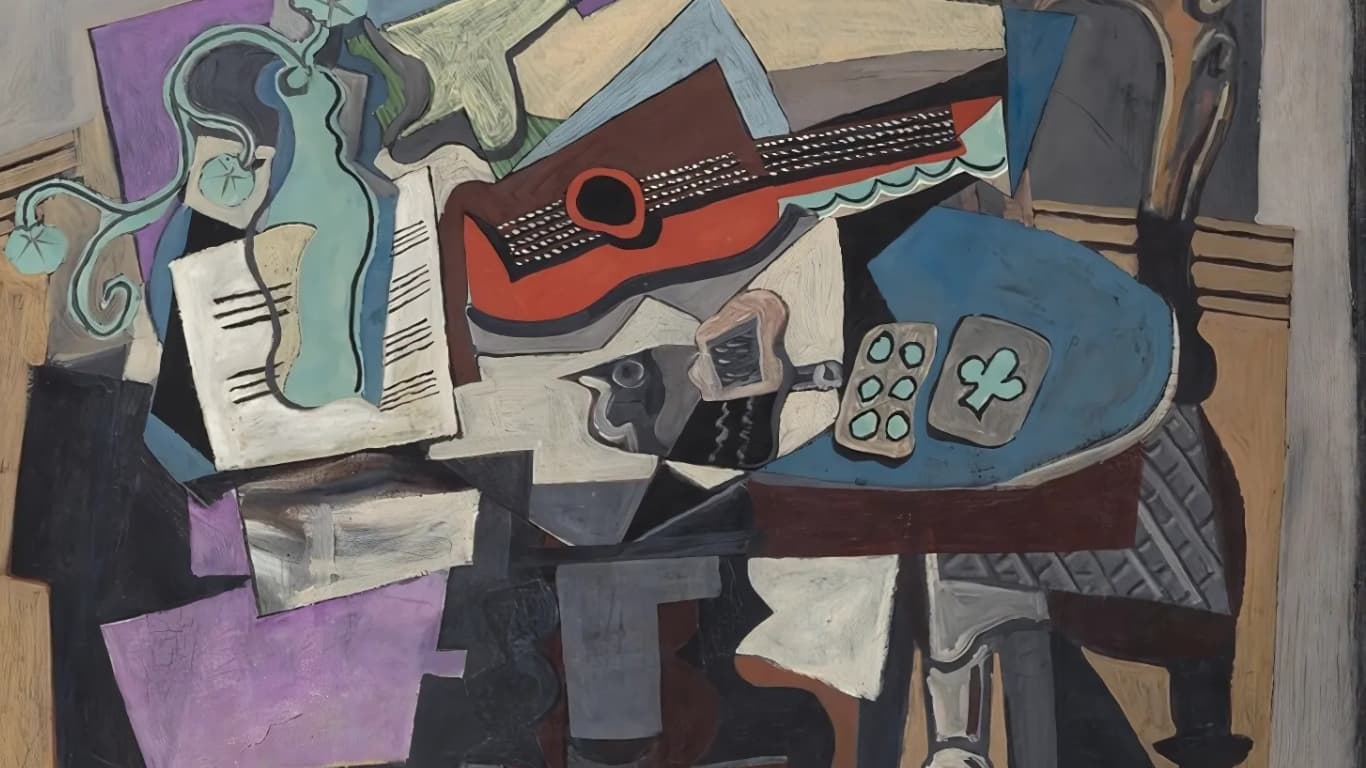
Cubism isn’t just one of the most important movements in modern art history. It’s also one of the most consistently valuable categories in the global art market. Developed in the…
 Fine Art Investing
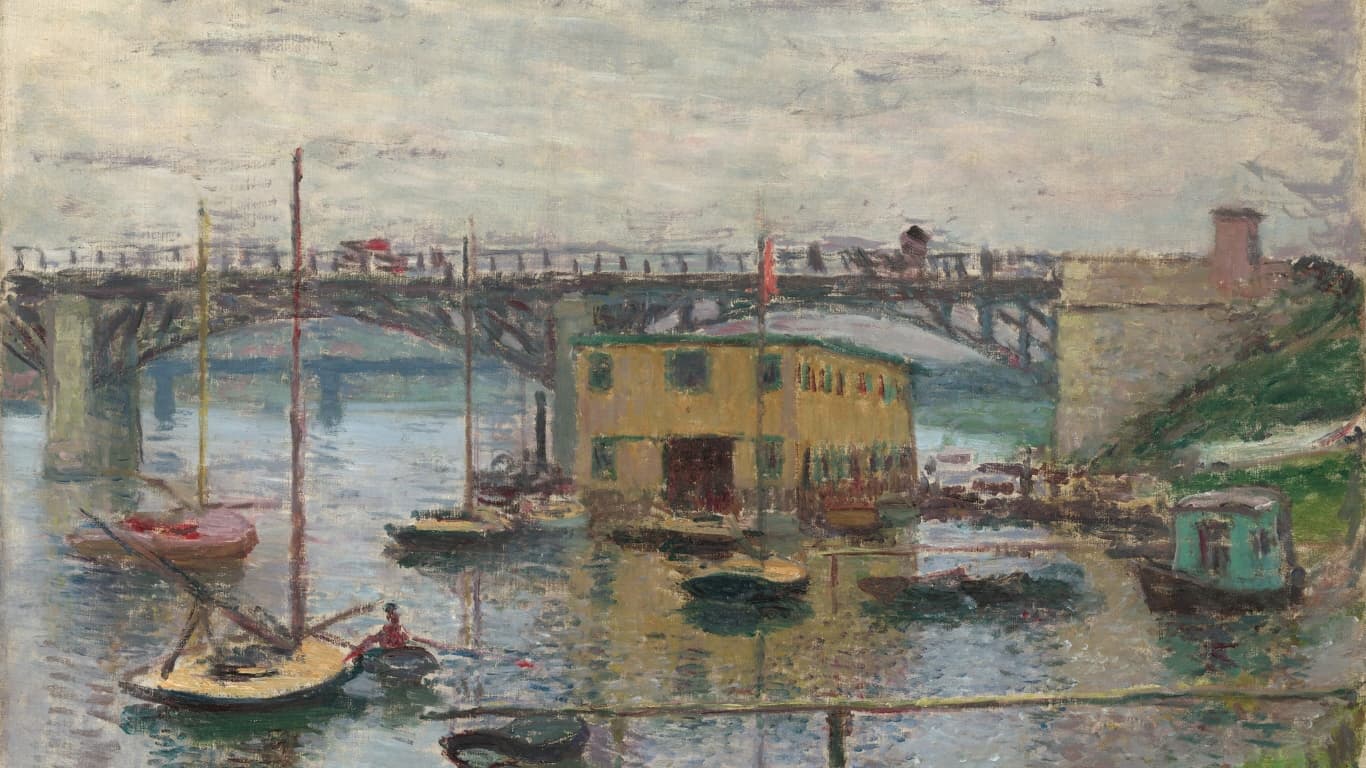
The Impressionist art market is no longer just a bastion of aesthetic admiration. Today it stands as a credible financial asset class in its own right. Once viewed primarily through…
 Fine Art Investing
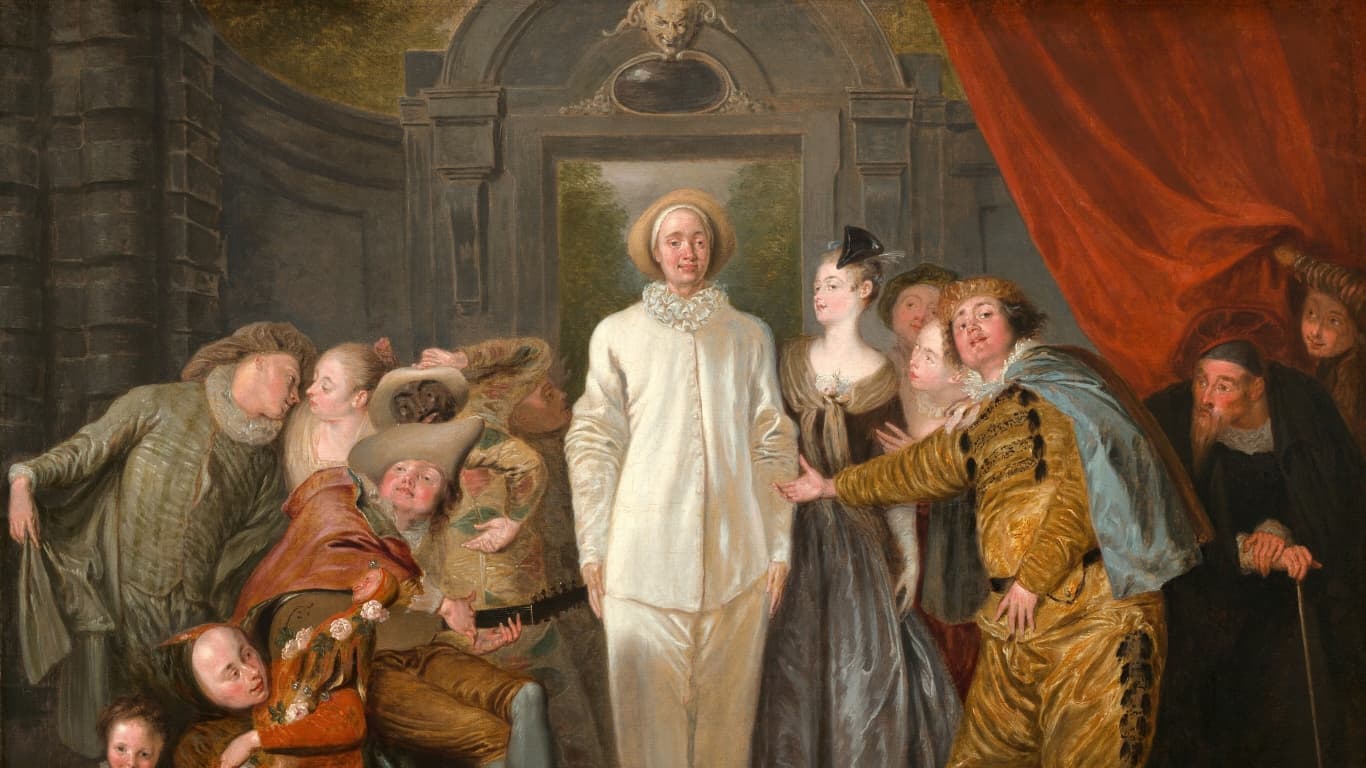
Rococo Art was born in 18th-century France as a direct pushback against the heavy, imposing weight of Baroque. What replaced it was something far more seductive — lighter, more elegant,…
 Fine Art Investing
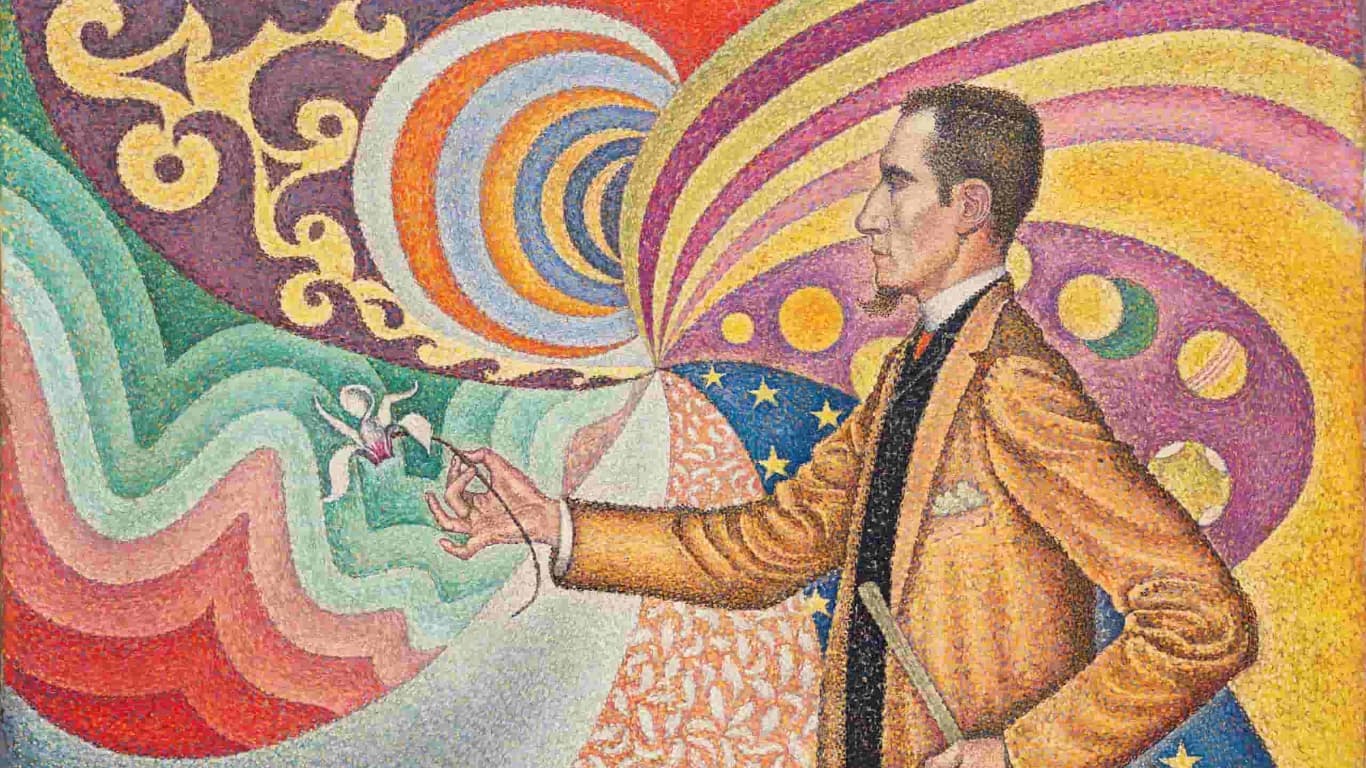
Fauvism was one of the most audacious departures from traditional Western painting that the early 20th century ever produced. If you care about art history, or about where serious money…
 Fine Art Investing
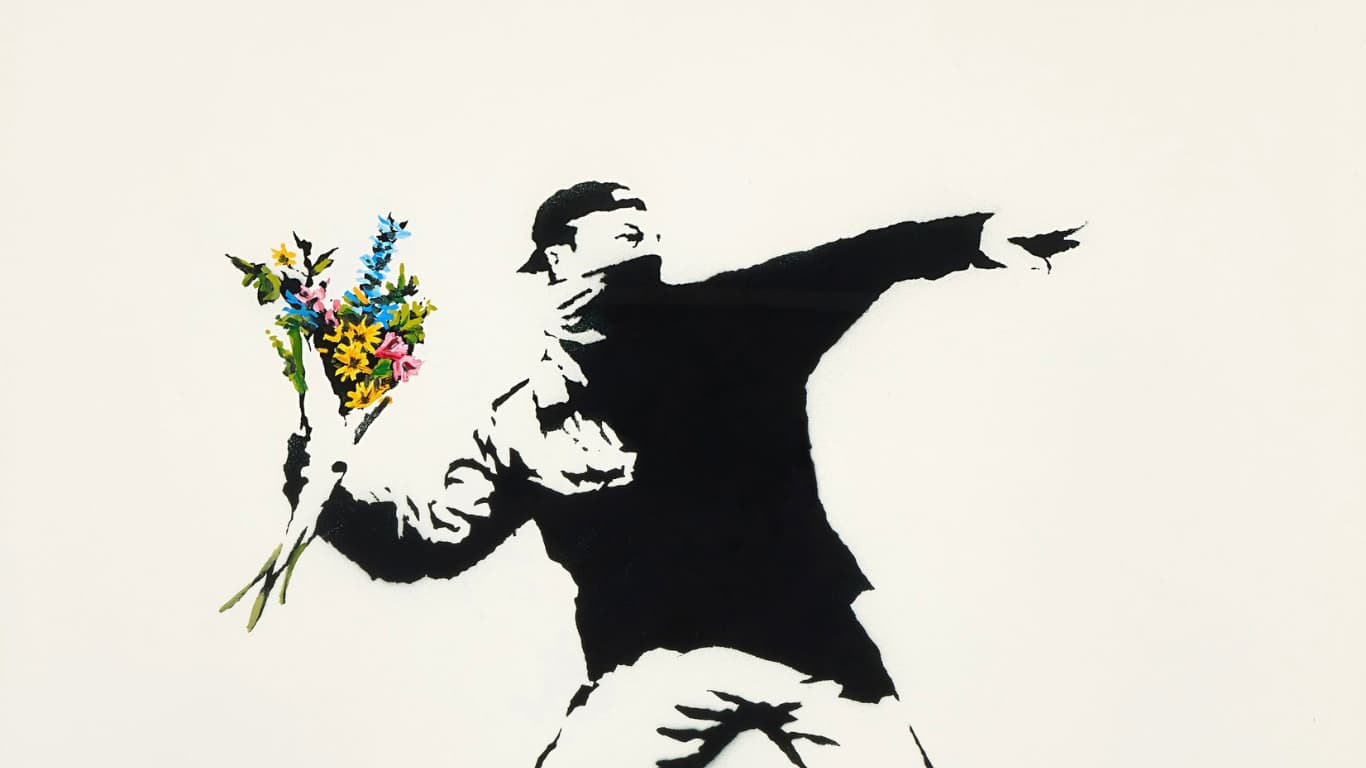
When it comes to blending rebellion with return on investment, no artist has disrupted the art market quite like Banksy. Once written off as a rogue graffiti artist with a…
 Fine Art Investing
Art Brut, or “raw art,” sits far outside the polished architecture of the traditional art world, yet it has become one of its most compelling frontiers. Originally coined by Jean…