Buying property in Paphos is one of those opportunities that genuinely rewards a closer look. At around $4,800 per square meter, prices are a fraction of what you’d pay in most Western European cities, yet you get full Mediterranean lifestyle credentials. The local economy is projected to grow 12.9% over the next five years, which bodes well for anyone with skin in the game. Neighborhoods range from the luxury coastal enclaves of Coral Bay and Sea Caves to the quieter village feel of Tala, so there’s a fit for almost every taste and budget. Add strong community ties, low crime rates, and solid amenities into the mix, and Paphos starts to look less like a hidden gem and more like a well-kept secret that’s finally getting out.
Table of contents
- Understanding the Paphos Housing Market
- Popular Types of Property in Paphos
- Factors to Consider When Buying Property in Paphos
- Price Comparison: Paphos vs. Other European Cities
- The Process of Buying Real Estate in Paphos
- Pros and Cons of Buying vs. Renting in Paphos
- Investment Potential: Paphos Real Estate Market
- Common Pitfalls to Avoid When Buying Property in Paphos
- Living in Paphos: Quality of Life and Cost of Living
- Top Neighborhoods to Buy Property in Paphos
Understanding the Paphos Housing Market
The Paphos housing market blends old-world character with genuinely modern infrastructure. Average prices sit at roughly $4,800 per square meter, which puts it well below the entry point for comparable Mediterranean living in Paris or London. For what a single apartment costs you in those cities, you could be looking at multiple properties here. That kind of value is hard to ignore, whether you’re a seasoned investor or a first-time buyer chasing a lifestyle upgrade.
Current Trends
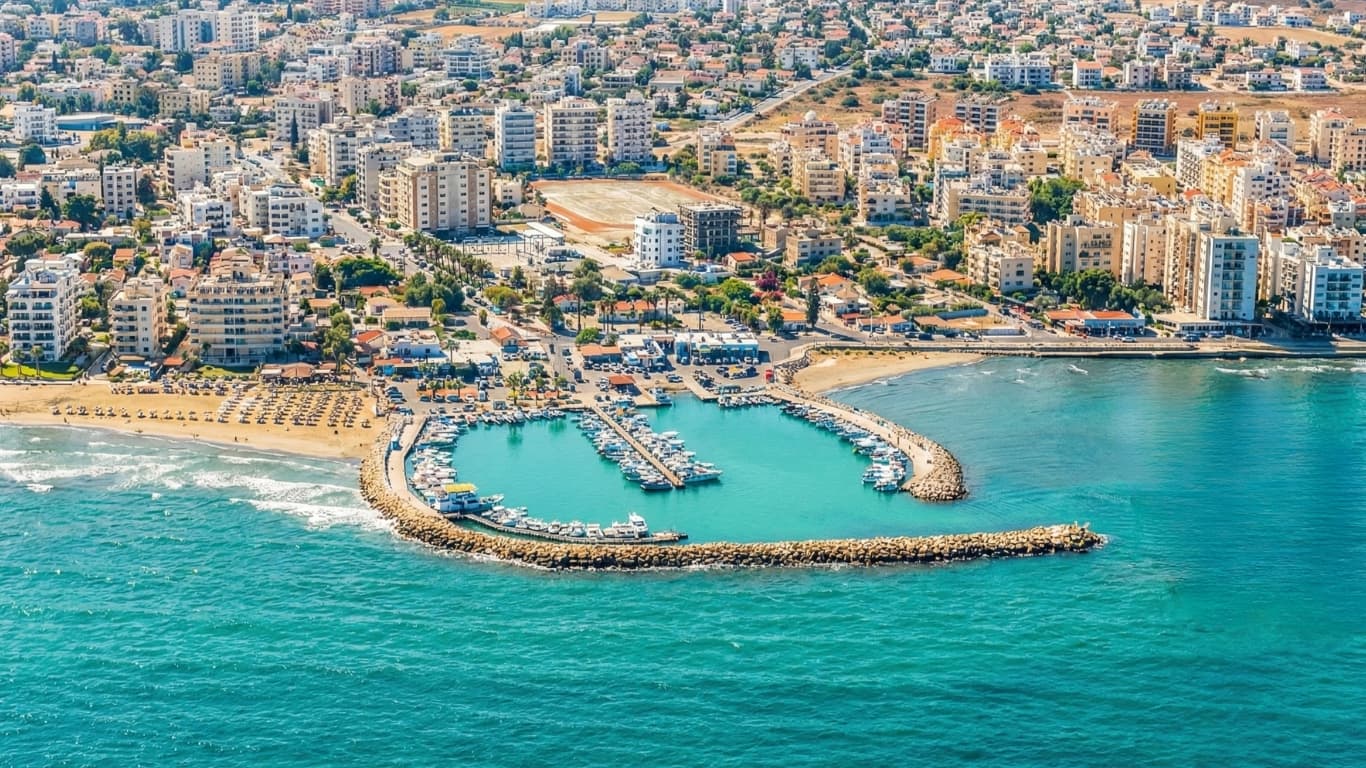
The city’s most sought-after pockets, think Sea Caves, Coral Bay, and the Paphos Harbour area, are seeing real momentum. Luxury villas and coastal properties are moving quickly here, and prices reflect the demand. But if your budget needs more breathing room, areas like Anarita, Tala, and Peyia offer genuinely appealing alternatives without sacrificing the Paphos lifestyle. That spread across price points is exactly what keeps this market interesting for a wide range of buyers.
Impact of Economic Growth
Economic growth is doing real work for the Paphos property market right now. Cyprus is projected to expand by 12.9% over five years, backed by a steady GDP growth rate of around 2.6%. GDP per capita is also forecast to rise by 8.8% over the same period, signaling a stable, healthy economy rather than a short-term spike. For you as a property buyer or investor, that kind of macroeconomic foundation tends to translate into rising property values and growing consumer confidence, both of which push the market in the right direction.
Statistical Insights
Housing in Paphos runs about 30% cheaper than in Valletta, making it one of the more cost-effective entry points for Mediterranean real estate. Future price growth looks credible given the economic trajectory and consumer trends supporting it. That said, keep your eyes open. Delays around title deeds and the tax implications of your purchase are real considerations that can catch buyers off guard if you go in unprepared.
The resilience of the Cypriot economy, combined with Paphos’s steady infrastructure investment, paints a promising picture for the market ahead. Better roads, upgraded utilities, and improved public spaces don’t just make daily life more enjoyable, they tend to lift property values in the surrounding areas too. For investors paying attention, that’s where the real opportunity sits.

Popular Types of Property in Paphos
Paphos draws you in with its scenery and its history, but what really seals the deal for most buyers is the sheer variety of property on offer. The market has attracted serious capital, with Cyprus’s residential property transactions hitting €3.4 billion in a single banner year. Whether you’re after a coastal villa, a low-maintenance apartment, or a plot of land to build something entirely your own, Paphos has become one of the more compelling addresses in the Mediterranean.
Luxury Villas
Luxury villas in Paphos bring together exclusivity and comfort in a way that works equally well as a holiday retreat or a full-time residence. The most desirable of these sit in neighborhoods like Sea Caves and Coral Bay, where you’re paying a premium for coastal views and easy access to everything you need. Pools, expansive gardens, and high-end finishes are the norm rather than the exception. And beyond the lifestyle appeal, these properties have a track record of delivering strong returns for investors who know the market.
Apartments and Townhouses
Apartments and townhouses in Paphos offer a smart, practical entry into the market. Apartments made up 62% of Cyprus’s total market value in 2023, with two-bedroom units leading demand, and that appetite has not let up. Most come with shared amenities like pools and landscaped green spaces built in. Townhouses give you a bit more room to breathe without the complexity of managing a standalone villa. For investors and owner-occupiers alike, understanding rental yield across European cities is worth doing before you commit, and Paphos tends to hold up well in that comparison.
Land Plots
If you want complete creative control, buying a land plot in Paphos is the way to go. The city offers a broad range of plot options, from prime coastal spots through to more affordable inland locations in areas like Anarita and Tala. You can build a bespoke villa, a contemporary townhouse, or almost anything in between. It’s the kind of flexibility that’s hard to find in more saturated European markets, and for buyers with a clear vision, it’s genuinely exciting.
Paphos ranks as Cyprus’s second most active housing market, with transactions in 2023 alone reaching 0.7 billion euros. Across every property type, it keeps delivering competitive options that hold their appeal for both local and international buyers.
Get a personalized property consultation >>>
Factors to Consider When Buying Property in Paphos
When you’re looking at property investment in Cyprus, several factors will shape your decision more than others. First, think carefully about capital appreciation potential, especially in tourist-heavy locations where price floors tend to be higher. The local economy’s stability, underpinned by consistent growth, is a genuine asset that makes real estate in Paphos a credible long-term play rather than a speculative punt.
| Investment Factor | Consideration |
|---|---|
| Property Value | Touristic locations may have a premium affecting holiday home buyers. |
| Construction Quality | A 12-month statutory guarantee for properties extendable by contract is crucial. |
| Monthly Common Expenses | Ranging from €50 to €500, this is significant for future homeowners. |
| Energy Efficiency Certificates | Costs typically between €200 and €400. |
| Legal Assurance | Independent lawyers are essential to avoid conflicts of interest. |
| Developer Practices | Replication of property types for cost efficiency can influence living experience decisions. |
| Location Considerations | Weighing the worth of features like sea views is advised. |
| Pre-Contractual Promises | Ensure promises on returns are supported by expert research. |
| Price Comparisons | Evaluating prices from different sellers for better alternatives than bigger developers. |
Putting Paphos into context against other regional markets is also worth your time. The most expensive single transaction recorded in Paphos was a €4.8 million plot in Agios Theodoros, which tells you something about the ceiling here. And with Paphos accounting for half of Cyprus’s ten largest deals, totaling €12.57 million, the area’s investment credentials are hard to argue with. Developments like Soho Resort and King Residences signal that serious money is backing this market for the long run.
Before you sign anything, make sure you’ve done a thorough breakdown of costs, upside, and risk. A well-informed decision in Paphos starts with honest numbers, not just the headline price.
Price Comparison: Paphos vs. Other European Cities
When you stack Paphos property prices against other European cities, the value proposition becomes very clear very fast. At roughly $4,800 per square meter on average, Paphos is playing in a completely different league from Paris or London. What a single apartment costs you in either of those cities could get you up to three properties here. That’s not a minor pricing gap, it’s a structural difference in what your money can actually buy.
Cost per Square Meter Analysis
The savings go beyond just beating Paris and London. Paphos comes in around 30% cheaper per square meter than Valletta, which is itself no bargain for Mediterranean buyers. For investors chasing real value without giving up the European lifestyle, that kind of pricing spread matters. You’re not compromising on climate, culture, or infrastructure. You’re simply paying a fairer price for it. If you’re also weighing up options across the region, the best places to buy property in Greece offer an interesting comparison point.
Affordable vs. Premium Areas
Paphos covers a wide range when it comes to pricing. At the top end, Kato Paphos properties can reach around $1,170,000, while Peyia offers a similarly premium feel at closer to $840,000. If your budget needs more flexibility, villages across the wider Paphos district bring the price down without sacrificing the charm that makes this region worth living in. You’re not trading down when you choose those areas, you’re just choosing a different kind of lifestyle.
| City | Average Price per Sq Ft | High-End Property Price |
|---|---|---|
| Paphos | $4,800 | $1,170,000 (Kato Paphos) |
| Valletta | $6,800 | $1,500,000 |
| Paris | $13,000 | $3,000,000 |
| London | $15,000 | $3,500,000 |
Buying real estate in Paphos gives you a competitive edge that’s hard to replicate elsewhere in Europe. When you factor in the cost-per-square-meter gap and the Mediterranean lifestyle on offer, the case for Paphos writes itself for buyers who want value alongside quality.
Get a personalized property consultation >>>
The Process of Buying Real Estate in Paphos
Buying real estate in Paphos follows a clear process, but it rewards preparation. You need to understand the local regulations, the financial commitments involved, and the legal framework before you move forward. Get those fundamentals right and the path from initial interest to actual ownership is far smoother than most people expect.
Step-by-Step Guide
Start with thorough market research and get a clear sense of which properties align with your goals. Setting a realistic budget early saves you a lot of wasted time. Once you’ve identified a property you want, negotiating terms and locking in a sale agreement come next. A proper inspection and document review should happen before you go further. From there, you’ll pay a reservation fee, arrange your financing, and complete the purchase through the formal legal process.
| Step | Description |
|---|---|
| Market Research | Explore available properties and neighborhoods. |
| Set a Budget | Determine how much you can afford, including additional costs. |
| Select Property | Find a property that suits your needs and preferences. |
| Negotiate Terms | Agree on the sale’s terms and conditions with the seller. |
| Inspection | Ensure the property’s condition through thorough inspections. |
| Reservation Fee | Secure your chosen property with a fee. |
| Financial Arrangements | Arrange for a mortgage or loan if necessary. |
| Final Purchase | Finalize the transaction and ownership transfer. |
Legal Requirements
On the legal side, you’ll need a Tax Identification Number and, if you’re a non-EU citizen, specific permissions to purchase. Working with an independent legal advisor is not optional here, it’s essential. They’ll check the title deed’s status, confirm there are no outstanding liabilities, and walk you through your property tax obligations. The Cypriot legal system has its quirks, and having the right advisor in your corner makes a real difference.
Financial Considerations
The numbers go beyond the purchase price. Budget for a reservation fee of around 1% to 2% of the property’s value upfront. Property Transfer Fees and Stamp Duty together can add another 3% to 8% of the purchase price on top of that. A good financial advisor will map out the full cost picture for you before you commit, so there are no surprises after the fact.
In a market where close to half of all transactions involve non-national buyers, being financially prepared is what separates smooth deals from complicated ones. Know your full cost exposure going in, and you’ll be in a much stronger position to move quickly when the right property comes up.

Pros and Cons of Buying vs. Renting in Paphos
The buy-versus-rent question in Paphos really comes down to your timeline and your financial goals. Property values are trending upward, which makes buying look increasingly attractive as a long-term play. The arrival of two universities in the city is expected to push rental prices higher, which is good news for landlords but worth factoring in if you’re considering renting for the medium term.
Owning your home brings a stability that renting simply can’t match. With a fixed-rate mortgage, you’re insulated from the kind of rent increases that can upend your budget with little warning. You also get the freedom to put your stamp on the property, something renters rarely get. Cyprus sweetens the deal for locals by offering up to 1.50% off interest rates on first home purchases for the first four years.
Renting, on the other hand, keeps your options open. It’s a smart move if you’re still getting a feel for different neighborhoods before committing to a purchase. And from a cash-flow perspective, rental agreements give you more flexibility than a fixed monthly mortgage obligation, especially if your income fluctuates.
The rent-to-buy option offered by Fox Realty in Cyprus is worth knowing about if you’re not quite ready to buy outright. It eases the transition from tenant to owner and is backed by lending products from major Cypriot banks participating in government housing programs.
If you do buy, factor in ongoing maintenance and property taxes, costs renters don’t have to think about. The trade-off is that renters never build equity. And if you purchase a property valued above €300,000 in Cyprus, you may fast-track eligibility for a permanent residence permit, which is a significant added benefit for many international buyers.
With values climbing and rental demand holding firm, particularly in tourist-heavy areas, the investment case for buying in Paphos is strong. But whether buying or renting makes more sense for you depends entirely on your lifestyle priorities and where you want to be financially in five to ten years.
| Aspect | Buying | Renting |
|---|---|---|
| Initial Financial Outlay | High | Low |
| Flexibility | Low | High |
| Property Customization | High | Low |
| Stability | High | Low |
| Equity Growth | High | None |
Investment Potential: Paphos Real Estate Market
Paphos is a serious contender for investors who want both rental income and long-term capital growth in one market. The combination of strong yields and an appreciating asset base is not something you find easily in Europe right now, which is exactly why smart money keeps flowing in here.
Rental Yield
Properties close to tourist hotspots and key amenities are delivering rental yields above 7%, which is impressive by any European benchmark. Infrastructure upgrades, including airport modernization and new promenades, are keeping tourist numbers healthy and rental demand with them. At the more accessible end of the market, one-bedroom apartments in areas like Universal rent for around $550 a month, which keeps occupancy rates high and vacancy risk low. For a broader view of how Paphos stacks up, rental yield data across European cities is worth reviewing before you make your move.
Capital Appreciation
Capital appreciation in Paphos is backed by real fundamentals, not speculation. The local economy is set to grow by 12.9% over the next five years, supported by a positive 8.8% shift in average GDP per capita. Property prices are moving accordingly. Kato Paphos is already seeing properties hit the $1,170,000 mark, and a €4.8 million land purchase in Agios Theodoros underlines the premium demand that exists at the top of the market. According to the Financial Times, Mediterranean coastal markets with strong tourism infrastructure are among the most resilient in Europe right now, and Paphos fits that profile well.
Long-term vs. Short-term Investments
Paphos gives you room to play both sides of the investment timeline. Short-term strategies work well by capitalizing on peak tourist season demand, when rental rates climb and occupancy stays high. Long-term investors benefit from steady property value growth, driven by ongoing infrastructure development and a stable macroeconomic backdrop. Your choice between the two comes down to your investment objectives and your appetite for active management versus a more passive hold.
| Property Type | Price Range |
|---|---|
| Apartment in Chlorakas | $160,000 |
| Apartment in Geroskipou | Starting at $130,000 |
| Luxury Villa in Peyia | Approximately $840,000 |
Get a personalized property consultation >>>
Common Pitfalls to Avoid When Buying Property in Paphos
Paphos offers real rewards for property buyers, but the market has its traps. From title deed complications to legal surprises that can derail a deal, knowing what to watch for is just as important as knowing what to buy. Get ahead of these issues and you’ll be in a far stronger position than the average buyer walking in unprepared.
Title Deed Issues
Title deed problems are among the most common headaches in the Paphos market. Delayed or missing deeds can create serious legal complications, often caused by incomplete paperwork or unpaid taxes from previous owners. Before you commit to any purchase, verify the title deed’s status thoroughly and confirm all associated taxes have been settled. Skipping this step can cost you far more than the price of due diligence.
Legal and Regulatory Challenges
The legal side of buying in Cyprus holds a few surprises for the unprepared. Agent commissions can range from 5% all the way past 50% in some cases, which is an extraordinary spread. On top of that, unexpected costs including VAT, transfer fees, and other charges have a way of appearing late in the process. Some developers have also been known to mislead buyers on VAT structures, which can create significant liabilities down the line. An independent legal advisor is not a luxury here, it’s your best protection. For context on how predatory financial practices work more broadly, this guide on predatory lending is a useful read.
Environmental and Conservation Restrictions
Paphos has strict environmental regulations, especially in coastal zones, and they exist for good reason. But they can also limit what you’re able to build or modify on a given plot. Water access can also be a practical challenge in some areas, particularly for properties that require reliable supply for gardens or pools. Do your inspections thoroughly, understand the local planning rules, and get clarity on any conservation designations before you finalize a purchase.
| Common Pitfall | Challenge | Mitigation |
|---|---|---|
| Title Deed Issues | Delayed or missing title deeds | Verify title deeds and ensure all taxes are settled |
| Legal and Regulatory Challenges | Hidden commissions, additional VAT, legal fees | Consult independent legal advisor, thoroughly understand costs |
| Environmental Restrictions | Conservation laws, water supply access | Conduct due diligence, adhere to regulations |
Living in Paphos: Quality of Life and Cost of Living
Living in Paphos means waking up to a city that genuinely delivers on the lifestyle promise. Historical sites, clean beaches, and a relaxed pace of life are the backdrop, whether you’re here full-time or using it as a base for part of the year. For investors, that lifestyle quality is also a commercial asset, it’s what drives rental demand from tourists and long-term tenants alike.
Local Amenities and Services
Paphos punches above its weight when it comes to amenities. International schools, a wide range of restaurants, modern healthcare facilities both public and private, and a cultural calendar anchored by UNESCO World Heritage sites and Paphos Castle all contribute to a genuinely high quality of life. The infrastructure here supports comfortable living for families, retirees, and working professionals in equal measure.
Cost of Daily Expenses
Paphos is genuinely affordable by European standards. A couple living here comfortably can expect to manage on around US$2,000 a month, covering accommodation, food, transport, and leisure. Here’s a sense of how typical monthly expenses break down across the main categories.
| Expense | Cost (USD) |
|---|---|
| Apartment Rental (City Center) | $1,000 |
| Transportation | $45 |
| Utilities (Electricity, Heating, Cooling, Water) | $140 |
| Internet | $40 |
| Cell Phone Usage | $22 |
| Entertainment and Dining Out | $600 |
That kind of budget gives you real access to everything Paphos has to offer, without the financial strain you’d feel trying to maintain the same lifestyle in most Western European cities.
Community and Safety
Paphos has a deserved reputation for being safe, welcoming, and genuinely community-minded. Crime rates are low, the expat community is well-established and active, and locals tend to be warm toward newcomers. Emergency services are reliable and responsive. Whether you’re looking at this as a retirement destination or simply a place where you can feel at ease walking home at night, Paphos delivers on both counts.
What makes Paphos stand out in the end is the balance it strikes. Affordable living, a rich cultural environment, and a full suite of modern amenities in a city that hasn’t lost its character. For buyers and investors alike, that combination is hard to find anywhere else in the Mediterranean.
Top Neighborhoods to Buy Property in Paphos
If you’re searching for the best neighborhoods in Paphos for real estate investment or a vacation property, a few areas stand out immediately. Coral Bay is one of the most desirable, with property prices ranging between €2,800 and €3,500 per square meter. The beaches are stunning, the atmosphere is active, and it draws a steady stream of tourists and permanent residents year-round. For anyone thinking about Mediterranean coastal property more broadly, Coral Bay is the kind of benchmark worth knowing.
Peyia is another area worth your serious attention. Average property costs here sit between €2,500 and €3,000 per square meter, with a mix of luxury villas and more accessible homes. Its proximity to Coral Bay makes it especially attractive for holiday home buyers who want convenience without paying Coral Bay prices.
For a quieter, more village-oriented lifestyle, Tala and Kissonerga both deliver. Tala’s property prices range from €1,800 to €2,200 per square meter, while Kissonerga comes in around €1,400 per square meter. Both offer peace, scenery, and a genuine sense of community that’s harder to find in busier coastal towns. Robb Report’s real estate coverage consistently highlights this kind of village-character property as among the most resilient in Mediterranean markets.
Chloraka is one to watch as an emerging market, with prices from €1,600 to €2,000 per square meter. Mesogi sits in a similar range at €1,500 to €1,900 per square meter. Both areas offer solid value and credible appreciation potential as Paphos continues to develop its wider infrastructure. Bloomberg’s real estate desk has noted that emerging suburban pockets near established coastal hubs tend to outperform on capital growth over a five to ten year horizon.
Paphos has something for every kind of buyer. From premium coastal properties projected to see annual price growth above 5%, to affordable options in characterful settings that haven’t been overrun by development. Each neighborhood has its own identity, and finding the right fit comes down to matching what the area offers with what you actually want from your life or your investment.