The headline on London luxury real estate is that it is weakening, and the more interesting story is what is rising as it does. LonRes data put sales of London luxury property down nearly 12 per cent in July 2026 against the prior year, one of the steepest declines since the pandemic. The picture in the prime central postcodes is softer than the city as a whole.
We have watched the rebalancing closely. The capital is not vanishing from London; it is moving postcodes inside it.

Prime central sales volumes sit around 8 per cent lower than pre-pandemic averages, new listings are up 22 per cent year over year, and price growth in the luxury zones has stalled at around 0.4 per cent. That is well below inflation and a stark contrast to the double-digit gains of 2021 and 2022.
This slowdown has caught the attention of every prime-residential desk we read. London real estate has traditionally been a safe-harbour position, and weak sales combined with stagnant prices are raising questions about whether the ultra-prime market still delivers the protective characteristics it once did.
As Liam Bailey, Global Head of Research at Knight Frank, has framed it, the market is not collapsing but adjusting to higher costs and a more cautious buyer base. The question is whether weakness in luxury property signals a broader downturn or is creating new opportunities elsewhere in the city.
- London luxury real estate has shown meaningful weakness across recent quarters, with prime central London transaction volumes subdued while secondary prime markets gather momentum.
- We see Knight Frank Prime London and Savills data confirming the bifurcation, with the super-prime segment above ten million pounds particularly affected by current conditions.
- Secondary prime areas including Marylebone, Fitzrovia and parts of Wandsworth and Battersea have shown comparative resilience, with buyer demand shifting along the value chain.
- Non-dom regime changes and the broader UK tax framework adjustments have shifted the international buyer calculation, with departing principals as a meaningful factor at the very top.
- HM Land Registry data shows the headline transaction count remaining well below historical norms, with the international buyer pool reshaping in real time.
- For most considered London prime buyers we view current conditions as a meaningful entry-point opportunity, with the discount to historical peaks supporting the longer-hold case.
- Who is this for?
- International and UK-resident buyers evaluating prime central London, alongside the advisers, brokers and family office staff framing those acquisitions.
- What is happening?
- A market read of how London luxury real estate has weakened while secondary areas rise, covering prime central dynamics, the value chain shift and the tax framework impact.
- When did this emerge?
- The article reflects current market conditions through HM Land Registry, Knight Frank Prime London and Savills data alongside our own observations through 2026.
- Where is this happening?
- The piece focuses on London, including prime central neighbourhoods and the secondary prime areas including Marylebone, Fitzrovia, Wandsworth and Battersea.
- Why does it matter?
- London prime market dynamics have shifted materially across recent quarters, which is why understanding the current bifurcation matters for any considered allocation decision.
Why London luxury home sales are declining
The weakness is not happening by chance. Knight Frank's prime central index makes the convergence visible across each of the past five quarters. In July 2026 alone, deals for homes priced above £2 million fell by nearly one-third year over year, and properties that do go under offer are taking longer to close, with failure-to-complete rates running nearly 20 per cent higher than the year before.
That tells us buyers are hesitant. Many are walking away after working through the true costs of ownership. While the broader UK housing market has posted modest gains, prime London prices have barely moved, and in real terms luxury property values are shrinking once inflation is netted out.
Supply is making things harder still. Zoopla's head of research Richard Donnell pointed out earlier this year that the luxury end of the market is highly discretionary, and when buyers see too much stock and not enough urgency, they negotiate harder or wait.
The impact of higher taxes and policy changes on luxury buyers
Taxes and regulation are another major reason London's luxury housing market is under pressure in 2026. The UK already carries one of the heaviest tax burdens for high-end property buyers in Europe, and recent changes have made the environment less attractive for wealthy buyers tracked by Bloomberg's UK property coverage.
Stamp Duty Land Tax remains the heaviest upfront cost. For homes over £1. 5 million the effective rate can exceed 12 per cent, and foreign buyers face an additional 2 per cent surcharge on top.
On a £5 million property, that means more than £600,000 in taxes before the keys change hands.
The UK government's move to reform the non-dom regime has also shaken confidence. For decades, non-domiciled status allowed wealthy foreigners living in London to shield overseas income from UK taxation, and with those benefits phased out, some long-time foreign owners are reassessing whether it still makes financial sense to hold here. How double taxation treaties affect real estate investments is worth reading before you act.
Rising inventory and unsold properties in prime central London
Another clear sign of weakness in the luxury segment is the growing pile of unsold homes. By mid-2026, prime central London properties sitting on the market had risen by nearly 16 per cent compared with the previous year. Sellers who held off during the pandemic are now bringing properties to market just as buyer demand is cooling.
The average time to sell a high-end London home has stretched well beyond six months, with some ultra-prime mansions lingering for more than a year without serious offers. The rise in supply puts persistent downward pressure on values, as Mansion Global has consistently documented.
From an editorial perspective, this carries real consequences. Excess supply in the prime sector weakens short-term price appreciation, and with gross rental yields in Mayfair or Knightsbridge often struggling to reach 3 per cent, holding these properties is increasingly expensive. A similar pattern is playing out in other global cities, as U.S. luxury home prices flatlining in early 2026 shows.
Secondary London neighbourhoods showing stronger growth
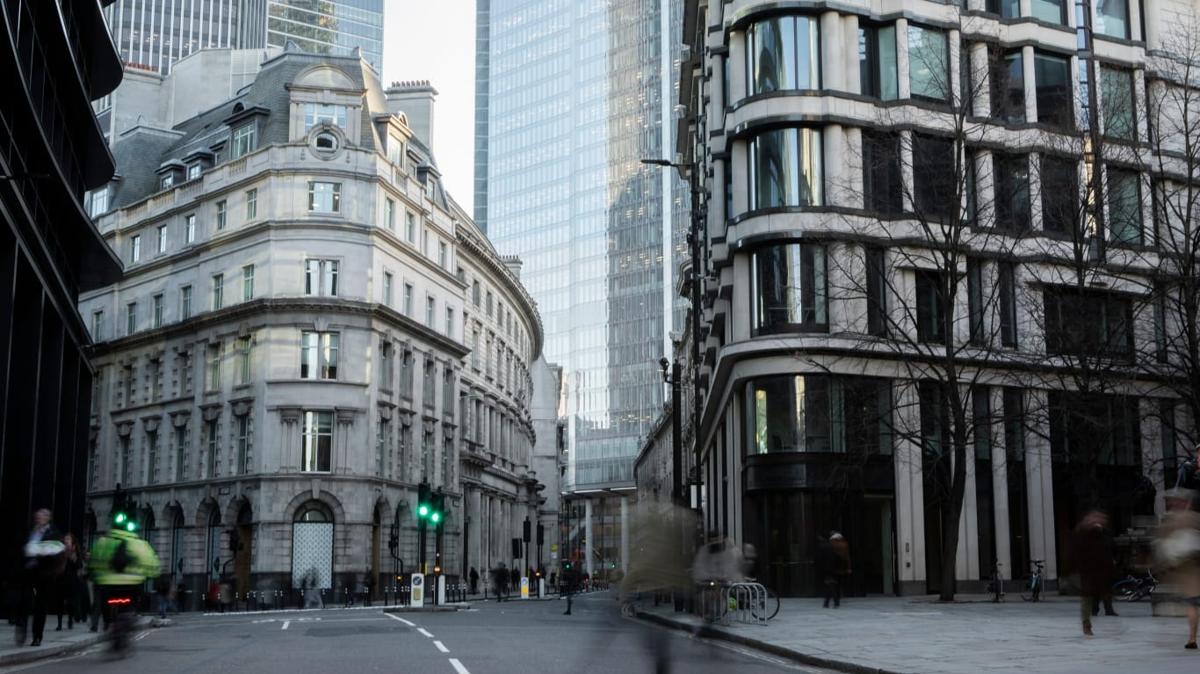
While luxury districts like Mayfair, Knightsbridge, and Belgravia are stalling, several secondary London neighbourhoods are telling a very different story. Areas once dismissed as fringe locations are becoming genuine hotspots. Savills' 2026 outside-prime tracker has covered the rotation neighbourhood by neighbourhood.
Take Hackney as the clearest example. Once overshadowed by central zones, it has transformed into one of London's most dynamic markets, with average home prices rising by around 6 per cent year on year. Rental yields often exceed 4 per cent, which makes it attractive for buyers focused on income rather than postcode prestige.
Wandsworth is another standout. Known for family-friendly appeal and generous green spaces, it has benefited from consistent domestic demand, and its relative affordability compared with prime central areas gives it more room for sustainable long-run growth. Victoria Park and East London more broadly have also attracted consistent interest from regeneration projects, new transport infrastructure, and a younger demographic.
| Neighborhood | Avg. Price Growth (YoY) | Rental Yields |
|---|---|---|
| Hackney | ~6% | 4–4.5% |
| Wandsworth | ~5% | 3.5–4% |
| Victoria Park / East London | ~5–6% | 4–5% |
| Stratford | ~7% | 4.5–5% |
| Greenwich / Woolwich | ~6% | 4.5% |
| Peckham | ~5% | 4–4.5% |
| Brixton | ~4–5% | 4% |
| Tottenham / Seven Sisters | ~7%+ | 5% |
Why secondary areas are attracting more buyers
The rise of secondary London neighbourhoods is not a passing trend. Several structural forces are making them more appealing, and the Financial Times Property pages have tracked the shift through 2024 and 2025. Affordability is the single biggest driver.
With prime central properties often priced at £3,000 to £5,000 per square foot, many buyers are priced out or unwilling to pay those premiums. Secondary areas like Hackney or Wandsworth can still offer homes at 40 to 60 per cent less per square foot while delivering strong lifestyle benefits. Rental yields outside the luxury core are also more competitive, with many secondary areas generating 4 to 5 per cent gross.
The Elizabeth Line has cut travel times across East and West London, making places like Stratford and Woolwich genuinely attractive for residents and investors alike. As a senior Savills analyst recently observed, the definition of prime in London is evolving, and buyers are less focused on postcode prestige and more focused on long-term value.
International buyers and domestic demand are rebalancing London housing
The rebalancing is being shaped by both international and domestic forces in very different ways. Foreign buyers have historically been the backbone of London's luxury housing market, but international investors are now starting to look elsewhere within the city, not necessarily out of it.
A recent Knight Frank report showed that US buyers accounted for nearly a quarter of all prime London purchases in 2025, but a growing share of that activity is now happening outside the ultra-prime zones. Domestic demand has also strengthened in secondary neighbourhoods, where rising rates and higher living costs have pushed local buyers to seek better value.
That organic domestic demand provides a layer of stability the prime central market has always lacked. It reduces reliance on speculative foreign capital, and a similar interplay between wealthy renters and buyers reshaping another major market is documented in our coverage of wealthy renters driving Manhattan rental prices higher. Christie's International Real Estate's London desk confirms the texture: trophy tenants without trophy purchases.
What this means for buyers
London's luxury property market is going through a genuine repricing, and the smart capital is not waiting for Mayfair to bounce back. It is moving to where the numbers already make sense, both inside London and beyond it.
The buyers we watch are reading the price-per-square-foot gap between Hackney and Knightsbridge and arriving at the obvious conclusion that rental yield plus regeneration upside is a stronger position than prestige plus stagnation. If you are thinking about where European real estate capital is heading next, the Madrid real estate market overview and forecast shows that other cities are actively picking up the investors that London is losing.
We last reviewed this analysis in May 2026.