Rolex versus Breitling is a useful comparison because the two brands occupy genuinely different cultural spaces in modern Swiss watchmaking. They overlap at the upper price band, both anchor the broader tool-watch register, and a non-collector can identify either at twenty paces. The temperaments and the collectors each brand attracts, however, are not the same.
- Rolex and Breitling overlap in tool-watch territory, particularly on aviation and dive references, but the secondary-market dynamics still favour Rolex by a meaningful margin.
- Breitling's post-2017 leadership refresh produced cleaner design language, in-house calibres, and pre-owned programmes that have strengthened collector credibility.
- The Navitimer and Superocean carry genuine aviation and dive heritage, with vintage references trading at increasingly serious money in specialist auction rooms.
- We see Breitling as the most reasonable Rolex alternative in the chronograph tier, offering similar functional capability at a meaningfully lower entry cost.
- Service infrastructure and global brand recognition still favour Rolex, which informs resale flexibility and long-term ownership friction comparisons.
- A collector's shelf often holds both brands when the wearer values aviation heritage, because Breitling answers questions Rolex never set out to address.
- Who is this for?
- Collectors weighing Rolex against Breitling, aviation enthusiasts entering watch collecting, and chronograph buyers comparing tool-watch options.
- What is happening?
- A side-by-side comparison of Rolex and Breitling, covering tool-watch heritage, in-house calibre development, secondary-market dynamics, and brand positioning.
- When did this emerge?
- The current comparison reflects Breitling's post-2017 refresh and the post-2022 Rolex market dynamics that continue to shape secondary pricing.
- Where is this happening?
- Authorised dealers globally stock both brands, with vintage Breitling and Rolex concentrated through specialist auction houses and dedicated dealers.
- Why does it matter?
- Choosing between these brands shapes both the watch you wear and the secondary-market position you hold, which matters across the ownership cycle.
Rolex is the structural anchor of modern watch collecting. Breitling draws the aviation specialists, the mechanical-chronograph enthusiasts, and the buyers for whom pilot-watch heritage matters more than the broader Rolex cultural footprint. The collectors we hear from rarely treat the two as interchangeable.
Where Rolex and Breitling actually sit in 2026
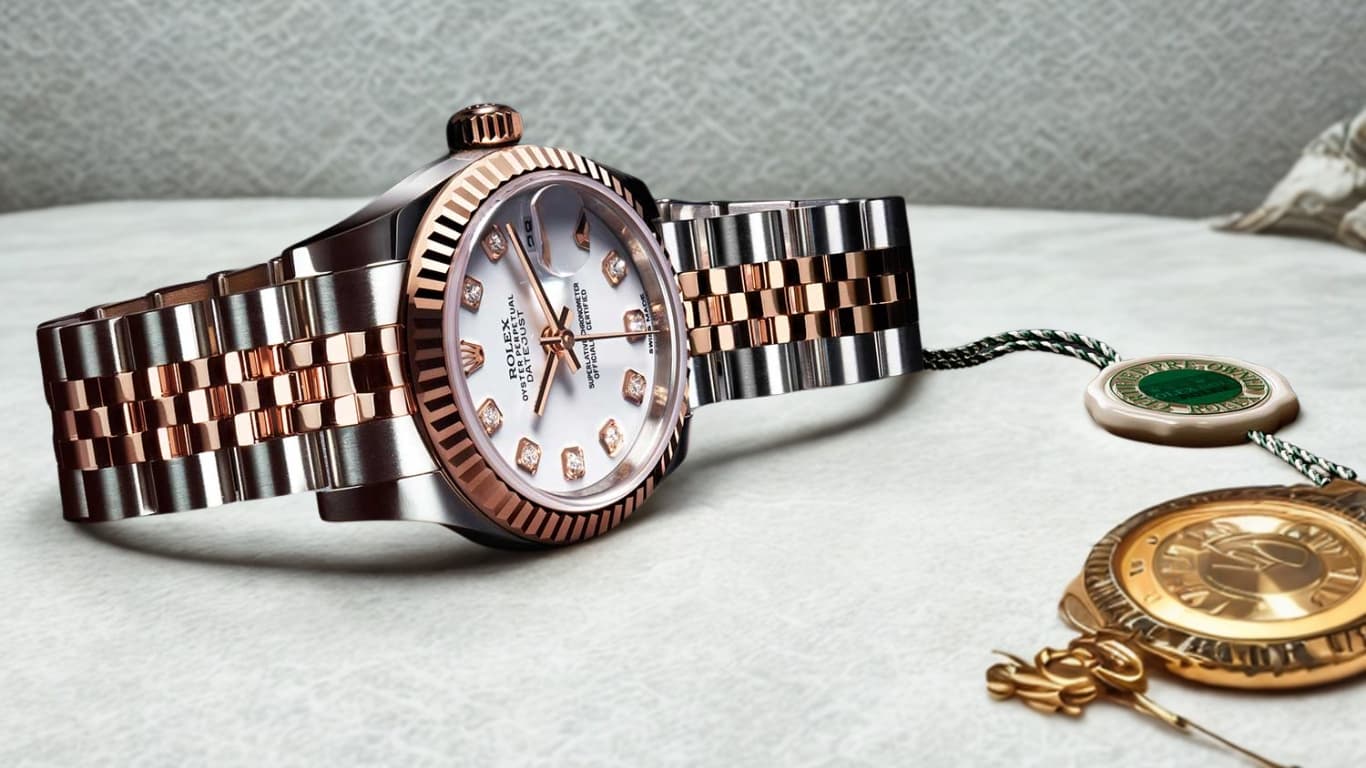
Rolex caps annual production at roughly one million watches globally, by widely cited industry estimate, and runs the deepest secondary market of any modern Swiss brand. The Submariner, GMT-Master II, Daytona and Datejust references make up the bulk of pre-owned trading. Allocation discipline at the boutique level keeps secondary premiums structurally elevated for the most-sought references.
Pricing across the modern Rolex catalogue runs from around $7,000 (Oyster Perpetual) through $80,000-plus on precious-metal sport references and into bespoke territory in solid platinum. Chrono24 and WatchCharts have been useful real-time references for tracking how these premiums move year to year. Both platforms show Submariner and Daytona references at sustained premiums above retail.
Breitling produces substantially more watches annually than Rolex, in the broad ballpark of 100,000 to 150,000 per year depending on the cycle. Distribution is wider, allocation friction at the boutique level is lower, and pricing runs from around $4,000 on entry chronographs through $20,000 to $30,000 on the more complicated Navitimer and Premier references.
Georges Kern's repositioning since 2017 has tightened the catalogue, brought back the heritage references with credible execution, and re-established Breitling as a serious modern watchmaker rather than the marketing-led brand it had drifted toward in the 2010s.
The defining references on each side
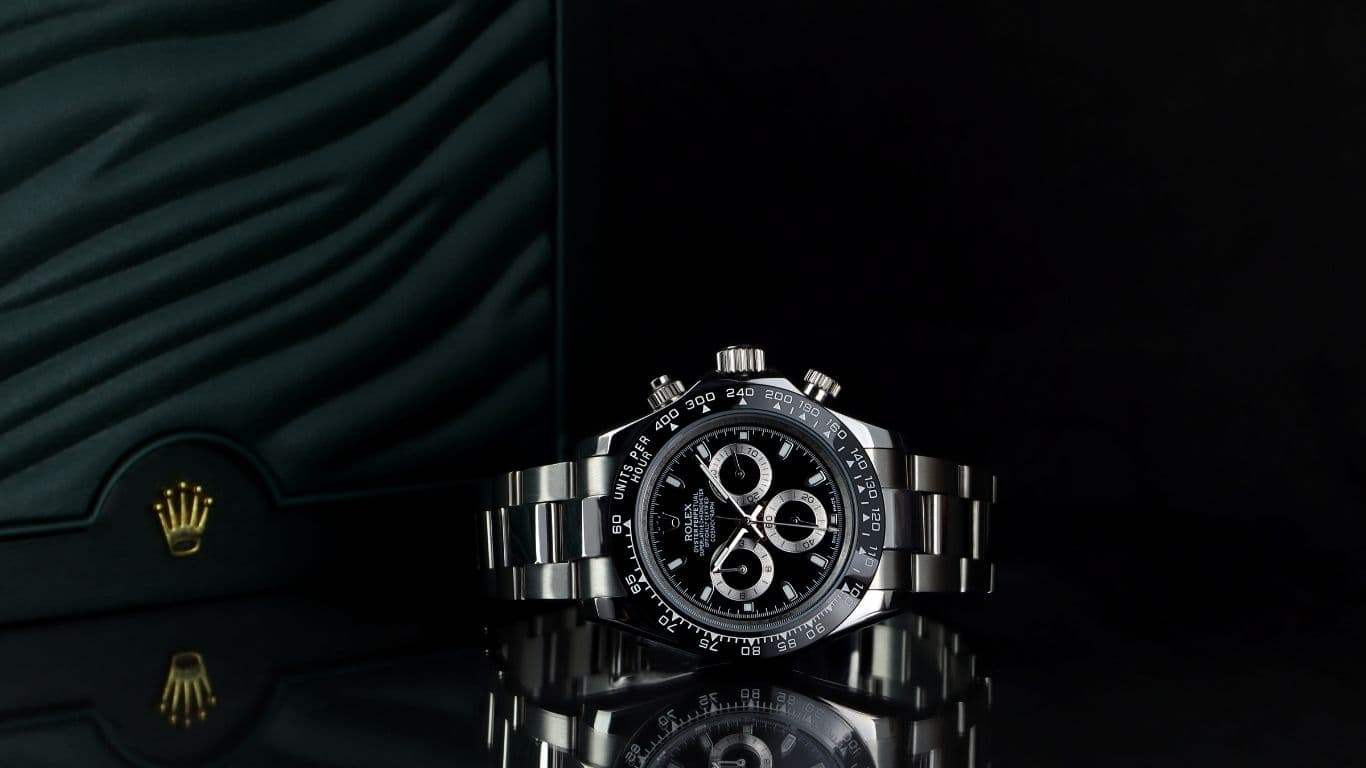
Rolex's defining sport references are the Submariner (current 124060 at around $9,100 retail, secondary $10,500 to $12,000), the GMT-Master II Pepsi (current 126710BLRO at around $10,900 retail, secondary $16,000 to $20,000), and the Daytona (current 126500LN at around $16,500 retail, secondary $24,000 to $28,000). The Datejust anchors the broader catalogue at lower price points. The Day-Date sits at the dress-watch top of the catalogue, exclusively in precious metals on the President bracelet.
Breitling's defining references are the Navitimer, the Superocean, the Premier, and the Avenger and Endurance Pro at the working tool-watch end. The Navitimer is the watch the brand was effectively built around, designed in 1952 with the slide-rule bezel for aviation calculation; the current B01 Chronograph 43 reference retails around $9,500.
The Superocean handles the dive register and the Premier handles the more contemporary classical chronograph register; the Top Time and various pilot-style references round out the catalogue.
What the secondary market actually shows
Rolex sport references trade at premiums above retail in the pre-owned market. That is the structural condition driven by allocation discipline, and it has held with remarkable consistency across decades. Phillips and Christie's both treat current Rolex sport references as effectively liquid through their major sales.
Breitling references generally trade at or just below retail in the pre-owned market. The structural condition of broader distribution and lower allocation friction produces a different curve, with the Navitimer as the strongest exception. Vintage Navitimers, particularly the 1960s and 1970s manual-wind references with the slide-rule bezel and the Venus 178 movement, trade at meaningful collector premiums when clean examples surface.
The depreciation curve on modern Breitling is the practical caution. Most current production loses 30 to 40 percent of retail in the first few years on the secondary market, which is the normal pattern for brands that aren't supply-constrained. Collectors who buy Breitling on the secondary market five to seven years post-release tend to do better on a value basis than collectors who buy at boutique retail.
Where serious collectors choose each
The Rolex case is straightforward. The collector who wants the deepest secondary-market depth, the broadest brand recognition, and the most structurally consistent design language across decades chooses Rolex. The structural premium and the boutique allocation friction are the cost of the brand's market position; for collectors who can navigate the allocation game patiently, the premium is generally worth paying.
The Breitling case is more specific. The collector drawn to mechanical chronographs, to genuine aviation-watch heritage, or to the particular register Breitling occupies (bigger cases, slide-rule bezels, the visual language of the working pilot watch) chooses Breitling. The vintage Navitimer collecting community is one of the more interesting niches in modern watch collecting; the modern Navitimer in the B01 reference is a credible contemporary execution of that heritage.
What this means for collectors building both
Most serious collections include both, eventually. The collectors who start with a Submariner and build out into the broader Rolex catalogue often add a Navitimer or Premier later for the chronograph register Rolex doesn't really cover well below the Daytona price point. The collectors who start with a Navitimer and build out into the Breitling catalogue often add a Submariner or GMT-Master II for the everyday wear register Breitling's larger cases don't fit as well.
The mistake either way is treating the choice as zero-sum. The brands serve different temperaments and different registers; the collector who reads honestly to their own preferences tends to make the right choice for them, regardless of which way it goes. Hodinkee, Phillips and the major specialist dealers all give both brands serious page space; the collector conversation in 2026 has comfortably accommodated both for years.
We last reviewed this analysis in May 2026.

Frequently Asked Questions
- Which brand offers better resale value?
- Rolex offers better resale value. Its scarcity, demand, and universal appeal make it one of the top-performing watch brands on the secondary market.<br><br>

Stefanos Moschopoulos
Stefanos Moschopoulos founded The Luxury Playbook in Athens and has spent the better part of a decade following the auction calendar, the en primeur releases, and the watchmakers, gallerists, and shipyards the magazine covers. He writes the field guides and listicles that anchor the Connoisseur section — pieces built on Phillips and Christie's results, Liv-ex movements, and conversations with collectors he has met across Geneva, Bordeaux, Basel, and Monaco. His own collecting habits sit closer to watches and wine than art, and it shows in the level of detail in the magazine's coverage of those categories. Under his direction, The Luxury Playbook now publishes long-form field guides, market-defining year-end listicles, and the Voices interview series with the founders behind the houses and the brands.