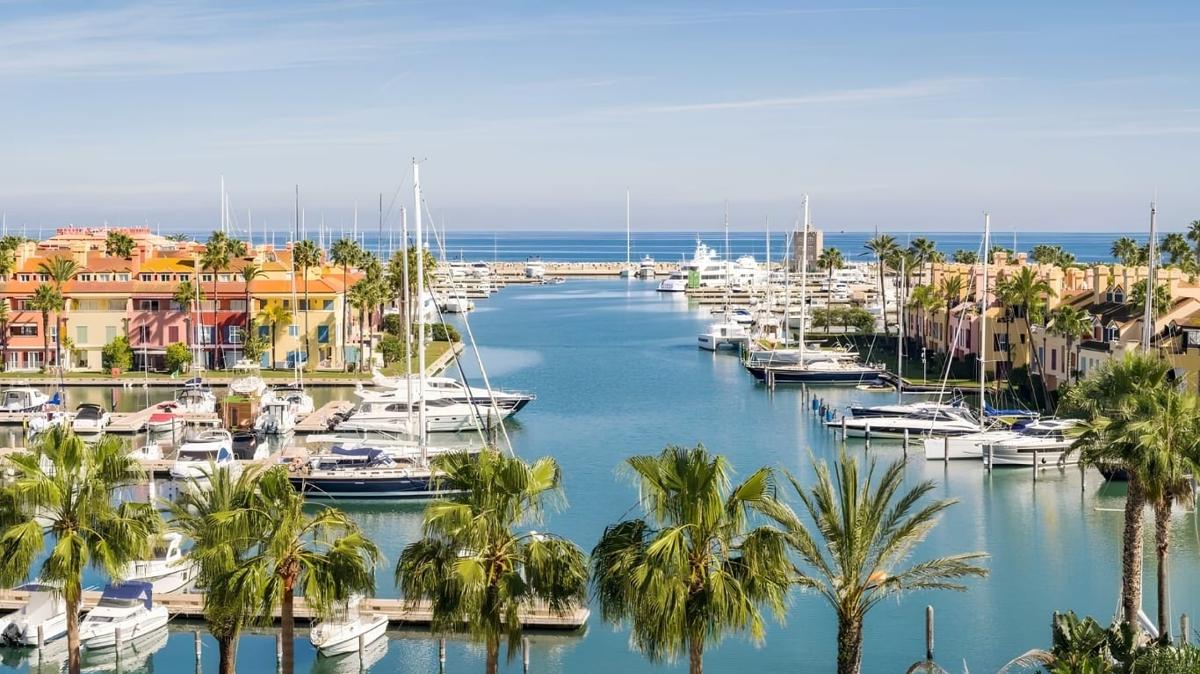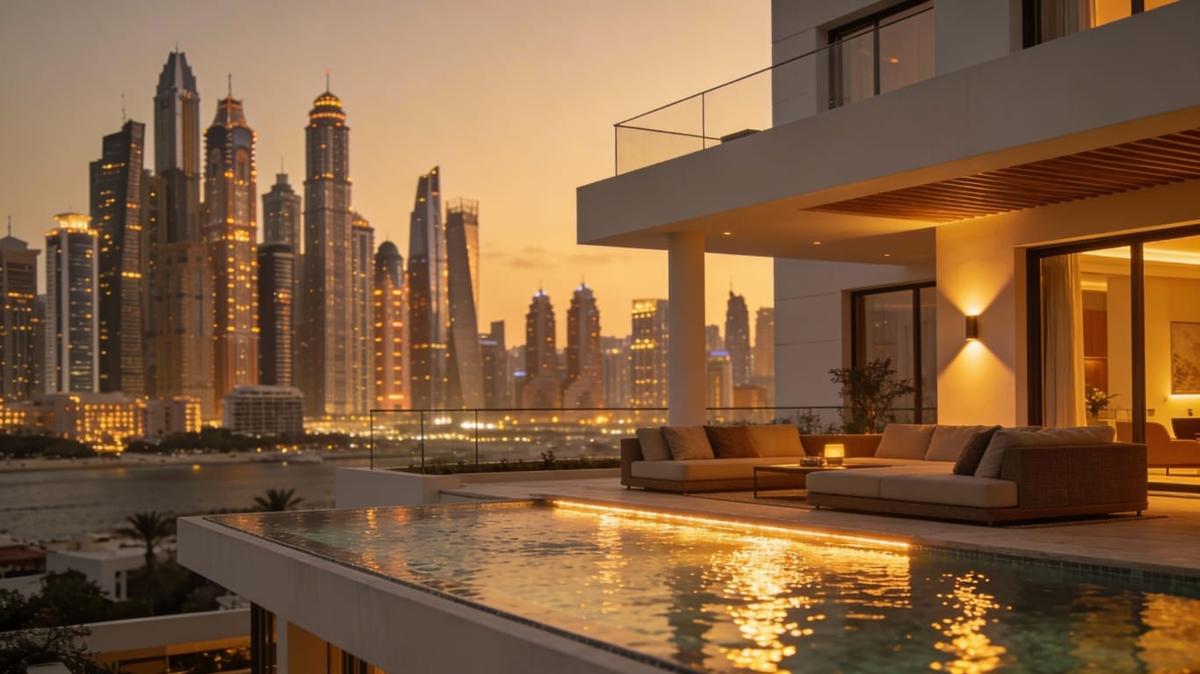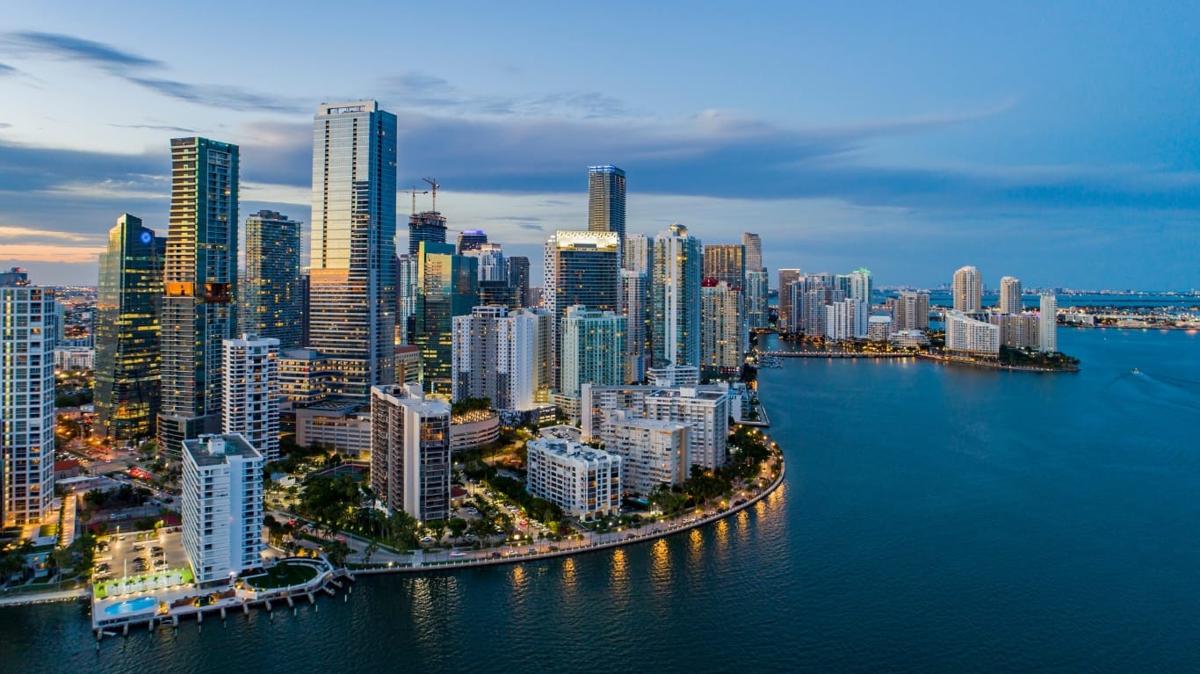
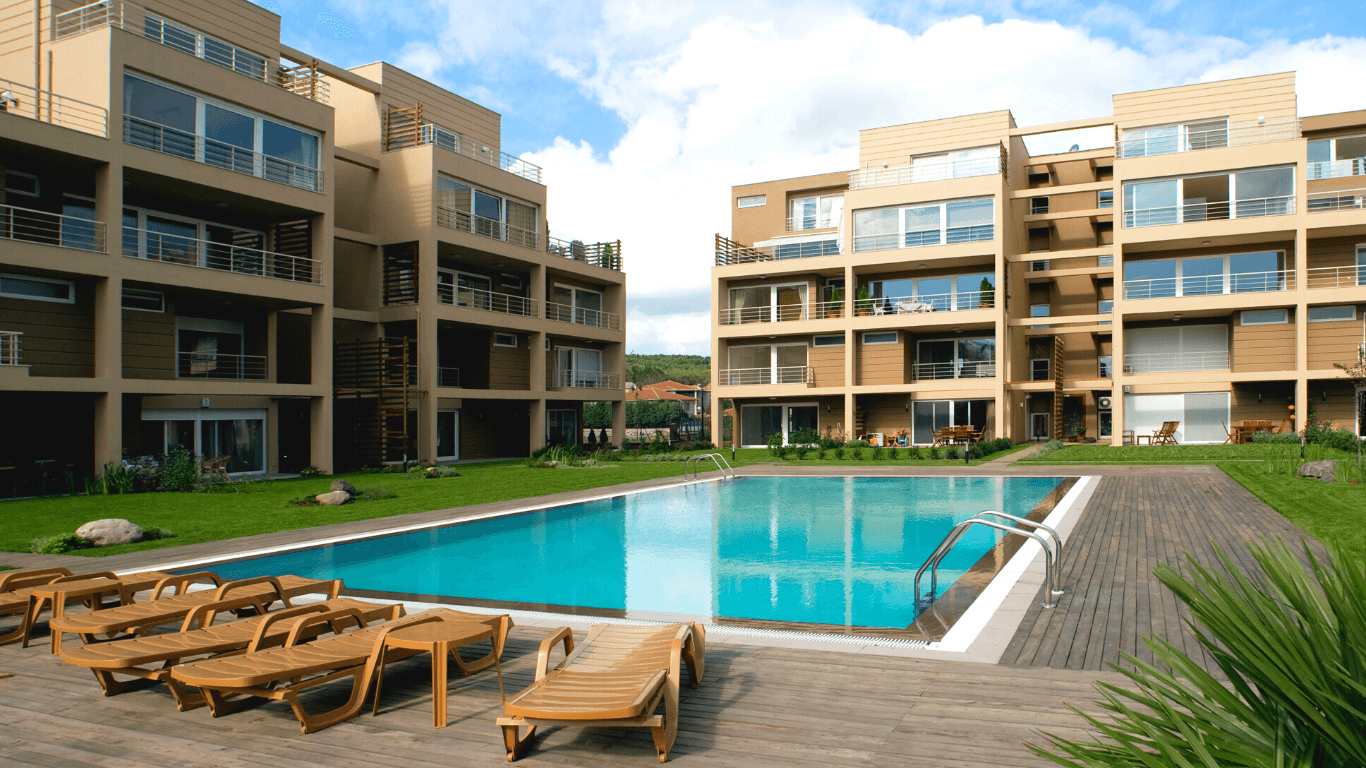
Ten property markets have been quietly defining 2026 outside the trophy postcodes of Mayfair, Cap d'Antibes or Indian Creek Island. We cover the cities and regions that combine accessible pricing with the architectural depth, cultural register and infrastructure trajectory that the design-led international buyer is increasingly tracking. Knight Frank's Wealth Report, Mansion Global's coverage of secondary cities and the Sotheby's International Realty Luxury Outlook all register these markets as the ones where international buyer migration has been concentrating outside the headline prime tier.
What follows is an editorial read on each. We draw from the architectural inheritance, the cultural infrastructure, the brokerage networks operating on the ground, and the Savills World Cities Prime tracker for the contextual pricing.
The accessibility framing matters. Compared with Mayfair (around GBP 30,000 to GBP 40,000 per square metre), Monaco (near EUR 55,000 per square metre) or Dubai Marina (around AED 22,000 per square metre, roughly EUR 5,500), the ten markets below sit in genuinely different categories.
- The ten most affordable property markets defining 2026 span emerging European, Latin American and Asian destinations offering distinctive value combinations for international buyers.
- We see selected Portuguese, Greek and Italian secondary cities continuing to offer accessible entry pricing alongside steady infrastructure investment.
- Latin American markets including Mexico City, Medellin and Buenos Aires offer attractive yields and lifestyle profiles, with currency dynamics adding to the relative-value arguments.
- Southeast Asian markets including Phuket, Bali and Kuala Lumpur continue to attract international interest, with foreign ownership frameworks varying meaningfully across jurisdictions.
- Knight Frank Wealth Report and JLL Global Cities data inform our understanding of the cross-market affordability dynamics, with regional variations remaining material.
- For most considered international buyers we view affordability-driven market selection as requiring careful diligence on local ownership rules, tax frameworks and exit liquidity.
- Who is this for?
- International buyers evaluating affordable global property markets, alongside the advisers, brokers and family office staff framing cross-border allocation decisions.
- What is happening?
- A read of the ten affordable property markets defining 2026, covering European secondary cities, Latin American capitals and Southeast Asian destinations.
- When did this emerge?
- The article reflects 2026 market conditions through Knight Frank Wealth Report, JLL Global Cities and our cross-market observations.
- Where is this happening?
- The piece covers a cross-section of global markets including Portuguese, Greek and Italian secondary cities, Latin American capitals and Southeast Asian destinations.
- Why does it matter?
- Affordable market selection requires structural understanding of local rules and dynamics, which is why upfront diligence pays back across cross-border acquisition decisions.
1. Boise, Idaho
Boise has been one of the fastest-growing American cities of the past decade. The median home price sits around USD 464,578 (accessible compared to Seattle, Portland or San Francisco, but no longer the bargain it was in 2018). The architectural register includes the North End's Craftsman houses, the Hyde Park district, the Boise Bench mid-century stock and the contemporary developments around Harris Ranch.
The economic anchor runs across technology (HP, Micron Technology, Clearwater Analytics), healthcare and a substantial state-government workforce. Mansion Global has covered the Boise migration story in detail.
2. Indianapolis, Indiana
Indianapolis sits at one of the most accessible mid-major US price points. Median home price around USD 180,000. The architectural inheritance includes the Lockerbie Square historic district, the Old Northside, the Italianate and Queen Anne stock of Irvington, and the Broad Ripple bungalow neighbourhoods.
The economic base spans Eli Lilly's pharmaceutical operations, Salesforce, Cummins and the Indianapolis 500 motor-sports cluster. Mansion Global's coverage has tracked the Meridian-Kessler and Broad Ripple markets as drawing the most consistent design-led buyer interest.
3. Lisbon, Portugal
Lisbon has been one of the most consistent European success stories of the past decade. The Pombaline Lower Town, the Príncipe Real and Lapa neighbourhoods and the Avenidas Novas anchor the prime conversation. Average price per square metre sits around EUR 4,000, substantially below Madrid, Paris or Berlin.
The Manuel Aires Mateus / Amanda Levete-designed MAAT, the Beato Innovation District and the Comporta beach commissions led by Studio KO and Vincent Van Duysen have given the city a contemporary architectural register that complements its eighteenth-century core. The Portuguese Golden Visa programme removed the real-estate purchase pathway in October 2023, but retained venture-capital fund and other non-property routes (current threshold around EUR 500,000 for the qualifying fund investment).
4. Medellín, Colombia
Medellín's transformation over the past two decades has been documented carefully. The Metrocable system, the Library Park network (including Giancarlo Mazzanti's Biblioteca España) and the integrated public-realm work that turned the city into a UN-recognised model of urban regeneration.
The average price per square metre sits at roughly USD 1,500, with El Poblado, Laureles and Envigado anchoring the prime conversation. The architectural register includes the colonial-era buildings of the Centro and the contemporary Botero-influenced civic architecture.
5. Berlin, Germany
Berlin remains one of the more architecturally legible European capitals at an accessible price point. Average price per square metre around EUR 5,500. The Mitte, Kreuzberg, Charlottenburg and Prenzlauer Berg districts each carry distinct architectural inheritance.
The pre-war Wilhelmine apartment blocks sit alongside contemporary commissions by David Chipperfield (the Neues Museum, the James-Simon-Galerie) and Sauerbruch Hutton. The city's cultural calendar (the Berlinale, the Berlin Philharmonic, the contemporary art scene) anchors a buyer pool drawn from across Europe and the US.
6. Istanbul, Turkey
Istanbul's prime-residential picture combines the Bosphorus waterfront historical mansions (the yalı stock), the contemporary Beşiktaş and Şişli developments, and the Anatolian-side districts (Kadıköy, Bağlarbaşı). Average price per square metre sits at approximately USD 1,200.
Architectural Digest's Istanbul coverage has tracked the contemporary commissions by Han Tümertekin, EAA-Emre Arolat Architecture and Tabanlıoğlu Architects in detail. The Turkish Citizenship-by-Investment programme has been a meaningful contributor to international demand.
7. Cape Town, South Africa
Cape Town's Atlantic Seaboard (Camps Bay, Clifton, Bantry Bay, Bishopscourt) remains one of the most architecturally distinctive prime markets in Africa. Average price per square metre around USD 2,200, with prime addresses substantially higher.
SAOTA, Stefan Antoni and Greg Wright Architects have produced some of the most architecturally ambitious contemporary residential work on the continent. The Atlantic Seaboard combination of climate, ocean views, restaurant culture, and the Robben Island and Table Mountain natural infrastructure anchors a sustained international buyer pool.
8. Kuala Lumpur, Malaysia
Kuala Lumpur combines accessible pricing (average price per square metre around USD 2,500) with the contemporary architectural inheritance of César Pelli's Petronas Towers, Norman Foster's KL Tower work and the contemporary residential commissions clustered around the KLCC, Bukit Bintang and Mont Kiara districts.
The Malaysia My Second Home (MM2H) programme provides long-term residency at accessible thresholds, recently revised with three new tiers (Silver, Gold, Platinum) and minimum offshore income and time-spent-in-country requirements.
9. Athens, Greece
Athens has emerged as one of the most consistently active European secondary cities. Average price per square metre around EUR 2,000. The Athenian Riviera (Glyfada, Vouliagmeni, Lagonissi), the Kolonaki district, the Plaka heritage core and the Hellinikon redevelopment (the Sasaki / Foster + Partners-led masterplan, one of the largest urban regeneration projects in Europe) have anchored substantial international buyer activity.
The Greek Golden Visa programme thresholds (EUR 250,000 in qualifying regions, EUR 800,000 in central Athens, Thessaloniki, Mykonos and Santorini from August 2024) shape buyer composition at the entry-tier. The Cycladic island commissions by AKKA Architects, K-Studio and Kapsimalis have produced some of the most architecturally interesting Mediterranean residential work.
10. Chiang Mai, Thailand
Chiang Mai sits at one of the most accessible price points in Southeast Asia. Average price per square metre around USD 1,000. The architectural inheritance includes the Old City heritage core, the Lanna-style temples and traditional teak houses, and the contemporary Nimman district where the design-led residential commissions cluster.
The city's cultural calendar (Yi Peng, Songkran, the year-round festival programme) and the broader Northern Thailand creative-industries cluster anchor a sustained international demographic of designers, writers, remote professionals and retirees.
What unites these ten markets
Each market combines accessible pricing with structural depth. Architectural inheritance, cultural infrastructure and an economic base that supports buyer demand across cycles. None reads as a speculative play.
Knight Frank's Wealth Report tracks each as drawing an increasing share of international relocation interest. The Sotheby's International Realty Luxury Outlook supports the picture, as does the Christie's International Real Estate coverage of secondary-city markets.
The cohort of buyers concentrating attention on these markets in 2026 is unusually consistent: design-literate, focused on architecture and cultural register, willing to take the time to learn the local broker network and source restoration projects rather than turnkey new-builds.
The studios most active across these markets (Studio KO, Vincent Van Duysen, SAOTA, Stefan Antoni, AKKA, K-Studio, Kapsimalis, EAA-Emre Arolat, Han Tümertekin) are the through-line that makes the design-led buyer migration cohere architecturally.
How these markets compare on pricing
The ten markets above sit between USD 1,000 per square metre (Chiang Mai) and roughly EUR 5,500 (Berlin) at the entry-prime tier. That puts the cohort at between three and forty times below Mayfair (around GBP 30,000 to GBP 40,000 per square metre) and even further below Monaco prime (near EUR 55,000 per square metre according to Savills's World Cities Prime tracker).
Dubai Marina prime trades near AED 22,000 per square metre (around EUR 5,500), comparable to Berlin at the upper end of the affordable cohort. The Greek Golden Visa thresholds and the Portuguese fund-investment pathway sit in entirely different categories: residency routes priced at fixed thresholds rather than per-square-metre comparisons.
What this means for buyers
The ten markets above reward the buyer who treats real estate as a long-term cultural and architectural commitment rather than a financial allocation. Architectural pedigree and locational specificity come first. The legal and tax structuring follows, in conversation with specialist counsel.
For international buyers mapping the global cohort, these are the cities where the design-led migration has been concentrating. They sit alongside the trophy markets covered in the deeper wealth-tier conversation rather than competing with them.
We last reviewed this analysis in May 2026.
Frequently asked
What unites the ten markets above?
Accessible entry pricing, distinctive architectural inheritance, dense cultural infrastructure and an economic base that supports buyer demand across cycles. None reads as a speculative play.
Which cities have residency-by-investment pathways?
Portugal (now via fund investment, not direct property), Greece (Golden Visa, EUR 250,000 to EUR 800,000 depending on region), Turkey (Citizenship by Investment) and Malaysia (MM2H, revised with Silver, Gold and Platinum tiers).
How do these markets compare with Mayfair, Monaco and Dubai Marina?
The ten markets sit between three and forty times below Mayfair on a per-square-metre basis. They are accessible-pricing plays, not trophy-market alternatives. Emerging-market coverage goes deeper on the highest-conviction positions.
Which markets are seeing the most consistent design-led buyer interest?
Lisbon, Berlin, Cape Town, Athens and Chiang Mai have been drawing the most consistent design-led international migration. The cohort of buyers tends to focus on restoration projects rather than turnkey new-builds.
Where does rental-yield analysis fit?
The European rental-tier coverage goes deeper on the income side. For the design-led, primary-residence buyer, the architectural and cultural cases are the durable assets rather than the cap-rate calculation.