
The conversation about where the world's wealthy are buying property in 2026 is more granular than it has ever been. Knight Frank's 2025 Wealth Report tracked record cross-border activity at the prime end, with the wealthiest buyers concentrating on a smaller number of cities and second-home destinations than in any previous cycle. Mansion Global's 2025 prime cities dispatch told a similar story.
Below, the addresses and the texture: what's actually drawing buyers, who is landing where and which neighbourhoods are doing the most interesting work.
- The world's wealthy continue to concentrate property acquisition in established prime markets including Dubai, Monaco, London, New York, Hong Kong and the Cote d'Azur trophy arc.
- We see Knight Frank Wealth Report data showing sustained ultra-high-net-worth capital flows into these established centres, with the buyer mix continuing to diversify.
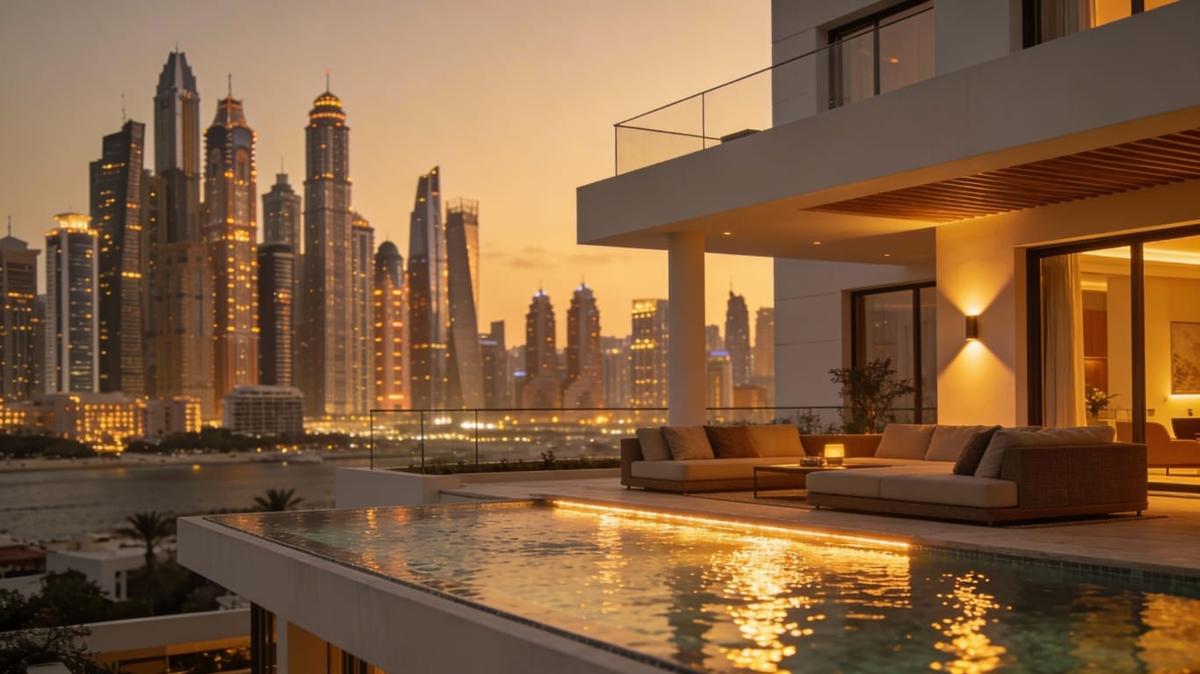
- Dubai has emerged as the most dynamic of the global prime markets in recent cycles, with sustained transaction volume at the top end of the residential segment.
- Monaco remains the most exclusive of the European trophy markets, with prices per square metre routinely setting global benchmarks for residential stock.
- New York, London and Hong Kong continue to anchor the global financial-centre prime markets, with comparable benchmarks at the trophy tier.
- For most considered ultra-high-net-worth buyers we view geographic diversification across multiple prime centres as a foundational portfolio approach rather than concentration in single markets.
- Who is this for?
- Ultra-high-net-worth international buyers tracking global allocation patterns, alongside the advisers, brokers and family office staff framing those cross-border decisions.
- What is happening?
- A read of where the world's wealthy are buying property in 2026, covering Dubai, Monaco, London, New York, Hong Kong and the Cote d'Azur trophy arc.
- When did this emerge?
- The article reflects 2026 market conditions through Knight Frank Wealth Report and JLL Global Cities data alongside our observations.
- Where is this happening?
- The piece covers the global trophy property complex, including Dubai, Monaco, London, New York, Hong Kong and the Cote d'Azur.
- Why does it matter?
- Ultra-high-net-worth allocation patterns shape pricing at the global trophy tier, which is why understanding the flows matters for anyone tracking the upper end of the market.
The big five: London, New York, Paris, Singapore, Dubai
Five cities now do most of the global prime work. London (Mayfair, Belgravia, Knightsbridge, Chelsea, Holland Park) remains the historic continuity address. New York's Upper East Side, the West Village, Tribeca and the new prime towers along Park Avenue South hold the American cap of the conversation.
Paris (the 7th, 16th, 6th and a deepening 4th) has reasserted itself as continental Europe's most international city. Singapore (Orchard, the Good Class Bungalow zones, Sentosa Cove) anchors Asian prime. Dubai (Palm Jumeirah, Emirates Hills, Dubai Hills, Downtown) has earned its place at the table through institutional maturation, brand-residence depth and a regulatory framework that now cleans transactions in days.
What unites the five is operational depth. Estate agencies with decades of off-market relationships, architects with institutional records and prime-buyer infrastructure (private banks, schools, embassies, hospitals, cultural anchors) all compound over generations. Buyers who land in any of the five enter a market with established texture rather than a frontier.
European deepeners: Madrid, Milan, Lisbon, Geneva, Zurich
Below the top five, a second tier of European cities has done meaningful work in the past five years. Madrid has been the breakout. Knight Frank's 2025 figures put it among the top-three European prime markets for capital growth, anchored by the Salamanca district and a buyer field heavy on Latin American demand.
Milan's Brera and Quadrilatero districts have absorbed a wave of fashion-and-finance buyers. Engel & Völkers and Christie's International Real Estate dominate the upper book in both cities. Lisbon's Príncipe Real, Lapa and Estrela quarters continue to draw a younger international wave despite the Golden Visa changes, with the property threshold revisions that took effect in late 2023 reshaping the lower tier rather than the prime band.
Geneva and Zurich hold their century-old positions as the discreet Swiss option for wealthy families with pan-European bases. Lex Koller still restricts non-resident acquisitions, and the family-office layer in both cities anchors the structural prime market more than any individual transaction.
Trophy second-homes across two continents
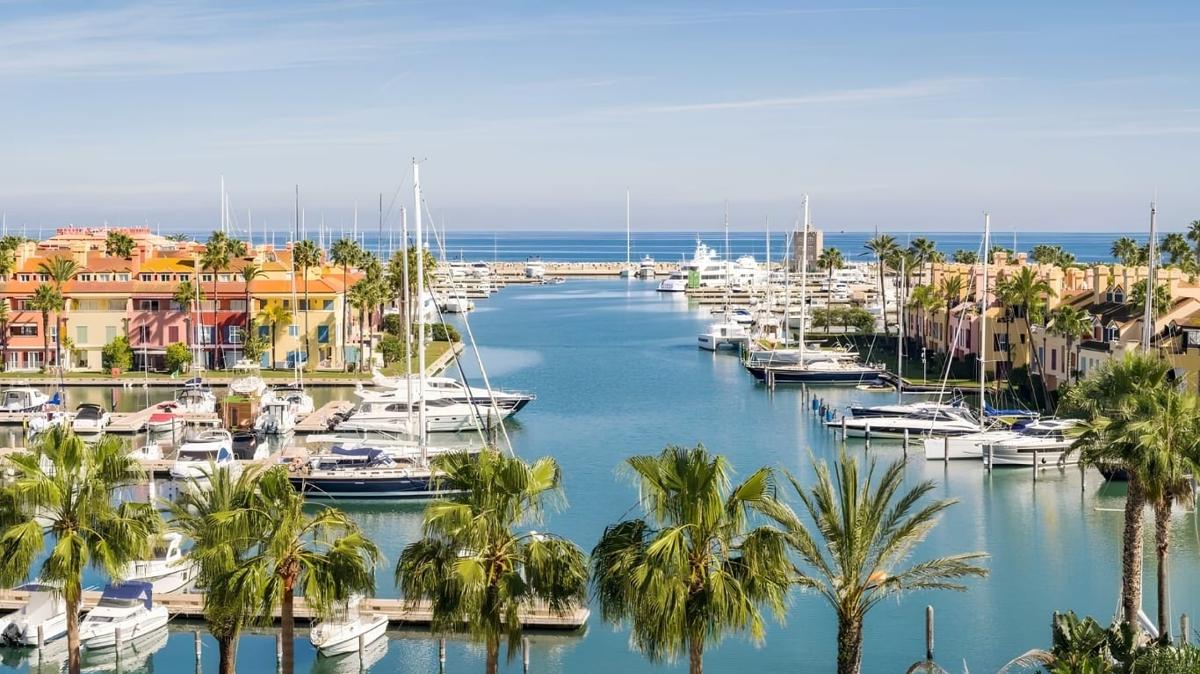
The second-home conversation has matured. The Côte d'Azur (Cap Ferrat, Cap d'Antibes, Saint-Jean-Cap-Ferrat) remains the architectural top of European seaside prime. The Balearic Islands, particularly Mallorca's Tramuntana coast and Ibiza's southern villas, have become the architectural deep end.
The Cotswolds, Provence and Tuscany hold the European country-house appetite. In the US, the Hamptons (East Hampton, Bridgehampton, Sagaponack), Aspen, Jackson Hole and Telluride hold the trophy mountain-and-coast addresses. Sotheby's International Realty and Christie's International Real Estate run the most institutionally credible books across these geographies.
Knight Frank put the global second-residence wealthy-household count at roughly 60% of UHNW households globally in its 2025 Wealth Report. That figure has roughly doubled since 2010.
Asian prime and the Tokyo reset
Hong Kong's prime (the Peak, Repulse Bay, Deep Water Bay) has absorbed regulatory turbulence but the trophy segment continues to trade. Tokyo's Hiroo, Azabu and Roppongi districts have absorbed serious foreign demand for the first time in two decades. Mansion Global tracked record international buyer activity in 2025.
Singapore's Good Class Bungalow zones (areas like Holland Park, Tanglin and the Bukit Timah belt) remain the most exclusive single-family-residence segment in Asia by transaction count. The cohort is finite, and the regulatory framework strictly polices changes to it. That scarcity is the entire commercial argument.
The new prime: Athens, Lisbon revisited, Riyadh, Doha
What is interesting in 2026 is the cities that have moved from "secondary" to "prime" inside the wealthy buyer's mental map. Tokyo's neighbourhoods are absorbing more international demand than at any point in modern Japanese real-estate history. Athens (the Riviera strip from Glyfada through Vouliagmeni, Kolonaki and the islands) has become a serious prime conversation, anchored by branded residences (Four Seasons Astir Palace, the Mandarin Oriental Costa Navarino) and a reset of the post-2010s Greek market.
Lisbon's quieter prime, beyond the Golden Visa cohort, continues to draw owner-occupiers who want a Portuguese base. Riyadh and Doha have entered the prime conversation. Riyadh's Diplomatic Quarter and the new neighbourhoods around Roshn's Sedra masterplan have absorbed serious internal-Saudi and regional Gulf demand.
Doha's Pearl, the Lusail neighbourhoods and the Place Vendôme-adjacent quarters have done similar work. What is emerging is a multi-city Gulf prime story rather than a single-Dubai narrative.
The Americas beyond New York and Miami
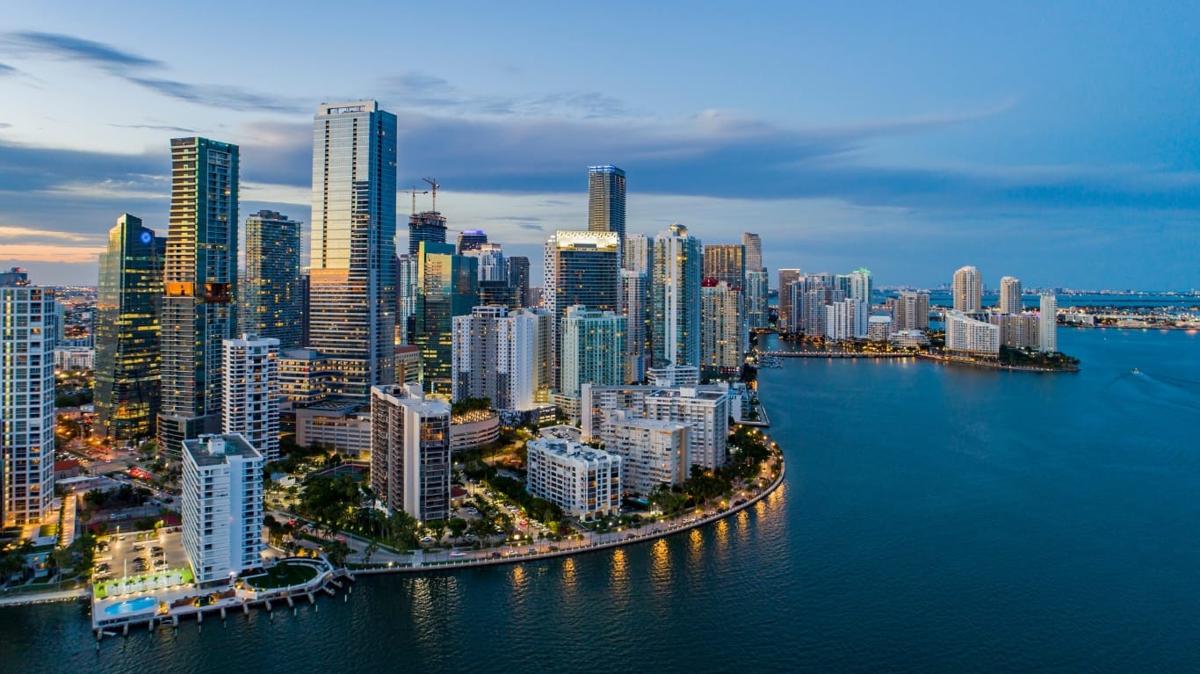
Miami remains the second American prime, particularly along the Beach (Sunny Isles, Bal Harbour) and the new prime towers in Brickell. Los Angeles (Bel-Air, Beverly Hills, Holmby Hills, Malibu, Pacific Palisades) continues to anchor the West Coast prime. The breakout in 2025 has been the mountain west.
Park City, Telluride and Jackson Hole have absorbed a generation of branded resort residences (Auberge, Aman, Caldera House) that have anchored the trophy second-home conversation. Sotheby's International Realty's mountain desk reports record per-square-foot pricing on Aspen West End trophies in the 2024-2025 cycle.
What unifies the strongest addresses
From the conversations we have with buyers landing across the cities above, the pattern that emerges is not price or yield. It is operational depth. The strongest prime addresses are the ones with mature estate-agency relationships, architects with institutional records, schools and hospitals with global stature and a regulatory framework that produces predictable transactions.
Buyers who choose for those operational signals tend to end up in addresses that hold for generations. Buyers who chase the headline number tend to end up in places that don't hold.
What this means for buyers
The wealthy of 2026 are buying differently than the wealthy of 2010. The cycle has rewarded owners who entered the institutionally-deep prime cities and held through cycles. It has cooled toward owners who chased frontier markets that didn't develop the operational infrastructure to absorb their entry.
The lesson is durable. The addresses that matter are the ones with depth, and depth takes decades to build. For buyers landing in 2026, the question worth asking is which city, which neighbourhood and which architect, then committing to the choice with a multi-year horizon.
That is the way prime property has always worked, and it is the way it continues to work. We last reviewed this analysis in May 2026.