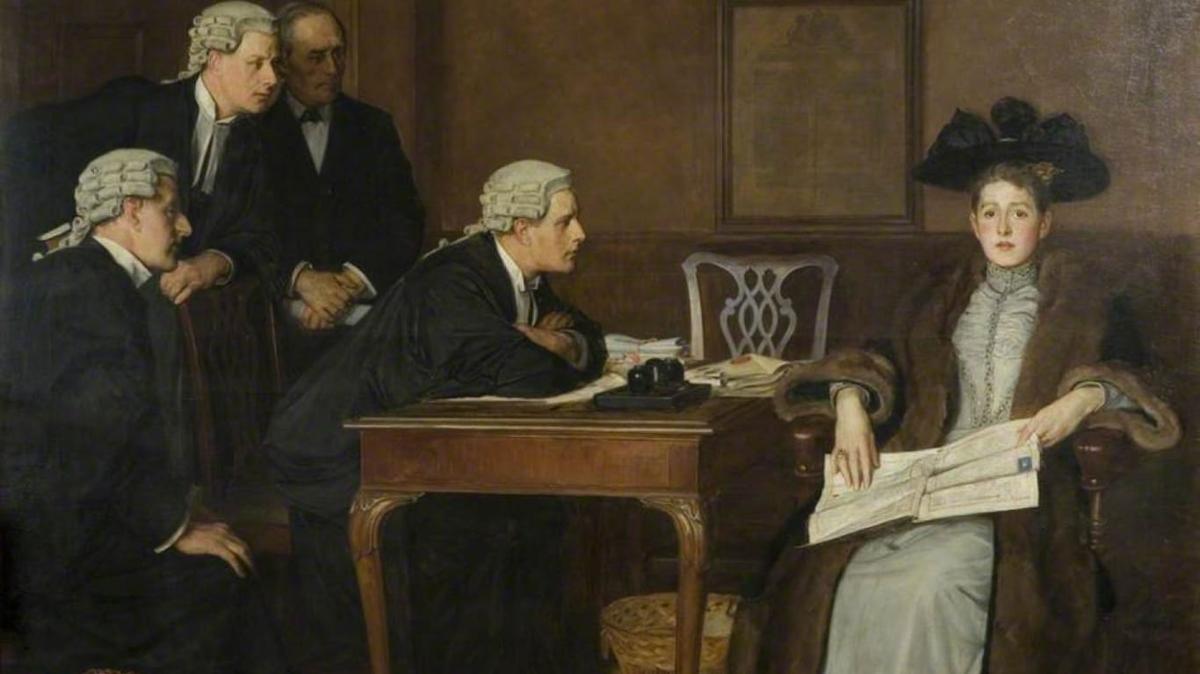
Traditional art was meant to be a sideshow in 2026. The reality is the opposite. The 2025 UBS / Art Basel Global Art Market Report flagged the resilience of the figurative and traditional categories through a year that hammered the speculative end of the contemporary market, and the auction houses' Old Master and 19th-century sales delivered some of the strongest year-over-year results in a decade.
The story is not a single revival. It is a layered re-engagement with five distinct traditional movements, each carrying its own collector cohort, its own price discovery channels, and its own institutional moment.
- Traditional art was meant to be a sideshow in 2026 but the reality is the opposite, with the 2025 UBS and Art Basel report flagging the category’s resilience.
- The Renaissance market has shifted from trophy-lot exceptionalism to a broader engagement with second-tier masters and the school of named workshops.
- The Baroque cohort has run hot, with Caravaggio survey shows at the Galleria Borghese and the National Gallery and Rubens retrospectives at Boijmans Van Beuningen and the Royal Academy.
- Rococo has spent most of the past two decades out of fashion and is now drawing the kind of collector attention that historically precedes a meaningful rerate.
- Neoclassicism remains a structural underweight relative to its art-historical importance, with the cohort offering credible entry points for serious traditional collectors.
- The contemporary figurative revival is the fifth movement, with painters in dialogue with Renaissance, Baroque and academic traditions driving evening-sale results.
- Who is this for?
- Collectors, advisors and curators interested in which traditional art movements are actually carrying the 2026 market and how the categories sit relative to contemporary collecting.
- What is happening?
- An editorial overview of the traditional art movements defining 2026, covering the Renaissance, Baroque, Rococo, Neoclassicism and the contemporary figurative revival.
- When did this emerge?
- Most relevant around the January and July Old Master sales at the major houses and during the parallel contemporary sales where the figurative cohort now appears.
- Where is this happening?
- Centred on the New York and London Old Master salesrooms and the parallel European institutional and gallery network supporting the broader traditional revival.
- Why does it matter?
- Reading the traditional revival correctly matters because the resilience of the category through the recent cycle is genuine and the entry points it offers are credible for 2026 collectors.
The Renaissance, recoded for 2026
The Renaissance market has shifted from trophy-lot exceptionalism to a broader engagement with second-tier masters and the school of named workshops. Christie's and Sotheby's Old Master sales through 2024 and 2025 saw renewed bidding depth on works attributed to Renaissance workshops, period drawings, and the Northern Renaissance cohort that the trophy-driven market had under-rated for years.
Our coverage of Renaissance masters at auction set out the buyer behaviour in detail, and the Renaissance art field guide remains the right starting point for collectors thinking about entry.
The interesting question is no longer whether Renaissance work belongs in a contemporary collection. It is which Renaissance work, at which point in the canon, sits structurally alongside the post-war and contemporary names that anchor most serious 2026 collections.
Baroque: the institutional moment
The Baroque cohort has run hot through the past three seasons. Caravaggio survey shows at the Galleria Borghese and the National Gallery, the Rubens retrospective at the Boijmans Van Beuningen and the Royal Academy, and renewed scholarship around the Spanish Golden Age (Velázquez, Murillo, Zurbarán) have all pushed the institutional momentum forward.
The market has followed with a lag. Major Baroque works trade thinly at the trophy tier and with surprising depth in the second-tier and workshop segments. Our Baroque art collectors' field guide covers the canonical names and the auction venues that anchor the secondary market today.
Rococo: the quiet category
Rococo has spent most of the past two decades out of fashion and is now drawing the kind of collector attention that historically precedes a meaningful re-rate. The Fragonard, Boucher and Watteau market has thinned but has not deepened; major works trade rarely; and the second-tier works are entering institutional collections at a pace that suggests the legitimation cycle is well underway.
The Rococo collectors' field guide sets out the canonical names and the auction depth in detail. The conservative read is that the category is structurally under-priced relative to its institutional record, and the speculative read is that the cohort is the most interesting entry point in the traditional market for a 2026 collector building a position.
Neoclassicism: a structural underweight
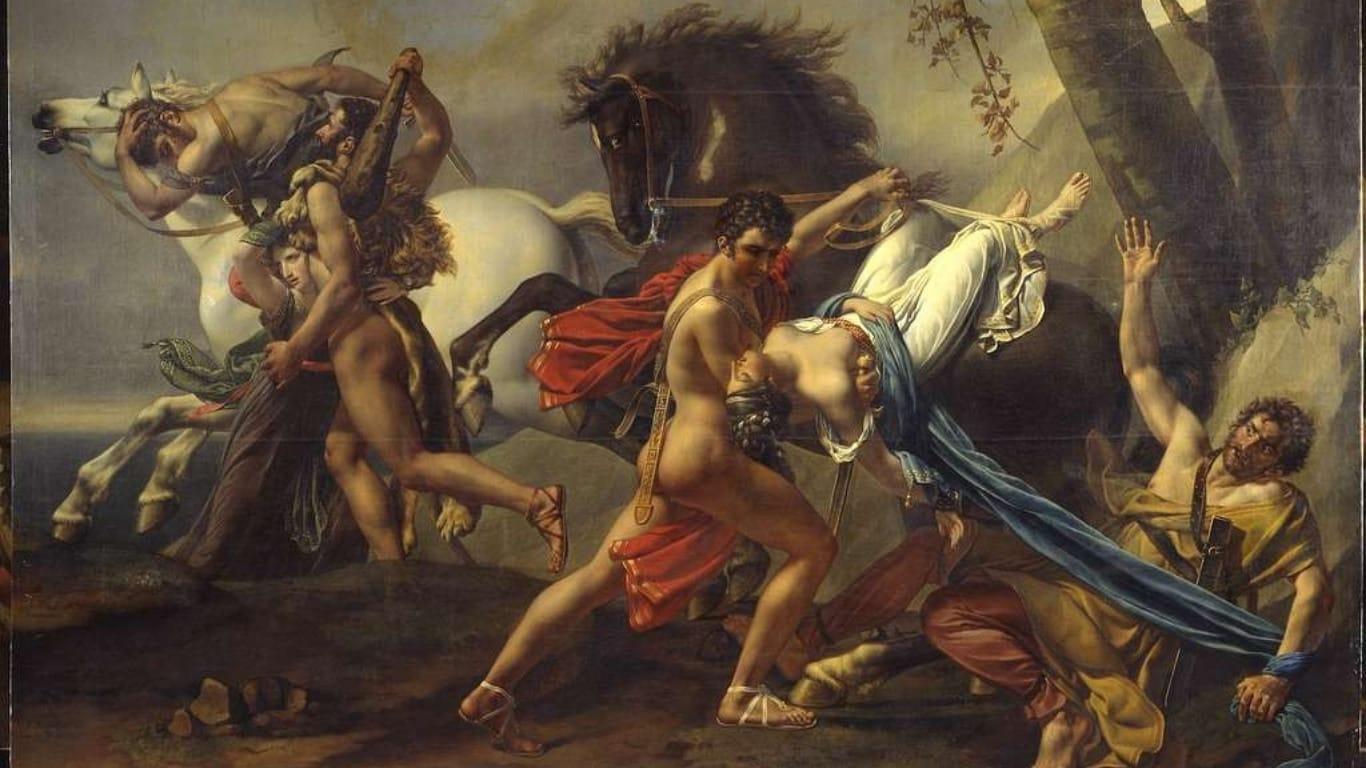
Neoclassical work, particularly the French and Italian academic tradition, sits at one of the more interesting points on the curve. The market for David, Ingres, Canova, Houdon, and the broader academic cohort has been chronically under-priced relative to the works' technical achievement and institutional record.
That has begun to shift. The Louvre, the Pompidou and major regional museums have invested in scholarship and exhibitions across the neoclassical cohort over the past five seasons, and the secondary market has responded with thicker comparables and the occasional breakout result.
The neoclassicism collectors' field guide covers the canon and the auction venues. The category remains one of the structural opportunities in the traditional market for collectors who can sit out the lag between institutional shift and market response.
The contemporary figurative revival
The most consequential traditional movement of 2026 is the one that does not strictly belong in the historical canon. The contemporary figurative revival, drawing explicitly on Renaissance, Baroque, neoclassical and academic precedents, has produced some of the strongest auction results of the past three seasons.
Names including the late Lucian Freud's deep secondary market, the contemporary cohort around Jenny Saville, John Currin, Lisa Yuskavage, Cecily Brown, and a wider generation of figurative painters have all benefited from the institutional reorientation.
The Met, the Whitney and the Tate Britain have all run survey programmes through 2024 and 2025 that placed contemporary figuration in direct dialogue with the historical canon. The market has rewarded the conversation.
Where the categories sit relative to each other
The traditional market is no longer a sideshow, but it is not a monolith either. The Renaissance and Baroque trophy tiers remain thin but resilient. The Rococo and neoclassical cohorts sit in the lag between institutional shift and market response.
The contemporary figurative revival is the segment running hottest right now.
Our broader read of the traditional art field guide covers the category in full. For collectors building a position across multiple movements, the categories complement each other rather than compete.
What this means for collectors
The traditional categories are no longer a hedge against the contemporary market. They are a parallel conversation, with their own institutional logic, their own market depth, and their own collector cohort, and they belong in a serious 2026 collection on their own terms.
The opportunities run in different segments by movement. The Renaissance and Baroque markets reward patience and the willingness to engage with the workshop and second-tier segments. The Rococo and neoclassical markets reward willingness to buy ahead of the broader re-rate.
The contemporary figurative revival rewards engagement with the cohort of mid-career and emerging names whose institutional records are still thickening.
The traditional movements defining 2026 are not a return to the old market. They are the assembly of a different one.
Frequently asked questions
Why has traditional art outperformed the speculative contemporary market in 2026?
A combination of higher cost of capital, the migration of price discovery away from speculative day-sale formats, and a generation of collectors looking for depth of provenance and institutional record rather than fresh-primary-market exposure. The UBS / Art Basel Global Art Market Report has tracked the shift in detail through the past two cycles.
Which traditional category offers the strongest entry point in 2026?
Rococo and neoclassicism are the structural underweights, where the institutional record runs ahead of the market. Baroque sits in the middle, with the institutional moment in full swing. The Renaissance trophy tier remains thin; the workshop segment is the more accessible point of entry.
How should the contemporary figurative revival be approached?
Through the cohort of mid-career and emerging figurative painters with institutional records running through Tate, the Whitney, the Met, the Pompidou and major regional museums. The market is structurally engaged with the conversation and is rewarding it; the price discovery is moving faster than in the historical categories.
Do traditional works fit alongside contemporary holdings?
Yes, structurally and aesthetically. The Met, the Pompidou and the Tate have all framed survey shows around the dialogue between historical and contemporary figuration, and the same framing works for private collections. Collectors building positions across both segments have historically done well.
We last reviewed this analysis in May 2026.