Twenty years ago, raising Texas wine in a serious collecting conversation would have drawn a polite, slightly amused silence. That silence has gone. Texas now ranks fifth nationally for wine production, the state's industry contributes well over $20 billion in annual economic impact, and the Texas Hill Country AVA has built a small but credible quality tier across the past fifteen years.
- Twenty years ago, raising Texas wine in a serious collecting conversation would have drawn a polite, slightly amused silence, but that silence has gone.
- Texas now ranks fifth nationally for wine production, with the state's industry contributing well over 20 billion dollars in annual economic impact.
- The Texas Hill Country AVA has built a small but credible quality tier across the past fifteen years, anchored by Mediterranean varietals suited to the climate.
- Tempranillo, Mourvedre, Grenache, and Viognier work structurally in the Hill Country climate, with named producers building credible single-vineyard work.
- Becker Vineyards, Duchman Family Winery, and William Chris Vineyards anchor the structural Hill Country producer tier earning serious-collector attention.
- For serious cellars Texas is not a structural anchor, but selective positions in the Hill Country premium tier deserve cellar consideration.
- Who is this for?
- Cellar builders evaluating emerging US regions, and serious collectors curious about where Texas Hill Country earns selective consideration.
- What is happening?
- We read why serious collectors are starting to track Texas Hill Country wine, with the climate, varietals, and named producers anchoring the structural shift.
- When did this emerge?
- The piece reads the contemporary 2026 market, where the Texas Hill Country premium tier has built fifteen years of structural producer development.
- Where is this happening?
- The Texas Hill Country AVA, covering roughly 9 million acres of central Texas with vineyards concentrated in Mason, Gillespie, and adjacent counties.
- Why does it matter?
- Texas is not a structural anchor for serious cellars, but selective Hill Country positions add cultural breadth that the canonical regions cannot match.
What we are watching is not a marketing pivot. It is a structural one. The combination of climate-suited Mediterranean varietals and a maturing group of named producers has built the foundation for what comes next, which is why serious cellar builders are starting to track Texas Hill Country wine seriously.
This is our editorial read on why that shift is real.
The Hill Country: geography and climate
The Texas Hill Country AVA covers roughly 9 million acres of central Texas, with vineyards concentrated in a smaller core around Fredericksburg, Stonewall, and the broader Pedernales basin. The geography is unusual for American wine: limestone-and-granite soils, elevations between 1,200 and 2,000 feet, hot dry summers cooled by elevation-driven diurnal swings, and a long growing season that lets late-ripening Mediterranean varieties develop full character.
The climate question was the structural obstacle for decades. Heat and drought do not favor the Bordeaux varietals that anchor most American collectible wine, namely Cabernet Sauvignon and Merlot. Texas Hill Country wine has spent the last fifteen years building an identity around grapes genuinely suited to its terroir.
That means Tempranillo from Spain, Mourvèdre and Viognier from the Rhône, Roussanne, and Sangiovese from Tuscany. The wines that emerge are not chasing Napa Cabernet on its own terms. They are expressing the structural character of the Hill Country itself.
The producers serious cellars are starting to track
The serious Texas tier is small but legible. Becker Vineyards, founded in 1992, is the historic anchor of the modern quality movement, with Tempranillo and Reserve Cabernet bottlings that have built consistent regional and increasingly national recognition. Pedernales Cellars produces serious Tempranillo and Viognier from named single-vineyard sourcing.
William Chris Vineyards works across multiple Texas AVAs and has built its reputation on single-vineyard discipline outside the volume-driven mainstream. Lewis Wines has earned a quiet following for serious Mourvèdre and Tempranillo. Bending Branch Wine Company is the one to track for varietal experimentation, including some of the most credible American Tannat outside of Uruguayan benchmarks.
Decanter and Wine Enthusiast have both run features acknowledging that the Hill Country has moved beyond curiosity. The names above are the spine of that recognition.
What this category does not yet offer
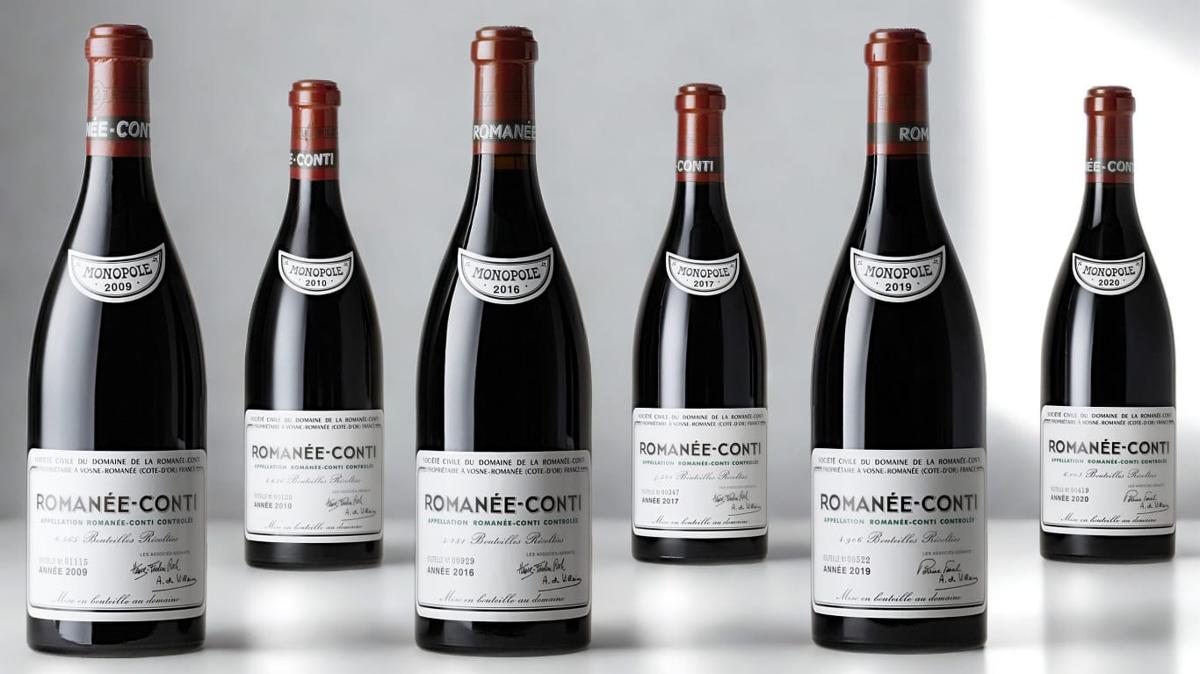
We want to be honest about the limits. There is no Texas equivalent of First Growth Bordeaux, of a Romanée-Conti monopole, of a Screaming Eagle. The deep secondary market does not yet exist either: you will not find Texas bottles routinely traded at Sotheby's, Christie's, Acker, or Hart Davis Hart.
That absence matters for collectors who buy for resale optionality rather than drinking. Liv-ex tracks no Texas producers. Robert Parker's Wine Advocate covers the region sparingly, and vintage scores remain thin compared with the canonical regions.
The cellar that includes Texas today does so for character, not for index movement.
Which is fine, in our view. Some of the best categories in the American wine map started exactly this way. Oregon Pinot Noir in the late 1980s was at the same stage of development.
Where Texas sits against other emerging American regions
Comparing Texas to other rising American AVAs is the useful exercise. Virginia is further along on the critical-attention curve, with Wine Advocate scoring of named producers like RdV Vineyards and Linden Vineyards. New York's Finger Lakes Riesling has built its own narrow but established collector category.
Texas sits behind both on critical recognition, but ahead of both on production scale and on the variety-to-terroir fit question. Hill Country Tempranillo is, in our view, a more structurally coherent quality proposition than most cool-climate East Coast Cabernet. That observation places Texas on the same long-form trajectory traced by Cabernet Sauvignon in California a generation ago, and by a wider set of regions covered in The Emerging Wine Regions Worth a Collector's Attention.
For collectors thinking about Rhône-blend depth across the American map, our Syrah and Shiraz: A Collector's Field Guide covers the framing in more detail.
What this means for collectors
We would not suggest replacing a serious Burgundy or Bordeaux allocation with Texas Hill Country wine. The depth, critical record, and secondary-market liquidity do not yet justify the swap.
What we would suggest is treating Texas as a tracked category. A small Hill Country anchor in a serious American cellar (one or two bottles of Becker Reserve Tempranillo, a Pedernales Viognier, a Lewis Wines Mourvèdre) costs little, broadens the cellar's geographic range, and positions the collector to watch a regional story that is genuinely developing.
The category will not look like this in ten years. The producers above are building the platform for a wider and deeper Texas quality tier, and the collectors who start tracking now will be the ones who recognize the second-generation names when they emerge.
What we will watch next
Three signals to keep an eye on. First, whether any Hill Country producer earns a 95+ Wine Advocate score in the next three vintages. Second, whether Acker or HDH starts including Texas lots in mixed American sales.
Third, whether second-generation names like Kuhlman Cellars or Brennan Vineyards build the kind of distribution and critical attention that the current spine has earned.
Each signal would mark the category moving from "tracked curiosity" to "established collector tier". On current trajectory we expect at least one of those to land within the next five years.
We last reviewed this analysis in May 2026.