

Governments rarely announce the precise moment when a conflict tips into full economic crisis. In World War II, Polish citizens who waited for official guidance lost everything within weeks as banks froze and the zloty collapsed. The lesson has never changed.
By the time war feels certain, the window to protect your capital during war has already narrowed to almost nothing.
Wealthy families who preserved fortunes across both world wars acted months or years before the worst violence erupted. They did not wait for permission. They moved.
This article gives you the same framework they used, updated for 2026 realities including digital assets, offshore banking, and modern currency controls that can lock your savings inside a collapsing system before you even realise the door has shut.
Key Takeaways & The 5Ws
- You should diversify your assets across multiple countries before any conflict escalates to avoid exposure to domestic currency controls and asset seizure.
- You need to convert liquid domestic cash holdings into hard assets or foreign currencies before banks impose withdrawal restrictions.
- You should reduce your exposure to domestic equities since stock markets typically lose between 40% and 80% of their value during major armed conflicts.
- You must hold physical precious metals outside the banking system to preserve your purchasing power when your home currency collapses under wartime inflation.
- You should act months or even years before instability peaks because early diversification is worth far more than reactive moves taken after fighting begins.
- Who is this for?
- This topic is most relevant for investors, savers, and families living in or near regions with rising geopolitical tension who want to safeguard their wealth.
- What is it?
- The main subject is a structured framework for protecting capital against the currency collapse, banking failures, and asset seizures that typically accompany armed conflict.
- When does it matter most?
- This knowledge must be applied well before conflict escalates because the window to act closes rapidly once instability becomes visible to the general public.
- Where does it apply?
- These strategies apply most urgently in conflict prone regions but are relevant globally since currency contagion and capital controls can spread across interconnected economies.
- Why consider it?
- Acting early on proven capital preservation strategies protects your financial security and ensures your wealth survives even if institutions around you collapse entirely.
Why War Destroys Wealth So Fast
War does not just destroy buildings. It destroys the invisible architecture that makes money work: trust in institutions, functioning payment systems, and the legal protections that keep your property yours. Once those foundations crack, wealth can evaporate faster than most people ever imagine possible.
The historical playbook is documented. BIS research on banking crises and capital controls shows how quickly local-currency holdings can become inaccessible during armed conflict. The lessons from the post-2022 freezes are still being absorbed by family office allocators.
IMF working papers on dollar dominance and offshore wealth flows reinforce the case for multi-jurisdictional structures. The point is not to predict conflict. It is to be able to operate calmly if and when one arrives.
Currency devaluation is almost always the first financial casualty. When a government needs to fund military spending beyond its tax base, it prints money. According to a 2023 International Monetary Fund working paper, countries engaged in active armed conflict experienced average inflation rates of 47% in the first eighteen months of hostilities.
That figure is not a worst case scenario. It is the average.
Banking system collapse follows quickly. Depositors panic, withdrawals overwhelm reserves, and governments impose capital controls that prevent you from moving your own money. Yugoslavia’s banking system collapsed in 1991 within four months of the first fighting, wiping out savings accounts that citizens had built over decades.
Asset seizure by governments or occupying forces adds another layer of risk that most investors in stable countries never plan for.
The mechanism is always the same, even if the timeline varies. A government issues war bonds that few buy voluntarily, so the central bank monetises the debt by printing new currency. The supply of money rises while the supply of goods falls because factories shift to military production or are destroyed entirely.
Ukraine’s hryvnia lost approximately 30% of its value against the dollar in the first six months after the 2022 invasion, and that happened in a country receiving international financial support. Without that support, the collapse would have been total.
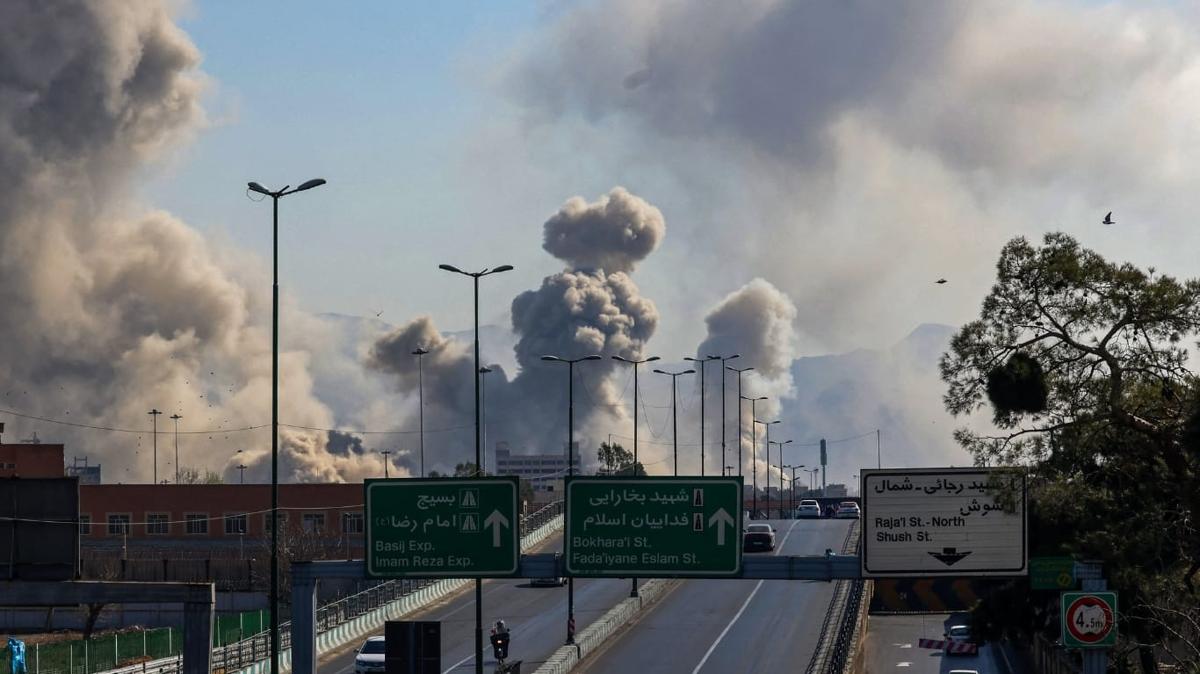
How To Protect Your Capital During War
The single most important variable in capital preservation during wartime is not which asset you choose. It is when you act. Every financial historian who has studied conflict economies reaches the same conclusion.
Diversification put in place before instability peaks is worth ten times more than the same diversification scrambled together after the first shots are fired.
Your first pillar is geographic diversification. Concentrating assets in one country means concentrating your exposure to that country’s currency controls, tax changes, and potential asset seizure. Your second pillar is converting liquid domestic assets before bank restrictions arrive.
You can learn more about structuring this kind of resilient portfolio in our guide to best asset allocation strategies for investors.
Cash held in a domestic bank account is the most vulnerable asset you own in a conflict scenario. Your third pillar is reducing exposure to domestic equities, which typically fall between 40% and 80% during major conflicts before any recovery begins.
The Three Asset Classes That Survive War
History consistently elevates three categories above all others when currencies fail and markets collapse. Physical precious metals, foreign real estate in neutral countries, and hard currency accounts held outside your home jurisdiction. These are not exotic hedges.
They are the tools that actually worked, repeatedly, across the worst financial crises of the last century.
- Physical precious metals, held outside the banking system, retain purchasing power across virtually every documented currency crisis
- Foreign real estate in politically neutral nations provides a tangible store of value that cannot be frozen by your home government
- Foreign currency accounts denominated in hard currencies such as the Swiss franc or Singapore dollar preserve value when domestic currency collapses
Timing your entry into these assets before a crisis peaks is the discipline that separates those who preserve capital from those who scramble too late. If you want to understand how liquidity risk can trap you at exactly the wrong moment, it is worth reading up on before you build your contingency plan.
Safe Investments That Outlast Any War
Specific vehicles matter as much as the general strategy. When evaluating safe investments during war, you need assets with three qualities. Portability, independence from any single government, and a track record of holding value across multiple historical crises.
Physical gold is the benchmark. During the Weimar hyperinflation of 1921 to 1923, one ounce of gold bought roughly the same quantity of goods at the start and at the end of the crisis, while the paper mark became literally worthless. US Treasury bonds provide safety for non-US investors as long as the conflict stays regional rather than global.
Swiss franc denominated accounts offer currency stability backed by one of the most politically neutral nations in history. Foreign real estate in countries like Portugal, New Zealand, or Singapore adds a tangible layer that no government freeze can easily touch. If you are considering that route, our guide on buying a luxury property abroad covers the key factors worth knowing before you commit.
Gold Versus Bitcoin in a Wartime Economy
| Asset | Portability | Requires Internet | Historical Track Record | Seizure Risk |
|---|---|---|---|---|
| Physical Gold | Moderate | No | 5,000 years | Moderate |
| Bitcoin | High | Yes | 15 years | Low if self-custodied |
| Swiss Franc Account | Low | Yes | 100 years | Low |
| US Treasury Bonds | Low | Yes | 80 years | Low for foreign holders |
Bitcoin’s fundamental vulnerability in active war zones is infrastructure dependency. When power grids fail and internet access is severed, which happens regularly in modern conflicts, your Bitcoin becomes inaccessible regardless of its price. That is not a theoretical risk.
It is a documented pattern in every major conflict zone since digital assets became mainstream.
Gold’s limitation is physical weight during evacuation. A sensible approach combines both, with gold forming the larger position and a modest Bitcoin allocation held in cold storage wallets kept in a stable third country.
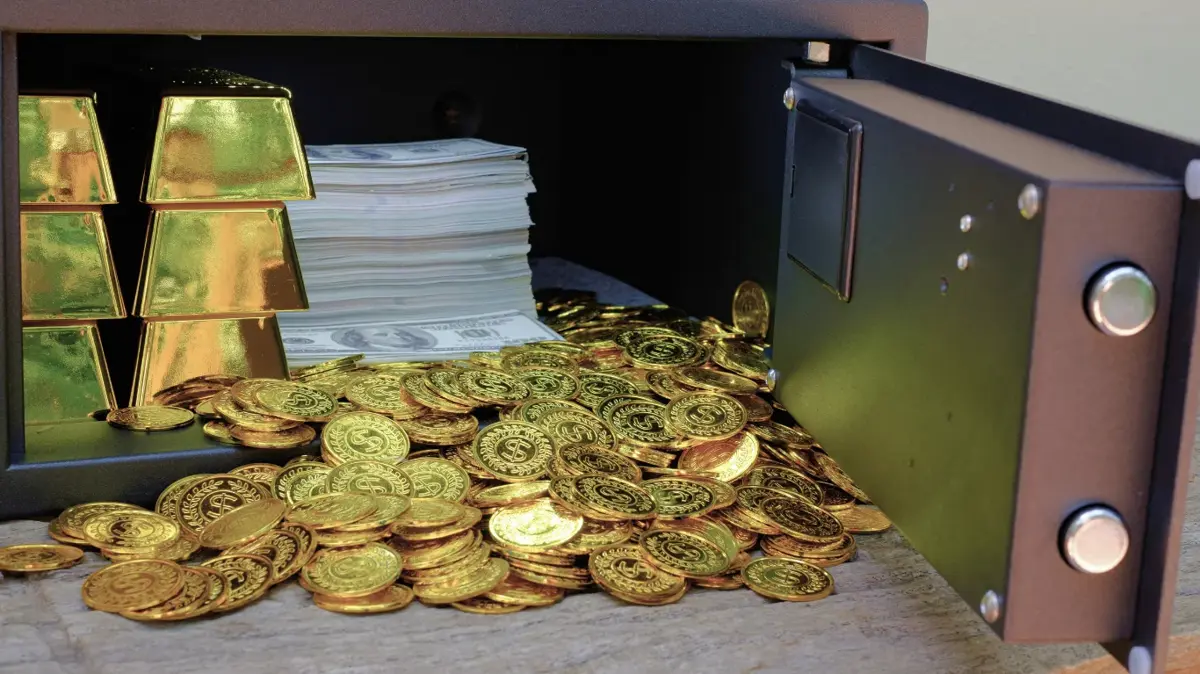 How To Protect Your Capital In Case Of War " class="wp-image-8010">
Move Assets Offshore Before Borders Close
Learning how to protect assets in wartime through international diversification is not a strategy reserved for billionaires. Singapore allows non-residents to open bank accounts with as little as 3,000 Singapore dollars. Switzerland’s private banking sector, while traditionally associated with large minimums, has developed accessible digital entry points through licensed fintech institutions.
The UAE offers zero income tax on foreign earnings and political stability that has attracted capital from conflict zones across three continents. It is one of the reasons high-net-worth investors are rethinking where they base their capital entirely.
According to 2024 data from the Bank for International Settlements, cross-border deposits held by private individuals grew by 18% between 2022 and 2024, with the largest inflows going to Singapore, Switzerland, and the UAE. This is not coincidence. It reflects a broad, quiet recognition that geopolitical risk is rising fast.
Dual citizenship and foreign residency add a layer of optionality that pure financial diversification cannot provide. Countries including Portugal, Malta, and Vanuatu offer residency or citizenship by investment programmes that give you a legal right to relocate with your assets intact.
Best Offshore Jurisdictions for Capital Safety
- Singapore: politically stable, strong rule of law, accessible minimum deposits, zero capital gains tax
- Switzerland: century-long neutrality, robust bank secrecy within legal compliance frameworks, franc stability
- UAE: zero income tax, growing financial infrastructure, strategic location between Europe and Asia
- New Zealand: geographically isolated, strong property rights, English common law jurisdiction
All offshore strategies must comply with your home country’s tax reporting requirements. Hiding assets is both illegal and counterproductive. Transparent international diversification is entirely legal and widely practised by institutional investors.
The goal is optionality, not concealment.
War Proof Strategies Smart Investors Use
Institutional investors and historically wealthy families do not improvise when geopolitical risk rises. They execute pre-written contingency plans built during peacetime. Rothschild family correspondence from World War I, now held in academic archives, reveals that asset relocation to neutral Switzerland and the United States began at least fourteen months before the formal outbreak of hostilities in 1914.
The portfolio allocation framework that emerges from studying these families and modern institutional approaches looks consistent across different eras. The World Gold Council’s 2024 research found that portfolios with 10% to 15% gold allocation outperformed all-equity portfolios during every major geopolitical crisis since 1970 on a risk-adjusted basis.
Building a Personal Financial Bunker Plan
- Allocate 10% to 15% of total net worth to physical precious metals held outside the domestic banking system
- Open at least one foreign bank account in a stable jurisdiction before any travel restrictions are imposed
- Reduce domestic equity exposure to under 30% of your investable portfolio if your region faces elevated conflict risk
- Maintain three to six months of living expenses in foreign hard currency, accessible without internet dependency
- Consult a qualified international tax adviser to ensure full legal compliance with foreign asset reporting requirements
- Review and update your plan every six months as geopolitical conditions evolve
The psychological discipline to execute this plan under pressure is as important as the plan itself. Investors who act during moments of calm preserve far more capital than those who react in panic. Write the plan now.
Decide the triggers that activate each step. Then trust the process when emotions are running high.
The best time to put war proof investment strategies in place was before the headlines turned alarming. The second best time is right now, before 2026 brings further clarity about which regional tensions will escalate and which will stabilise. Geopolitical risk coverage from the Financial Times is worth monitoring if you want to stay ahead of the curve.
Your financial survival in a conflict scenario depends almost entirely on decisions you make during the quiet periods that precede the storm. Do not wait for the storm to start packing.
Frequently Asked Questions
What is the safest asset to hold during a war?
Physical gold held outside the domestic banking system has the strongest historical track record for preserving value when governments collapse currencies or impose capital controls. To protect your capital during war effectively, combine gold with foreign currency accounts in stable jurisdictions and reduce your exposure to domestic equities. Diversification across asset types and geographies consistently outperforms any single safe haven investment.
How do I legally move money offshore before a conflict starts?
Opening a foreign bank account in jurisdictions like Singapore, Switzerland, or the UAE is entirely legal for most nationals, provided you declare the account and any income to your home country’s tax authority. Many countries require reporting of foreign accounts above threshold values. Working with a licensed international financial adviser ensures your offshore strategy to protect assets in wartime remains fully compliant with all relevant tax laws.
Does Bitcoin protect wealth during war better than gold?
Bitcoin offers superior portability but carries infrastructure risk that makes it unreliable in active conflict zones where power and internet are disrupted. Gold requires no technology to access or transfer value. The most resilient war proof investment strategies use both, with a larger allocation to physical gold for stability and a smaller Bitcoin position for portability during evacuation scenarios where weight and border controls matter.
We last reviewed this analysis in May 2026.