Collectors are back in the luxury watch market, and the post-2022 cooling cycle that defined the past three years has visibly stabilised across the major categories. The luxury watch market is showing signs of life in measured rather than speculative form. Phillips, Christie's and Sotheby's all reported credibly stronger 2025 sell-through across their watch sessions, the major dealer platforms have recorded steadier transaction volumes, and the references that anchor the most-considered modern collecting are operating with renewed depth.
- Collectors have returned to the luxury watch market through 2026, with the post-2022 reset bottoming and the broader secondary-market data confirming firmer ground than many feared.
- The Subdial 50, WatchCharts Overall, and Bloomberg Watch Index all confirm the stabilisation, with Rolex, Patek, and AP leading the year-over-year recovery from the 2022 lows.
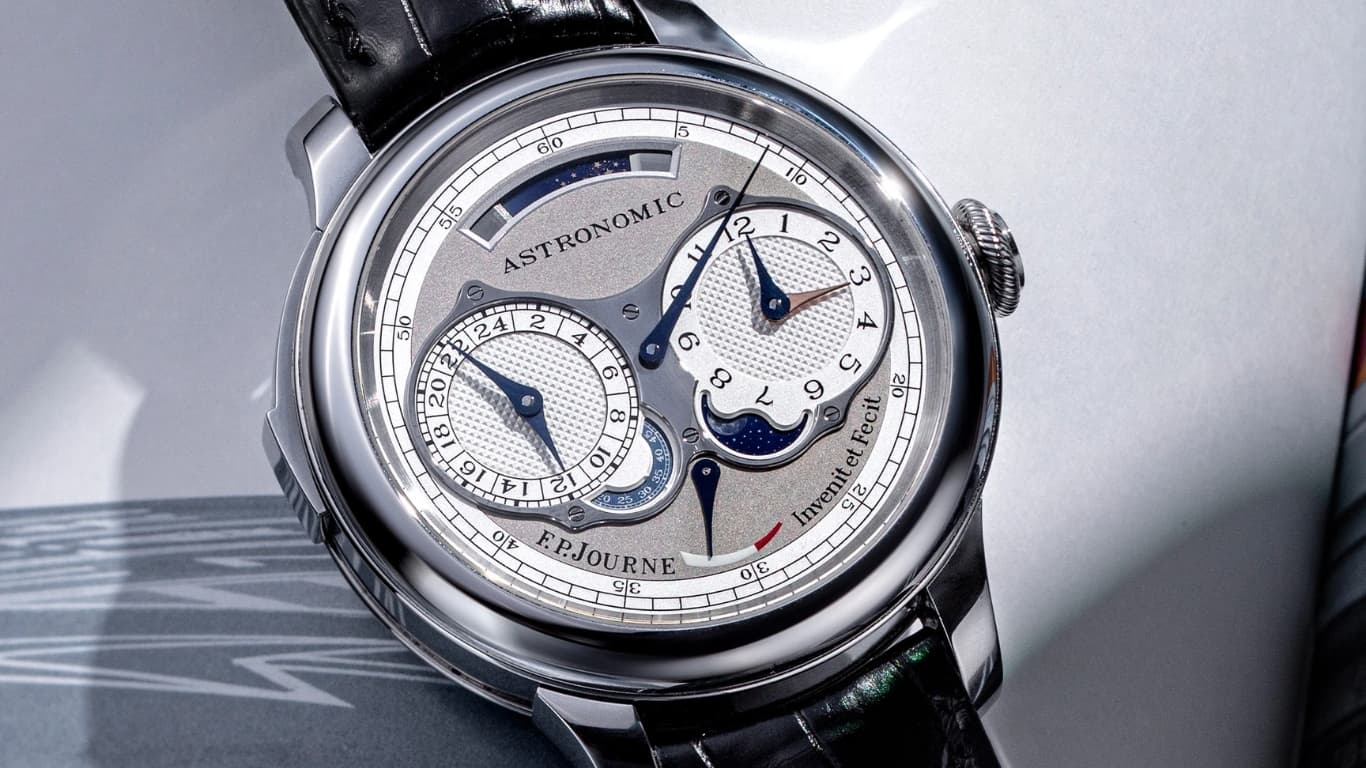
- Independent makers including F.P. Journe, MB&F, and De Bethune continue to outperform the broader market, with waitlist depth approaching mainstream Swiss levels at premium pricing.
- We see 2026 as a structural transition year, with the broader collector education continuing to expand while manufacturer pricing discipline and authorised dealer behaviour reshape entry dynamics.
- Female collector visibility has grown meaningfully, with brands including Cartier, Vacheron Constantin, and Patek investing in ladies' reference depth and dedicated boutique programming.
- Buyers entering now should anchor on condition, completeness, and the precise reference rather than chasing the broader recovery narrative across the wrong references.
- Who is this for?
- Active collectors, dealers tracking market recovery, and investors monitoring luxury watch market dynamics through the post-correction stabilisation.
- What is happening?
- A grounded read on the 2026 luxury watch market recovery, covering Subdial 50 stabilisation, Holy Trinity leadership, and independent maker outperformance.
- When did this emerge?
- The current recovery reflects the post-2022 reset bottoming and the broader collector return through 2026, with the trend continuing to inform forward-looking dynamics.
- Where is this happening?
- Geneva, New York, Hong Kong, and Dubai anchor the central trading hubs, while online platforms supply day-to-day liquidity across every collector tier.
- Why does it matter?
- Reading the recovery correctly informs acquisition strategy across the cycle, and 2026 looks like a year that rewards disciplined selectivity over broad accumulation.
The recovery is not a return to the 2020-to-2022 peak conditions. The collectors we hear from at the auction previews describe a calmer reading of the market, with reference selection driven more visibly by structural conditions and less by speculative momentum. For a market report at this point in the cycle, the useful question is where the momentum is real and where it remains fragile.
Where the luxury watch market recovery is real
The recovery is clearest at the upper end of the trinity catalogue. Daytona, Submariner, Nautilus, Aquanaut references have all firmed across the past 12 months, with the most considered variants regaining meaningful ground from their post-2022 lows. The depth is real rather than speculative, with auction-house sell-through running at credible levels and dealer inventory turning at steady rates.
The independent category has continued to gain depth. F.P. Journe, De Bethune, Laurent Ferrier and the considered Tokyo independents are all operating with the auction-room infrastructure and the dealer-network depth that the trinity has long carried. The structural conditions, genuinely tight production, credible craft credentials, disciplined allocation, anchor the category in a way the speculative middle ground does not.
The neo-vintage and vintage catalogue has held up cleanly. The 1980s and 1990s pieces from JLC, Vacheron, Patek, Lange and the considered Cartier work have moved up against the broader correction. The collectors we hear from describe the rotation toward neo-vintage as structural rather than passing, and the secondary-market depth confirms the reading.
The trinity references driving the recovery
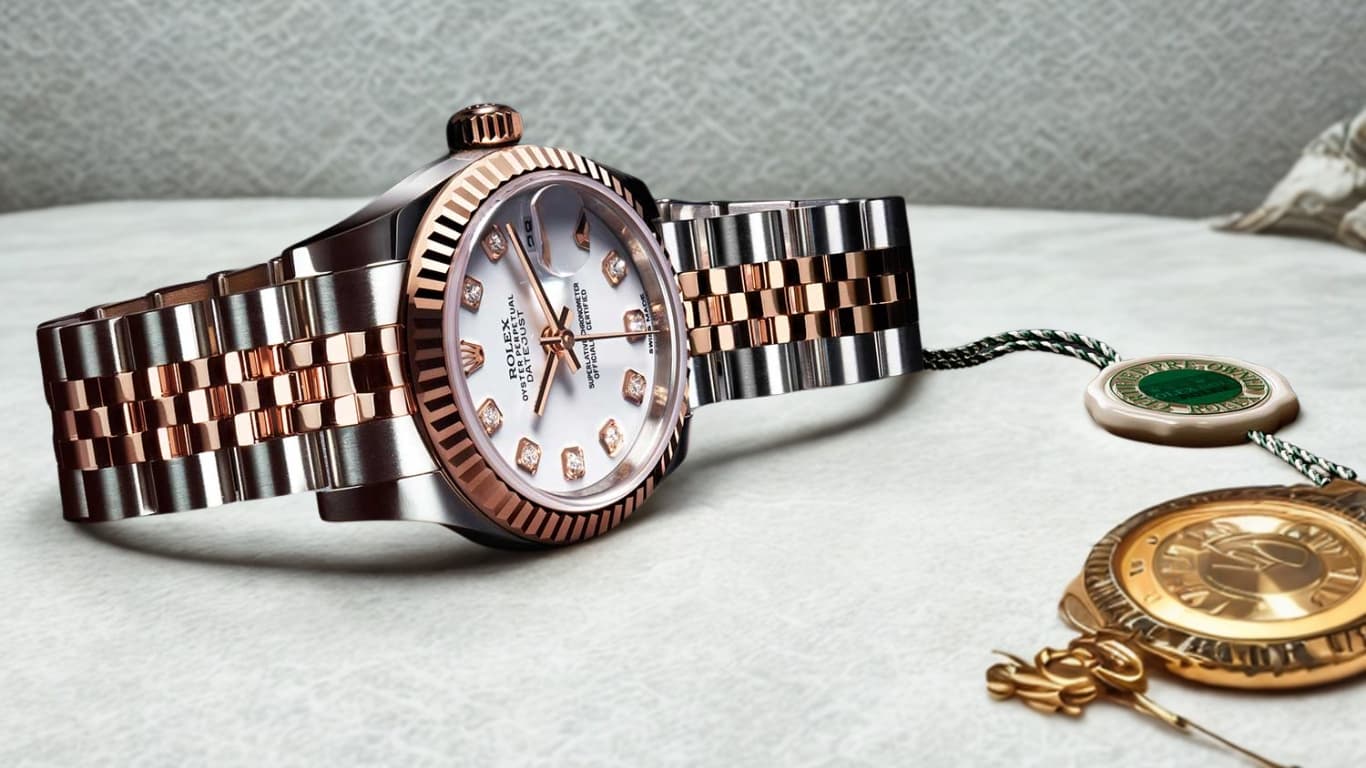
Rolex anchors the recovery at the volume base. The Daytona, the Submariner and the GMT-Master II have all firmed at the most-considered references, with allocation discipline holding through the rotation. Retail price hikes from Swiss manufacturers, combined with U.S. tariff effects, have routed additional demand toward the secondary market for clean, documented examples.
Patek's recovery has concentrated at the upper end. The Nautilus 5711 in steel continues to operate at the structural premium that the 2022 correction trimmed but did not erase. The Aquanaut catalogue has firmed in parallel, and the Calatrava and perpetual calendar references continue to operate at credible levels.
AP's recovery has been the most measured of the three. The Royal Oak catalogue has firmed at the most-considered references, with the boutique-routed limited editions carrying the credible upper end. The Code 11.
59 work has earned more recognition than the early reception suggested, with the Starwheel and the considered complicated references now operating with credible specialist-dealer depth.
Where collector demand is rotating
Cartier has been the clearest single beneficiary of the post-2022 rotation. Cartier is gaining meaningful ground, particularly among younger buyers, with the Tank, the Santos and the Privé references all operating with credible secondary-market depth. The maison's allocation discipline at the Privé level and the broader catalogue's design heritage have given Cartier a trust position that few of its peers carried through the correction with similar success.
The Cartier rotation is structural. The Cartier curve on Chrono24 documents the shift in search volume, transaction volume and waitlist economics across the past four years, with the younger-collector adoption visibly driving a portion of the upward pressure.
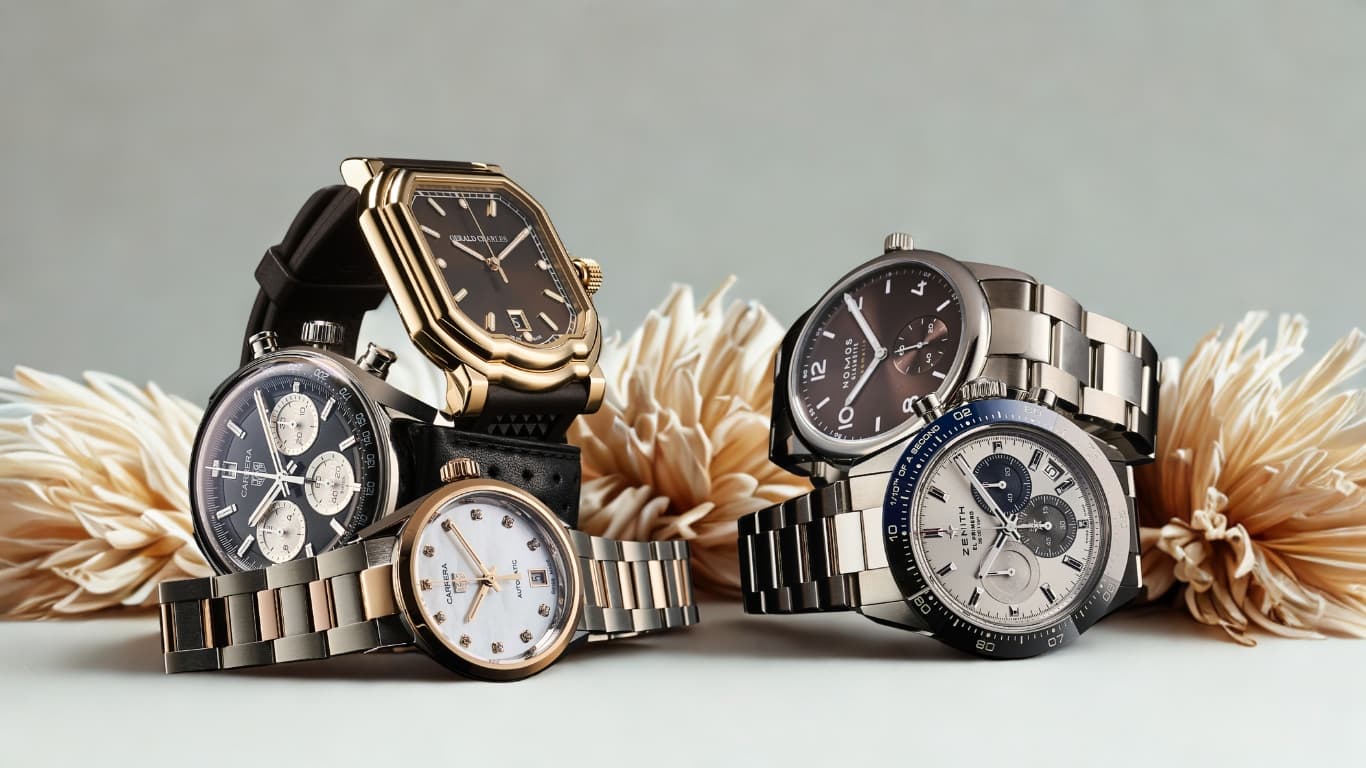
The Tudor catalogue has gained credibility in parallel. The Black Bay 58 anchors the practical mid-tier entry conversation, and the wider Black Bay catalogue has earned credible secondary-market depth. The brand's in-house movement architecture and disciplined design framework have given it the kind of structural conditions that the rotation has rewarded.
The Japanese rotation in numbers
Grand Seiko's structural rise has anchored the Japanese end of the rotation. Specialist-dealer expansion through New York, London, Geneva and the boutique network has given the brand the international access that, ten years ago, required Japan-side relationships. The Snowflake reference SBGA211, the Spring Drive 9R movement architecture and the considered limited editions are now standard references in serious modern collecting conversations.
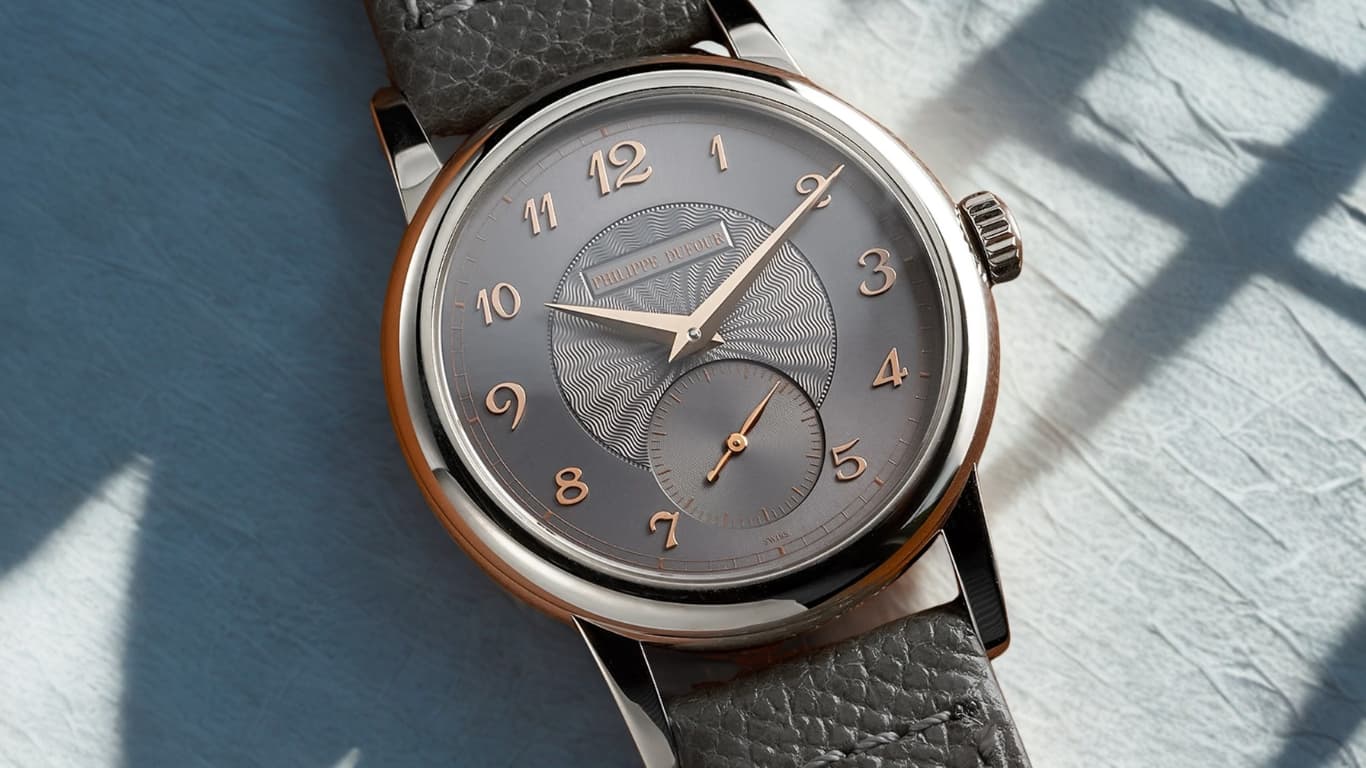
The Japanese independents have followed the same pattern. Naoya Hida, Hajime Asaoka, Kurono Tokyo and the related Tokyo independents now surface in Phillips, Christie's and Sotheby's sessions with credible regularity. The category sits at the upper end of credible modern collecting in a way that, four years ago, the broader market was slow to read.
Where the market remains fragile
The recovery is not universal. The wider Hublot and Roger Dubuis catalogues continue to operate with secondary-market depth that lags the broader recovery, with most references sitting at meaningful discount to retail. The standard Panerai catalogue at the volume Luminor and Radiomir references faces the same dynamic.
The accessible-tier credible catalogue, the Tissot PRX, the Tudor Black Bay 58, the Seiko Prospex SPB143 and the related entry-tier references, has held credibly across the cycle. The broader accessible-tier non-credible catalogue, the volume Hublot pieces, the wider Panerai volume references, the standard Roger Dubuis catalogue, has not.
The middle-market speculative band, the references that briefly operated at trinity-adjacent secondary-market prices through 2020-to-2022, has the longest distance to recover. Many of these references sit meaningfully below their 2022 peaks, and the structural conditions that supported the speculative premium have not returned.
The risk band for collectors entering now
The references that earned credible recovery hold structural conditions, tight production, credible craft, disciplined allocation, design discipline. The references that have not recovered tend to lack one or more of those conditions. The practical reading for collectors entering now is to weight reference selection against the structural conditions rather than against the headline secondary-market behaviour.
What we'll watch next on the watch market
Two questions sit on the table. First, whether the recovery extends through the 2026 calendar with credible depth, or whether the macro conditions, US-Swiss tariff dynamics, the broader luxury-consumer reading, the Chinese collector base trajectory, soften the rotation. Early evidence points toward continued steady recovery rather than a return to the speculative peak.
Second, whether the structural rotation toward Cartier, Tudor, Grand Seiko and the considered independents continues to compound, or whether the trinity reclaims the structural mindshare it carried into the 2020-to-2022 cycle. The rotation looks structural rather than passing, but the trinity's allocation discipline at the most-coveted references continues to operate at a level that the rest of the category cannot credibly replicate.
For collectors operating now, the practical reading is that the recovery is real but selective. The references that hold up are the ones with credible structural conditions, and the calmer market makes that distinction easier to read than the 2020-to-2022 cycle ever did.
We last reviewed this analysis in May 2026.


Stefanos Moschopoulos
Stefanos Moschopoulos founded The Luxury Playbook in Athens and has spent the better part of a decade following the auction calendar, the en primeur releases, and the watchmakers, gallerists, and shipyards the magazine covers. He writes the field guides and listicles that anchor the Connoisseur section — pieces built on Phillips and Christie's results, Liv-ex movements, and conversations with collectors he has met across Geneva, Bordeaux, Basel, and Monaco. His own collecting habits sit closer to watches and wine than art, and it shows in the level of detail in the magazine's coverage of those categories. Under his direction, The Luxury Playbook now publishes long-form field guides, market-defining year-end listicles, and the Voices interview series with the founders behind the houses and the brands.