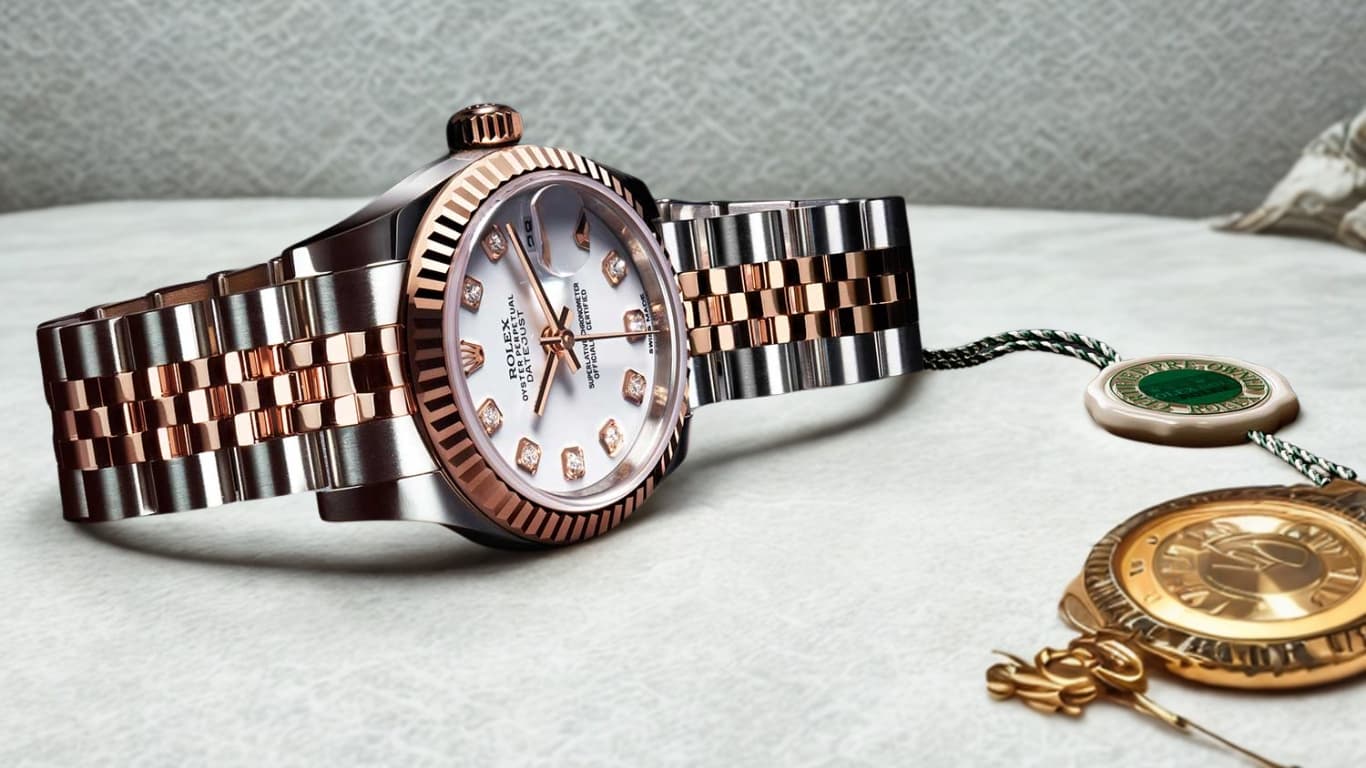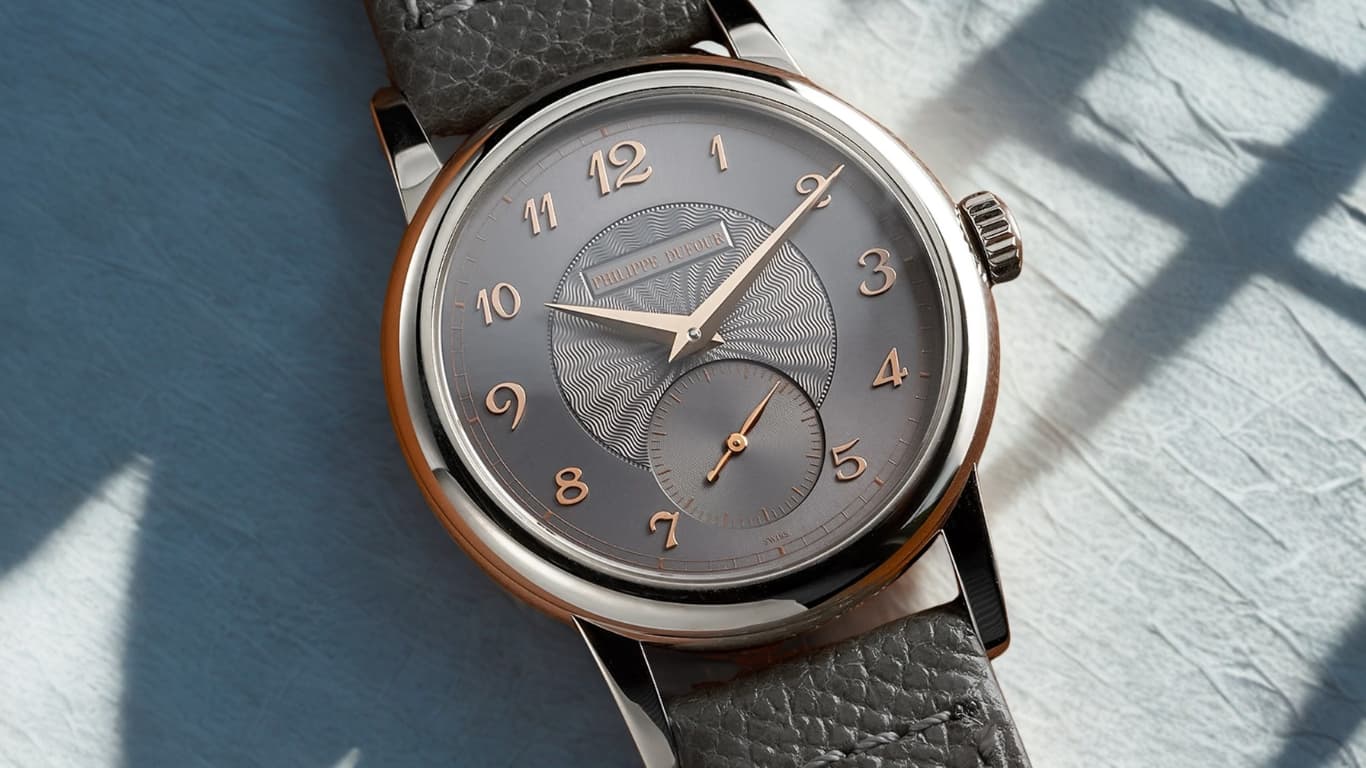
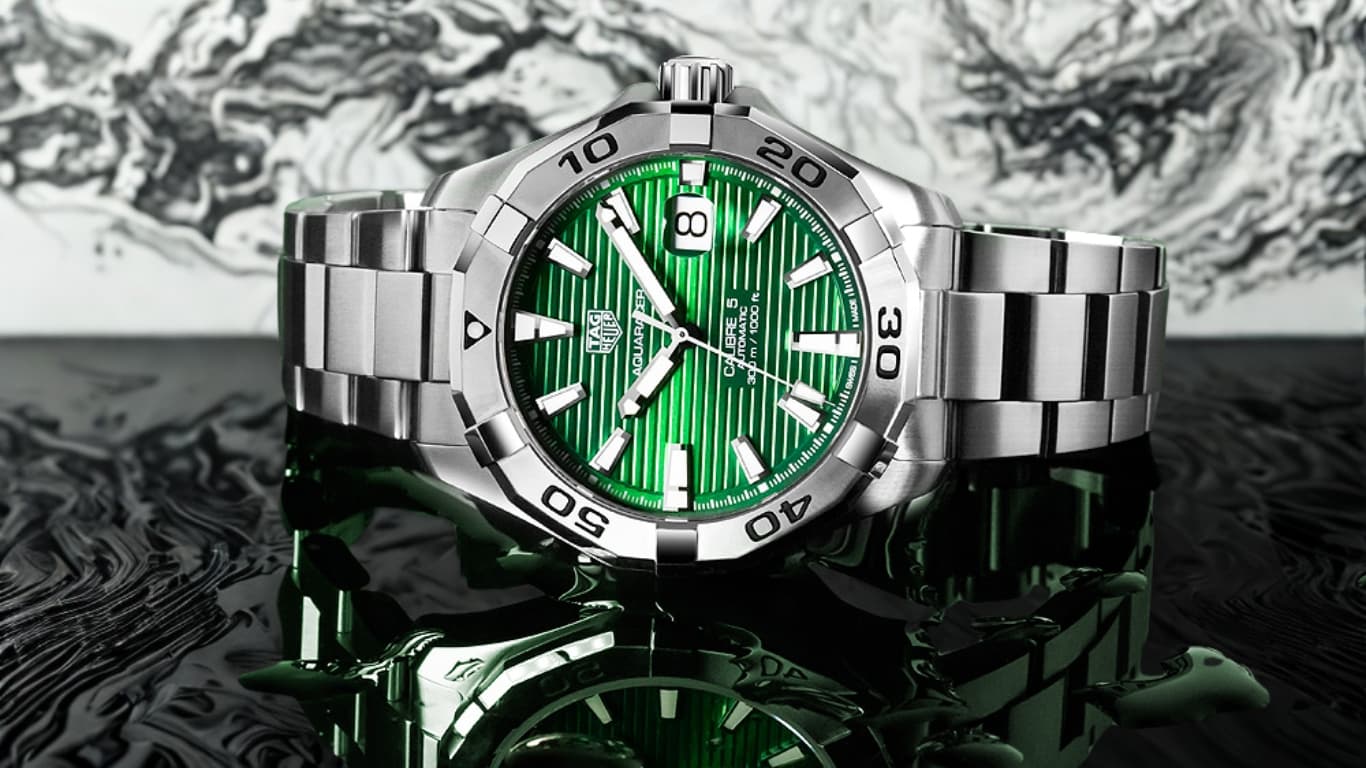
The dive watches actually drawing serious collectors in 2026 split across a handful of clearly defined tiers. The Rolex Submariner and Sea-Dweller anchor the structural top of the conversation; the Tudor Black Bay 58 sits below at the most considered accessible-tier; the Omega Seamaster occupies a particular middle register.
- The most coveted dive watches of 2026 sit at the intersection of legitimate depth-rated engineering and the kind of design language collectors still revisit decades later.
- Rolex Submariner 124060, Omega Seamaster Diver 300M, and Tudor Pelagos FXD anchor the consensus list with manufacturer movements that justify the modern asking prices.
- Vintage Submariner 5513 and Seiko 6105 references continue to draw serious secondary attention, with original conditions and bezel inserts driving meaningful premiums.
- We see the Blancpain Fifty Fathoms and IWC Aquatimer as the strongest collector-favourite alternatives, with finishing and dive heritage that punch above their dealer visibility.
- Cartier Pasha Seatimer and Vacheron Constantin Overseas Diver references prove that haute horlogerie houses can still build credible dive tools when they commit.
- Buyers entering now should anchor on condition, bezel originality, and bracelet integrity rather than chasing colourways that the next reference refresh may render dated.
- Who is this for?
- Dive-watch enthusiasts, collectors building a tool-watch shelf, and Rolex owners exploring depth-rated alternatives.
- What is happening?
- A current ranking of the most coveted dive watches of 2026, covering Rolex, Omega, Tudor, Blancpain, IWC, Cartier, and Vacheron Constantin references.
- When did this emerge?
- The current rankings reflect 2026 collector behaviour, with manufacturer in-house calibre rollouts continuing to shape the modern dive-watch hierarchy.
- Where is this happening?
- Authorised dealers globally stock the modern catalogue, while Chrono24, Subdial 50, and specialist auctions handle the vintage and discontinued market.
- Why does it matter?
- Dive watches sit at the centre of how collectors enter and grow within the tool-watch category, which makes the most-coveted hierarchy essential reading.
Below those, the Blancpain Fifty Fathoms holds the historical-heritage seat, the Panerai Submersible carries the Italian-Navy register, and a tight group of independents fills out the catalogue.
What unites them is over-engineered diving credentials that, in nearly every case, have outlived the actual diving the watches were designed for. Modern dive watches are mostly desk divers. The references that hold up are the ones built as if the desk-diving register did not exist.
In our coverage of the past two seasons at Phillips and Christie's, the same names keep surfacing in the strongest results, and the depth of the modern catalogue at every price band is the deepest it has been at any point in the sixty-plus-year run of the modern dive watch.
The Submariner and Sea-Dweller anchor the most coveted dive watches of 2026
The Rolex Submariner remains the structural anchor. The current 124060 in the no-date format and the 126610LN with date sit at roughly $9,100 and $9,500 retail; secondary pricing lands $10,500 to $13,000 in clean condition with box-and-papers. The Sea-Dweller 126600, the 1,220m-rated sibling at around $13,500 retail, extends the line into the more technical register.
The helium escape valve construction on the Sea-Dweller is the engineering detail that anchors the reference's credibility in saturation diving most owners will never encounter. Hodinkee and the major specialist dealers have treated the 126600 as the considered alternative to the Submariner since the reference's most recent generation landed.
The vintage Submariner foundation
The vintage Submariner catalogue is the structural foundation of modern dive-watch collecting. The Big Crown references (6204, 6205, 6536, 6538) from the 1950s, the 5512 chronometer-rated no-date references, the 5513 broader production through the 1970s and 1980s, and the Mil-Sub military examples each anchor different generations.
Phillips and Christie's both catalogue vintage Submariner regularly, and the Bond-era 6538 examples with original gilt dials clear seven-figure sums when they surface in clean condition.
The Tudor Black Bay 58 and Pelagos
The Tudor Black Bay 58 reference 79030N anchors the most considered accessible-tier dive watch in the contemporary catalogue. The 39mm case, the in-house MT5402 movement, and the heritage geometry tracing back to the 1958 Tudor Submariner reference 7924 combine into a single piece that punches well above its retail. Retail sits at $4,000 to $4,500; secondary trades close to retail with the full set.
Hodinkee, GQ, Worn & Wound and the established specialist dealers all give the 79030N consistent coverage as the most considered accessible-tier modern dive watch. The Pelagos 39 in titanium at $5,150 retail and the Pelagos Ultra with its 1,000-metre rating at $5,950 extend Tudor's diving catalogue into the technical upper end.
The original 79220R (the gilt-bezel red-bezel reference produced from 2012) and the pre-79030 generations anchor the recent-discontinued tier of modern Tudor collecting. Clean examples trade at a modest premium on the secondary market, and the production-window discipline has consolidated the references at the established accessible-collector tier.
The Omega Seamaster in the mid-tier
The Omega Seamaster Diver 300M, the Bond reference 210. 30. 42.
20. 01. 001 at $5,800 retail with secondary $5,200 to $6,200, holds the strongest value position in the mid-tier.
The Seamaster 300 Heritage at around $7,000, the modern reissue of the 1957 Seamaster 300 CK2913, anchors the Omega contribution in serious dive collecting.
The Planet Ocean 600M extends the line into the technical end at $7,500 to $9,500 retail. Master Chronometer certification, the in-house 8800 calibre with the silicon balance spring, anti-magnetic resistance certified to 15,000 gauss, and the Bond cultural anchor all support the references in modern dive collecting.
The vintage Seamaster catalogue is broad and historically significant. The 1957 Seamaster 300 references (the original CK2913 and the subsequent 165. 024 and 166.
024 references through the 1960s and 1970s) anchor vintage Omega dive collecting. The Phillips and Sotheby's modern vintage Omega sales regularly include the headline references.
Blancpain Fifty Fathoms and the heritage tier
The Blancpain Fifty Fathoms, the original 1953 dive watch widely cited as the first modern dive watch designed specifically for combat diving, anchors the heritage tier of contemporary dive collecting. The current 45mm steel references at around 15,500 euros retail carry the historical weight and the Blancpain finishing standard at a price tier most collectors won't reach early. The 70th Anniversary references released in 2023 and the Bathyscaphe smaller-case derivatives extend the line.
Hodinkee covered the 70th Anniversary launch in detail. The trade-press treatment of the reference reflects its place as one of the founding pieces of modern dive watchmaking.
Panerai, the independents, and the wider catalogue
The Panerai Submersible, the contemporary continuation of the brand's Italian Navy heritage tracing back to the 1956 Egiziano references, sits in its own characteristic register. Cushion case, sandwich-dial construction, in-house P.9000-series movements in the upper references: the line carries a distinctive identity that does not really intersect with Swiss diving collecting. Pricing runs from around $9,000 in the entry steel through 20,000 euros plus in the elaborate variants.
Beyond the headline brands, the independent dive-watch category has thickened materially. The Doxa SUB 300, the contemporary continuation of the 1967 design language with the orange "Professional" dial as the cult variant, anchors the heritage-oriented accessible tier at around 2,500 euros. The Christopher Ward C60 Trident series and the Oris Aquis catalogue extend credible accessible-tier mechanical diving from 1,200 euros up.
What this means for serious dive-watch collectors
For contemporary dive collecting, the references that come up most consistently in serious collector conversation are the Submariner 124060 and the Sea-Dweller 126600 at the structural top. Below them sit the Tudor Black Bay 58 in its various dial variants, the Pelagos in titanium at the considered accessible-and-technical tiers, and the Omega Seamaster Diver 300M Bond reference and Seamaster 300 Heritage in the middle register.
The Blancpain Fifty Fathoms anchors heritage-tier upper-end collecting, and the Panerai Submersible serves collectors drawn to the Italian-Navy register.
Box-and-papers documentation matters at every tier. Originality of dial, hands and case finish all matter substantially on vintage references. Service-network access through the brand's authorised facilities is the practical baseline for any reference where future provenance will matter.
The depth-rating discipline matters more than collectors sometimes acknowledge. The references that have actually been pressure-tested to their rated depths (the saturation-diving credentials on the Sea-Dweller, the deep-rated Pelagos Ultra, the historical Submariner 200 Ploprof testing) carry technical credibility the marketing-led references don't quite duplicate.
The longer story collectors recognise is that contemporary dive-watch collecting has broadened substantially across the past decade. The Submariner remains the structural anchor; the broader catalogue of credible dive references at every price tier is deeper than at any prior point in modern watchmaking. We'd argue the breadth is mostly good news.
The collector entering the category in 2026 has substantially more credible options at every price tier than the collector entering it twenty years ago, and the depth of the modern catalogue has not come at the cost of the historical references.
We last reviewed this analysis in May 2026.

Frequently Asked Questions
- Do dive watches hold their value?
- Yes—especially models from Rolex, Omega, and Tudor. Limited editions, heritage reissues, and pieces with in-house movements tend to retain or appreciate in value over time. Condition, box/papers, and production rarity are key to maintaining value.<br><br>

Stefanos Moschopoulos
Stefanos Moschopoulos founded The Luxury Playbook in Athens and has spent the better part of a decade following the auction calendar, the en primeur releases, and the watchmakers, gallerists, and shipyards the magazine covers. He writes the field guides and listicles that anchor the Connoisseur section — pieces built on Phillips and Christie's results, Liv-ex movements, and conversations with collectors he has met across Geneva, Bordeaux, Basel, and Monaco. His own collecting habits sit closer to watches and wine than art, and it shows in the level of detail in the magazine's coverage of those categories. Under his direction, The Luxury Playbook now publishes long-form field guides, market-defining year-end listicles, and the Voices interview series with the founders behind the houses and the brands.