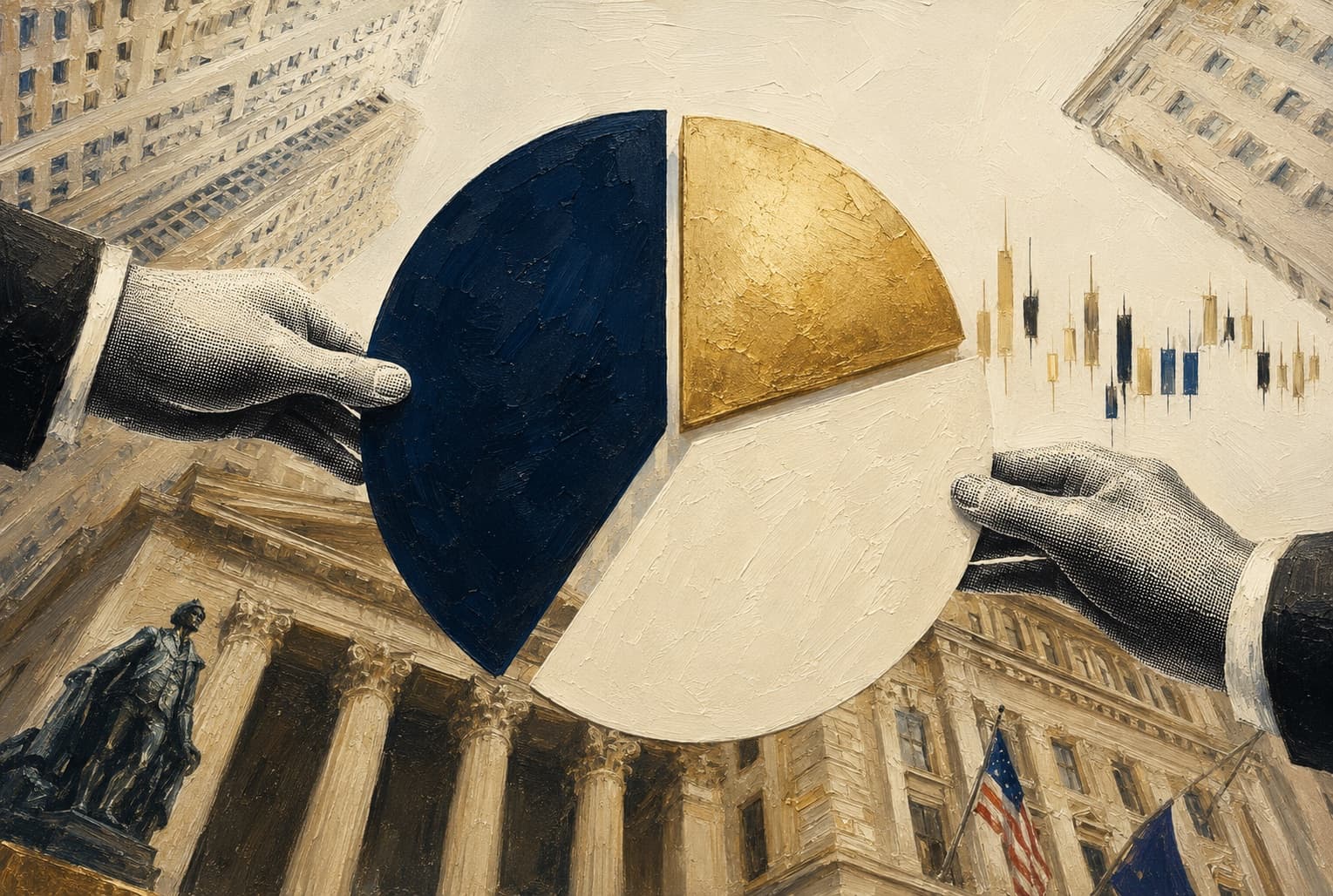
Decentralized Finance, or DeFi, is rewriting the rules of money. Here’s what you need to know about the core principles driving it, from decentralization and transparency to smart contracts, and why it matters for your financial future.
Blockchain technology has quietly torn up the playbook for how money moves around the world. DeFi has emerged as one of the most disruptive forces in the crypto market, opening doors that were once firmly shut to anyone outside the traditional banking system. Whether you’re an investor hunting for yield, a trader looking for more control, or simply someone curious about where finance is heading, DeFi deserves your attention. The latest shifts in the crypto market make it clear that this space is moving fast, and sitting on the sidelines is becoming a harder position to justify.

What is DeFi (Decentralized Finance)?
DeFi is a collection of financial applications and platforms built on decentralized blockchain networks, with Ethereum at the centre of most of it. Traditional finance runs through intermediaries like banks, brokers, and clearinghouses. DeFi cuts them out entirely. The system runs on smart contracts, which are self-executing pieces of code that handle everything automatically, and it operates on principles of openness and transparency that legacy finance simply cannot match. You can lend, borrow, trade, and invest, all without asking anyone’s permission.
Exploring DeFi Opportunities
Decentralized Exchanges (DEXs)
Decentralized exchanges are one of the most compelling corners of the DeFi world. On a DEX, you trade cryptocurrencies directly from your own wallet, peer to peer, with no central authority holding your funds at any point. That matters more than it might sound. Centralized exchanges have a long history of hacks, freezes, and outright collapses. A DEX gives you greater security, genuine privacy, and full control over your assets. Knowing how to spot and avoid crypto scams becomes especially useful once you start operating in this space.
Lending and Borrowing
DeFi protocols let you put your digital assets to work by lending them out and earning interest, or borrowing against your existing holdings as collateral. No bank required. No credit check. No lengthy approval process. Anyone with an internet connection can participate. Interest rates and loan terms are set and enforced by smart contracts, so everything is transparent and automated from the moment you connect your wallet. The Financial Times has tracked how DeFi lending volumes have grown considerably as institutional interest picks up.
Stablecoins and Synthetic Assets
Volatility is the one thing that keeps a lot of people away from crypto. Stablecoins solve that problem. These are cryptocurrencies pegged to an underlying asset, typically a fiat currency or a commodity, so their value stays relatively flat. Within DeFi, stablecoins give you a way to stay in the ecosystem without riding every price swing. Then there are synthetic assets, which are tokens that mirror the price of real-world instruments like stocks, commodities, or indices. You get exposure to traditional markets without ever leaving the blockchain.
Yield Farming and Liquidity Mining
Yield farming is how serious DeFi participants put their capital to work around the clock. You deposit assets into a liquidity pool, the protocol uses those assets to facilitate trades or loans, and you earn token rewards in return. Liquidity mining works along the same lines, rewarding you with tokens for contributing liquidity to decentralized exchanges. The returns can be striking, but they come with real complexity and risk. Bloomberg’s crypto coverage has documented both the eye-catching gains and the brutal losses that yield farming can produce.
Challenges and Risks
DeFi is genuinely exciting. But you need to go in with your eyes open. The same decentralization that makes these protocols powerful also makes them vulnerable. Smart contract bugs are not theoretical risks. They have caused hundreds of millions of dollars in losses. A single line of flawed code can drain an entire protocol overnight, and unlike a bank, nobody is coming to make you whole.
The pace of innovation in this space is relentless, which is part of what makes it so compelling. But that speed also means new projects launch before they’ve been properly stress-tested. Before you put real money into any DeFi project, thorough research and due diligence are non-negotiable. Understanding how to read and analyze financial data gives you a real edge when evaluating whether a protocol is built to last.
Regulatory uncertainty sits as another live risk across the entire DeFi sector. Governments from Washington to Brussels to Singapore are all trying to figure out how to handle decentralized technologies that, by design, don’t fit neatly into existing legal frameworks. Reuters has been closely following regulatory developments across major markets, and the direction of travel is becoming clearer even if the final rules are not.
Clear regulation is not the enemy of DeFi. Done well, it could be the thing that brings in the next wave of serious capital, builds trust with mainstream users, and gives the ecosystem the long-term stability it needs to truly compete with traditional finance.
The Future of DeFi
The challenges are real, but so is the momentum. DeFi adoption is climbing, the technology is maturing, and the case for a more open financial system is only getting stronger. As scalability improves and user interfaces get sharper, the barrier to entry drops for everyone, not just crypto natives.
Interoperability between blockchains and the growth of layer 2 solutions are already smoothing out many of the friction points that made early DeFi clunky and expensive. And the integration of DeFi with real-world assets, think real estate and securities, could unlock a new category of investment opportunities that bridges the gap between the old financial world and the new one. Forbes Digital Assets has been covering how institutional players are beginning to position themselves ahead of this convergence.
DeFi is rewriting what’s possible in finance, and the window to get informed and get positioned is still open. From decentralized exchanges and lending protocols to stablecoins and yield farming, the opportunities are real, and so are the risks. You owe it to yourself to approach this space with genuine curiosity and hard-nosed caution in equal measure. The protocols that survive and scale over the next few years could reshape how wealth is built, transferred, and protected on a global level. Understanding how ICOs and IEOs fit into the broader crypto picture is a smart next step if you want to deepen your knowledge of how these markets are structured.