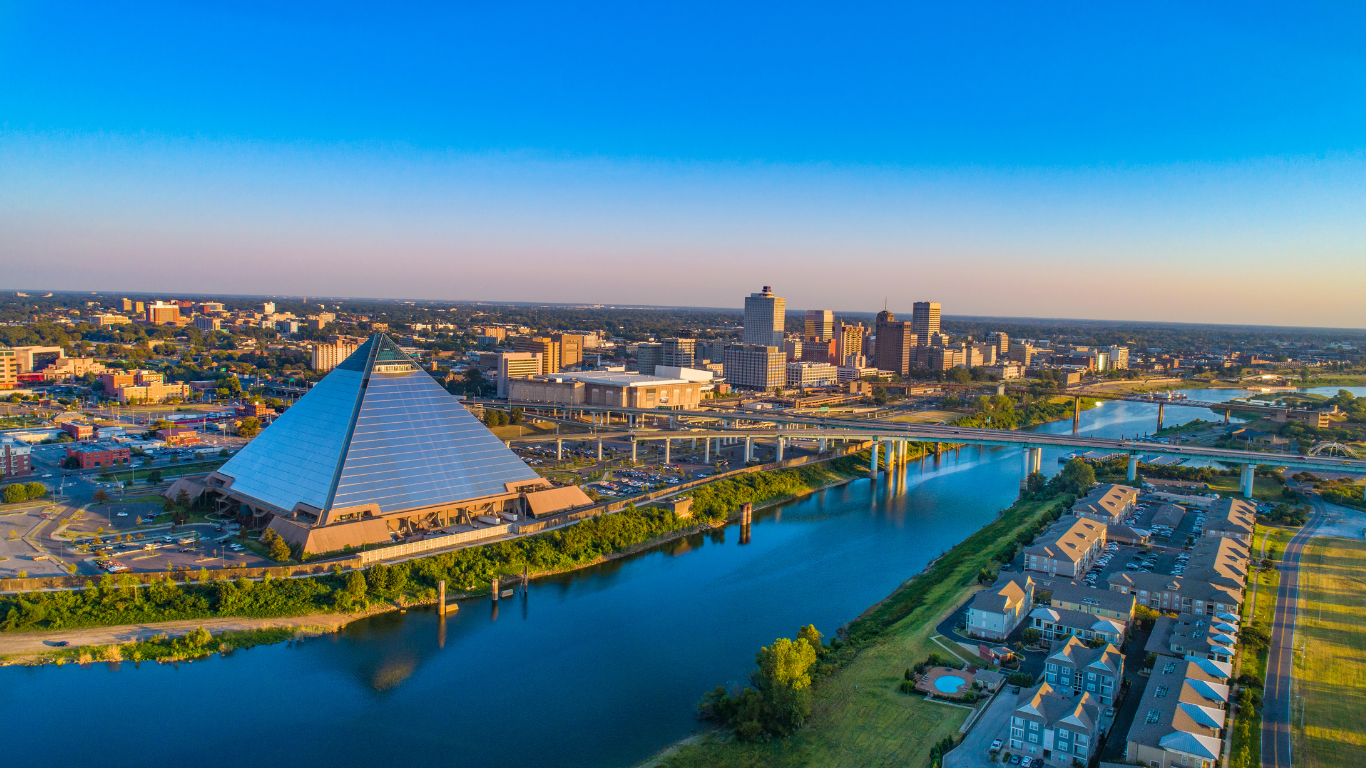

Memphis is one of the most dynamic and promising real estate markets in the southern United States right now. And if you’ve been watching where smart money is moving, you already know this city keeps showing up on the radar.
Memphis punches well above its weight. Rich cultural heritage, a legendary music scene, and a prime position along the Mississippi River give it a rare combination of affordability, growth potential, and genuine investment appeal that few southern cities can match.
As we move into 2026, a handful of key forces are reshaping the Memphis real estate story. Population growth, shifting housing inventory, and changing buyer preferences are all converging to define where this market goes next.
What follows is a close look at current market conditions, the numbers that matter most, and forward-looking insights to help you make smarter decisions whether you’re buying, selling, or investing in Memphis real estate.
Table of Contents
Article Summary
The Memphis housing market is in strong shape right now, driven by real demand, economic stability, and tight inventory. The median home price sits at $210,000, with competitive conditions pushing well-priced homes off the market fast, especially in East Memphis and Midtown. The rental side is equally active, with average rents around $1,200 per month and vacancy rates staying low. Rising interest rates, steady population growth, and solid economic momentum are all shaping the market as it heads into moderate but consistent growth through 2026. For homebuyers and investors alike, Memphis stays one of the most affordable and attractive markets in the country.
Memphis Housing Market Overview
As of late 2024, the Memphis housing market is defined by steady growth, strong affordability, and persistent demand. The city’s economic diversity, anchored by transportation, manufacturing, and healthcare, keeps the housing market on solid footing. Memphis has long drawn both homebuyers and investors looking for affordable real estate in a city with real upside, making it one of the best places to invest in US real estate right now.
Median Home Prices
Through late 2024, the Memphis housing market has seen meaningful shifts across home prices, inventory levels, and overall market dynamics. The picture is one of a market tightening up, not loosening.
Key Market Indicators
- Median Home Sold Price: Approximately $190,593, reflecting a 5.9% increase from the previous month.
- Median Listing Home Price: Around $220,000, trending up 10% year-over-year.
- Median Home Value: Approximately $241,485, marking a 1.6% increase over the past year.
Rising median prices paired with shrinking days on market points to one thing. Buyers are serious, and they’re moving quickly. The uptick in inventory gives you a few more options to consider, but don’t mistake that for a soft market. Competition is still real.

That price point puts Memphis among the most affordable major cities in the United States, especially when you stack it up against Nashville or Atlanta. The steady climb in home prices comes down to a straightforward mix of strong demand, tight supply, and a stable local economy.
Neighborhoods like East Memphis and Midtown are seeing above-average price gains, driven by their proximity to downtown and access to popular amenities. East Memphis median prices have reached around $280,000, while Midtown sits near $260,000. Young professionals and families are leading the charge in both areas, drawn by the energy of the city’s cultural and business core.
Inventory Levels
Memphis is dealing with a tight housing supply right now, with active listings hovering around 2,800 homes. That’s down nearly 8% from the previous year, and it’s keeping upward pressure firmly on prices as buyers compete for a shrinking pool of available properties.
The squeeze is worst in the mid-range price segment, where demand is at its peak. Homes priced between $150,000 and $300,000 are in especially short supply, which means multiple offers and fast closings are the norm. If you’re a first-time buyer or looking to upgrade, finding the right property within budget takes real patience right now.
Days on Market
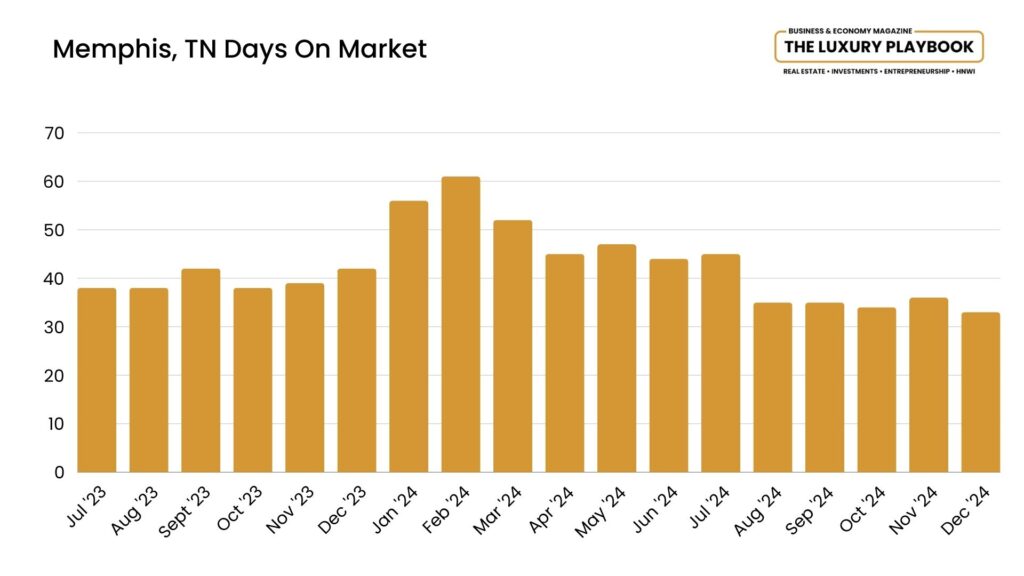
Through late 2024, Memphis real estate keeps moving at a competitive pace, with properties getting absorbed quickly across most price points.
Homes are selling after an average of 33 days on market, down from 38 days in the same period the year before. That’s a clear signal of heightened buyer interest and a market that isn’t slowing down.
The drop in days on market tells you that properties aren’t sitting around. The consistent appreciation in home prices reinforces the same story. Buyers are engaged, and inventory is getting picked up fast.
Well-priced homes are drawing immediate attention and pulling in multiple offers within days of listing. If you’re a buyer, you already know you can’t afford to wait too long once something catches your eye.
In Germantown and Collierville, known for excellent schools and family-friendly living, the pace is even faster. Days on market in those suburbs regularly falls below 20, underscoring just how strong demand is for homes in the right zip codes.
Neighborhood Analysis
Memphis is a city of distinct neighborhoods, each with its own personality, price point, and market rhythm. Knowing the differences gives you a real edge, whether you’re buying a home to live in or hunting for your next investment property.
East Memphis
East Memphis sits at the top of most buyers’ wish lists. It blends historic homes with modern developments, great schools, strong dining and shopping options, and easy access to major employers. The median home price is around $280,000, up about 5% from the year before.
Families and professionals love East Memphis for the suburban feel it delivers without sacrificing proximity to downtown. Demand is fierce, and homes here routinely sell quickly and above asking price.
Midtown
Midtown Memphis has its own distinct pull. It’s eclectic, artistic, and alive with nightlife and culture. The median home price sits near $260,000, up 4% year over year. Proximity to the Memphis Zoo and Overton Park, combined with genuine walkability, makes it a top pick for young professionals and creatives. If you’re thinking about real estate investment modeling in Memphis, Midtown is worth serious attention.
The Midtown market is fiercely competitive. Multiple offers are common, and buyers are paying a premium for the neighborhood’s character and community feel. It’s one of the hottest pockets in the entire city.
Germantown
Germantown, just outside city limits, delivers a more spacious suburban lifestyle with top-rated schools and well-maintained parks. The median home price there is around $400,000, up 6% from the previous year. Families looking for room to breathe, strong schools, and safe streets are driving that demand.
Supply in Germantown can’t keep up with the buyers looking in the $300,000 to $500,000 range. Homes in that segment often go under contract within days, with buyers routinely willing to pay above list price for the lifestyle the suburb delivers.
Collierville
Collierville rounds out the list of Memphis-area suburbs worth your attention. Its historic town square, highly rated schools, and close-knit community make it a draw for both families and retirees. The median home price sits near $380,000, up 5% from last year.
Collierville’s inventory is tight, and that’s keeping competition high. The $300,000 to $400,000 range sees the most action, with multiple offers and quick closings the standard rather than the exception. Low crime rates and a genuine sense of community make it one of the most desirable addresses in the region.
| Neighborhood | Median Listing Home Price | Listing $/SqFt |
|---|---|---|
| Sea Isle Park | $284.5K | $146 |
| Central Gardens | $428K | $167 |
| High Point Terrace | $349K | – |
| Colonial Acres | $246.5K | – |
| South Main | $345K | $236 |
| Cooper Young | $300K | $216 |
| Hyde Park | $86.5K | $72 |
| River Oaks | $629K | – |
| Evergreen Historic District | $394.9K | $190 |
| Mud Island | $386.5K | – |
| Hickory Hill | $172.3K | $68 |
| Vollintine – Evergreen | $206K | – |
| Walnut Grove | $359.8K | – |
| Alta Vista | $94.9K | $78 |
| North Parkway Village | $159.9K | – |
| Normandy Meadows East | $369K | – |
| Riverside | $74.9K | $47 |
| Klondike Smokey City | $100K | $69 |
| Binghampton | $194.9K | $131 |
| Orange Mound | $83.2K | – |
Memphis Rental Market Overview
The rental side of Memphis is shifting too, and the driver is straightforward. As home prices climb and ownership becomes harder to reach for some buyers, demand for rental properties keeps building. That’s creating a strong environment for landlords and investors willing to play the long game.
Memphis Average Rent Prices
As of late 2024, the Memphis rental market shows the following average monthly rents across unit types.
- Studio Apartments: Approximately $1,112 per month, reflecting a 12% decrease from the previous year.
- One-Bedroom Apartments: Around $1,160 per month, marking a 9% increase over the same period.
- Two-Bedroom Apartments: About $1,307 per month, indicating an 18% increase year-over-year.
The rental picture in Memphis is dynamic, with meaningful variation in rent changes depending on apartment size and location.
Worth knowing: Memphis is among the top ten U.S. cities seeing a decline in rental prices, with a 5.4% year-over-year drop in median rent for zero to two-bedroom units, bringing the median to $1,204. That trend creates an interesting window for renters, even as the broader market stays tight. Zillow Research tracks these rental shifts closely if you want to dig deeper into the data.
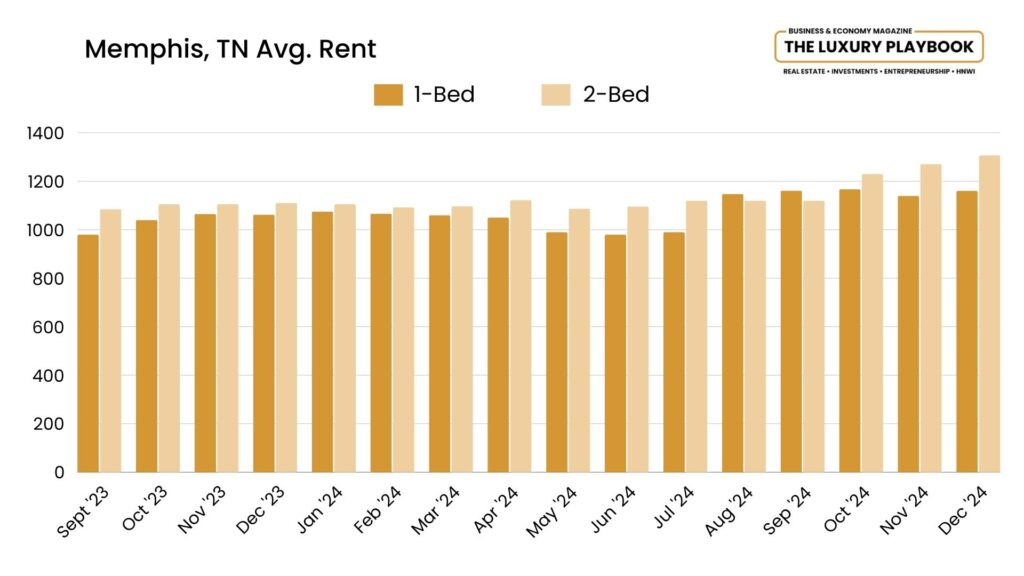
Rents shift considerably by neighborhood. Downtown Memphis and suburbs like Germantown and East Memphis command higher monthly figures, reflecting the premium placed on location and lifestyle.
- Downtown Memphis: In the downtown area, the average rent for a one-bedroom apartment exceeds $1,500 per month, reflecting strong demand for urban living. The area’s proximity to major employers, entertainment options, and cultural attractions makes it a popular choice for young professionals and executives.
- Germantown: In Germantown, the average rent for a two-bedroom apartment is around $1,800 per month. This suburb’s high quality of life, excellent schools, and family-friendly environment justify the premium rental rates.
- Midtown: Midtown Memphis offers slightly more affordable rental options, with average rents for a one-bedroom apartment around $1,300 per month. The neighborhood’s eclectic charm and central location attract a diverse range of renters, from students to young professionals.
Vacancy Rates
Vacancy rates across Memphis are staying low, sitting around 5% and slightly down from the prior year. A vacancy rate that low tells you properties are filling up fast and landlords are holding real leverage in lease negotiations.
Several forces are keeping vacancy rates this tight across Memphis.
- Limited New Construction: New rental developments have not kept pace with demand, particularly in affordable and mid-range segments. This shortage of new supply has led to increased competition for existing rental units, keeping vacancy rates low.
- Increased Demand: As home prices rise, more individuals and families are choosing to rent rather than buy. This trend is especially noticeable among younger professionals and those who prefer the flexibility of renting.
Additionally, some potential homebuyers are delaying purchases due to rising interest rates, further boosting demand for rentals. - Economic and Demographic Shifts: Memphis’s strong economy, supported by key sectors like healthcare, logistics, and education, continues to attract new residents.
Many of these newcomers, particularly younger workers and families, choose to rent before committing to a home purchase. This influx of residents has bolstered demand for rental housing, particularly in neighborhoods near employment centers and public transportation.
Put those factors together and the rental market looks competitive well into the coming years. Landlords should expect strong occupancy, and investors entering now are positioned ahead of further rent appreciation, especially in high-demand pockets where supply simply can’t catch up.
Factors Influencing the Memphis Housing Market
A handful of forces are driving the Memphis housing market today, and they’ll keep shaping it through 2026. Economic conditions, population growth, interest rates, and new construction trends are all in play, and understanding how they interact is how you stay ahead of the curve.
Economic Conditions
Memphis’s economy is doing the heavy lifting when it comes to housing demand. The city benefits from a diverse base with strong contributions from healthcare, logistics, and manufacturing. Major employers like FedEx, St. Jude Children’s Research Hospital, and the University of Tennessee Health Science Center provide stable, well-paying jobs that translate directly into sustained housing demand.
Memphis’s unemployment rate sits around 4%, slightly below the national average. That’s a healthy job market, and it’s the kind of foundation that keeps housing demand from softening. The city’s role as a transportation and logistics hub adds another layer of economic resilience, pulling businesses and workers into the market consistently.
That said, broader economic pressures are real. Inflation and rising interest rates are squeezing buyer affordability, and the Federal Reserve’s efforts to control inflation have pushed mortgage rates higher. Some buyers are being priced out, and others are choosing to wait. That headwind could moderate price growth, even as underlying demand stays strong.
Population Growth and Demographics
Memphis has seen steady population growth, and that’s been a consistent engine of housing demand. The city’s population stands at roughly 650,000, with the broader metro area topping 1.3 million residents. Affordability, job opportunities, and quality of life are the main draws pulling new residents in.
Millennials are a particularly active cohort moving to Memphis. The city’s vibrant culture, lower cost of living relative to cities like Nashville or Austin, and an expanding job market make it a compelling landing spot. And Memphis has quietly become a strong option for retirees too, offering affordable housing and a mild climate without the price tags of more obvious retirement markets.
This steady influx of new residents is driving demand across every segment, from entry-level homes to luxury properties. Neighborhoods with strong schools, solid amenities, and proximity to job centers are seeing the sharpest price increases and the tightest rental markets. Having a property manager in these high-demand areas can make a real difference in how efficiently you capture that rental income.
Interest Rates and Mortgage Availability
Interest rates have moved sharply over the past two years, and that’s reshaping what buyers can actually afford. The average rate on a 30-year fixed mortgage now sits around 6%, a steep jump from the 3% to 4% range that defined the pandemic era. Higher rates mean bigger monthly payments, and that’s pushing some buyers to recalibrate their budgets or step back from the market entirely.
The math is pretty clear on this. A $250,000 mortgage at 3% runs about $1,054 per month before taxes and insurance. At 6%, that same loan costs roughly $1,499 per month, nearly $450 more every single month. That gap is enough to make some buyers downsize their expectations or shift toward smaller, less expensive homes.
Lending standards have tightened too. Mortgage lenders are being more selective in response to higher rates and economic uncertainty, which makes it harder for first-time buyers or those with lower credit scores to get approved. Tighter credit means fewer transactions, and that could put a lid on how fast prices can climb from here. Federal Reserve rate data gives you a clear view of where rates have moved and what the trajectory looks like.
New Construction and Development
New construction in Memphis hasn’t kept pace with demand, and that gap is one of the main reasons inventory stays tight. Around 3,000 new housing units were completed in the Memphis metro in 2023, but that number falls well short of what the market actually needs. The construction shortfall is a direct contributor to rising prices and limited choices for buyers.
Most new development has tilted toward the high end, with luxury apartments and homes in desirable areas like East Memphis and Germantown getting the bulk of new supply. That does very little for buyers and renters searching in the affordable or mid-range segments.
The affordable housing gap is widening as more buyers get pushed out of premium neighborhoods and scramble for mid-range and entry-level options. That same pressure is spilling into the rental market, with more people renting by necessity and driving vacancy rates and rents higher as a result.
Memphis needs a real push in new construction, particularly at the affordable and mid-range levels. Public-private partnerships, zoning reform, and developer incentives are the levers that could move the needle. But based on current trends, the inventory shortage is likely to stretch well into 2026, keeping conditions competitive for both buyers and renters. U.S. Census Bureau construction data tracks new residential building activity if you want to follow the pipeline closely.
Memphis Housing Market Forecast for 2026
Looking ahead to 2026, a few clear trends are set to define the Memphis housing market. The market will likely stay competitive, but the pace of price growth could ease as economic conditions continue to evolve.
Home Price Growth
Home prices in Memphis are on track to keep climbing, just at a steadier pace than in recent years. Forecasts point to median home price growth of 3% to 4% annually over the next two years. That’s a step down from the 4% to 5% gains seen in 2023, reflecting real headwinds from higher interest rates and broader economic uncertainty.
With the median home price in Memphis sitting around $190,000 as of late 2024, a 3% annual gain would push the median toward roughly $201,700 by the end of 2026. A 4% pace gets you closer to $205,600. Slower growth, yes. But steady appreciation in a city that’s still one of the most affordable major markets in the country is still a compelling story for buyers and investors watching the long game.
Inventory and Market Conditions
The inventory crunch isn’t going away anytime soon. Active listings sit around 2,800 homes, and with new construction lagging behind demand, that number isn’t going to jump dramatically. Mid-range price segments will stay the most contested, keeping buyers on their toes.
If new construction picks up in the affordable segment, it would take some pressure off. But the current trajectory suggests sellers will keep the upper hand, particularly in high-demand areas like East Memphis, Germantown, and Collierville. Homes in those neighborhoods will keep selling fast and often above asking price.
Memphis Rental Market Forecast
The Memphis rental market looks strong through 2026. As home prices and borrowing costs stay elevated, more would-be buyers will stay in the rental pool longer, keeping demand high. Younger professionals and families are especially likely to continue renting as they navigate the affordability math of buying in this environment.
Average monthly rents in Memphis are currently around $1,200, and a 3% to 4% annual increase puts average rents in the $1,272 to $1,300 range by 2026. Downtown Memphis, Germantown, and East Memphis will see rents running well above those averages, driven by concentrated demand for well-located rental properties in those corridors.
Economic and Demographic Trends
Memphis’s economy looks resilient heading into 2026, underpinned by a diverse job market and a logistics infrastructure that’s hard to replicate. That said, broader risks are real. A potential slowdown or shifts in federal policy could create turbulence. The city’s anchor sectors, healthcare, logistics, and education, should keep housing demand from falling off a cliff even in a tougher economic climate.
On the demographic side, younger residents and families will keep moving into Memphis, drawn by one of the lowest costs of living among major U.S. cities and a job market that keeps expanding. Neighborhoods with good schools, solid amenities, and access to employers will stay in the highest demand and see the strongest gains in both home prices and rents through 2026.
Is It Worth Buying Property In Memphis?
Yes, buying property in Memphis makes a strong case for itself right now. Affordable home prices, steady appreciation, a solid rental market with rising rents and low vacancy rates, and a diverse local economy all point in the same direction. The city’s ongoing revitalization and growing population add another layer of confidence for both homebuyers and investors navigating today’s U.S. housing environment. Memphis isn’t flashy, but the fundamentals are real, and that’s exactly what makes it a solid long-term play.
Other Market Forecasts and Overviews
San Diego Housing Market Forecast & Analysis
Dallas Housing Market Forecast & Analysis
Austin Housing Market Forecast & Analysis
San Jose Housing Market Forecast & Analysis
Indianapolis Housing Market Forecast & Analysis
San Francisco Housing Market Forecast & Analysis
San Antonio Housing Market Forecast & Analysis
Seattle Housing Market Forecast & Analysis
Philadelphia Housing Market Forecast & Analysis
Denver Housing Market Forecast & Analysis
Phoenix Housing Market Forecast & Analysis
Oklahoma Housing Market Forecast & Analysis
Nashville Housing Market Forecast & Analysis
El Paso Housing Market Forecast & Analysis
Houston Housing Market Forecast & Analysis
Columbus Housing Market Forecast & Analysis
Las Vegas Housing Market Forecast & Analysis
Sacramento Housing Market Forecast & Analysis
Baltimore Housing Market Forecast & Analysis
Boston Housing Market Forecast & Analysis